It arrives not as a whisper, but as a full-throated cry drenched in the color of lifeblood and sunset. I remember encountering the VHS box for Red Sorghum (1988) tucked away in the 'World Cinema' section of my local rental store, a stark, arresting image amidst the usual action heroes and neon logos. It promised something different, something potent. Pulling that tape from the shelf felt like unearthing a secret, and watching it unfurl on the flickering CRT screen was less a viewing experience and more a full sensory immersion. What strikes you first, and what lingers long after, is the overwhelming, almost primal energy radiating from Zhang Yimou's directorial debut.
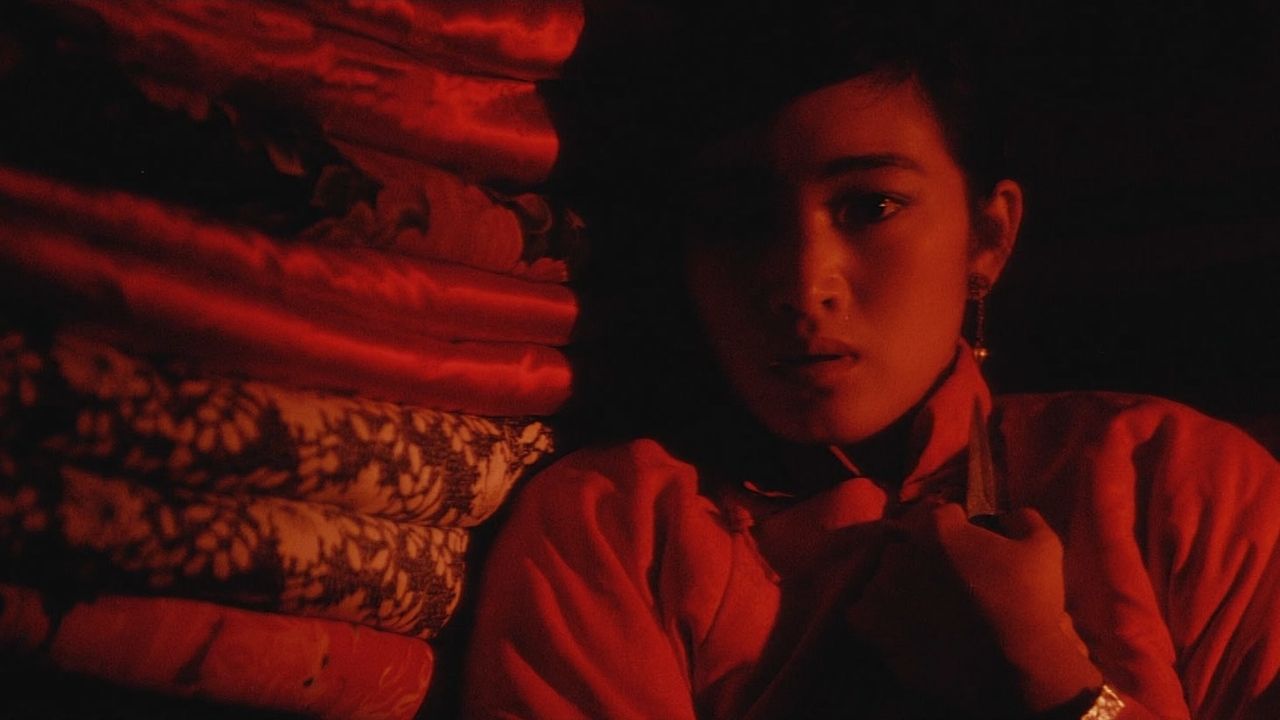
A World Drenched in Red
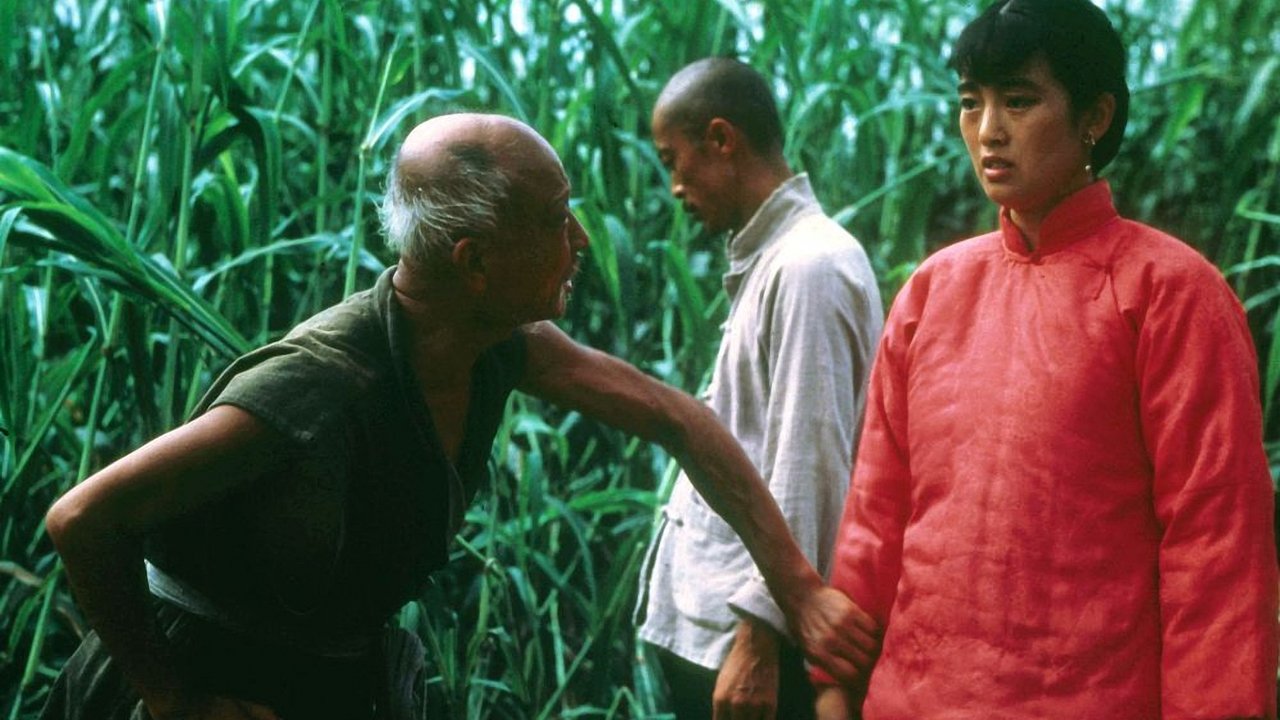
The film transports us to rural China in the 1920s and 30s, a landscape dominated by endless fields of sorghum. It’s here that Jiu'er (played by a luminous Gong Li in her first major role) is sent in a covered sedan chair to marry the leprous owner of a sorghum wine distillery. The journey itself is fraught with tension, raw beauty, and burgeoning desire, particularly involving one of the chair carriers, Yu Zhan'ao (a magnetic Jiang Wen). The narrative unfolds episodically, less concerned with intricate plotting than with capturing the raw, cyclical rhythms of life, love, death, and resilience against the backdrop of this unique setting. The distillery, the vibrant sorghum fields – they aren't just locations; they are characters in their own right, pulsating with a life force that mirrors the passions and struggles of the human figures within them. The very air seems thick with the scent of fermenting grain and the weight of tradition clashing with untamed spirit.
Birth of Icons
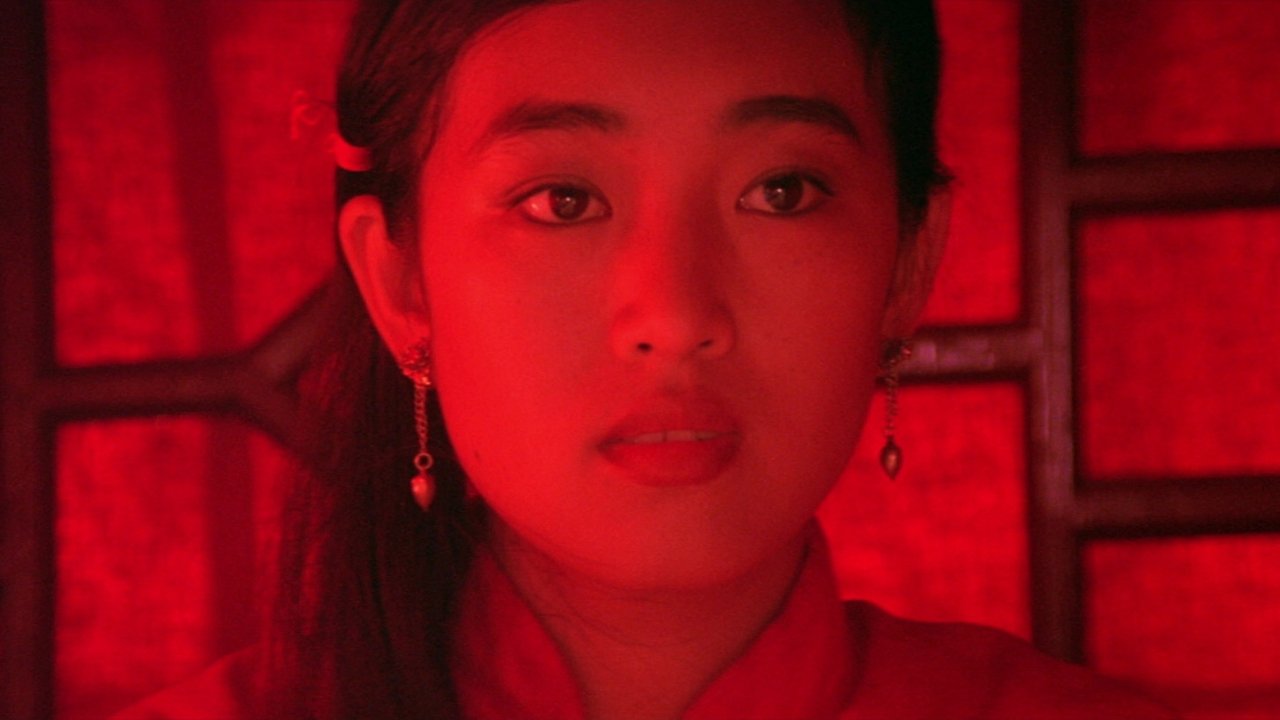
It's impossible to discuss Red Sorghum without focusing on the arrival of Gong Li. As Jiu'er, she is captivating – fierce, vulnerable, sensual, and utterly commanding. It’s a performance of stunning naturalism and power, announcing the arrival of a major international star. She embodies the film's core themes: the indomitable spirit asserting itself against brutal circumstances. Alongside her, Jiang Wen, who would later become a significant director himself (Let the Bullets Fly), brings a rugged, almost dangerous charisma to the role of the passionate lover and eventual distillery master. Their chemistry is electric, grounded in a shared defiance and primal connection. Even Teng Rujun as Uncle Luohan, the loyal distillery foreman, provides a crucial anchor of steadfastness amidst the swirling passions. These aren't just characters reciting lines; they feel like people carved from the very earth they inhabit, their joys and sorrows etched onto their faces.
A Cinematographer's Eye Becomes a Director's Vision
Before stepping behind the camera as director, Zhang Yimou was already an acclaimed cinematographer, and it shows in every frame of Red Sorghum. Working with cinematographer Gu Changwei (who would later shoot Farewell My Concubine), Zhang crafts a visual language that is both breathtakingly beautiful and deeply meaningful. The titular color red dominates – the sorghum wine, festival banners, the bride's attire, spilled blood, the setting sun – becoming a potent symbol of vitality, passion, fertility, celebration, and ultimately, violence and sacrifice. The camera often moves with a lyrical energy, sweeping across the fields or observing intimate moments with unflinching clarity. Zhang reportedly insisted on planting specific varieties of sorghum to achieve the exact shade of red he envisioned, a testament to the meticulous visual design. This wasn't just filming a story; it was painting with light and landscape.
Beneath the Crimson Canopy
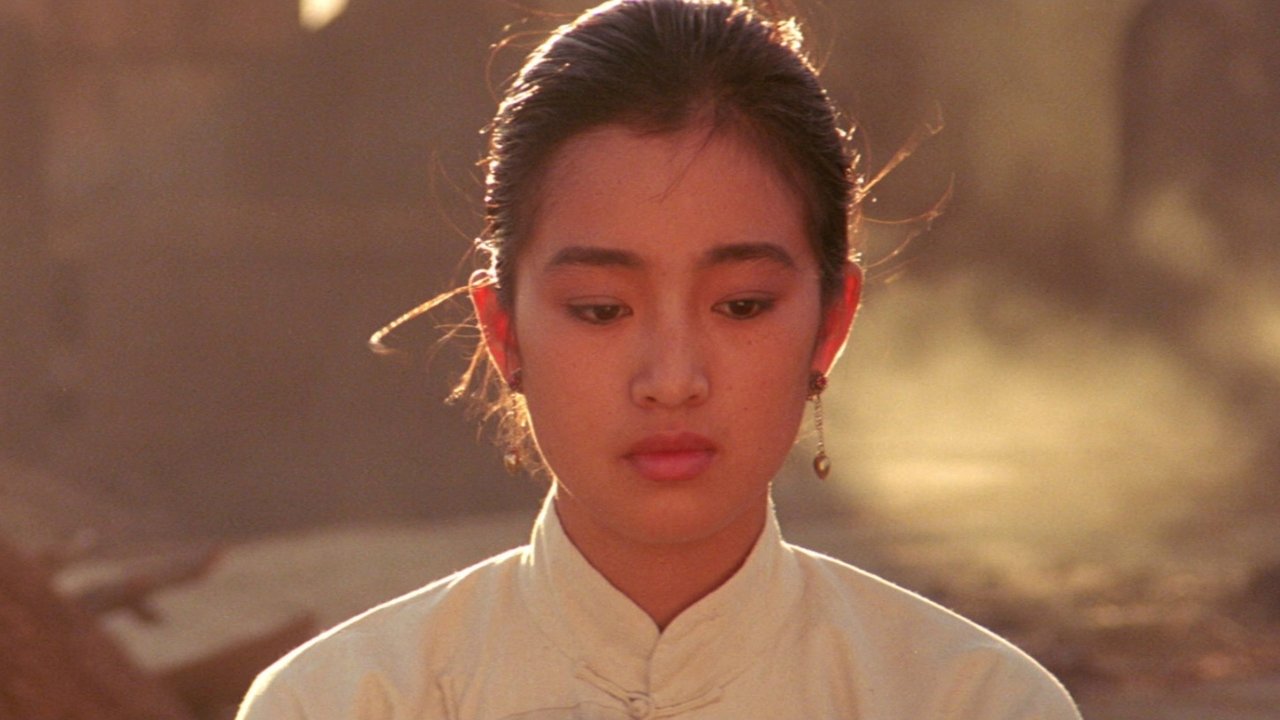
Beyond the stunning visuals and powerful performances, Red Sorghum resonates with profound themes. It's a story about the sheer tenacity of life, the fierce desire to carve out joy and meaning even in the harshest conditions. The film depicts peasant life with an unsentimental eye, acknowledging its brutality and hardships alongside its moments of ecstatic celebration (the scenes of communal wine-making and singing are unforgettable). There’s a raw earthiness, a connection to the land and its cycles, that feels almost mythical. As the narrative moves towards the encroaching violence of the Second Sino-Japanese War, this life force is tested in the most brutal ways imaginable. Does hardship forge resilience, or simply crush the spirit? The film leaves you pondering the strength found in community, love, and defiance against overwhelming odds.
Echoes from Gaomi County
Winning the Golden Bear at the 1988 Berlin International Film Festival, Red Sorghum announced the arrival of the 'Fifth Generation' of Chinese filmmakers onto the world stage. It was a revelation – visually audacious, thematically bold, and emotionally raw in a way that felt utterly new. Based on the novel by Mo Yan, who decades later would win the Nobel Prize in Literature, the film captured a spirit of cultural identity grappling with its past and future. Its success wasn't without complexity; films celebrated internationally sometimes faced more intricate scrutiny back home, navigating the delicate lines of artistic expression and state approval. Yet, its impact was undeniable, influencing a generation of filmmakers and bringing Chinese cinema into a new era of global recognition. For many of us discovering it on VHS, it was a powerful introduction to a cinematic tradition that felt both deeply specific to its culture and universally human in its concerns.

Rating: 9/10
This score reflects the film's stunning artistic achievement, its historical significance, and its enduring emotional power. The groundbreaking performances, particularly Gong Li's debut, combined with Zhang Yimou's masterful visual storytelling and the profound thematic resonance, make it a landmark of world cinema. While its episodic nature might feel unconventional to some viewers raised on tightly plotted Hollywood fare, its raw beauty and visceral impact are undeniable.
Red Sorghum is more than just a film; it's an experience that washes over you, leaving you stained with its vibrant colors and haunted by its potent blend of beauty and brutality. It’s a reminder that cinema, even discovered on a humble VHS tape, can transport you utterly and connect you to the raw, untamed heart of the human spirit.