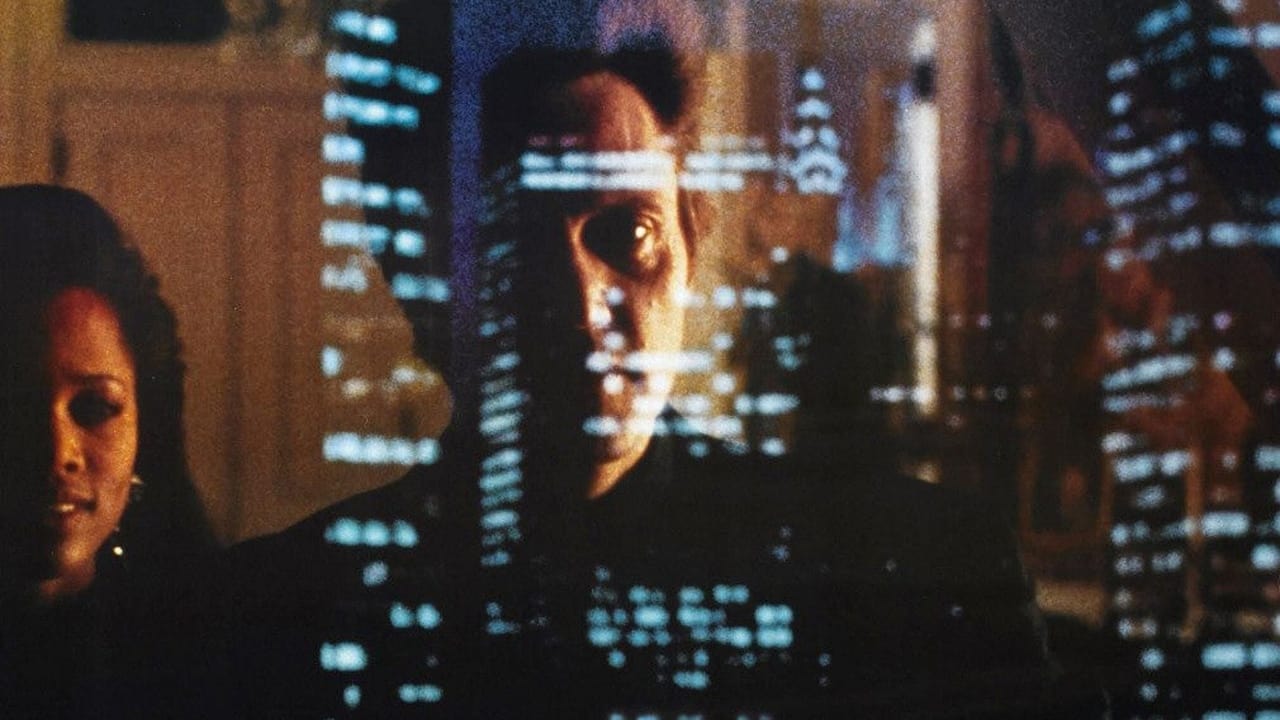
The glow of the city lights reflecting off rain-slicked streets. The hiss of the tape feeding through the VCR heads. And then, him. Frank White, stepping out of prison and back into the nocturnal heart of New York City, impossibly pale, unnervingly serene, with eyes that hold both weariness and a terrifying resolve. Abel Ferrara’s King of New York (1990) wasn’t just another gangster flick slid into a plastic clamshell case; it felt like mainlining the city's decaying soul, a jolt of raw, stylish nihilism that left you feeling cold long after the credits rolled and the tape auto-rewound.
Welcome Home, Frank
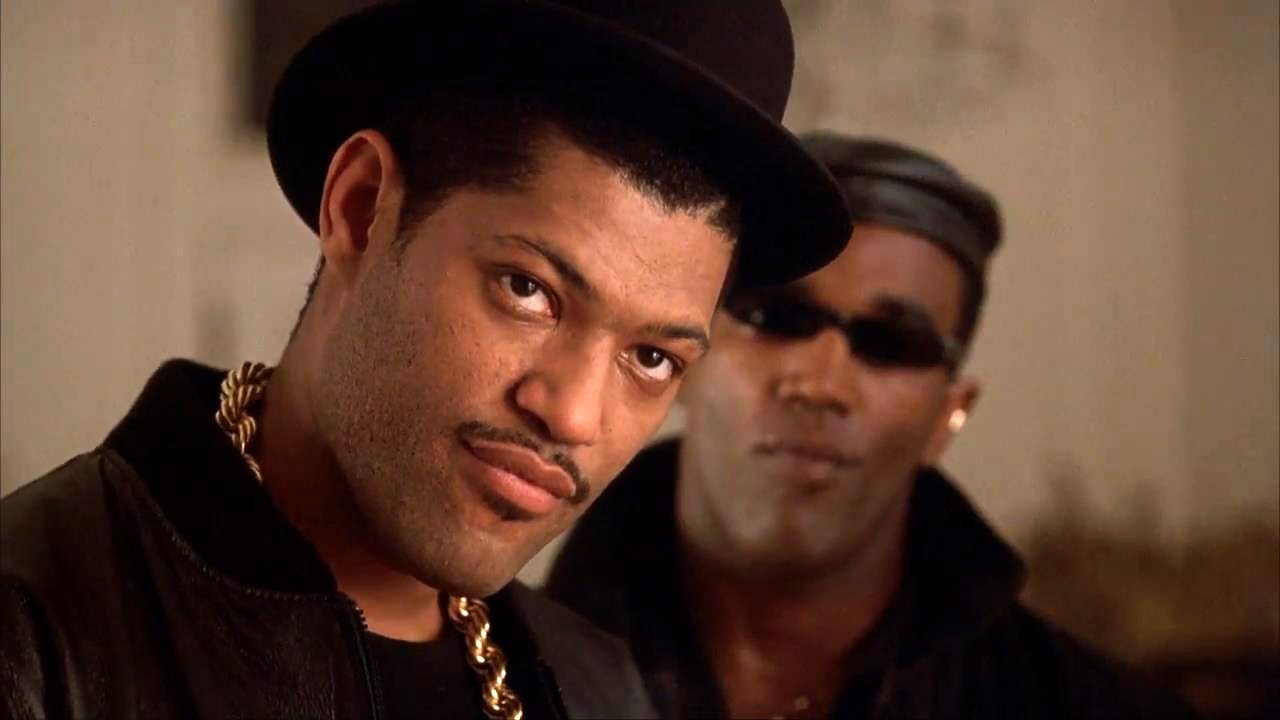
The premise is deceptively simple: drug lord Frank White (Christopher Walken) returns to reclaim his empire. But Ferrara, working from a script by his frequent collaborator Nicholas St. John, isn't interested in a standard rise-and-fall narrative. Instead, he plunges us into a fractured urban landscape where morality is a luxury no one can afford. Frank, portrayed by Walken with that signature, otherworldly calm that can snap into violence without warning, sees himself as a twisted Robin Hood, aiming to fund a struggling hospital in the South Bronx with his ill-gotten gains. He’s surrounded by a crew crackling with volatile energy, most notably a young, absolutely electric Laurence Fishburne (credited here as Larry) as Jimmy Jump, whose explosive loyalty is as dangerous as his Uzi.
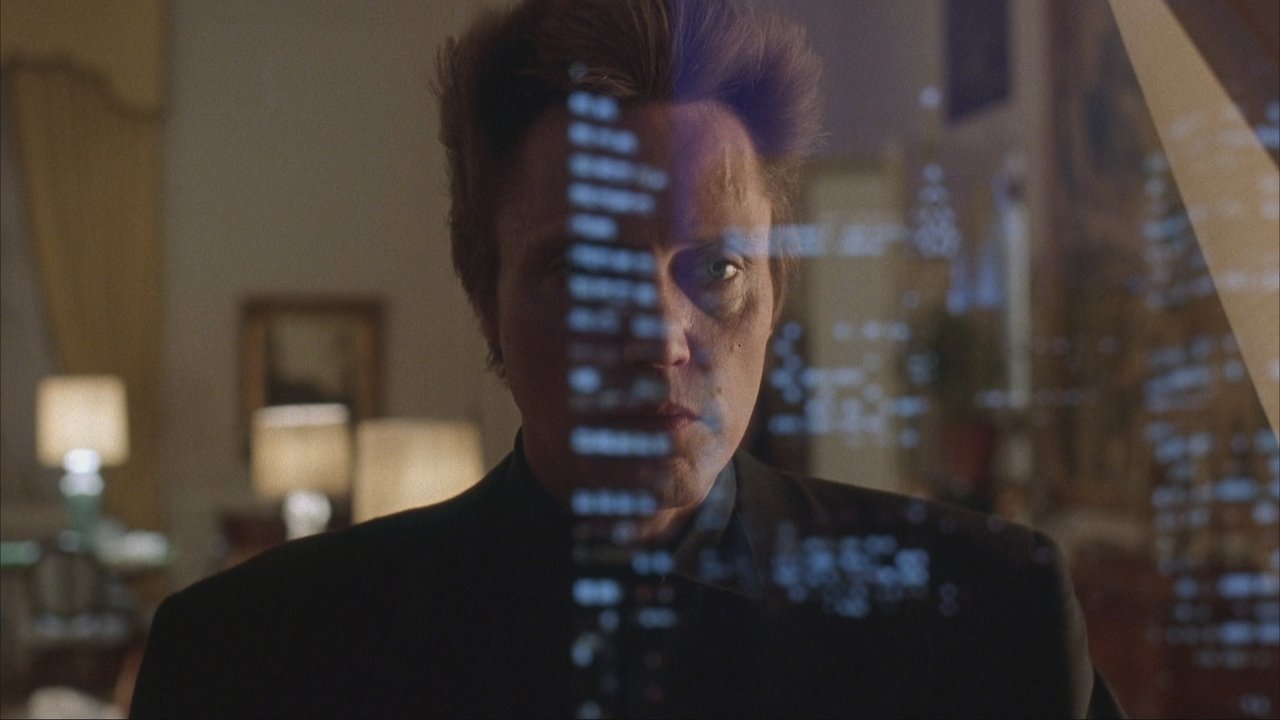
Remember watching Walken in this? He wasn't just playing a gangster; he was embodying an idea – the ghost in the machine of late-capitalist decay. There’s a chilling scene where he calmly explains his worldview, suggesting his criminal enterprise is somehow more honest than the system itself. It’s the kind of performance that burrows under your skin, less about overt menace and more about a profound, unsettling disconnect from conventional humanity. It’s said Walken didn’t extensively research traditional gangster roles, instead opting to craft Frank White from a more internal, almost philosophical place, which perfectly explains that unique, spectral presence.
Urban Decay as Art
Ferrara, a director never known for subtlety or compromise (Bad Lieutenant (1992) would cement that reputation), paints New York as a character in its own right. Shot largely on location by cinematographer Bojan Bazelli, the film captures the grime and the glamour, the shadows and the neon, of a city teetering on the edge. The production reportedly embraced a certain guerrilla spirit, adding to the authentic feel. That infamous subway shootout? It pulses with a chaotic energy that feels terrifyingly real, far removed from the polished action sequences becoming standard fare. It’s visceral, messy, and feels like something you stumbled upon, not something staged for cameras.
The supporting cast is a murderer’s row of talent that would define gritty 90s cinema. We see David Caruso (pre-NYPD Blue) and Wesley Snipes as the cops trying desperately to bring Frank down, operating with their own brand of compromised ethics. Victor Argo, Giancarlo Esposito, Steve Buscemi (in a smaller role) – they all add layers to this tapestry of urban warfare. Fishburne, though, almost steals the show. His Jimmy Jump is pure id, a live wire whose loyalty to Frank borders on the fanatical. His energy is the chaotic counterpoint to Walken's eerie stillness.
Controversy and Cult Status
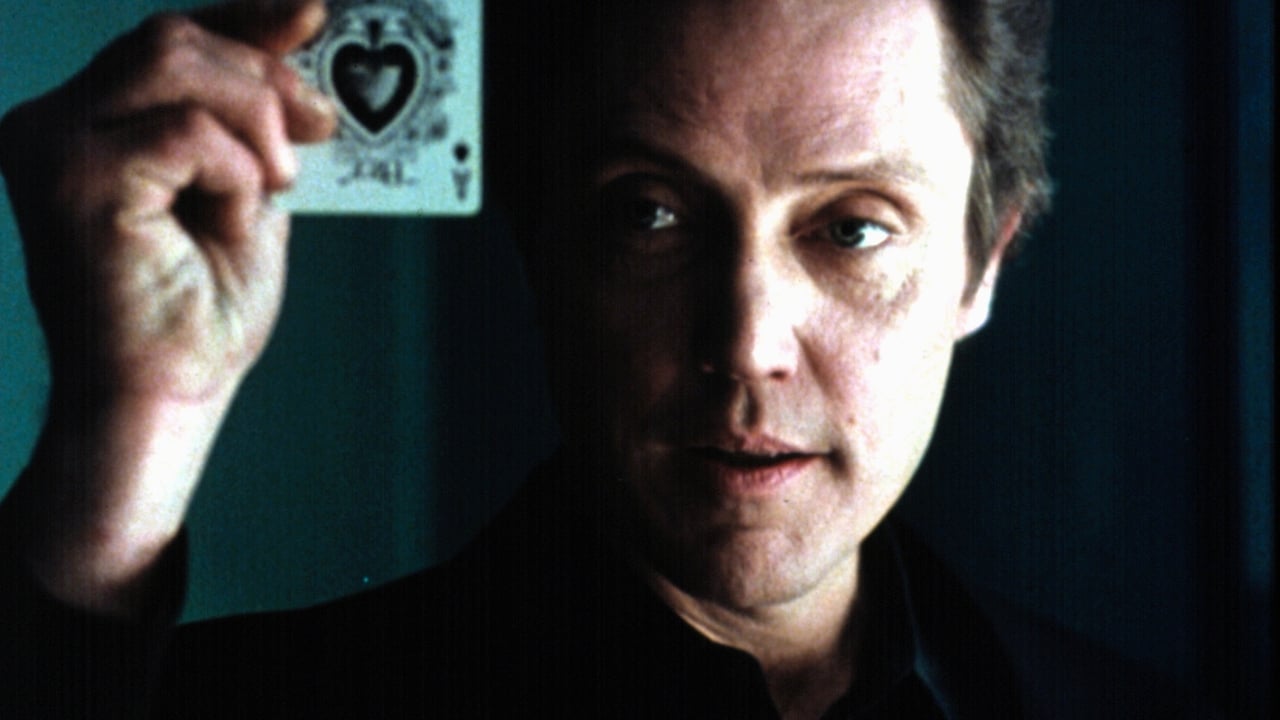
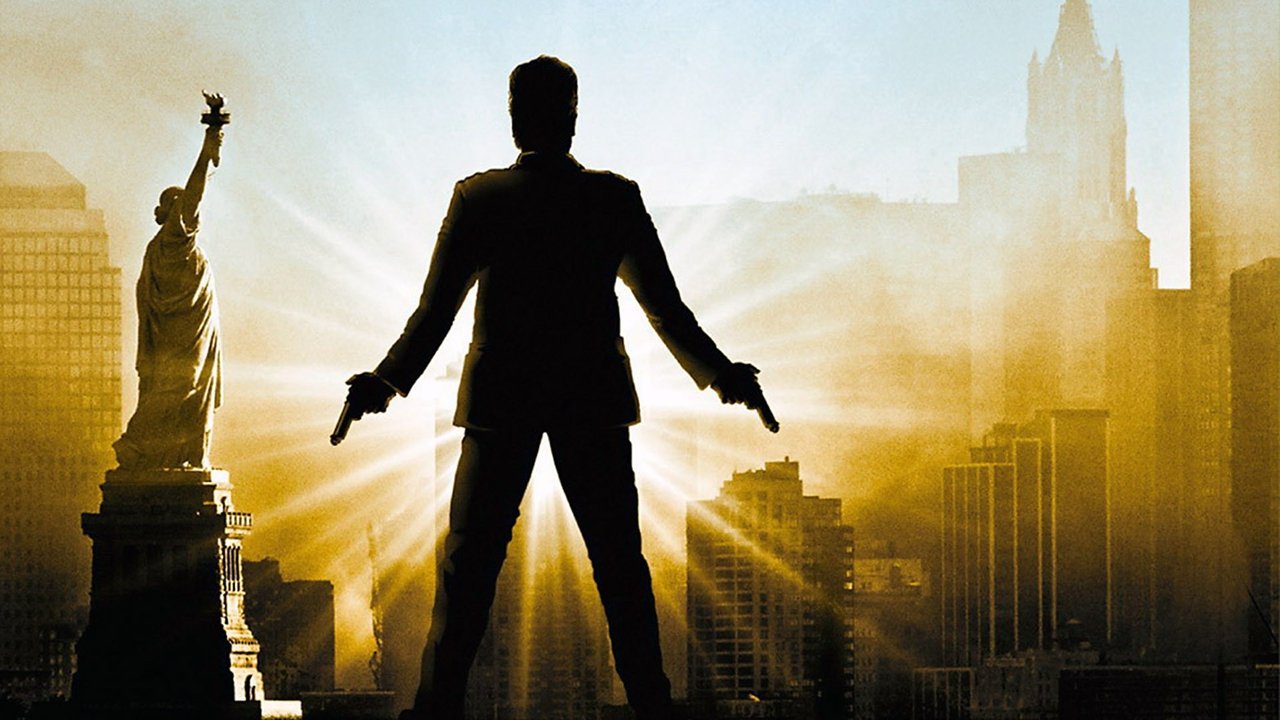
It’s no surprise King of New York stirred the pot upon release. Screenings at the New York Film Festival reportedly saw walkouts, with critics divided over its brutal violence and ambiguous morality. Rumors swirled about battles with the ratings board (it eventually secured an R, but felt harder). Made for a relatively modest budget (around $5 million), it wasn't a box office smash ($2.5 million domestic), but oh, how its reputation simmered and grew on those late-night cable airings and countless VHS rentals. I distinctly remember renting this tape, drawn by the stark cover art and Walken's face, and feeling like I’d discovered something dangerous and forbidden.
The film’s influence bled beyond cinema, too. Frank White became an iconic name drop in hip-hop lyrics, shorthand for a certain kind of ruthless ambition and street power, most famously adopted by The Notorious B.I.G. It tapped into a vein of anti-hero worship and urban realism that resonated deeply.
The Reign Endures?
Watching King of New York today, its power remains largely undimmed. Ferrara’s vision is uncompromising, Walken’s performance is legendary, and its depiction of a city cannibalizing itself feels disturbingly prescient. It’s stylish, yes, but it’s a desperate, dangerous style – the gleam of a switchblade under a flickering streetlamp. It lacks the sprawling narrative arc of Goodfellas (released the same year) or the operatic grandeur of The Godfather, offering instead a colder, more fragmented portrait of power and its ultimate emptiness. Does that final, haunting shot still pack a punch? Absolutely.
### VHS Heaven Rating: 8/10
Justification: King of New York earns its high score for its sheer atmospheric intensity, Christopher Walken's career-defining central performance, Abel Ferrara's fearless direction, and its influential, unflinching portrayal of urban decay and crime. The raw energy, particularly from Laurence Fishburne, is undeniable. While its bleakness and episodic structure might not resonate with everyone, and some elements feel distinctly of their time, its power as a cult classic crime thriller is undeniable. It’s a film that truly captures the feel of a specific, gritty moment in NYC history, bottled onto VHS like a potent, dangerous chemical.
Final Thought: It’s more than just a gangster movie; it's a mood piece, a dark poem about a city and the ghosts who haunt its streets. Frank White might not have truly been king, but his reign in the cult cinematic consciousness remains absolute.