It wasn't just another trip to Blockbuster, was it? Picking up Spike Lee's Malcolm X in 1992 often meant hefting that double VHS box set – a physical weight that somehow mirrored the gravity of the story held within those magnetic tapes. Settling in to watch it felt like a commitment, an event, worlds away from the casual click of a streaming service today. This wasn't just a movie; it felt like required viewing, a dense, vital piece of American history demanding your full attention across its considerable runtime. And the film delivered on that promise, leaving an imprint that hasn't faded in the decades since.
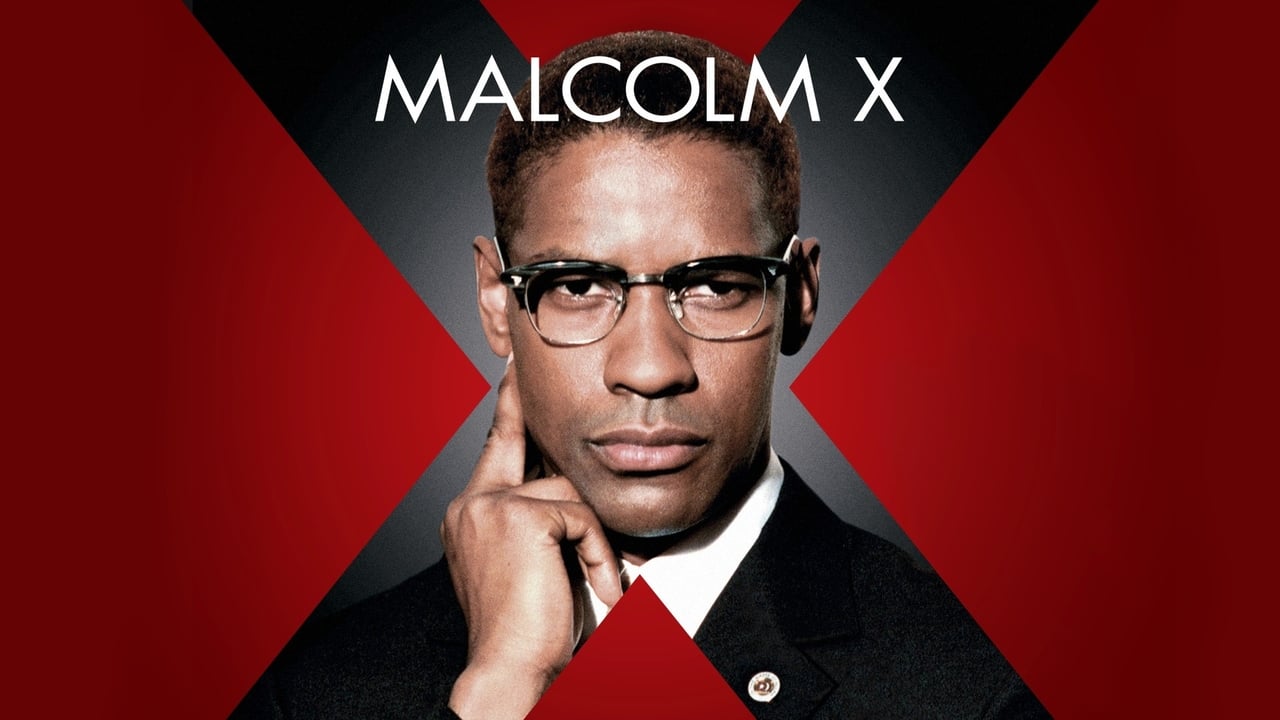
An Epic Canvas, A Singular Vision
Tackling the life of Malcolm X was never going to be simple. This was a figure of immense complexity, transformation, and controversy. Bringing his story to the screen was a passion project decades in the making, initially spearheaded by producer Marvin Worth and writer Arnold Perl (who receives posthumous co-writing credit). Director Norman Jewison was attached for a time, but it ultimately, and perhaps inevitably, fell to Spike Lee, arguably the most prominent Black filmmaker of the era, fresh off vital works like Do the Right Thing (1989) and Jungle Fever (1991). Lee famously fought tooth and nail for the budget and creative control needed to realize his expansive vision, even appealing directly to prominent Black figures like Bill Cosby, Oprah Winfrey, and Michael Jordan for contributions when the studio balked at the necessary funds (the final budget hovered around $33 million). This very struggle behind the scenes speaks volumes about the importance Lee placed on telling this story his way, without compromise.
Washington's Towering Transformation
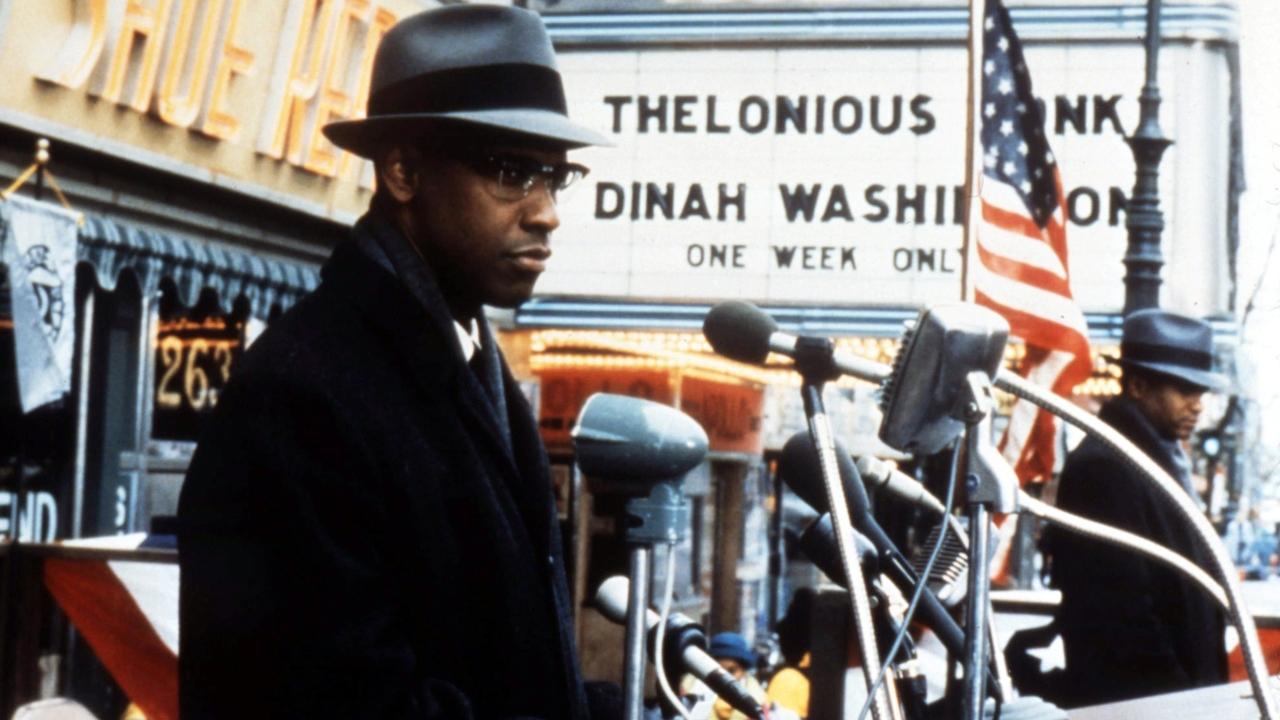
At the heart of Malcolm X lies one of the truly monumental performances of the 90s. Denzel Washington, who had previously portrayed Malcolm on stage, doesn't just play the man; he embodies his entire arc. We witness the street hustler "Detroit Red," slick, cocky, and ultimately lost. We see the conversion in prison, the fiery, articulate minister rising through the ranks of the Nation of Islam under the guidance of Elijah Muhammad (played with quiet authority by Al Freeman Jr.). And finally, we see the man who breaks away, finds a broader sense of humanity and purpose after his pilgrimage to Mecca, becoming El-Hajj Malik El-Shabazz.
What makes Washington's performance so authentic isn't just mimicry – though his cadence and physicality are uncanny. It's the internal journey he makes visible. You see the intellect ignite behind his eyes, the conviction harden his features, and later, the dawning awareness and vulnerability as his worldview shifts. It’s a performance built on nuance as much as power, capturing the charisma that drew thousands and the internal conflicts that defined his later years. It remains astonishing that he didn't win the Best Actor Oscar that year (though he was nominated), a testament perhaps more to Academy politics than the performance itself.
Crafting History with Style and Substance
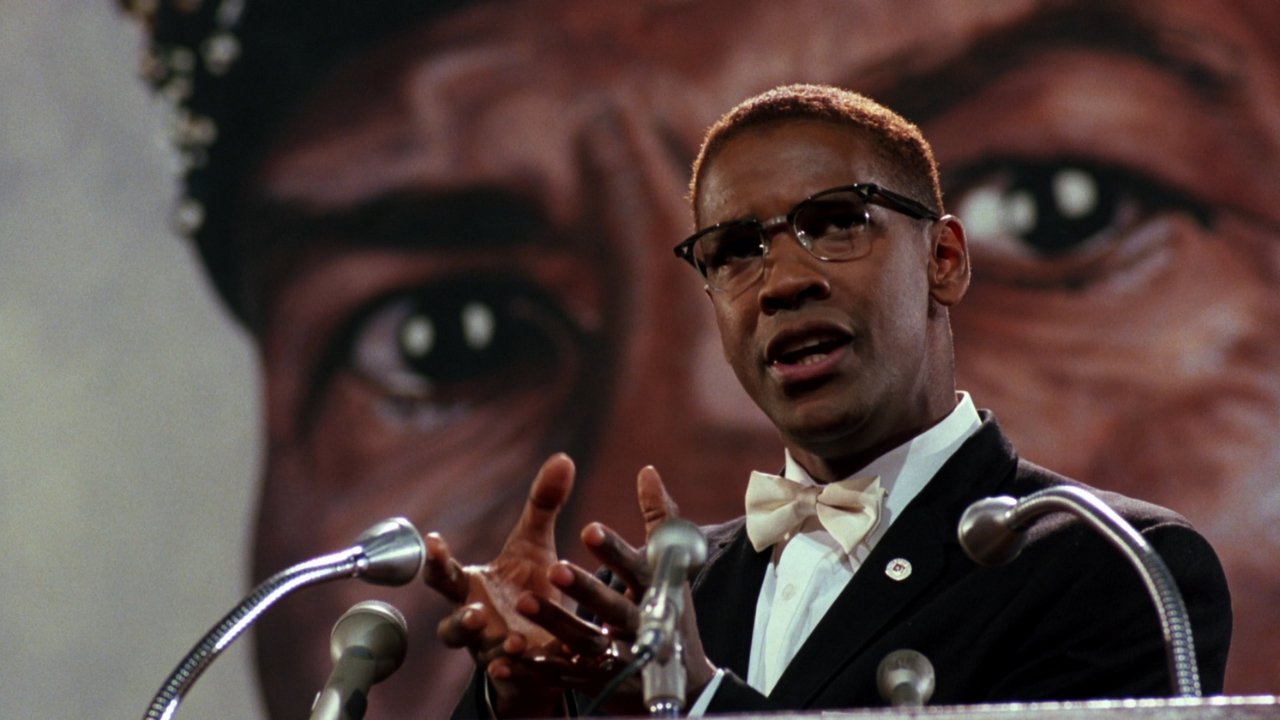
Spike Lee directs with characteristic energy and style, but also with a deep reverence for his subject. The film bursts with visual flair – the vibrant colours of the early Zoot Suit era scenes, the starker tones during Malcolm’s ministry, the use of newsreel footage seamlessly blended with dramatic recreations. Lee isn't afraid to use his signature dolly shots or address the camera directly, stylistic choices that, rather than feeling intrusive, pull the viewer deeper into Malcolm's world and perspective. Terence Blanchard's score is magnificent, capturing both the epic sweep and the intimate struggles.
The supporting cast is uniformly strong. Angela Bassett brings fierce intelligence and unwavering loyalty to Betty Shabazz, Malcolm's wife and intellectual partner. She's not merely a background figure but a grounding force, her presence commanding attention in every scene. Albert Hall is memorable as Baines, the prison inmate who introduces Malcolm to the teachings of the Nation of Islam. Lee even cleverly includes cameos, like Nelson Mandela himself addressing a classroom in Soweto, linking Malcolm's struggle to the global fight against oppression – a powerful, last-minute addition to the film.
More Than a Biopic
Malcolm X transcends the standard biopic formula. It’s an exploration of identity, faith, systemic racism, and the very nature of transformation. It doesn't shy away from the more controversial aspects of Malcolm's rhetoric, presenting him fully, flaws and all, allowing the audience to grapple with his complexities. The film forces us to confront uncomfortable truths about American history and the ongoing struggle for racial justice. Watching it back then, maybe on a slightly fuzzy CRT screen, felt like participating in a vital cultural conversation. The iconic "X" cap, which Lee himself helped popularize as part of the film's marketing, became a cultural symbol overnight, signifying Black pride, historical awareness, and a connection to Malcolm's defiant spirit.
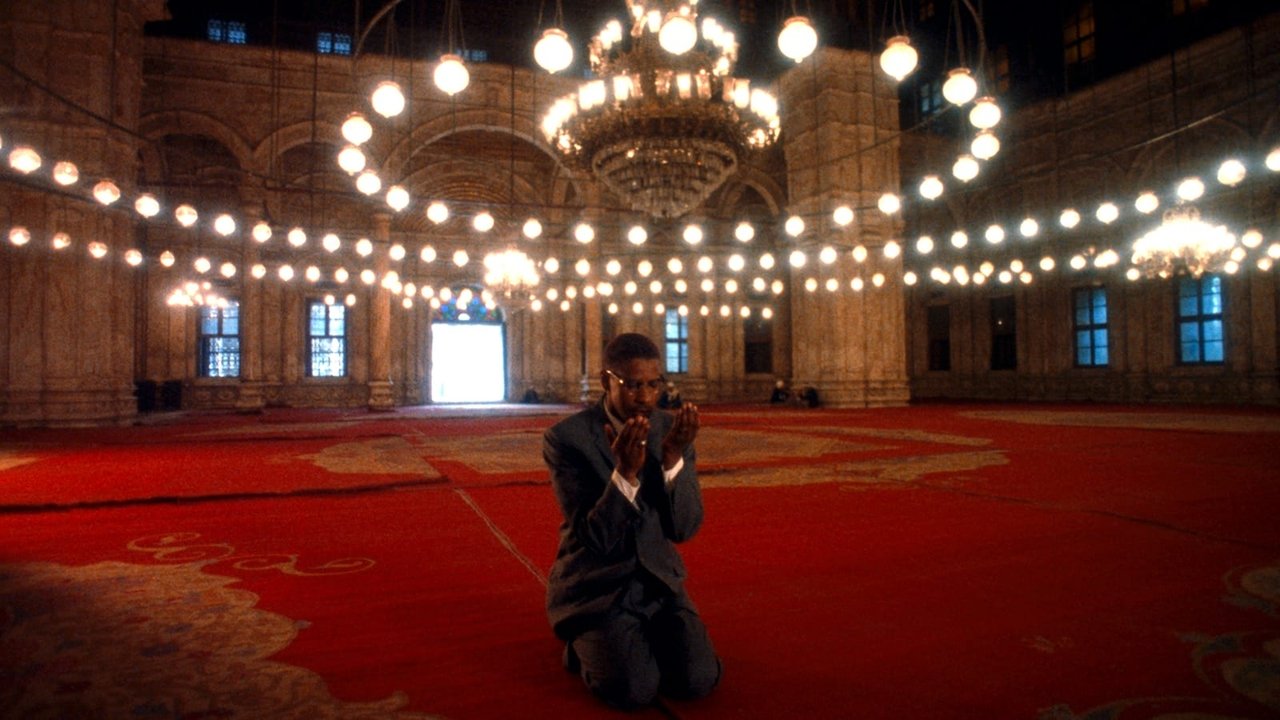
The film wasn't a runaway box office smash (grossing around $48 million domestically), but its cultural impact was undeniable and immediate. It sparked debate, inspired study, and solidified Denzel Washington's place as a leading man of incredible depth. It also cemented Spike Lee's reputation as a filmmaker capable of tackling monumental subjects with artistry and urgency.
Rating: 9.5/10
This near-perfect score reflects the film's ambition, its historical significance, Lee's masterful direction, and Washington's career-defining performance. It’s a powerful, sprawling epic that feels just as relevant and necessary today as it did when we first slid those chunky VHS tapes into our machines. Malcolm X isn't just a film you watch; it's an experience you absorb, leaving you with profound questions about power, belief, and the enduring fight for equality. It remains a towering achievement in American cinema.