Here’s a trip back to the dusty shelves of the video store, past the action heroes and horror icons, to a Western that wasn't quite like the others. Remember pulling that distinctive VHS box off the shelf, the one promising sharpshooting heroics under a vast, unfamiliar sky? 1990's Quigley Down Under might not have reinvented the wagon wheel, but it delivered a satisfying adventure yarn with a truly unique setting and one of cinema’s most memorable firearms. It felt like a grand, old-fashioned tale beamed onto our screens, but with a fascinating twist – the frontier wasn't the American West, but the stark, beautiful, and dangerous plains of Australia.

### Not Your Average Cowboy
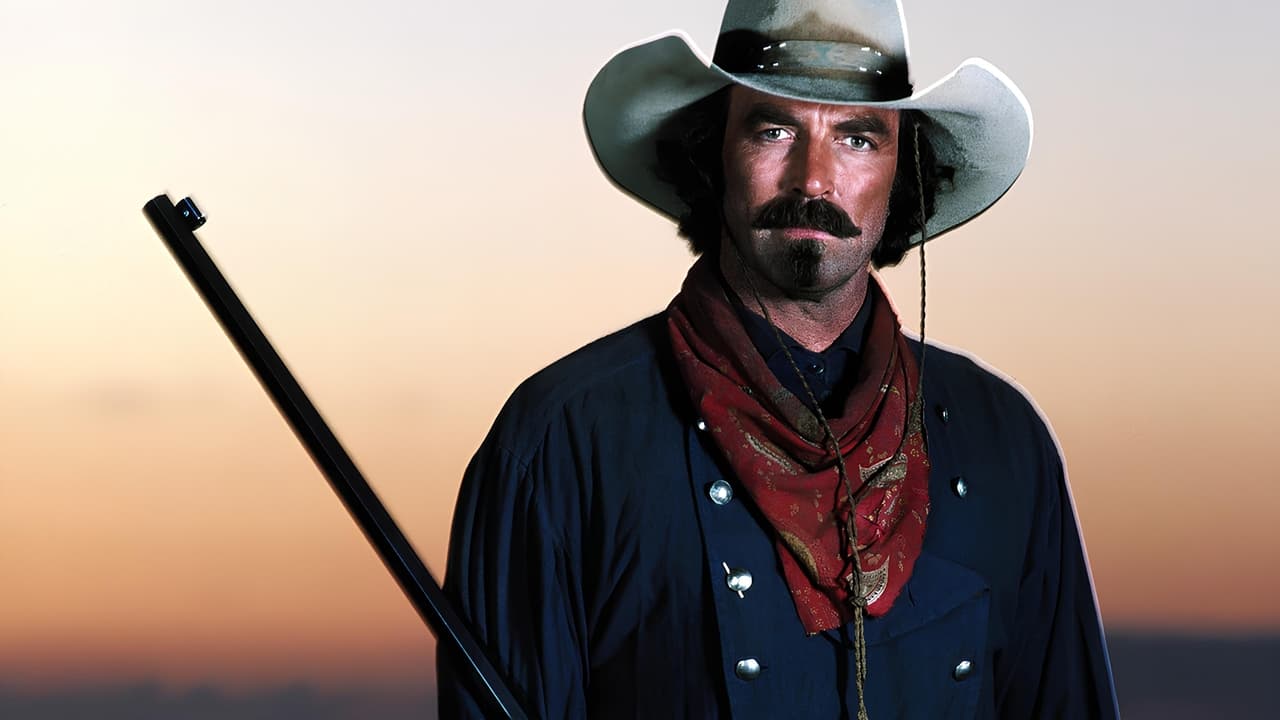
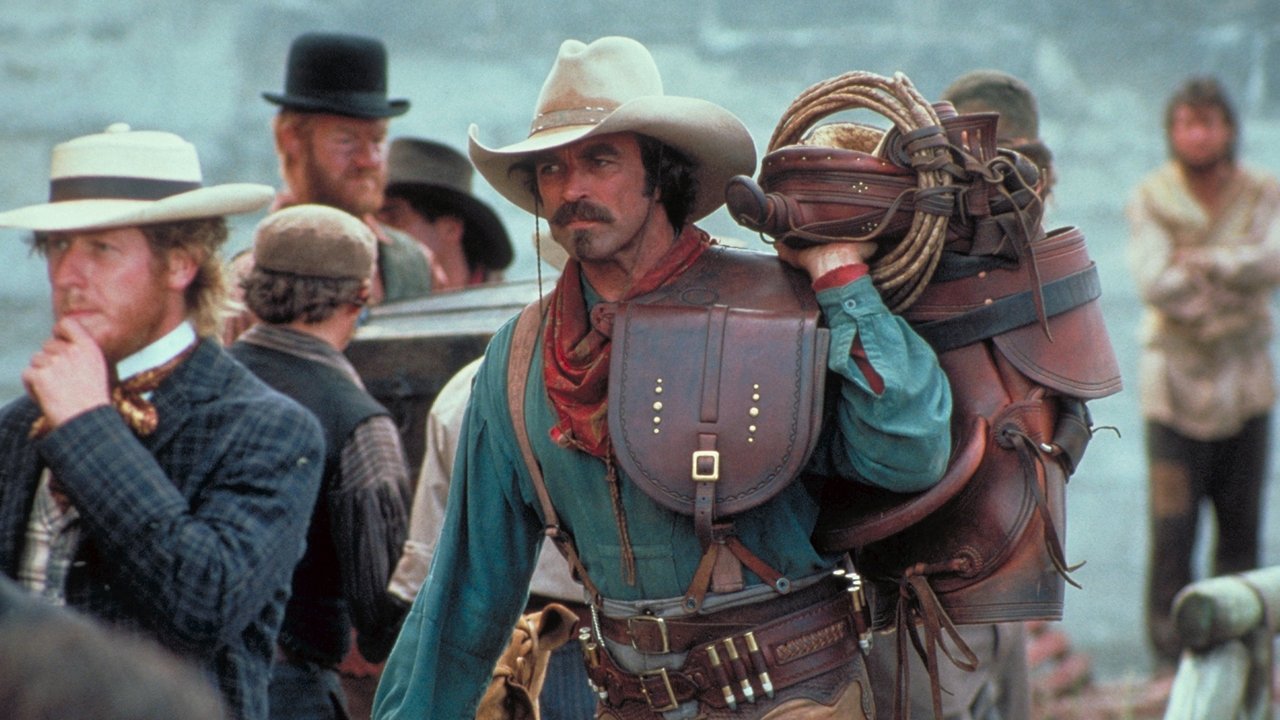
The premise is simple yet effective: Matthew Quigley, played with effortless charm and stoicism by the legendary Tom Selleck, is an American marksman renowned for his almost preternatural skill with a custom Sharps rifle. Lured halfway across the world by a lucrative job offer from wealthy landowner Elliot Marston (Alan Rickman), Quigley arrives in Western Australia expecting to use his talents for hunting dingoes. The reality, however, is far darker. Marston’s true target is the local Aboriginal population, and Quigley, a man of firm principles despite his rugged exterior, wants no part of it. His refusal sets him against Marston and his men, leaving him stranded in the unforgiving outback with only his wits, his incredible rifle, and an eccentric American woman named Cora (Laura San Giacomo) who’s more than a little unstable after her own tragic past.
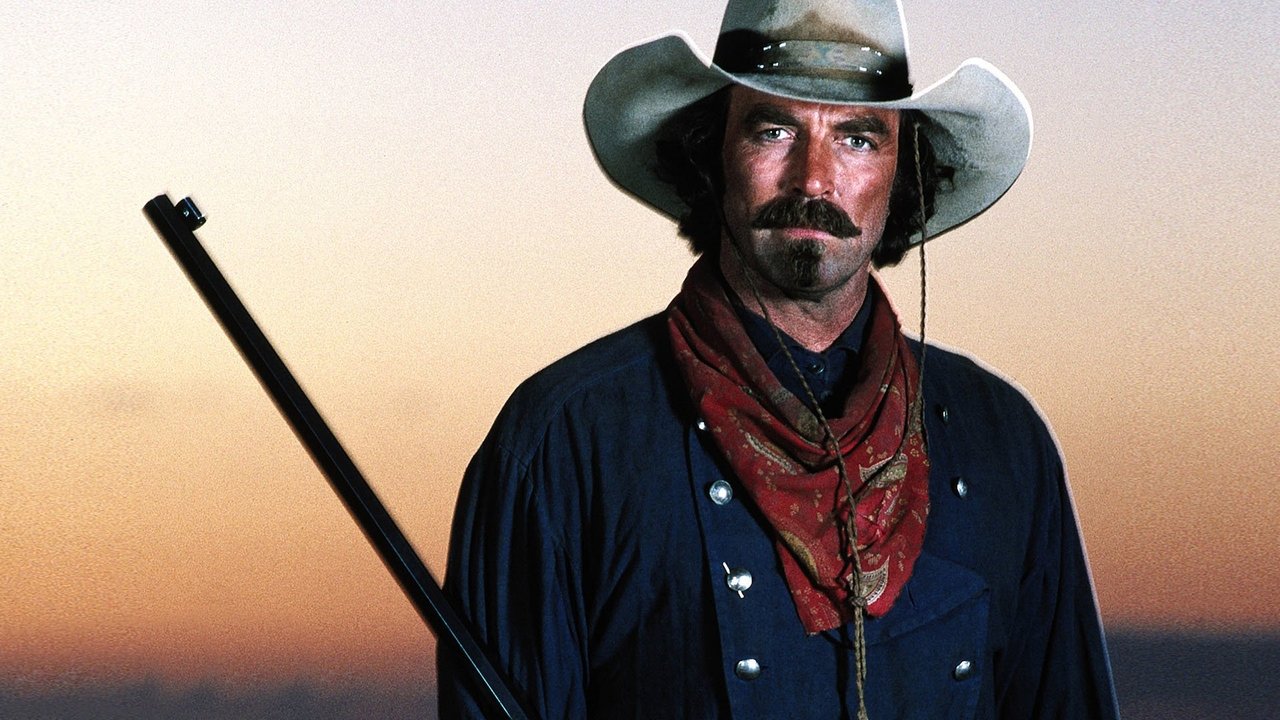
Selleck is Quigley. It's hard to imagine anyone else in the role, which makes sense considering he was attached to the project for years, patiently waiting for it to get made after the script by John Hill (originally penned way back in the 70s with Steve McQueen in mind!) finally found its moment. Fresh off his iconic run as TV's Magnum P.I., Selleck brought that established screen presence – the quiet confidence, the integrity, the hint of wry humor – to the character. You absolutely believe him as a man who can hit a bucket at nigh-on impossible distances. He even learned some impressive trick shooting for the part!
### A Villain Cut from Different Cloth
And what's a hero without a hissable villain? Alan Rickman, just two years after his unforgettable turn as Hans Gruber in Die Hard (1988), delivers another masterclass in cultured menace. Marston isn't a grimy outlaw; he's sophisticated, arrogant, and utterly ruthless, cloaking his genocidal ambitions in the guise of colonial progress. Rickman plays him with a chilling precision, making his eventual comeuppance all the more satisfying. Fun fact: Rickman was reportedly quite uncomfortable around horses, a challenge he clearly overcame with sheer acting prowess on screen. Adding a layer of quirky energy is Laura San Giacomo, hot off her breakout role in Steven Soderbergh's sex, lies, and videotape (1989). Her "Crazy Cora" is unpredictable and vulnerable, providing both comic relief and poignant moments as her backstory unfolds.
### That Magnificent Rifle
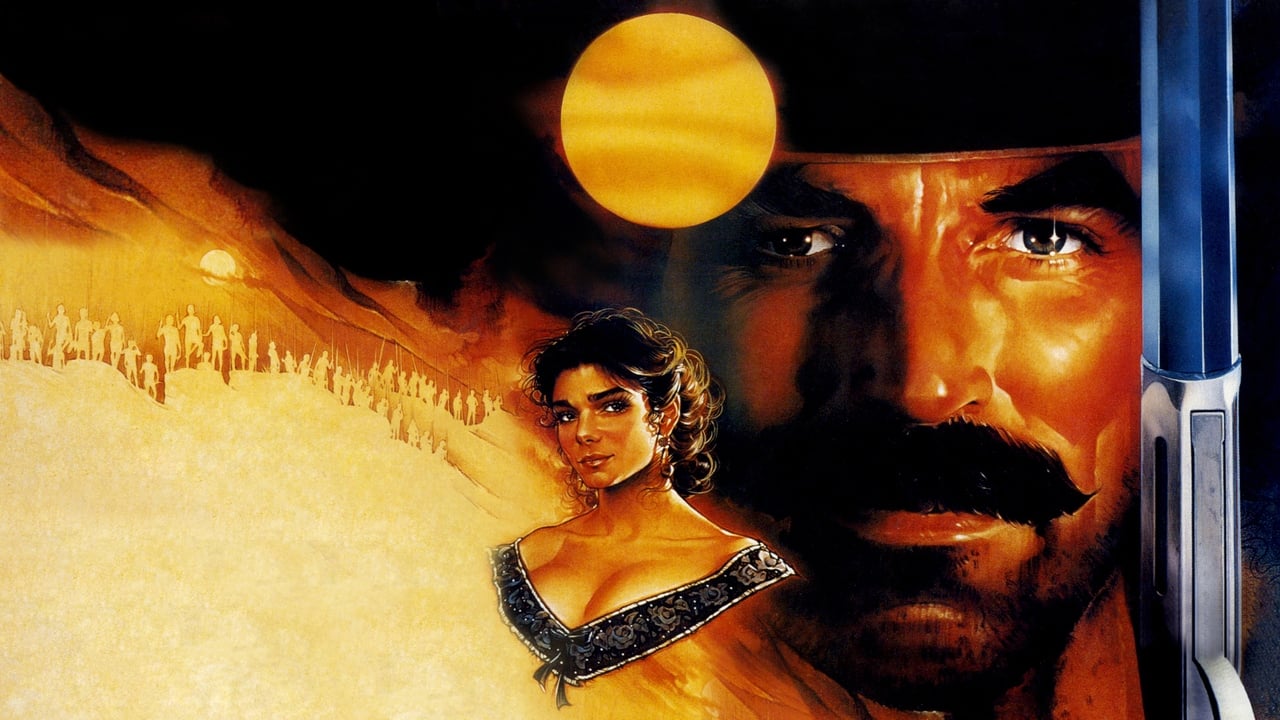
Let's be honest, though – one of the biggest stars of the film is Quigley's rifle. That beautiful, custom-modified 1874 Sharps Buffalo Rifle, chambered in .45-110 caliber, is practically a character in its own right. The film makes sure we understand just how special it is, showcasing its incredible range and power. Remember Quigley’s famous line when offered a pistol? "This is an old friend. I'd feel naked without it." You believed him. The specific rifle props were custom-built for the movie, becoming instantly iconic among firearm enthusiasts and movie fans alike. The satisfying thwack of that rifle finding its mark, even from distances that seemed impossible on our old tube TVs, was pure cinematic thrill.
### Aussie Vistas and Retro Fun Facts
Director Simon Wincer, an Australian native with a knack for capturing rugged landscapes and period detail (he’d previously helmed parts of the acclaimed miniseries Lonesome Dove and the Aussie war film The Lighthorsemen), uses the vast Australian outback to stunning effect. Shot on location near Alice Springs by cinematographer David Eggby (who also lensed the original Mad Max!), the film feels authentic, the landscapes both beautiful and brutally indifferent. The sweeping, adventurous score by the great Basil Poledouris (Conan the Barbarian, RoboCop) perfectly complements the visuals, hitting all the right heroic and emotional notes.
Bringing this trans-Pacific Western to life cost around $20 million back in 1990. While its initial US box office take of roughly $21.4 million wasn't exactly blockbuster territory, Quigley Down Under found a passionate and enduring audience on home video. It became one of those reliable rentals, a tape passed between friends, its reputation growing steadily over the years into certified cult classic status. It tackled serious themes like racism and colonialism with a fairly straightforward, good-versus-evil approach typical of the era, but its willingness to confront that dark aspect of Australian history gave it a bit more substance than your average shoot-'em-up.
### The Verdict
Quigley Down Under is a thoroughly enjoyable adventure film that holds up remarkably well. It’s a fish-out-of-water story, a classic Western morality play, and a showcase for its charismatic leads, all set against a backdrop rarely seen in the genre. The action is well-staged, the story is engaging (if perhaps a touch predictable), and the central performances are pitch-perfect. It’s a film that knows exactly what it wants to be and delivers with confidence and style. It might not be the most complex Western ever made, but its heart is in the right place, and its aim is true.
Rating: 8/10 - This score reflects the film's strong performances (especially Selleck and Rickman), its unique and beautifully captured setting, the iconic status of Quigley's rifle, and its overall effectiveness as a satisfying, old-school adventure. It earns its points for being a highly entertaining and well-crafted film that successfully transplanted Western tropes to a fresh locale, becoming a beloved cult favorite in the process, even if the plot follows familiar beats.
For pure, unadulterated sharpshooting adventure with a conscience, Quigley Down Under remains a bullseye on the VHS Heaven shelf. A true gem from Down Under, indeed.