There’s a peculiar chill that lingers long after reading Edgar Allan Poe – a damp, earthy dread that clings to the soul, whispering of premature burials and unseen terrors lurking just beyond the veil. Capturing that specific, suffocating atmosphere on film is a challenge few would dare undertake. Yet, in 1990, two undisputed titans of terror, George A. Romero and Dario Argento, decided not just to glance into that abyss, but to stare directly into it, each offering their own interpretation of Poe’s macabre universe in the anthology film Two Evil Eyes (also known as Due occhi diabolici). Finding this tape on the rental shelf back in the day felt like uncovering forbidden knowledge, a promise of sophisticated, adult dread from two names synonymous with boundary-pushing horror.
### Romero Gazes Upon Valdemar
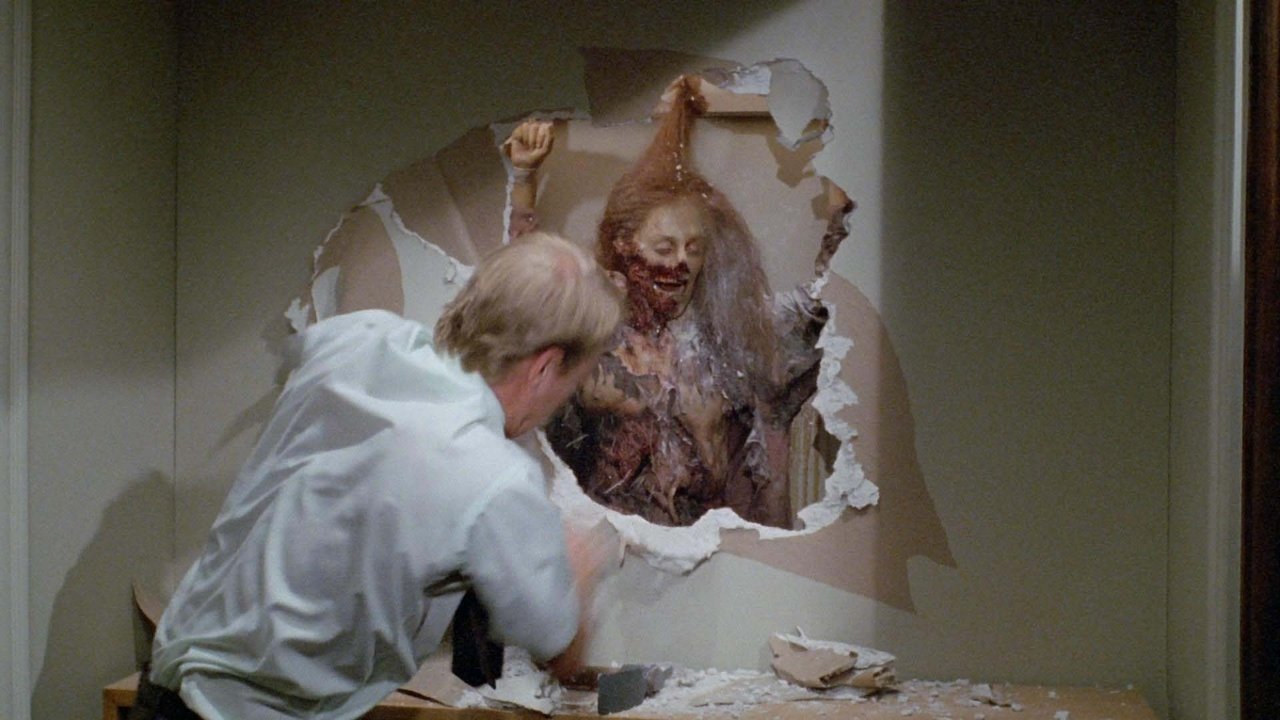
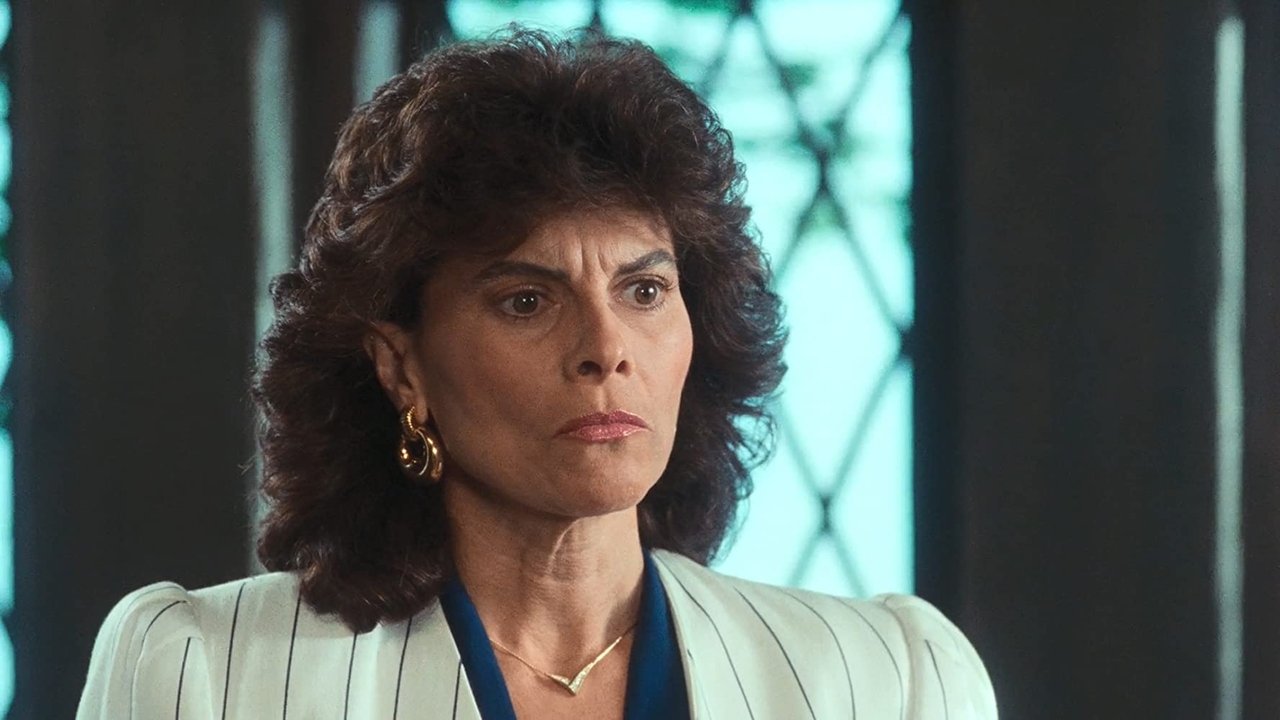
The film splits neatly down the middle, offering two distinct featurettes. First up is George A. Romero, the maestro of the zombie apocalypse (Night of the Living Dead (1968), Dawn of the Dead (1978)), tackling "The Facts in the Case of M. Valdemar." Romero trades his usual societal collapse commentary for a more intimate, gothic chamber piece. The story centers on Jessica Valdemar (Adrienne Barbeau, a welcome face returning to the Romero fold after Creepshow), her much younger lover Dr. Robert Hoffman (Ramy Zada), and her dying, immensely wealthy husband Ernest Valdemar (Bingo O'Malley). Hoffman, a hypnotist, conspires with Jessica to place Ernest under hypnosis just before death, hoping to secure his fortune through post-mortem suggestion.
What follows is pure, slow-burn dread. Romero expertly builds tension within the confines of Valdemar's opulent but decaying mansion. The air feels thick with greed and impatience, punctuated by the unsettling rasp of the dying man’s breath. Barbeau is terrific as the manipulative Jessica, simmering with avarice beneath a veneer of concern. The pacing is deliberate, almost suffocating, drawing you into the conspirators' morbid scheme. Romero, perhaps surprisingly for some, leans heavily into the psychological horror here, saving the visceral punch for the climax. And what a punch it is. Legendary effects wizard Tom Savini, a frequent Romero collaborator, delivers some truly stomach-churning practical work as Valdemar lingers unnaturally between life and death, his body becoming a grotesque vessel for something… else. Savini, known for his realistic gore, reportedly found creating the spectral, otherworldly elements of Valdemar's state particularly challenging, pushing his craft into new territory beyond mere blood and guts. The final moments are pure, unadulterated nightmare fuel, the kind that stuck with you long after the VCR clicked off. Doesn't that final reveal still feel incredibly unsettling?
### Argento Unleashes the Black Cat
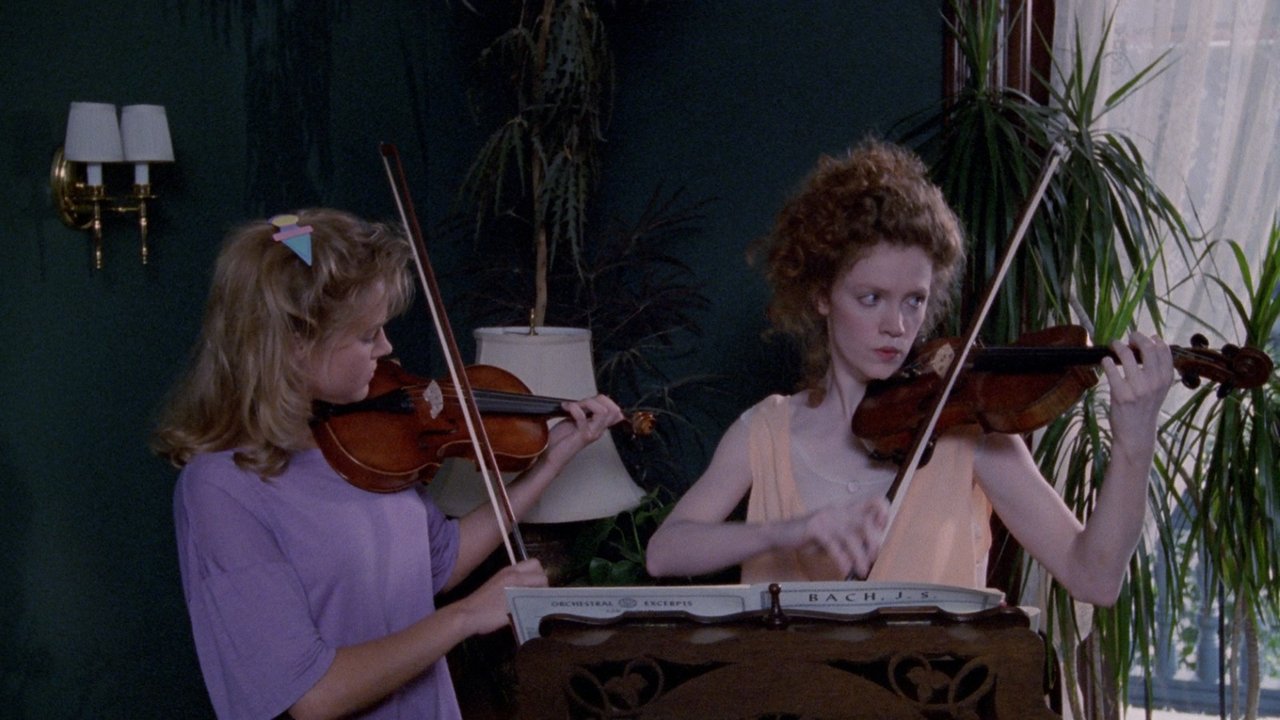
Then, the mood shifts dramatically. Dario Argento, the Italian master of Giallo and surreal horror (Suspiria (1977), Deep Red (1975)), takes the reins for "The Black Cat," and it's immediately apparent we're in a different, far more frantic headspace. Harvey Keitel stars as Roderick Usher (a nod to another Poe tale), a volatile crime scene photographer whose life spirals into alcohol-fueled madness, centered around his girlfriend Annabel's (Madeleine Potter) titular feline companion.
Where Romero's segment felt like classic gothic horror, Argento's is a fever dream drenched in lurid colours, extreme close-ups, and operatic violence. Keitel, known for his fearless intensity in films like Bad Lieutenant (1992), gives a performance that’s utterly unhinged, charting Usher's descent with terrifying conviction. Argento uses Usher's profession cleverly, contrasting gruesome crime scene Polaroids with the escalating horror in Usher's own life. This segment isn't just an adaptation of "The Black Cat"; Argento weaves in elements from other Poe stories, most notably "The Pit and the Pendulum," creating a bizarre, hallucinatory collage of Poe's obsessions. The practical effects here are gruesome and plentiful, typical of Argento's willingness to push boundaries, especially in the film's notoriously grisly sequences. There's even a fun cameo from Tom Atkins (Halloween III: Season of the Witch (1982), Night of the Creeps (1986)), linking back to Romero's stable of actors via Creepshow. Argento reportedly faced the classic filmmaker's challenge: getting the feline actors to cooperate, leading to creative solutions and perhaps contributing to the film's chaotic energy.

### Two Visions, One Tape
Watching Two Evil Eyes feels like experiencing a horror double feature curated by the directors themselves. The transition can be jarring; Romero’s controlled, atmospheric dread gives way to Argento’s hyper-stylized, almost baroque frenzy. Originally, the project was conceived with potentially four directors (rumours included Wes Craven and John Carpenter at various points), but budget constraints and creative differences ultimately resulted in this potent pairing. While Romero’s segment feels perhaps more faithful to Poe’s tone, Argento’s is undeniably the more visually dynamic and viscerally shocking half.
This contrast is part of the film's unique charm, especially viewed through the lens of VHS nostalgia. Anthologies were a staple of the era, and this one felt particularly special, offering two distinct flavours of horror from masters of the craft. It wasn't a massive box office hit, particularly in the US where its release was somewhat scattered, contributing to its current cult classic status. Made for around $9 million, it didn't recoup that cost theatrically Stateside, making it more of a treasured find for dedicated horror hounds scouring video store shelves.
### Lasting Dread?
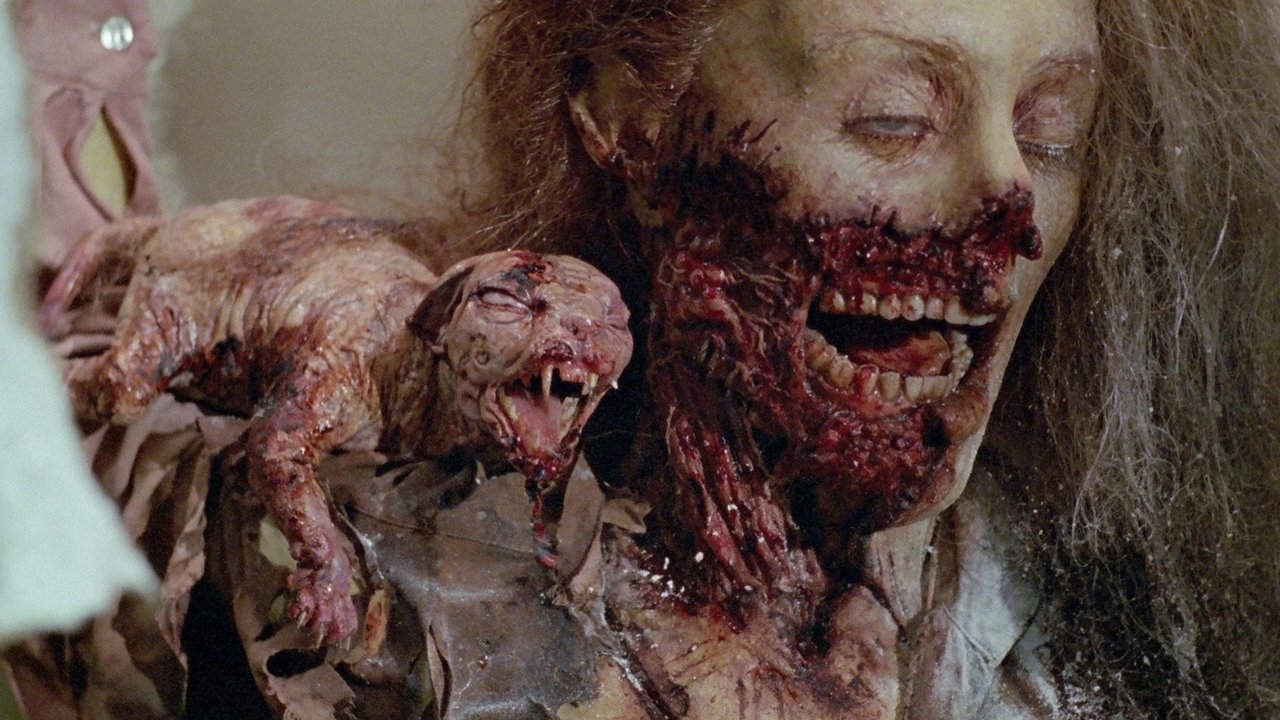
Does Two Evil Eyes hold up? Absolutely, though perhaps unevenly. Romero’s segment remains a chilling exercise in sustained tension with a knockout finale, while Argento’s is a wild, Giallo-infused ride powered by a fearless Keitel performance. The practical effects in both still impress, possessing that tangible quality often missing in modern CGI. It’s a fascinating snapshot of two horror legends interpreting a third, offering a double dose of darkness that perfectly suited those late-night viewing sessions, bathed in the glow of a flickering CRT.
Rating: 7/10
The rating reflects a strong, often brilliant, but ultimately bifurcated experience. Romero's segment is a near-perfect slice of gothic dread (an 8 or 9 on its own), while Argento's, though visually striking and impactful, is a more chaotic and arguably less focused affair (maybe a 6 or 7). As a package, it's essential viewing for fans of either director or anyone craving a hit of intelligent, adult-oriented 90s horror with top-tier practical effects. It's a film that respects its legendary source material while allowing its creators' distinct, and indeed evil, eyes to shape the terror.