Okay, settle in, maybe grab a drink – something stronger than a Hi-C Ecto Cooler this time. We’re pulling a tape off the shelf that might surprise you if you only remember Goldie Hawn from her infectious laugh in films like Private Benjamin (1980) or Overboard (1987). Tonight, we’re revisiting the 1991 thriller Deceived, a film that asks a chilling question: how well can you truly know the person sleeping beside you? It plunges its star, and us, into a polished world where the varnish cracks to reveal something deeply unsettling underneath.
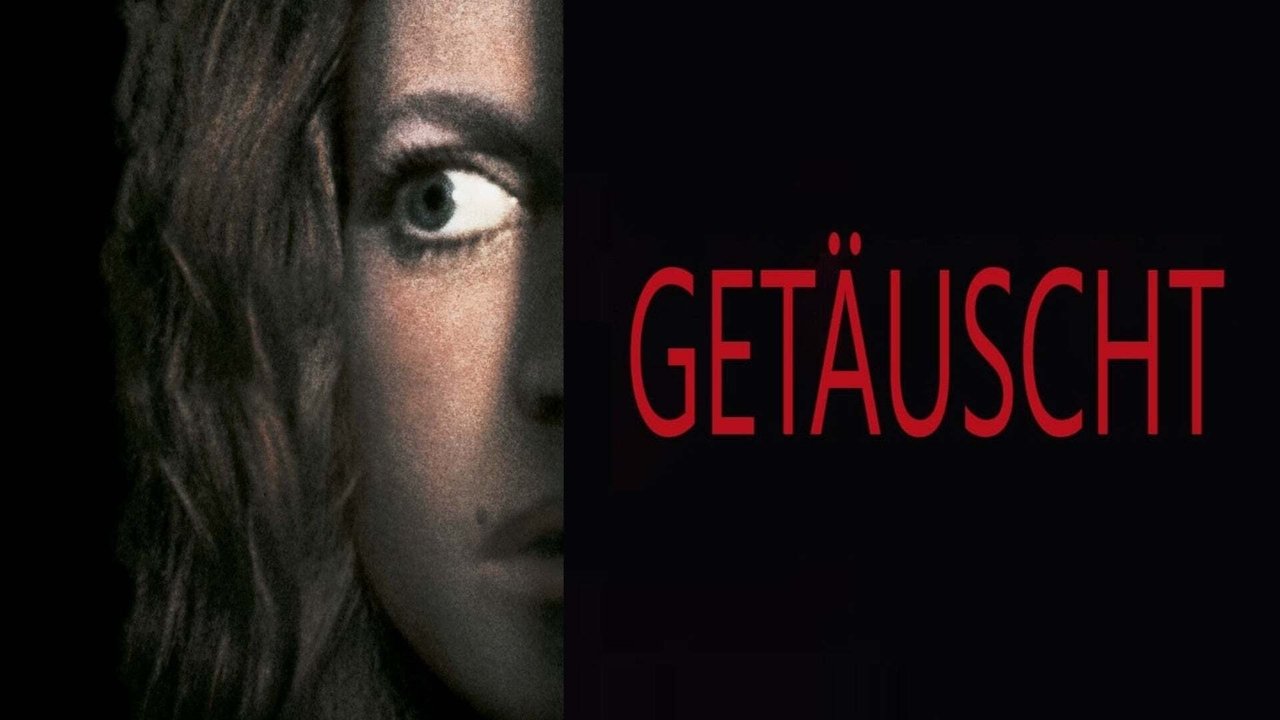
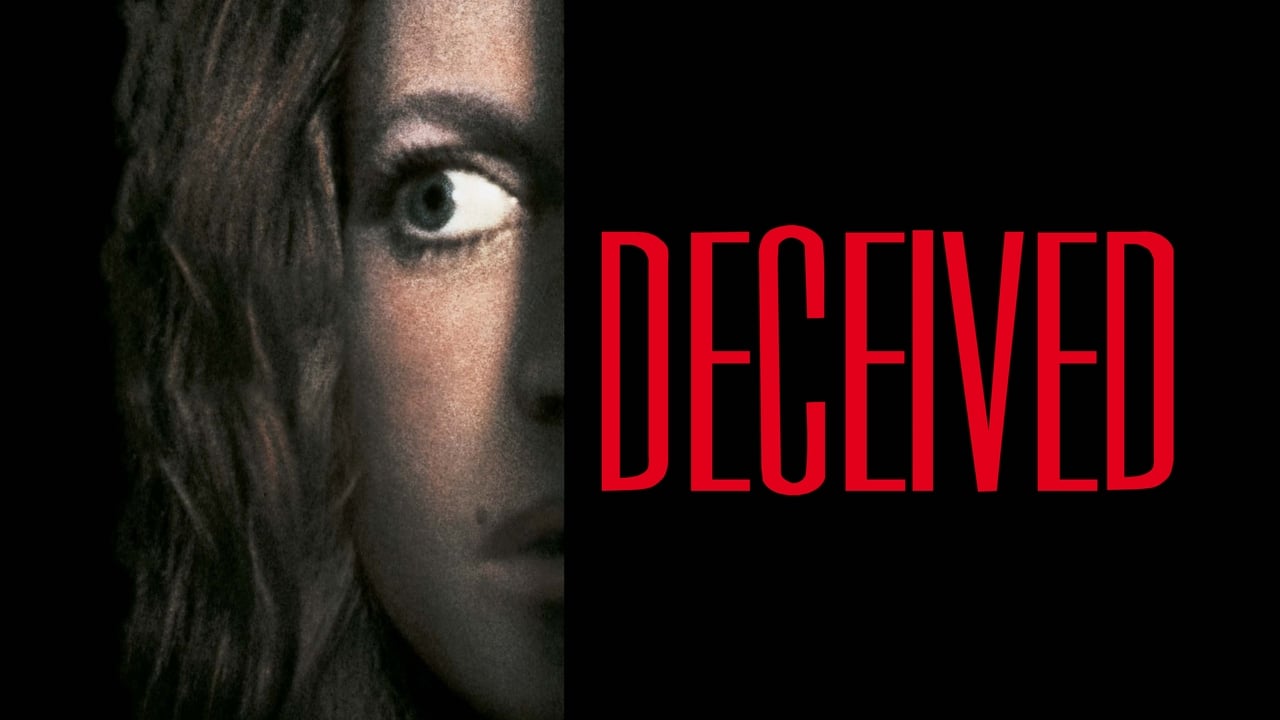
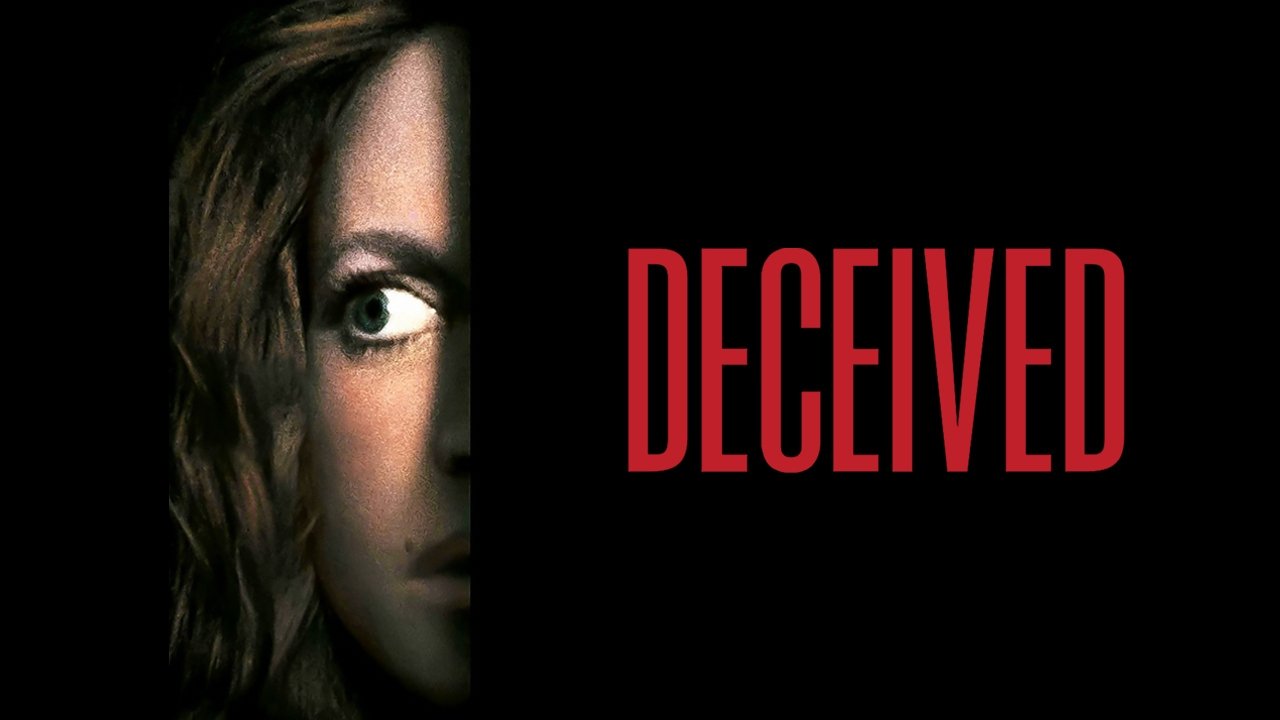
I recall seeing this one on the ‘New Releases’ wall at the local video store, the cover art hinting at something darker than Hawn’s usual fare. It stood out. Could America’s sweetheart convincingly navigate a Hitchcockian web of lies and danger? That was the hook, and honestly, it’s still the most fascinating aspect of Deceived.
Beneath the Perfect Surface
The setup is classic domestic thriller territory, a subgenre that absolutely flourished in the late 80s and early 90s. Adrienne Saunders (Goldie Hawn) lives a seemingly idyllic life in New York City. She’s a successful art restorer, married to the charming and equally successful art dealer Jack Saunders (John Heard), and dotes on their young daughter, Mary (Ashley Peldon). Director Damian Harris (son of the legendary Richard Harris) initially paints their world in warm, affluent tones – cozy apartments, sophisticated galleries, the comfortable rhythm of a happy family.
But pinpricks of doubt begin to surface. A colleague's mysterious death, inconsistencies in Jack’s stories, a growing sense of unease that Adrienne tries to dismiss. John Heard, an actor always adept at conveying complex inner lives (think of his roles in Big (1988) or Home Alone (1990)), is perfectly cast here. He radiates surface charm but allows subtle flickers of something colder, more calculating, to peek through. Is he just stressed, or is there something fundamentally false about him?
Goldie Takes a Dramatic Leap
The film really hinges on Hawn’s performance. Stepping so far outside her comedic wheelhouse was a gamble, and Deceived puts her through the emotional wringer. As Adrienne’s world systematically unravels following a shocking event (no major spoilers here, but it shifts the plot dramatically), Hawn has to carry the weight of grief, confusion, suspicion, and ultimately, terror. Does she pull it off? Mostly, yes. There are moments where her natural effervescence feels slightly at odds with the grim proceedings, but her portrayal of a woman fighting through disbelief and rising fear feels authentic. You see the intelligence behind her eyes working, piecing together fragments of truth from a mosaic of lies. It's a committed performance that anchors the film, even when the plot mechanics sometimes strain credulity. It wasn't a complete critical success for her at the time, but watching it now, you appreciate the effort and the vulnerability she brought.
Unraveling the Mystery (and the Production)
The script, credited to Mary Agnes Donoghue (who penned the tearjerker Beaches (1988)) and Bruce Joel Rubin (fresh off his Oscar win for Ghost (1990), talk about different vibes!), lays out a compelling central mystery involving stolen identities, art forgery, and potential murder. It taps into that primal fear of betrayal by the person you trust most implicitly. Apparently, the script went through several hands, which might explain why some plot points feel a little convoluted or conveniently resolved later on. Still, the core concept is strong.
Interestingly, despite the star power and the popular genre, Deceived didn't quite ignite the box office, bringing in around $28.7 million domestically against a fairly hefty $30 million budget (that's roughly $64 million earned against $67 million spent in today's money – a clear underperformer). Perhaps audiences weren't quite ready to accept Hawn in such a serious vein, or maybe it got lost amidst other thrillers of the era like Sleeping with the Enemy which came out the same year and was a smash hit.
Harris directs with a steady hand, building suspense effectively in key sequences. There’s a particularly tense scene involving microfilm in a library that uses silence and close-ups to great effect, reminding you of classic paranoid thrillers. The atmosphere, shifting from cozy domesticity to shadowy danger, is well-maintained, aided by the slightly cool, polished look of the cinematography. It doesn't reinvent the wheel, but it knows the conventions of the genre and deploys them competently.
Does it Hold Up on Re-Watch?
Watching Deceived today, it feels very much a product of its time – a solid, well-crafted studio thriller that delivers suspense and a few genuine jolts. It lacks the raw edge or psychological depth of the true classics it emulates, but it’s far from a failure. The central premise remains intriguing, and the performances, particularly Heard's unnerving charm and Hawn's determined vulnerability, keep you invested.
What lingers most, perhaps, is that core question about identity and trust. In an era before the internet made background checks commonplace, the idea of someone completely fabricating their existence felt disturbingly plausible. The film taps into the fear that the comfortable reality we build for ourselves might just be a fragile facade, easily shattered by secrets we never suspected.
Rating: 6/10
This score reflects a film that is competently made, engagingly performed, and features a compelling central hook, especially with Hawn's dramatic turn. However, it's held back slightly by a somewhat predictable plot trajectory in its later stages and doesn't quite reach the heights of the genre's best. It’s a solid B-movie thriller elevated by its star power, making it a worthwhile discovery or revisit for fans of 90s suspense.
Final Thought: Deceived might not be the first title that springs to mind when thinking of Goldie Hawn, but it’s a fascinating detour – a reminder that even the sunniest personas can harbor shadows, and a solid slice of early 90s paranoia that still holds a certain unsettling power when the VCR light glows in a dark room.