What happens when the unthinkable arrives at your doorstep, shattering the carefully constructed facade of a normal life? This isn't just a plot device; it's the chilling question posed by Barbet Schroeder’s 1996 drama, Before and After. Watching it again recently, after pulling the slightly worn tape from my shelf – a familiar ritual for many of us – I was struck not by suspense in the traditional sense, but by the heavy, suffocating weight of parental choice under impossible circumstances. It’s a film that lingers, forcing you to ask: what lines would you cross for your child?
The Crack in the Perfect Picture
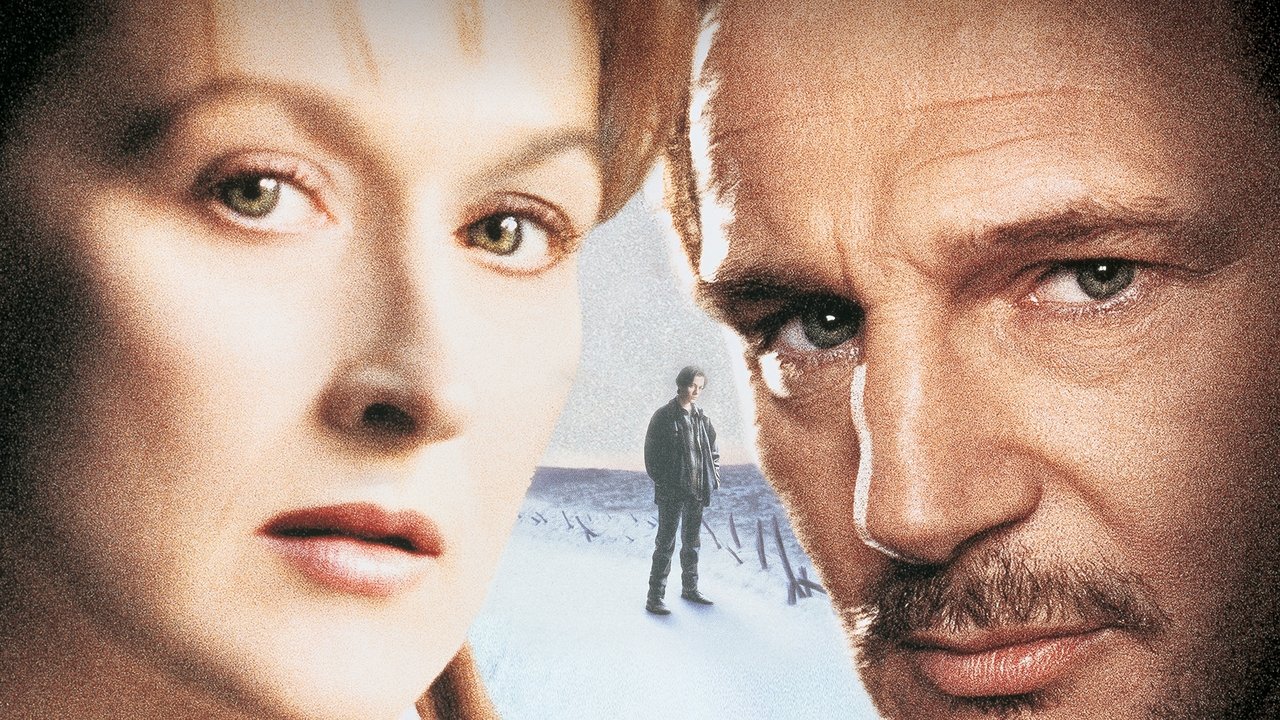
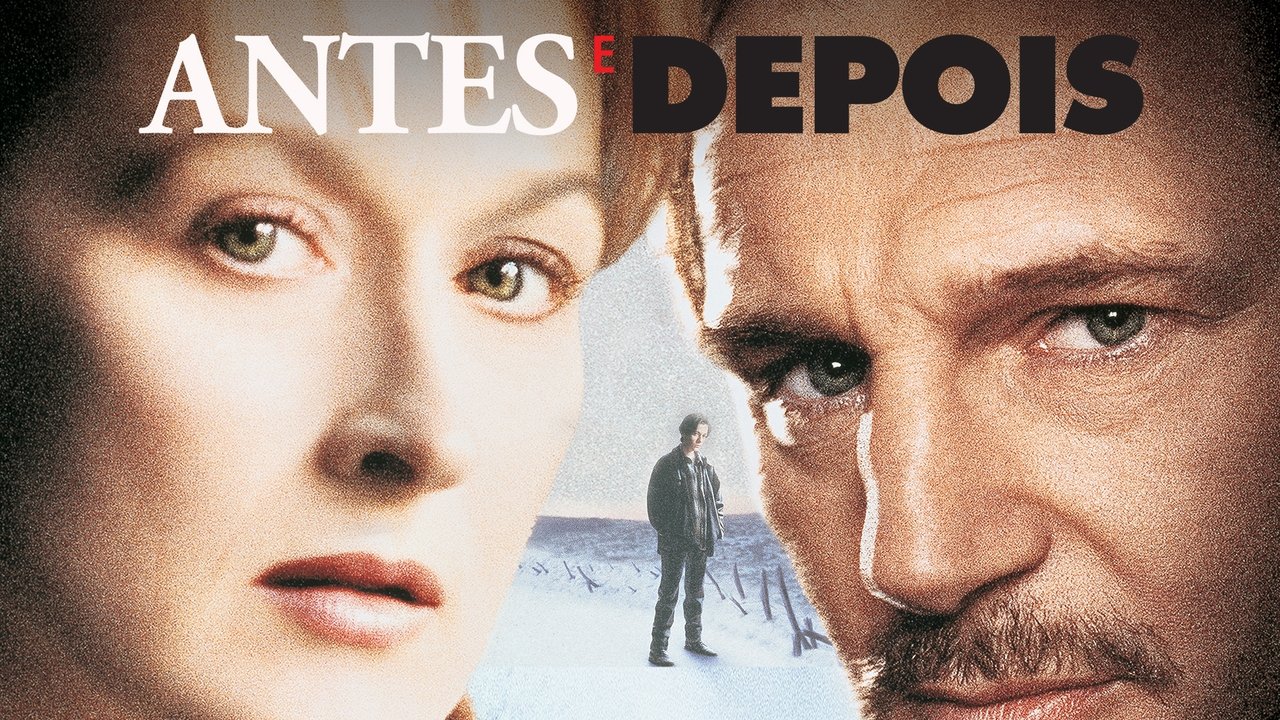
Set against the backdrop of an idyllic, snow-dusted small town in Massachusetts, the film introduces us to the Ryans: Dr. Carolyn Ryan (Meryl Streep), a respected local pediatrician, and her husband Ben (Liam Neeson), a sculptor. They seem to have it all – successful careers, a comfortable home, two children. But this picture-perfect image is fractured irrevocably when their teenage son, Jacob (Edward Furlong), becomes the prime suspect in the brutal murder of his girlfriend. The discovery sends shockwaves through the family and the tight-knit community, peeling back layers of denial and revealing the fault lines beneath their seemingly stable existence.
A House Divided by Truth and Protection
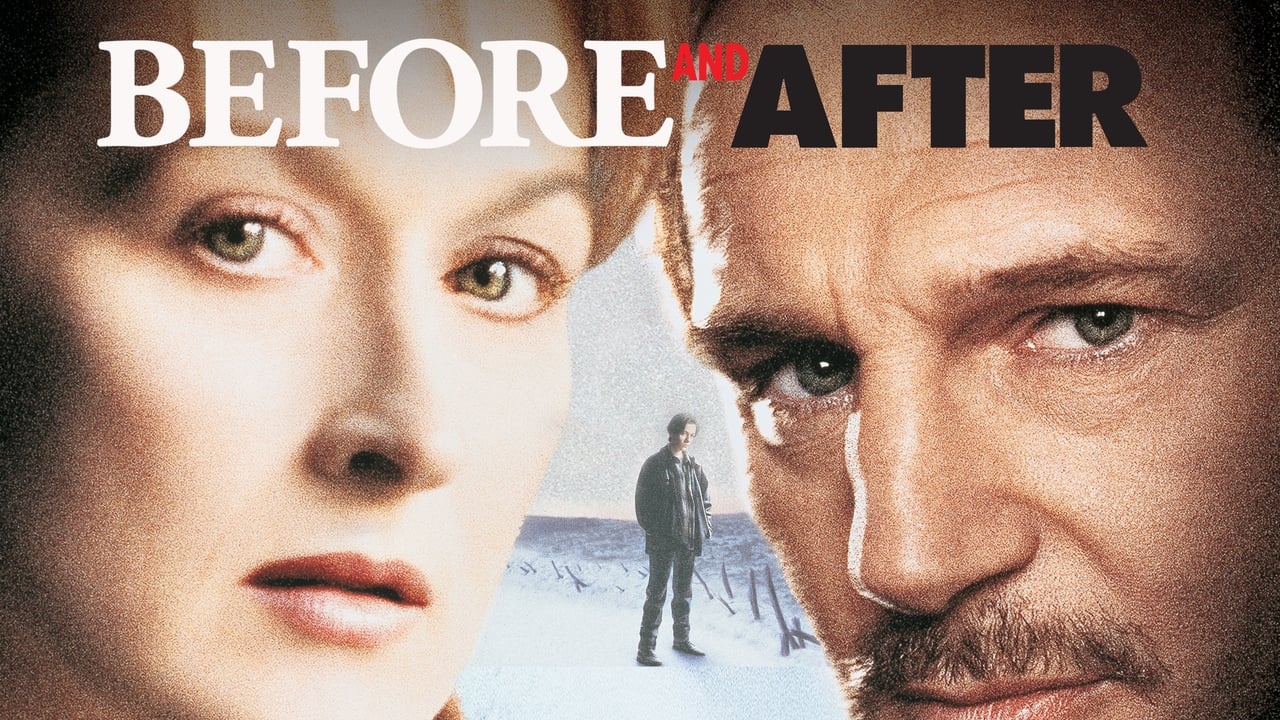
The core of Before and After isn't the whodunit, though that question hangs in the air. Instead, it’s the gut-wrenching moral conflict that erupts between Carolyn and Ben. Streep, ever the master of nuanced emotion, portrays Carolyn as a woman anchored to principle, believing fiercely in the truth and the justice system, however painful the process might be. Her anguish is palpable; you see the conflict warring within her – the doctor committed to uncovering facts versus the mother desperate to believe in her son’s innocence.
Opposite her, Neeson delivers a performance simmering with a raw, protective instinct. Ben is driven by an almost primal urge to shield Jacob, regardless of the potential cost or the truth itself. He advocates for covering up evidence, for constructing a narrative that saves their son, even if it means obstructing justice. Neeson embodies this fierce, perhaps misguided, paternal devotion with a quiet intensity that’s deeply unsettling. Their opposing viewpoints create a chasm within the family home, transforming it into a battleground of whispered arguments and desperate choices. It’s a dynamic many parents might recognize, that instinct to protect colliding with the need for accountability. Doesn't that tension feel frighteningly real?
Navigating Troubled Waters
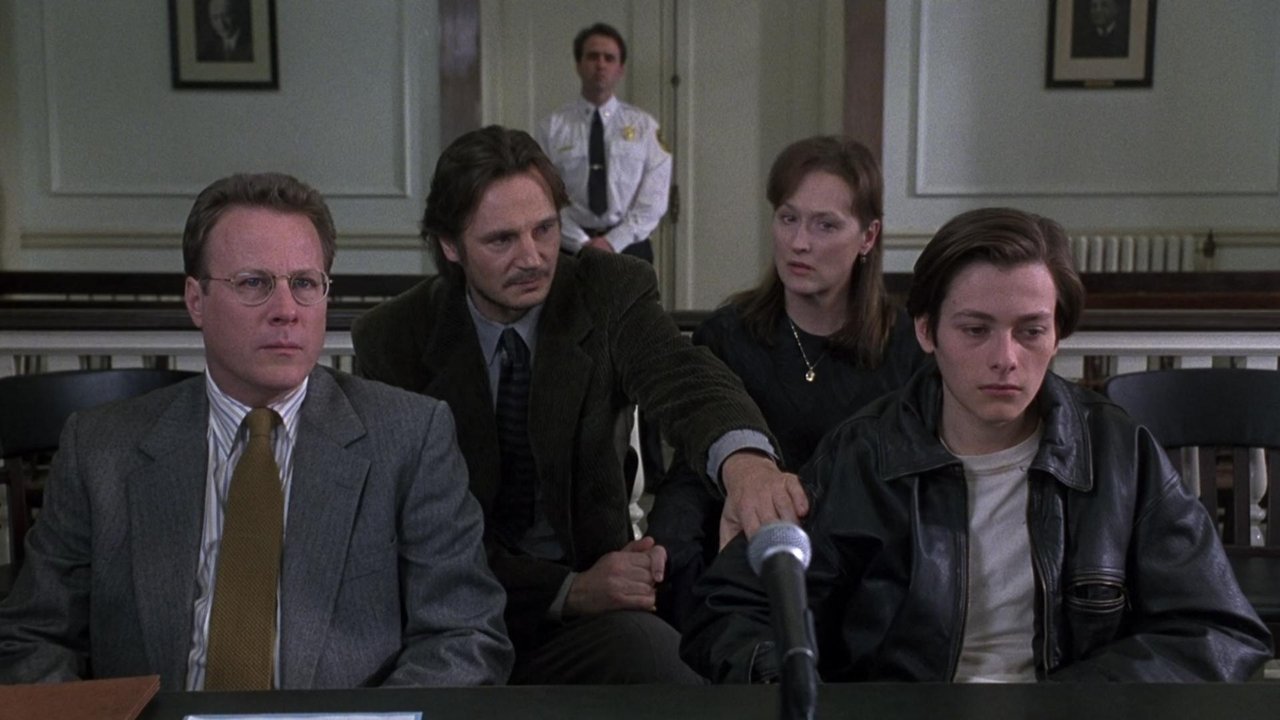
Edward Furlong, still navigating the tricky path after his iconic role in Terminator 2: Judgment Day (1991), portrays Jacob as sullen, withdrawn, and ambiguous. Is he a confused kid caught in a nightmare, or is there something darker lurking beneath? Furlong captures that teenage impenetrability effectively, leaving the audience, like his parents, unsure of what truly happened. His performance is key to maintaining the film's central ambiguity.
Director Barbet Schroeder, who previously explored the moral complexities of the elite in Reversal of Fortune (1990), brings a similar measured, almost clinical detachment here. He avoids sensationalism, opting instead for a somber, deliberate pace. The snowy landscapes often feel isolating rather than picturesque, mirroring the family's own entrapment. The film uses its setting not just as a backdrop, but as a character reflecting the cold realities closing in. This deliberate pacing, while effective in building a certain kind of dread, might have contributed to the film’s somewhat muted reception back in '96. It grossed a modest $8.8 million domestically against a $35 million budget, perhaps proving too heavy or slow for audiences expecting a more conventional thriller, despite its powerhouse cast.
Echoes of the Source and Screen
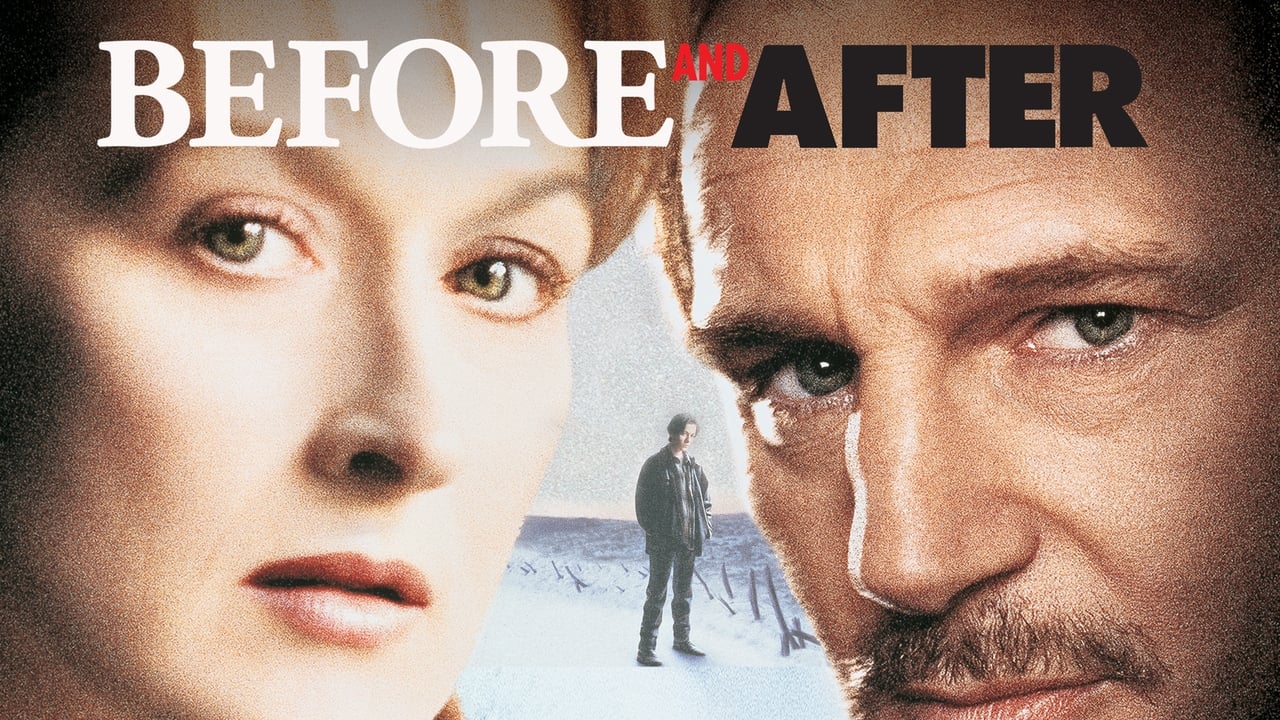
It's worth noting the screenplay was penned by Ted Tally, who masterfully adapted The Silence of the Lambs (1991) just a few years prior. While both films deal with horrific crimes, Before and After, based on the 1992 novel by Rosellen Brown, delves into a different kind of darkness – the internal, familial kind. Tally skillfully translates the novel's focus on the parents' agonizing dilemma to the screen. Reportedly, the adaptation process involved streamlining some of the novel's subplots to keep the focus squarely on the central family crisis, a choice that strengthens the film's emotional core even if it sacrifices some narrative breadth. I remember seeing this on the rental shelf, the serious faces of Streep and Neeson staring out, promising a weighty drama rather than easy answers. It felt like a distinctly 'adult' film choice back then, a departure from the usual action or sci-fi grabs.
The Lingering Question
Before and After isn't a film designed for easy viewing or simple resolution. It’s a character study wrapped in a moral quandary. It forces introspection. What defines parental love? Is it unconditional protection, even at the expense of truth, or is it guiding a child towards responsibility, no matter how devastating the consequences? The film doesn’t offer neat answers, leaving the viewer wrestling with the same impossible choices the Ryans face. The performances are uniformly strong, grounding the potentially melodramatic premise in believable human anguish. While its deliberate pacing might test some viewers, its exploration of parental ethics remains potent and unsettlingly relevant.
Rating: 7/10
This score reflects the film's powerful performances, particularly from Streep and Neeson, and its courageous willingness to tackle profound moral questions without flinching. It avoids easy answers and creates a palpable sense of dread and familial crisis. However, the deliberately slow pace and somber tone might make it a challenging watch for some, and the narrative feels somewhat contained, focusing intensely on the central trio perhaps at the expense of broader context occasionally. It's a solid, thought-provoking drama that earns its emotional weight.
Ultimately, Before and After is a stark reminder that the most terrifying monsters aren’t always external threats, but sometimes the choices we make when faced with protecting the ones we love. What truly stays with you is not the crime, but the haunting silence after the final decision is made.