It begins, as profound changes often do, almost imperceptibly – with the rain, a drab London street, and an advertisement glimpsed in The Times. "To Those Who Appreciate Wisteria and Sunshine. Small mediaeval Italian castle on the shores of the Mediterranean to be let furnished for the month of April." For two unhappily married women suffocating in the post-WWI gloom, this simple notice feels less like an offer and more like a lifeline tossed across a grey sea. Watching Mike Newell’s Enchanted April (1991) again after all these years, that initial spark of desperate hope, beautifully conveyed by Josie Lawrence’s impulsive Lottie Wilkins, still resonates with a quiet, undeniable power. It's a film that whispers rather than shouts, offering an escape not just to its characters, but to the viewer as well.
### From London Fog to Italian Light
The initial scenes masterfully establish the damp, oppressive atmosphere of London life for Lottie and Rose Arbuthnot (Miranda Richardson). Their husbands are distant figures – Lottie’s (Alfred Molina) a pompous solicitor obsessed with mingling with the "important" people, Rose’s (Jim Broadbent) a writer of mildly scandalous biographies who publicly snubs her. Newell, who would later charm audiences worldwide with Four Weddings and a Funeral (1994), demonstrates his skill here in sketching lives hemmed in by duty, disappointment, and unspoken yearning. The colour palette is muted, the interiors shadowed, mirroring the emotional landscape of the women. You can almost feel the chill seep into your bones through the screen, a feeling perhaps even more pronounced on those slightly fuzzy CRT viewings back in the day.
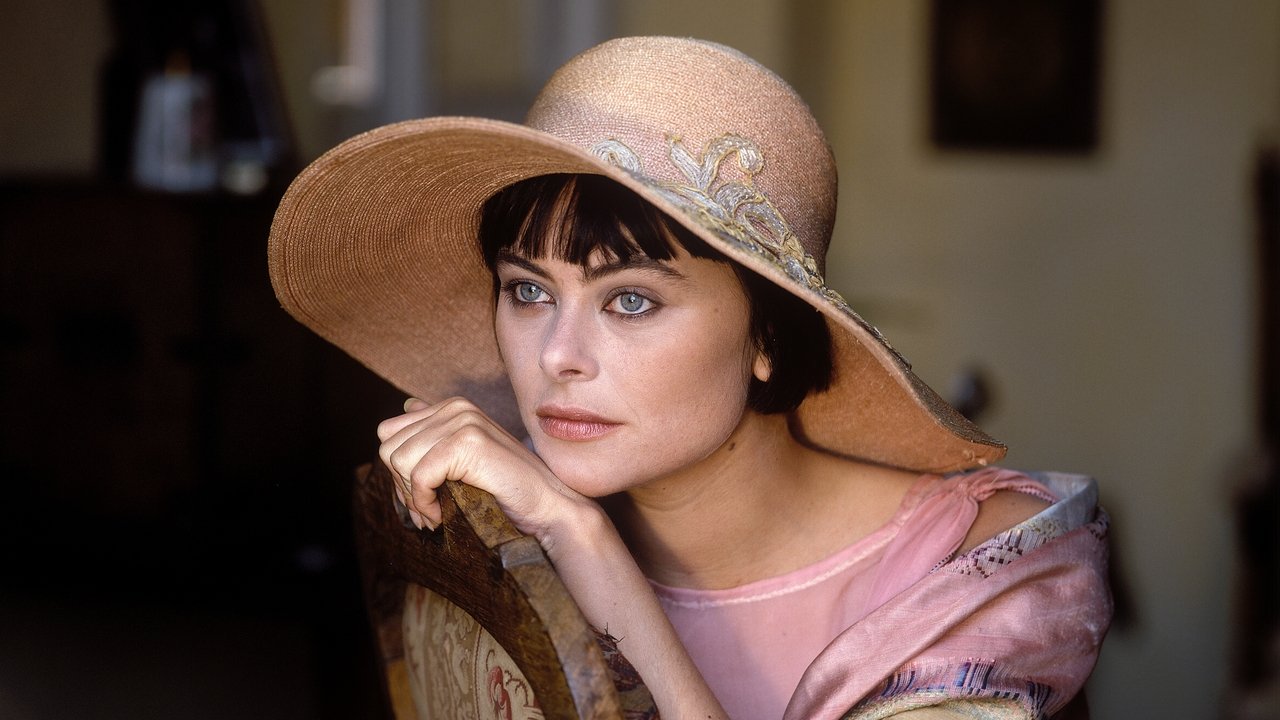
Their audacious decision to pool resources (secretly, of course) and rent the castle, San Salvatore, recruiting the aloof young socialite Lady Caroline Dester (Polly Walker, in a stunning early role) and the formidable, cane-wielding widow Mrs. Fisher (Joan Plowright) to share costs, sets the stage for transformation. The shift when they arrive in Italy is breathtaking. Cinematographer Rex Maidment floods the screen with warmth, vibrant blooms, and the shimmering blue of the Mediterranean. It's more than just a change of scenery; it’s a visual representation of shackles falling away. I remember first seeing this on a rented VHS tape, probably picked up on a whim from the ‘Drama’ section, and being utterly transported by that contrast. It felt like stepping out of a rainy afternoon into sudden, glorious sunshine.
### An Ensemble of Quiet Transformation
What truly elevates Enchanted April is the impeccable ensemble cast. Josie Lawrence, primarily known for comedy in the UK at the time (especially the improv show Whose Line Is It Anyway?), is a revelation as Lottie. She captures the character's initial fluttering nervousness and burgeoning confidence with such heart. You believe entirely in her intuitive leaps and her simple, profound desire for happiness. Miranda Richardson, already a formidable talent, embodies Rose’s tightly wound piety and gradual thawing with exquisite subtlety. Her journey from repressed resentment to rediscovering sensuality and connection is deeply moving.
Polly Walker brings a cool, melancholic beauty to Caroline, a woman weary of the relentless attentions of men, seeking anonymity and finding something more profound. And then there’s Joan Plowright as Mrs. Fisher. Clinging to memories of Victorian literary giants, initially disdainful and isolated, her slow acceptance of companionship and warmth is the film's understated comedic and emotional anchor. Plowright earned a well-deserved Oscar nomination for Best Supporting Actress, perfectly capturing the brittle exterior and the vulnerability beneath. Her pronouncements, delivered with perfect timing, are jewels.
### Behind the Italian Sun
The film itself was something of a quiet miracle. Adapted faithfully by Peter Barnes from Elizabeth von Arnim's beloved 1922 novel, it was filmed on a relatively modest budget (around £2.5 million, or roughly $4-5 million USD then). Much of the magic comes from the authentic location: the stunning Castello Brown in Portofino, Italy, the very villa where von Arnim stayed and which inspired the book. You can feel the history and atmosphere radiating from the screen. This wasn't a set; it was a real place steeped in the kind of beauty the film celebrates.
It became a surprise arthouse hit, particularly in the US, grossing over $13 million domestically and charming critics. Besides Plowright's nomination, it also received Oscar nods for Best Adapted Screenplay and Best Costume Design – testament to its quality craftsmanship. It’s a reminder that sometimes, the most resonant stories are the quietest ones, the ones focused on internal shifts rather than external explosions. It felt like a discovery back then, a word-of-mouth gem passed between friends who appreciated something gentler amidst the action and noise that often dominated the video store shelves. Finding it felt like uncovering a small treasure.
The production wasn't without its challenges; filming on location always brings logistical hurdles. Yet, the finished product feels effortless, serene. Newell directs with a light touch, allowing the performances and the glorious setting to breathe. The score by Richard Rodney Bennett is perfectly attuned to the film's mood, swelling gently with the characters' emotional awakenings.
Enchanted April doesn't offer easy answers or dramatic confrontations. Its conflicts are internal, its resolutions found in shared moments, gentle understandings, and the restorative power of beauty and kindness. It asks us, perhaps, what happens when we dare to step outside the confines of our prescribed lives, even just for a month? What forgotten parts of ourselves might reawaken under a different sky?
Rating: 9/10
This score reflects the film's near-perfect execution of its aims. It's a masterful adaptation, beautifully acted, exquisitely shot, and emotionally resonant without resorting to sentimentality. The performances are uniformly excellent, the pacing is gentle but assured, and the atmosphere is utterly transporting. It might lack the kinetic energy of other early 90s hits, but its quiet power and enduring charm are undeniable, making it a standout gem from the era.
It remains a film that feels like a warm embrace, a reminder of the possibility of change and the quiet revolutions that can happen when we simply allow ourselves space to breathe and bloom. A true tonic for the soul, then and now.