How does a voice become a weapon? It’s a question that hangs heavy in the air long after the static crackle fades on Oliver Stone’s searing 1988 drama, Talk Radio. This film wasn't born from a single spark, but rather a confluence of potent sources: Eric Bogosian's explosive stage play of the same name, and the chilling real-life story of Denver radio host Alan Berg, murdered in 1984 for his confrontational on-air style, chronicled in Stephen Singular’s book Talked to Death. Stone and Bogosian fused these elements, creating a fictional pressure cooker that feels terrifyingly real, a stark portrait of a man dancing on the knife-edge of fame and self-destruction, fueled by the very vitriol he courts.
The Voice in the Night
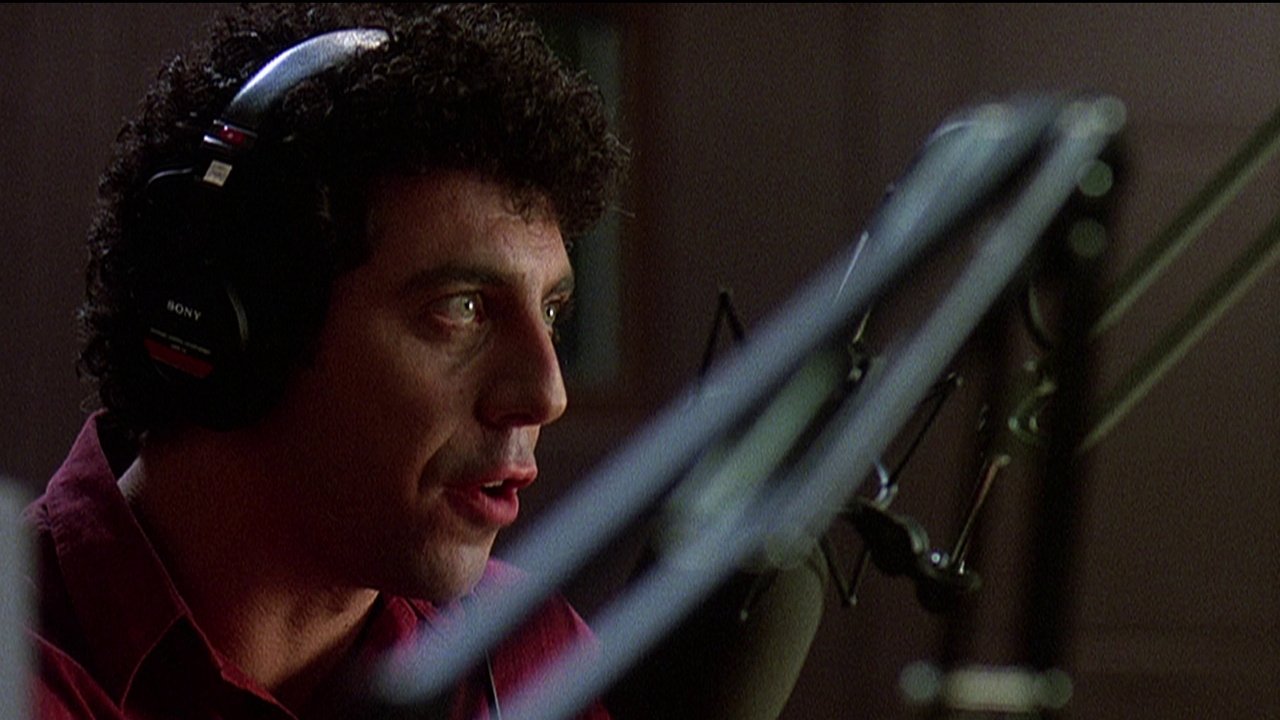
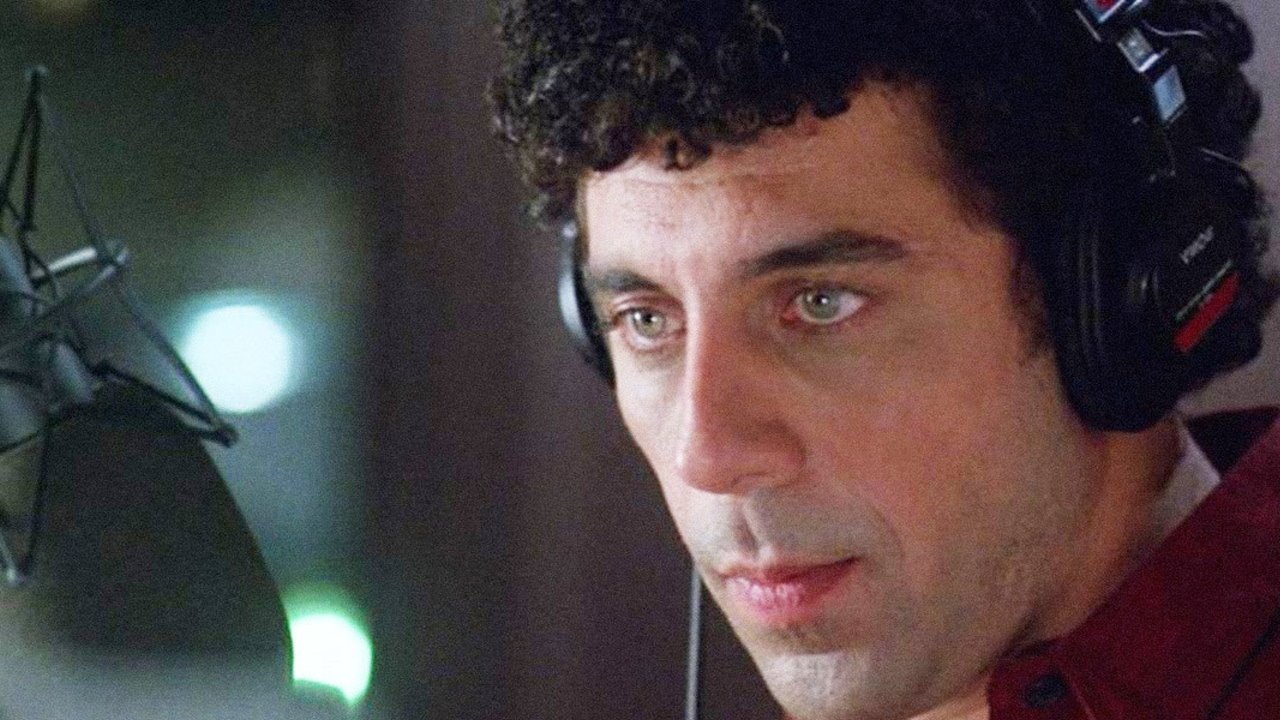
At the heart of the storm is Barry Champlain, portrayed by Eric Bogosian himself in a performance that feels less like acting and more like channeling. Reprising the role he originated Off-Broadway, Bogosian is a force of nature – magnetic, repellent, brilliant, and broken, often all within the same breath. Champlain hosts "Night Talk," a Dallas-based call-in show where he berates, provokes, and occasionally connects with the lonely, the angry, and the disturbed voices dialing in from the darkness. He's a maestro of contempt, wielding his microphone like a scalpel, cutting through callers' prejudices and delusions while simultaneously feeding his own ego and profound insecurity. What makes Bogosian’s portrayal so riveting isn't just the rapid-fire delivery or the intellectual sparring; it's the glimpses of the wounded man beneath the caustic armor. You see the flicker of fear in his eyes, the desperate need for validation even as he pushes everyone away. It’s a performance built on sustained, almost unbearable intensity.
Stone's Claustrophobic Canvas
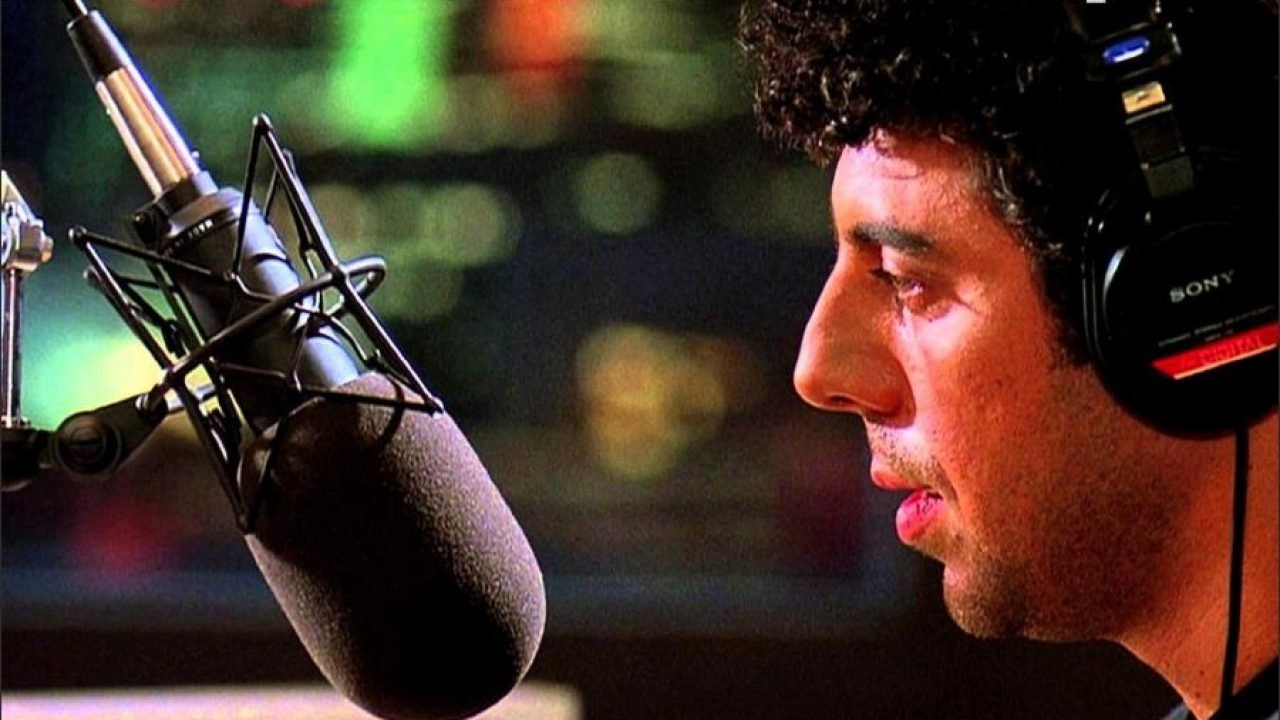
Oliver Stone, fresh off the success of Wall Street and gearing up for Born on the Fourth of July, brought his signature kinetic energy and confrontational style to the project, shooting it quickly and efficiently, mostly within the confines of the KGAB radio station set built in Dallas. This limitation becomes the film's greatest visual strength. Cinematographer Robert Richardson (a frequent Stone collaborator) traps us in the booth with Barry. The tight close-ups, the reflections in the glass, the shadowy figures moving just outside his sanctuary – it all contributes to a palpable sense of claustrophobia. The world outside exists only as disembodied voices crackling through the speakers, a Greek chorus of societal discontent. Stone uses sound design brilliantly; the cacophony of callers, the background hum of the station, the carefully chosen music cues – it all envelops Barry, mirroring his internal chaos. The camera rarely sits still, prowling the small space, matching the nervous energy of its protagonist.
Echoes from the Airwaves: Retro Fun Facts
The making of Talk Radio is as intense as the film itself. Stone’s decision to merge Bogosian's fictional character with the tragic fate of Alan Berg gives the film a chilling resonance. Berg was a liberal host known for his abrasive challenges to callers, particularly white supremacists, one of whom ultimately gunned him down outside his home. While Champlain isn't a direct analogue, the shadow of Berg's murder looms large, adding a layer of genuine menace to the threats Barry receives.
To enhance the authenticity, Stone and his team reportedly employed a fascinating technique for the callers. While many were actors (Michael Wincott delivers a memorably unhinged voice), some were allegedly real people responding to ads or calling into a specially set-up phone line during production, unaware their voices might make it into the film. This blend lends an unsettling rawness to the on-air exchanges. It’s a detail that feels perfectly aligned with the film’s exploration of media manipulation and the blurred lines between entertainment and exploitation.
Interestingly, while Eric Bogosian was Barry Champlain on stage, translating that raw theatrical energy to the more intimate medium of film required subtle calibration. Stone worked with him to internalize some of the fury, letting the camera capture the simmering tension rather than relying solely on outward projection. The result is mesmerizing, a performance that feels both volcanic and tightly controlled. And despite critical acclaim, particularly for Bogosian, the film wasn't a major box office smash – perhaps its unflinching darkness was too much for mainstream audiences at the time. It grossed around $3.4 million against a reported $4 million budget, finding its true audience, like so many cult classics, on home video.
More Than Just Talk
Beyond the central performance and Stone's direction, the film asks probing questions that feel even more relevant in today's hyper-connected, often toxic digital landscape. What responsibility does the media personality have for the anger they stir up? Where is the line between provocative discourse and dangerous incitement? Barry thrives on confrontation, believing he’s holding up a mirror to society's ugliness, but is he merely amplifying it for ratings? The supporting cast, including Ellen Greene as Barry’s weary ex-wife and producer Ellen, and Leslie Hope as his pragmatic station manager Laura, serve as anchors to reality, trying to navigate Barry’s increasingly erratic behavior as his show teeters on the brink of national syndication – the ultimate prize that might also be his undoing. Their reactions highlight the collateral damage of Barry's on-air persona.
The film doesn't offer easy answers. It presents Barry as a complex, contradictory figure – part truth-teller, part self-destructive narcissist. We're forced to confront our own potential complicity as listeners, as consumers of media that often prioritizes conflict over connection. Doesn't the relentless pursuit of engagement, even negative engagement, echo challenges we face constantly online today?
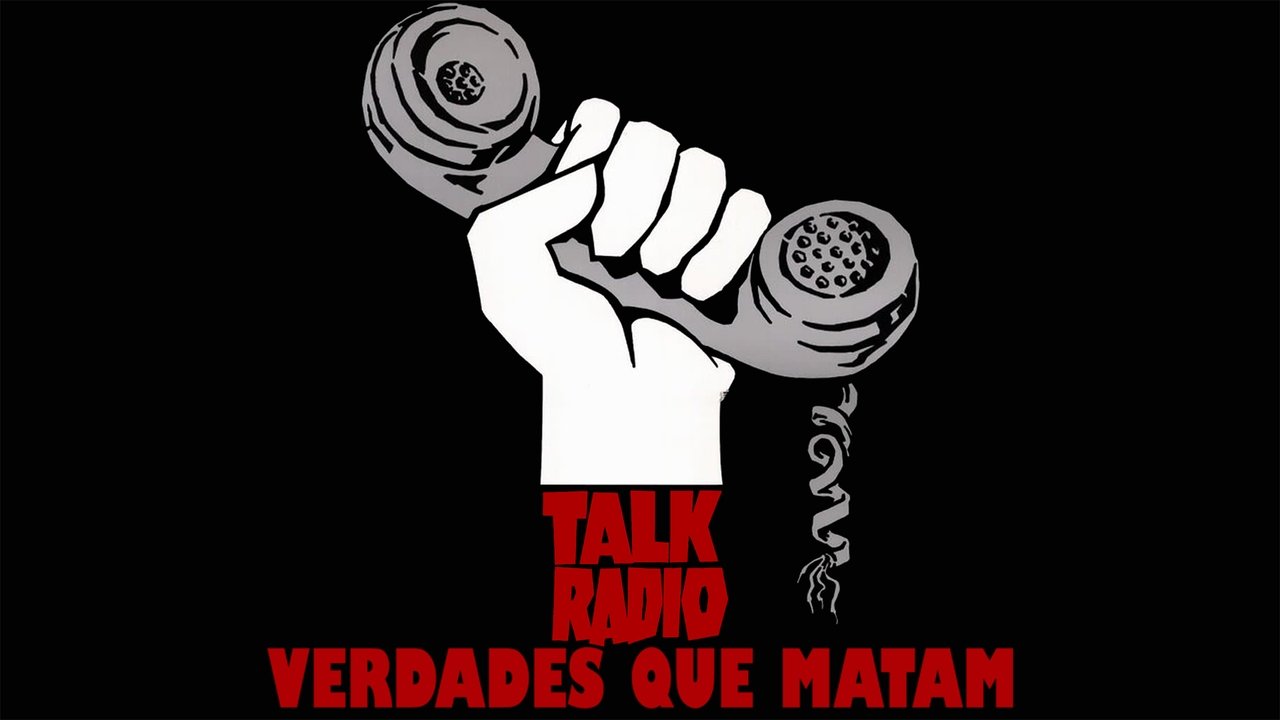
Rating Justification: 8.5/10
Talk Radio earns a strong 8.5 for its powerhouse central performance, its claustrophobic intensity, and its prescient exploration of media toxicity. Eric Bogosian is simply unforgettable, delivering a career-defining portrayal of corrosive charisma. Oliver Stone's direction is taut and purposeful, creating a palpable sense of dread within the confined space. The film's willingness to confront uncomfortable truths about free speech, audience complicity, and the dark allure of controversy gives it enduring power. It loses a fraction perhaps for its almost relentless bleakness, which might alienate some viewers, and certain stylistic choices feel very much of their late-80s moment. However, its core message and central conflict remain startlingly relevant, justifying its high score as a vital, challenging piece of cinema.
Final Thought: Decades before the infinite scroll and the rage-bait click, Talk Radio tapped into the unsettling frequency of mediated anger, leaving us with the haunting echo of a voice desperately trying to cut through the noise, even as it risked being consumed by it. It’s a film that stays with you, buzzing like feedback long after the tape stops rolling.