Okay, settle in, fellow tape travelers. Let’s talk about those weird little discoveries from the back wall of the video store, the ones with the intriguing covers and maybe a familiar face looking jarringly young. Remember grabbing a tape not because you knew exactly what it was, but because it just radiated a certain strangeness? That’s the distinct feeling Johnny Suede (1991) evokes, a film that feels less like a straightforward story and more like a dream somebody had after listening to too much Ricky Nelson and maybe falling asleep near some industrial paint fumes.
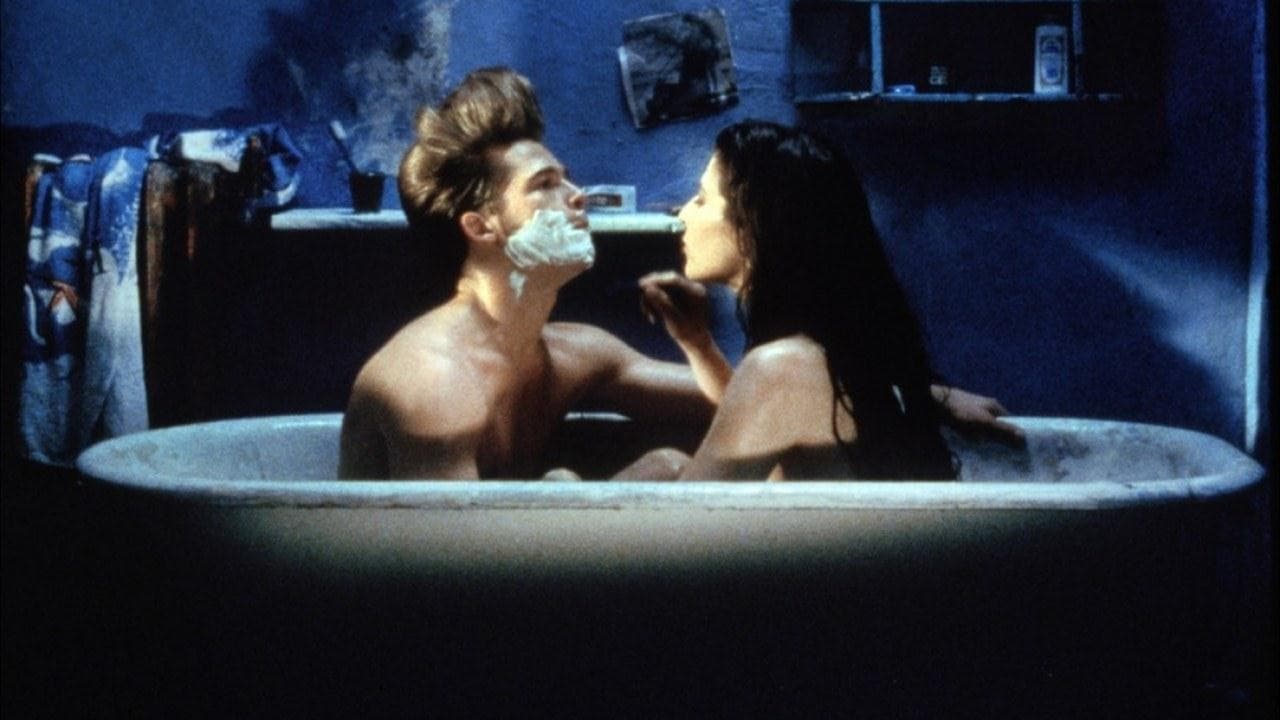
An Atmosphere Thick Enough to Sculpt
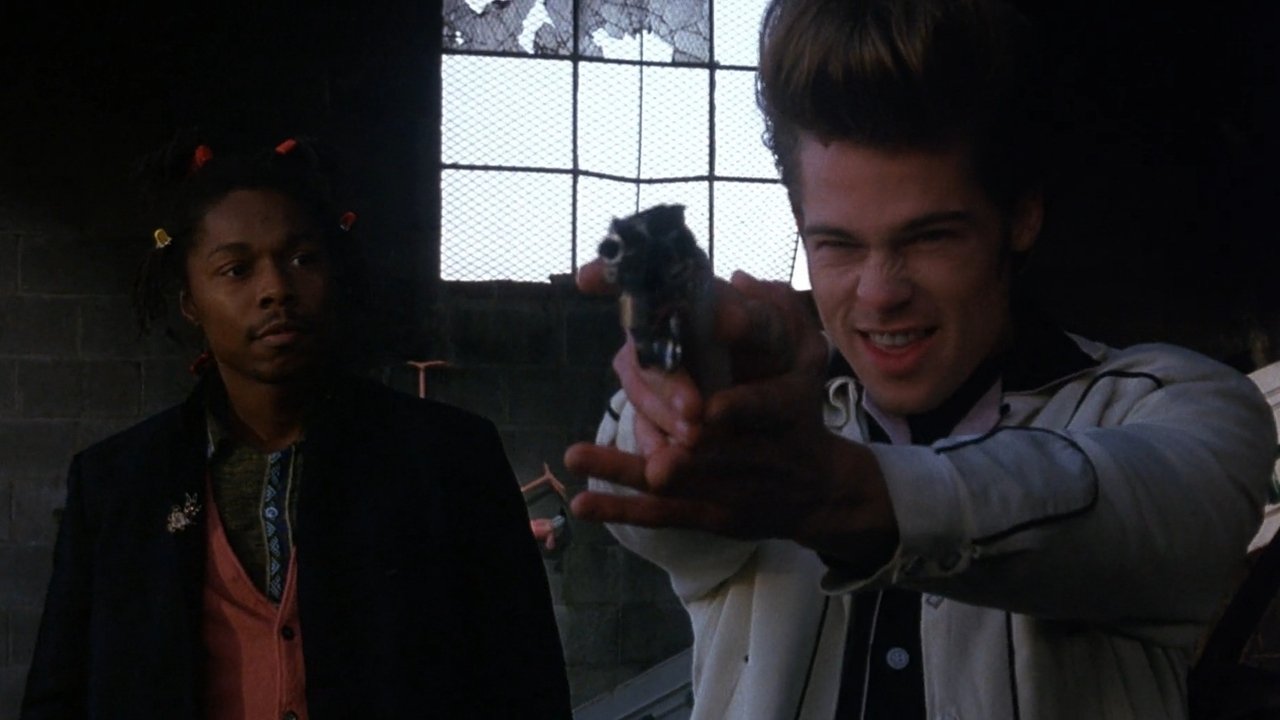
Right from the start, Johnny Suede plunges you into a world that’s familiar yet distinctly off-kilter. Writer-director Tom DiCillo, making his feature debut here after working as a cinematographer for indie darlings like Jim Jarmusch (you can see that influence in the studied compositions and deliberate pacing), crafts a unique urban landscape. It’s gritty but stylized, populated by characters who seem adrift in their own peculiar orbits. At the center is Johnny (Brad Pitt), a young man whose aspirations seem entirely defined by achieving the perfect rockabilly look – especially his monumental, almost architectural pompadour – and finding musical stardom, despite his limited talent and crippling lack of self-awareness. His life takes a turn when a pair of black suede shoes literally fall from the sky. Are they magic? A sign? The film doesn't offer easy answers, content instead to let Johnny stumble through encounters and relationships, hoping the shoes will somehow pave his way.
Before He Was Pitt
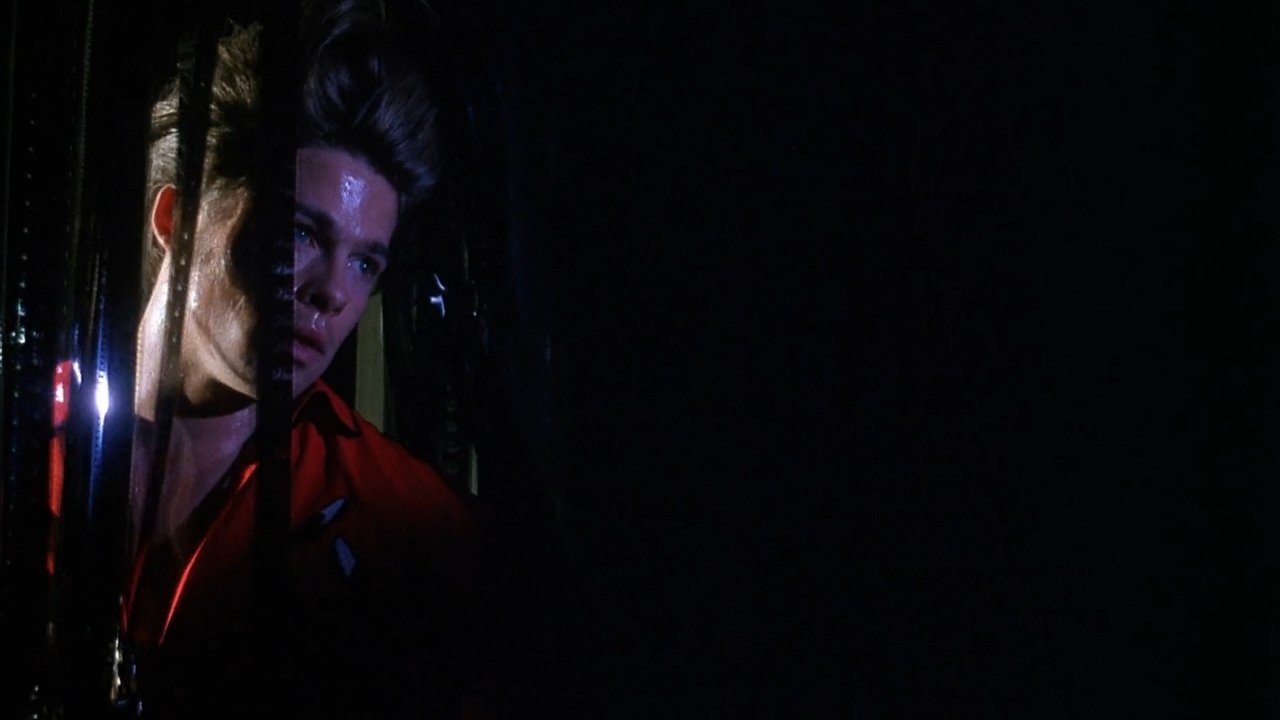
Watching this now, the main draw for many will undoubtedly be seeing Brad Pitt in such an early, unformed role. This was filmed before his star-making turn in Thelma & Louise (1991) hit screens, and it’s a fascinating glimpse of potential simmering beneath layers of awkwardness and affected cool. Pitt fully commits to Johnny’s naivete, his almost childlike belief in the transformative power of image. He’s all nervous energy and borrowed postures, a walking contradiction of wannabe swagger and deep-seated insecurity. That infamous pompadour deserves its own credit; reportedly a source of much discussion (and perhaps frustration) on set, it perfectly externalizes Johnny's fixation on surface over substance. There are whispers that DiCillo and Pitt didn’t always see eye-to-eye during the shoot, perhaps stemming from the vulnerability the role required beneath the hairstyle. Whatever the tensions, Pitt’s performance is central to the film’s strange charm; you can’t quite root for Johnny, but you can’t look away from his earnest fumbling either.
Finding Footing in Quicksand
Supporting Pitt is a wonderful, grounding performance from Catherine Keener as Yvonne, a woman Johnny becomes involved with who possesses a depth and self-awareness utterly alien to him. Their scenes together crackle with a fascinating tension – her earthy realism constantly puncturing his suede-shoed fantasies. Keener, also relatively early in her career, already shows the intelligence and subtle strength that would become her trademark. Calvin Levels offers solid support as Johnny’s friend Deke, navigating the same uncertain landscape with a bit more street sense. And keep an eye out for brief but memorable appearances by musician Nick Cave, radiating his usual brooding cool, and a pre-Pulp Fiction Samuel L. Jackson as the intimidating landlord B-Ballas. The film’s low budget (reportedly around $500,000 – a shoestring even then) is evident, but DiCillo uses it effectively, creating a distinct visual identity through careful framing and a slightly washed-out palette that enhances the dreamlike, run-down atmosphere.
What Does It All Mean, Man?
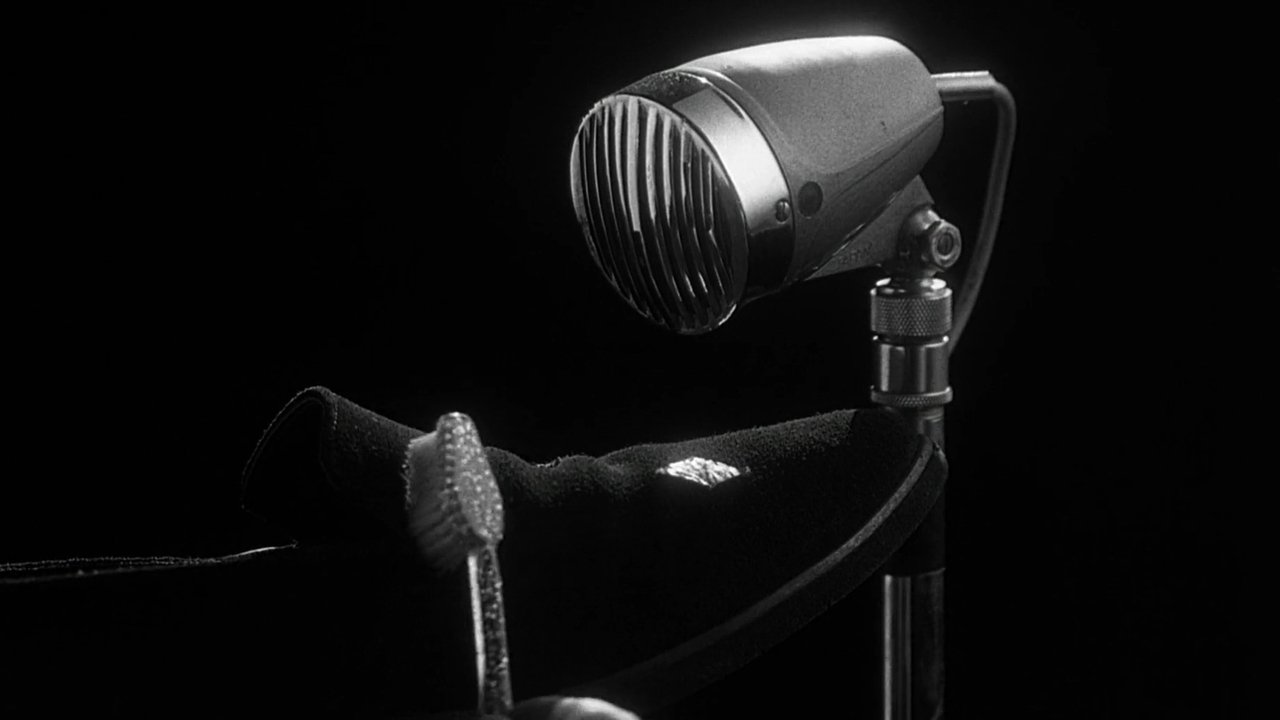
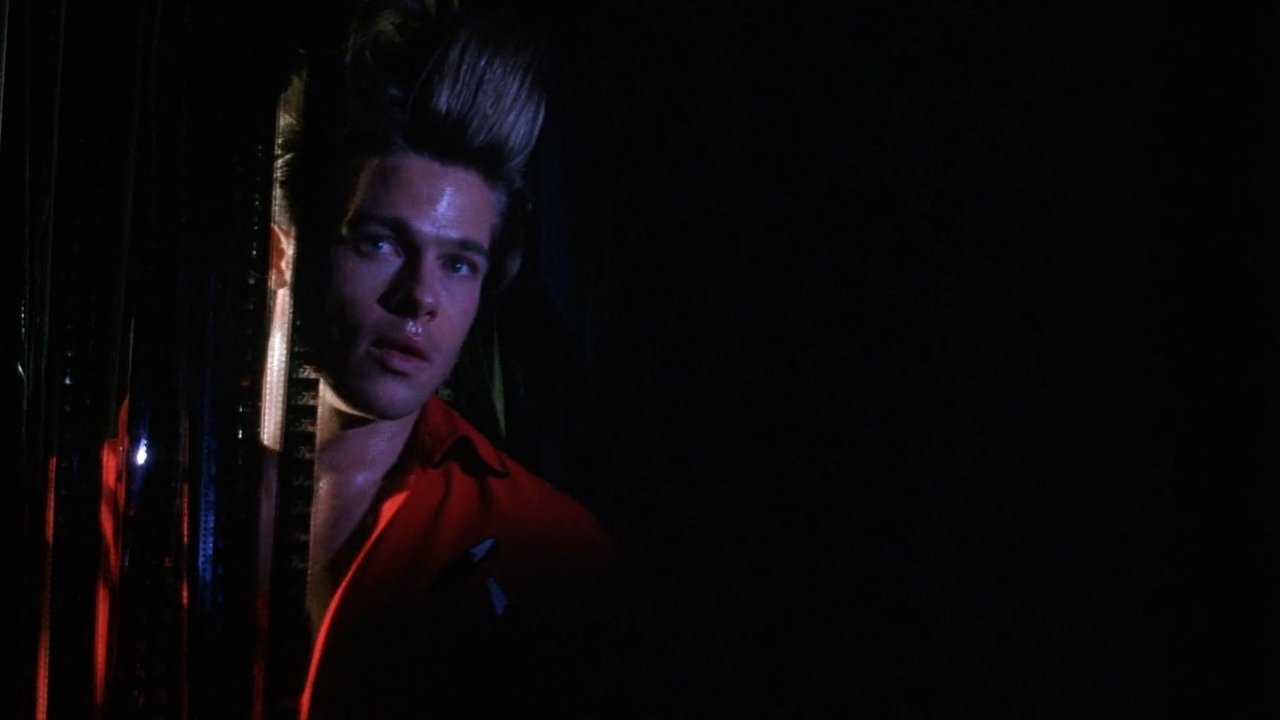
So, what lingers after the tape ejects and the VCR whirs down? Johnny Suede isn't a film concerned with neat resolutions or clear messages. It's more interested in exploring the often-painful gap between who we wish we were and who we actually are. Johnny’s obsession with an idealized past, his belief that the right look or the right pair of shoes can unlock his potential, feels both absurdly specific and strangely universal. Doesn't that yearning for a shortcut to self-definition resonate, even just a little, with our own past fumblings? The film asks questions about identity, artistic creation, and the nature of cool, but it leaves the viewer to ponder the answers amidst its melancholic, sometimes darkly funny, haze. It’s a mood piece, an exercise in style that prioritizes feel over straightforward narrative drive.
A Cult Curio Finds Its Shelf
Despite winning the Golden Leopard for Best Film at the Locarno International Film Festival, Johnny Suede struggled to find distribution and largely vanished, becoming one of those titles whispered about by indie film fans and sought out in dusty video store corners. I distinctly remember the slightly bewildered feeling after watching my rental copy back in the day – intrigued, amused, but not entirely sure what I’d just seen. It’s precisely that elusive quality, that refusal to be easily categorized, that makes it such a perfect artifact of the early 90s indie scene. It’s a time capsule containing not just early glimpses of future stars, but a specific, earnest, and slightly strange sensibility.
Rating: 6/10
This rating reflects the film's undeniable uniqueness and stylistic ambition, alongside Pitt's fascinating early performance and Keener's standout work. Tom DiCillo crafts a singular mood. However, its deliberately slow pace, oblique storytelling, and sometimes gratingly naive protagonist mean it's definitely an acquired taste and can feel meandering. It's a film that earns its "cult" status honestly – intriguing and memorable for the right viewer, but likely baffling or frustrating for others.
Final Thought: Johnny Suede remains a curious footnote in Brad Pitt's career, but more than that, it's a testament to a time when a film this idiosyncratic, this personal and strange, could somehow get made and find its way onto our rental shelves, waiting to be discovered like a pair of mysterious shoes fallen from the sky.