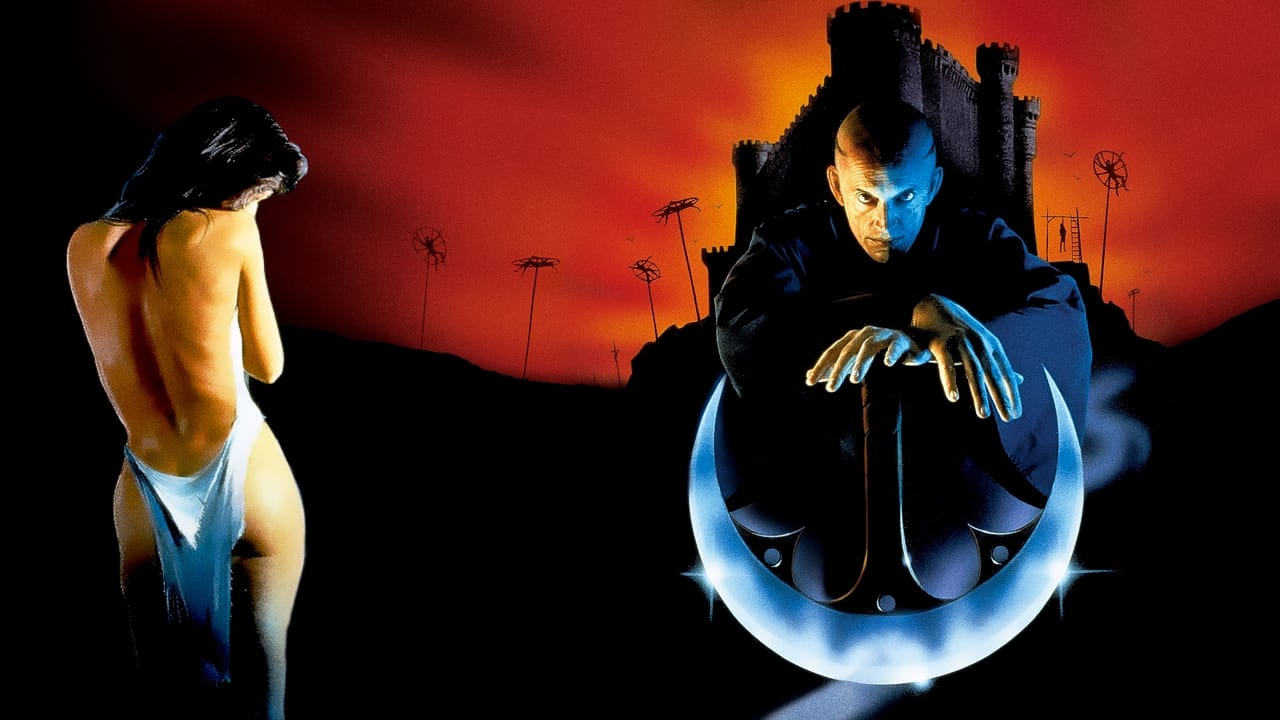
The air hangs thick with the scent of damp stone and burning conviction. Flickering torchlight barely pushes back the oppressive darkness within these ancient walls, revealing instruments designed not for justice, but for the meticulous breaking of the human spirit. This isn't just another dungeon; it's the heart of the Spanish Inquisition, brought to vivid, chilling life in Stuart Gordon's 1991 adaptation of The Pit and the Pendulum. Forget the cerebral, claustrophobic dread of Poe's original text for a moment; Gordon, ever the maestro of visceral horror after shocking audiences with Re-Animator (1985) and From Beyond (1986), plunges us headfirst into a nightmare of religious fanaticism, forbidden love, and exquisitely rendered suffering.
Echoes in the Castello
Right away, the film establishes a palpable sense of place. Shot on location at the very real, very imposing Castello di Giove in Italy – a frequent haunt for producer Charles Band's Full Moon Entertainment productions (remember Meridian: Kiss of the Beast also stalked these halls?) – the setting isn't just backdrop; it's a character. Gordon uses the castle's genuine medieval architecture, its shadowed archways and cold stone chambers, to maximum effect. You feel the chill seep into your bones, the weight of centuries of potential misery pressing down. The production design, while clearly working within the constraints typical of Full Moon's ambitious direct-to-video model (though this did get a limited theatrical run), punches well above its weight, creating a convincing world drenched in gothic dread. The budget was reportedly around $2 million, a testament to the resourcefulness employed to bring this historical horror to the screen.
Henriksen's Terrifying Zealot
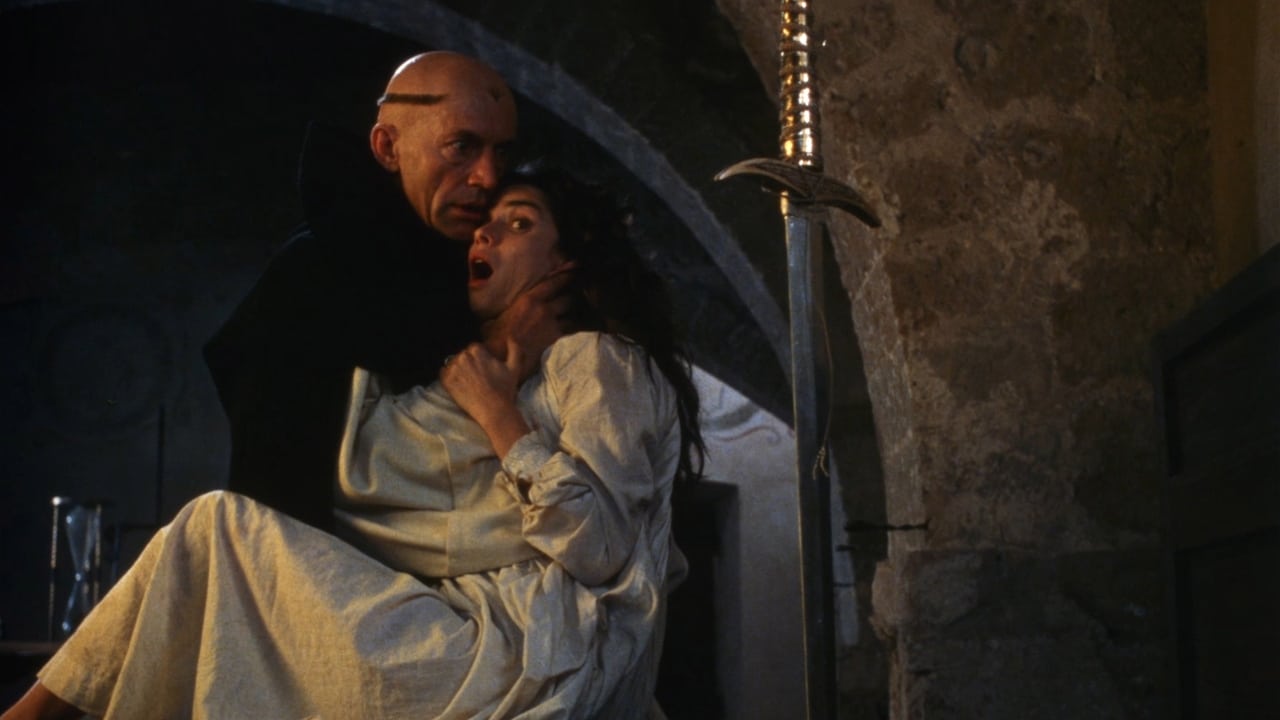
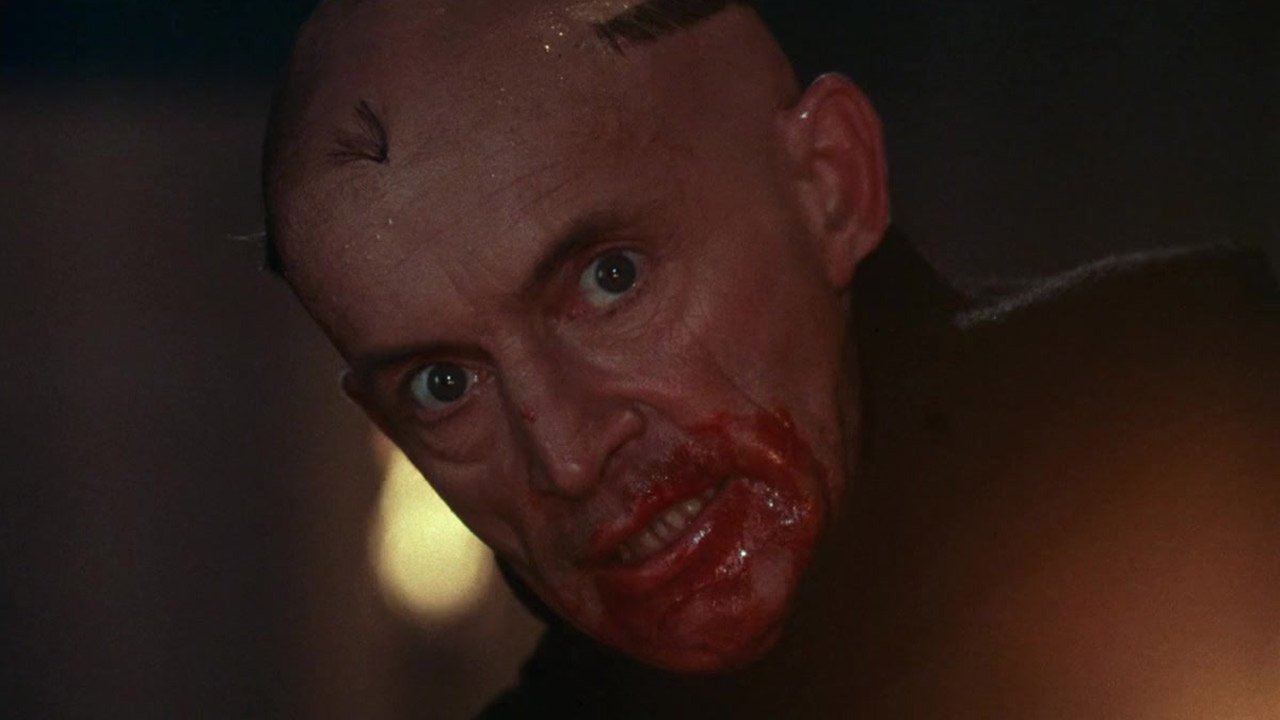
At the black heart of this darkness stands Grand Inquisitor Torquemada, embodied with terrifying conviction by the legendary Lance Henriksen. Fresh off searing performances in films like Aliens (1986) and Near Dark (1987), Henriksen doesn't just play Torquemada; he becomes him. This isn't a cackling caricature of villainy. Henriksen portrays him as a man utterly convinced of his divine righteousness, his cruelty born from a twisted piety that makes him all the more horrifying. His eyes burn with fervent intensity, his voice shifts from silken persuasion to thunderous judgment in a heartbeat. There's a chilling story that Henriksen became so immersed in the role's darkness, embracing the character's warped psyche, that it genuinely unnerved some on set. Watching him, you believe it. He delivers a complex portrait of corrupted faith and repressed desire that elevates the entire film, making Torquemada one of the truly memorable horror antagonists of the era.
Beyond the Blade: Expanding Poe
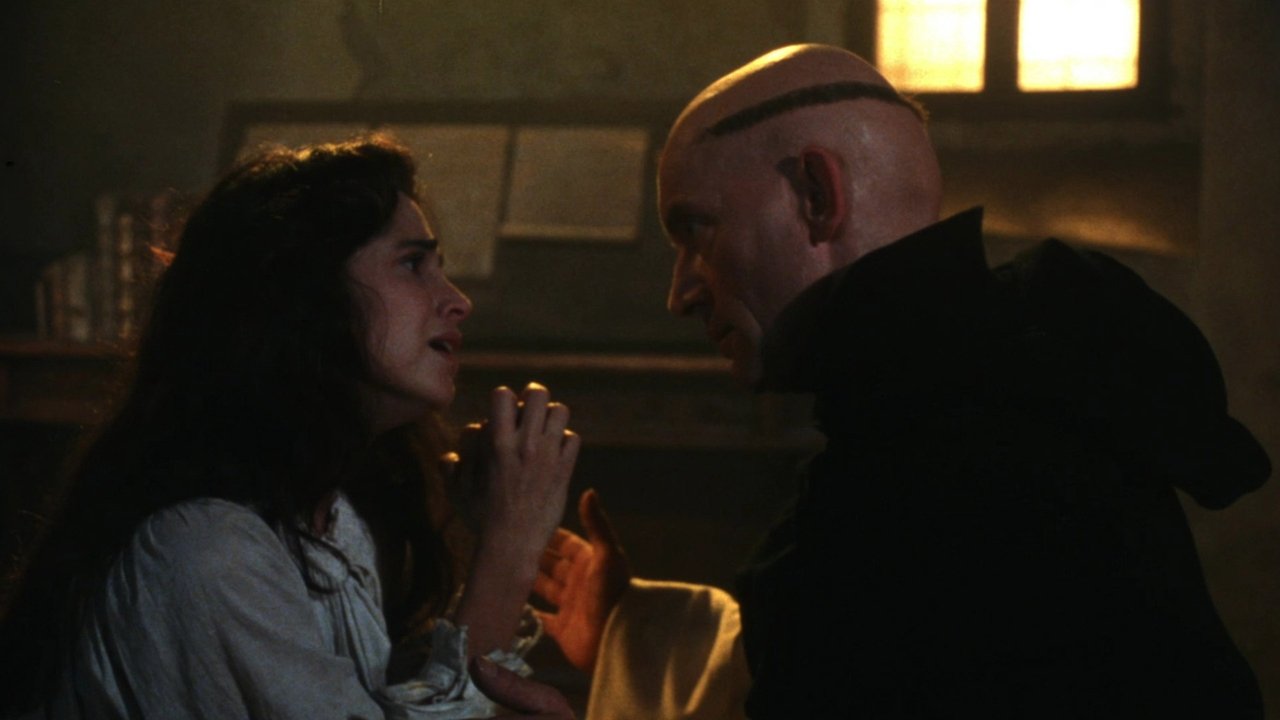
Adapting Poe's intensely focused short story, which largely takes place within the protagonist's terrified mind, into a feature film requires invention. Writer Dennis Paoli, Gordon's frequent collaborator, crafts a narrative surrounding forbidden love between Maria (Rona De Ricci) and the baker Antonio (Jonathan Fuller), who fall foul of Torquemada's obsessive gaze. While this framing device provides plot mechanics and characters beyond the original's unnamed narrator (here represented partially by Antonio), it sometimes feels like conventional melodrama layered onto Poe's existential terror. The inclusion of comic relief characters, like the gluttonous executioner Mendoza (Stephen Lee), can occasionally disrupt the otherwise suffocating atmosphere. Yet, it's this expansion that allows Gordon to explore themes of hypocrisy, power, and the horrors inflicted in the name of faith on a broader canvas.
The Spectacle of Suffering
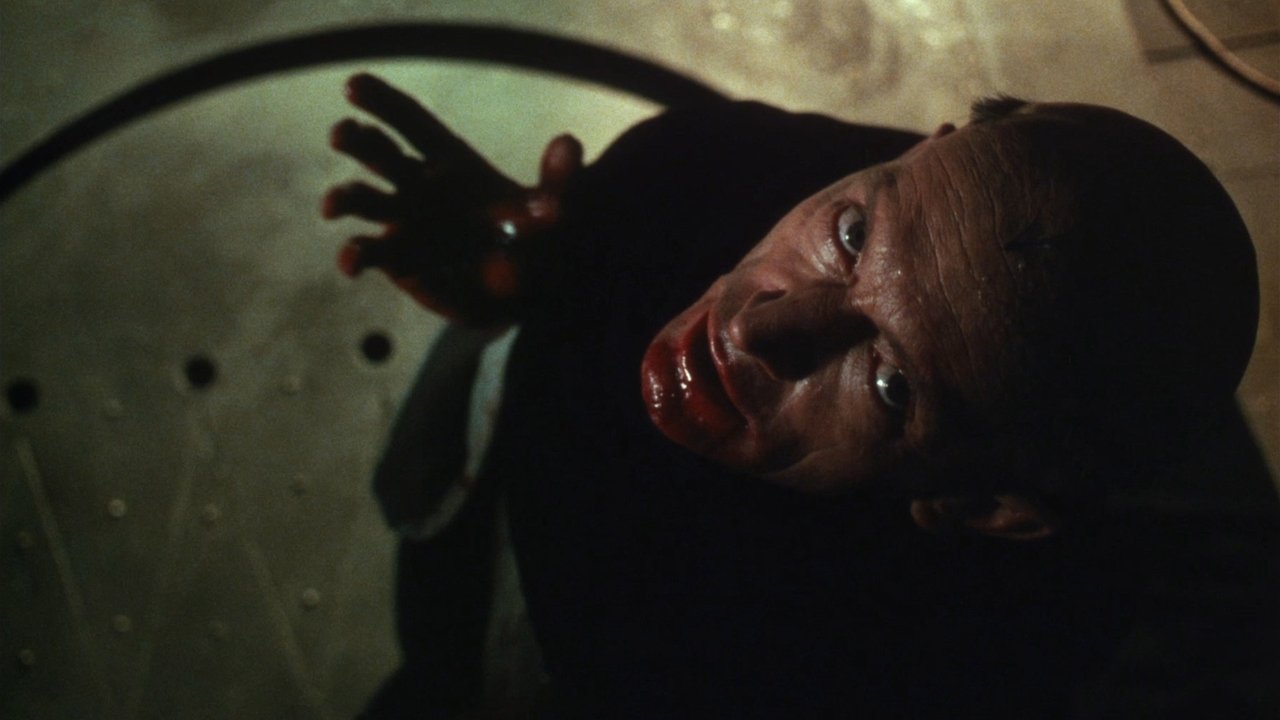
Of course, this being a Stuart Gordon film, the visceral elements are front and center. The titular pendulum is realized as a truly menacing piece of practical hardware, its slow, inexorable descent genuinely unnerving. Gordon doesn't shy away from the grisly realities of the Inquisition's methods. The torture devices are rendered with loving, gruesome detail, pushing the boundaries of what was common even in early 90s horror. Remember watching this on a flickering CRT, the grainy VHS image perhaps making the effects feel even more disturbingly real? The practical gore effects, while perhaps showing their age slightly now, retain a tactile, stomach-churning quality that modern CGI often lacks. They feel grounded, physical, enhancing the sense of bodily threat that permeates the film. There were battles, naturally, with ratings boards over the depicted violence and thematic content, a common struggle for horror films of this period aiming for an R-rating rather than the dreaded NC-17.
Full Moon Gothic
The Pit and the Pendulum stands as a fascinating artifact of its time – a prime example of Full Moon Entertainment striving for something more ambitious than their usual creature features, delivering a period horror piece with surprising production value and thematic weight. It showcases Stuart Gordon's knack for blending gothic atmosphere with graphic horror and demonstrates Lance Henriksen operating at the peak of his intense character work. While the added plot elements might dilute the purity of Poe's vision for some, they allow for a more traditionally structured, yet still deeply unsettling, cinematic experience. Doesn't that central performance by Henriksen still send a shiver down your spine?
Rating: 7/10
This score reflects the film's powerful atmosphere, Lance Henriksen's phenomenal central performance, and the impressive practical effects work achieved on a modest budget. It captures the gothic horror vibe exceptionally well. Points are deducted slightly for a script that sometimes feels conventional in its expansion of the source material and occasional tonal inconsistencies with the comic relief. However, these don't derail the core experience.
Final Thought: A grimly effective slice of early 90s gothic horror, The Pit and the Pendulum remains a testament to Stuart Gordon's distinctive style and features one of Lance Henriksen's most chillingly committed performances. It’s a standout title from the Full Moon VHS era, a dark gem that proved period horror could still deliver potent shocks and lingering dread long after the tape finished rolling.