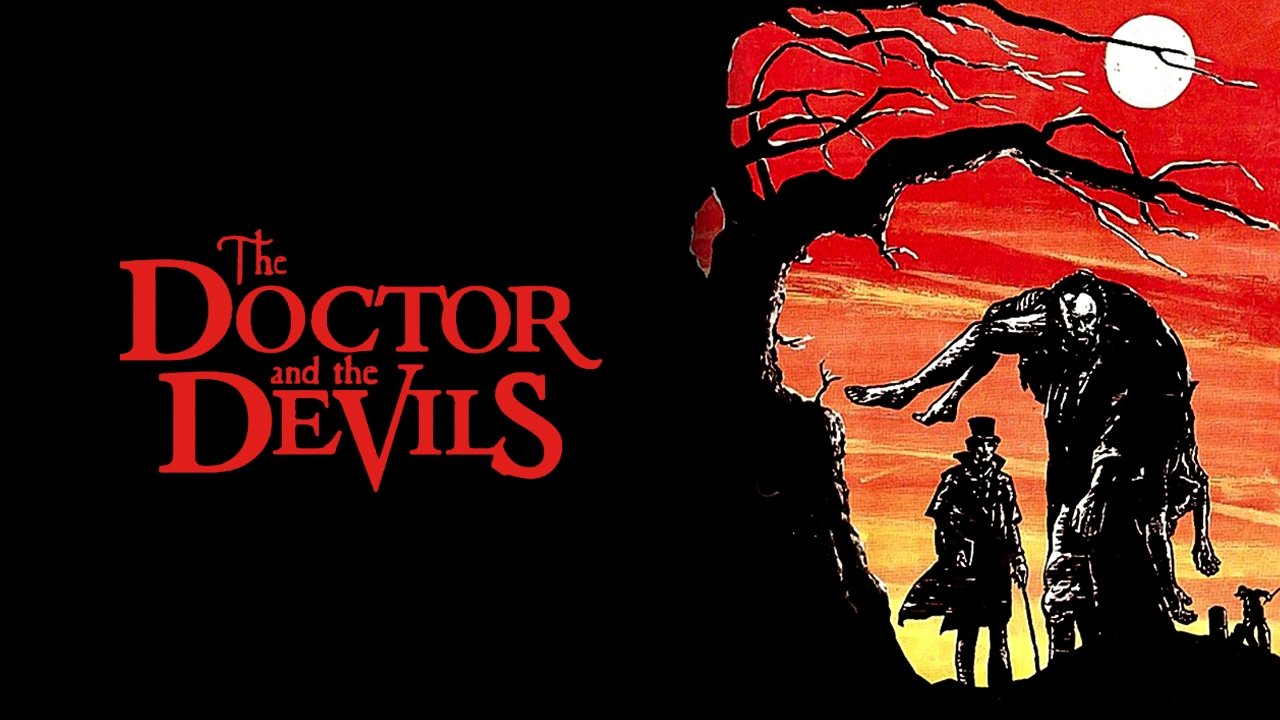
It begins not with a scream, but with the scrape of a shovel on damp earth, the furtive glances in gaslit alleys. Long before The Doctor and the Devils flickered onto VHS tapes in 1985, its dark heart beat in the lines of a screenplay penned decades earlier by none other than the celebrated Welsh poet Dylan Thomas. That lingering literary ghost lends a certain weight, a chilling gravity, to this grim exploration of ambition, desperation, and the cold calculus of anatomy in 19th-century Edinburgh. This isn't a jump-scare fest; it's a slow, creeping dread that settles in your bones, the kind that felt particularly potent under the late-night glow of a CRT television.
Gaslight and Gore
Director Freddie Francis, a legend who lensed some of Hammer Films' most iconic gothic visions before stepping behind the camera himself (Tales from the Crypt, The Creeping Flesh), paints a world steeped in shadow and squalor. The Edinburgh presented here is less a city of enlightenment, more a labyrinth of decaying tenements and muddy closes where life is cheap, and death…death has a market value. Francis uses light like a scalpel, carving figures out of the oppressive darkness, particularly in the anatomical theatre where Dr. Thomas Rock (Timothy Dalton) holds court. You can almost smell the formaldehyde mingling with the coal smoke and damp wool. The production design feels authentically grimy, lived-in, and desperate, a crucial element that grounds the morbid proceedings. It’s a far cry from the glossy sheen often found in 80s cinema, opting instead for a textured, almost tangible bleakness.
A Faustian Pact in Tweed
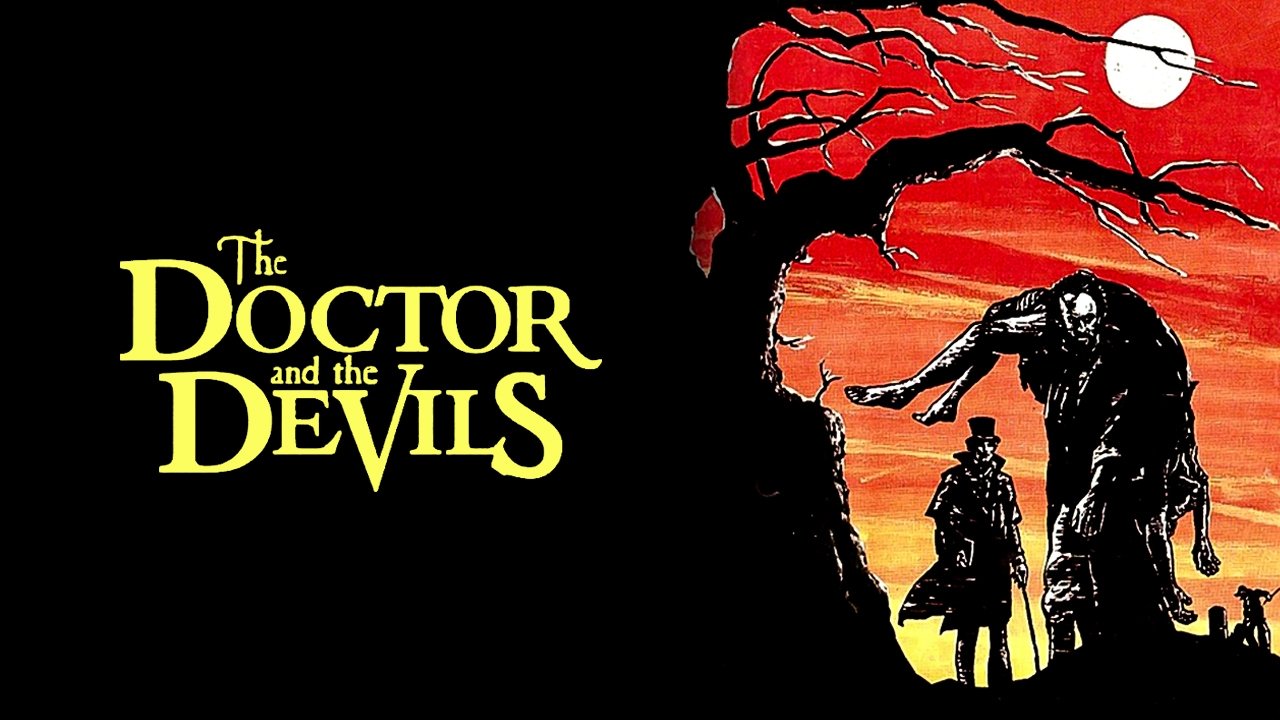
At the story's core, inspired by the infamous real-life Burke and Hare murders, is Dr. Rock. Timothy Dalton, just a couple of years before donning Bond’s tuxedo, is magnetic here. He portrays Rock not as a cackling villain, but as a brilliant, driven man utterly convinced of the righteousness of his scientific pursuits. His need for fresh cadavers for his anatomical lectures pushes the boundaries of ethics, creating a vacuum that lowlifes Robert Fallon (Jonathan Pryce) and Timothy Broom (Stephen Rea) are only too willing to fill. Dalton projects an unnerving intensity, a conviction that almost makes you sympathise with his logic, even as the body count rises. Doesn't that portrayal, balancing brilliance with terrifying moral compromise, stick with you?
Opposite him, Jonathan Pryce is utterly chilling as Fallon. Fresh off his iconic role in Brazil, Pryce sheds any trace of whimsy. His Fallon is a creature of opportunity, initially falling into the ‘resurrection’ trade (grave robbing) out of sheer poverty, but soon discovering a more direct, and far more sinister, supply chain. There’s a weaselly desperation in his eyes that morphs into cold calculation. He and Rea make a truly repellent pair, their grim work depicted with an unsettlingly matter-of-fact approach. And then there's Twiggy as Jenny Bailey, Fallon's sometime companion, offering a glimpse of vulnerability and conscience amidst the prevailing darkness, a surprisingly effective dramatic turn for the former model.
Forgotten Origins and Dark Legends
The journey of Dylan Thomas's script is a fascinating piece of trivia in itself. Written initially in the late 1940s, it languished for decades before being adapted by Ronald Harwood (The Pianist, The Dresser). Knowing this adds another layer to the viewing – you're watching not just an 80s film, but the echo of a post-war literary vision of historical horror. Perhaps even more surprising is the production company behind it: Brooksfilms. Yes, that's Mel Brooks' company, which, much like with David Lynch's The Elephant Man, occasionally bankrolled serious, challenging dramas alongside its comedy output. This backing likely contributed to the film’s high production values and impressive cast, including familiar faces like Julian Sands and a pre-Starfleet Patrick Stewart in smaller roles. Despite these strengths, the film struggled to find a wide audience upon release, perhaps deemed too grim or too cerebral for the multiplexes of the mid-80s, making it a prime candidate for rediscovery on VHS. Did you stumble across this one tucked away in the horror section back in the day?
The practical effects, particularly the anatomical models and dissection scenes, hold up remarkably well. They possess a visceral, tangible quality that modern CGI often lacks, contributing significantly to the film's unsettling realism. Francis, ever the master craftsman, doesn't shy away from the grisly details but avoids gratuitous sensationalism. The horror stems more from the moral decay and the casual disregard for human life than from outright gore.
The Price of Knowledge
The Doctor and the Devils isn't just a historical horror piece; it's a stark morality play. It forces uncomfortable questions about the cost of progress and the exploitation inherent when societal structures value the contributions of the elite far above the lives of the poor. Dr. Rock’s justifications for needing bodies – the advancement of medical science – ring disturbingly hollow when confronted with the brutal reality of how those bodies are obtained. The film offers no easy answers, leaving the viewer to grapple with the ethical murk. It’s a challenging watch, deliberately paced, favouring atmosphere and character study over relentless thrills.
VHS Verdict
This is a film that rewards patience, a slow burn that meticulously builds its suffocating atmosphere. The performances, particularly from Dalton and Pryce, are exceptional, anchoring the grim narrative with compelling portrayals of obsession and depravity. Freddie Francis directs with a painterly eye for gothic dread, leveraging his horror roots to create a visually striking and deeply unsettling experience. While its deliberate pacing might not satisfy those seeking constant shocks, its thematic depth and chillingly realised world make it a standout piece of 80s gothic cinema. It captures that specific feeling of unease perfectly – the quiet dread that lingers long after the tape has spooled to its end.
Rating: 8/10
Justification: The score reflects the film's powerful atmosphere, superb central performances (Dalton, Pryce), masterful direction by Francis steeped in gothic tradition, and its intelligent handling of grim historical subject matter. It successfully evokes dread and raises uncomfortable questions. Points are slightly tempered by a pacing that might feel slow to some modern viewers and its somewhat overlooked status, meaning it lacks the iconic punch of bigger genre hits.
Final Thought: The Doctor and the Devils remains a potent and deeply uncomfortable film, a chilling reminder from the VHS shelves that the pursuit of knowledge can walk hand-in-hand with utter darkness. It's a grim gem worth unearthing.