Okay, pop that tape in, maybe fast-forward through the trailers you've seen a million times (unless one of them is really good), and let's talk about a gem that absolutely dominated the "New Releases" wall back in '91: What About Bob? This isn't your typical high-octane action fare we sometimes cover here at VHS Heaven, but the sheer comedic velocity and psychological warfare between its leads generate their own kind of thrilling chaos. It's the kind of movie that, once rented, often found itself stuck in the VCR for repeat viewings over a weekend.

### The Patient Who Came to Stay
Right from the jump, the premise is golden: Bob Wiley (Bill Murray), a man whose phobias have phobias, attaches himself like a particularly friendly barnacle to his pompous new psychiatrist, Dr. Leo Marvin (Richard Dreyfuss). When Dr. Marvin heads off for a month-long family vacation to the serene Lake Winnipesaukee, hoping for peace, quiet, and maybe a spot on Good Morning America promoting his new book "Baby Steps," Bob decides the best course of therapy is… intensive immersion. He follows him. What unfolds is a masterclass in escalating annoyance, a slow-motion train wreck of frayed nerves and invaded personal space, all set against a deceptively calm lakeside backdrop.
It's fascinating to note that the script, originally penned by Tom Schulman (who won an Oscar for Dead Poets Society - quite the tonal shift!), went through significant rewrites, with veteran screenwriter Alvin Sargent (Ordinary People, later Spider-Man 2 & 3) and producer/writer Laura Ziskin (Pretty Woman) contributing heavily to shape the final comedic structure. That blend of psychological insight and outright silliness is likely a result of that collaborative process.

### Murray vs. Dreyfuss: A Comedy Masterclass
The engine driving this whole glorious catastrophe is, undeniably, the clash between Bill Murray and Richard Dreyfuss. Murray, deep in his transition from SNL icon to uniquely deadpan movie star, embodies Bob with a needy charm that’s both infuriating and strangely sympathetic. He’s not malicious, just… completely oblivious to boundaries. His constant, chipper affirmations ("I feel good, I feel great, I feel wonderful!") become mantras of Marvin family infiltration. Murray finds nuance in the neurosis; you can almost see the cogs turning in Bob’s head as he rationalizes his increasingly intrusive behaviour.
Then there's Richard Dreyfuss, delivering a performance of epic comedic frustration. Dr. Leo Marvin starts as merely arrogant and self-absorbed, but as Bob systematically charms his wife Fay (Julie Hagerty, perfectly cast as the warm, accommodating spouse), daughter Anna (Kathryn Erbe), and son Siggy (Charlie Korsmo, the quintessential 90s smart-kid actor), Dreyfuss’s tightly wound psychiatrist unravels spectacularly. It's a slow burn that culminates in some truly explosive moments of pure, sputtering rage. His descent into madness is arguably the film's central arc, and Dreyfuss sells every twitch, every forced smile, every barely suppressed scream.
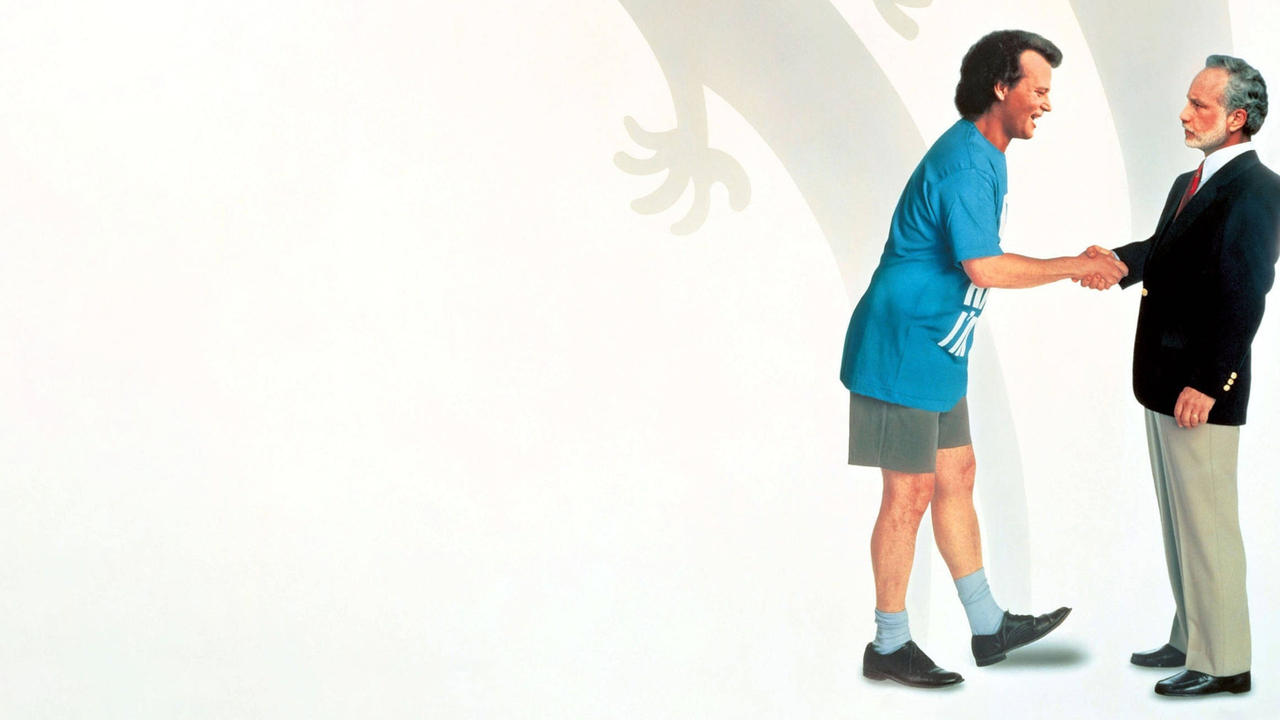
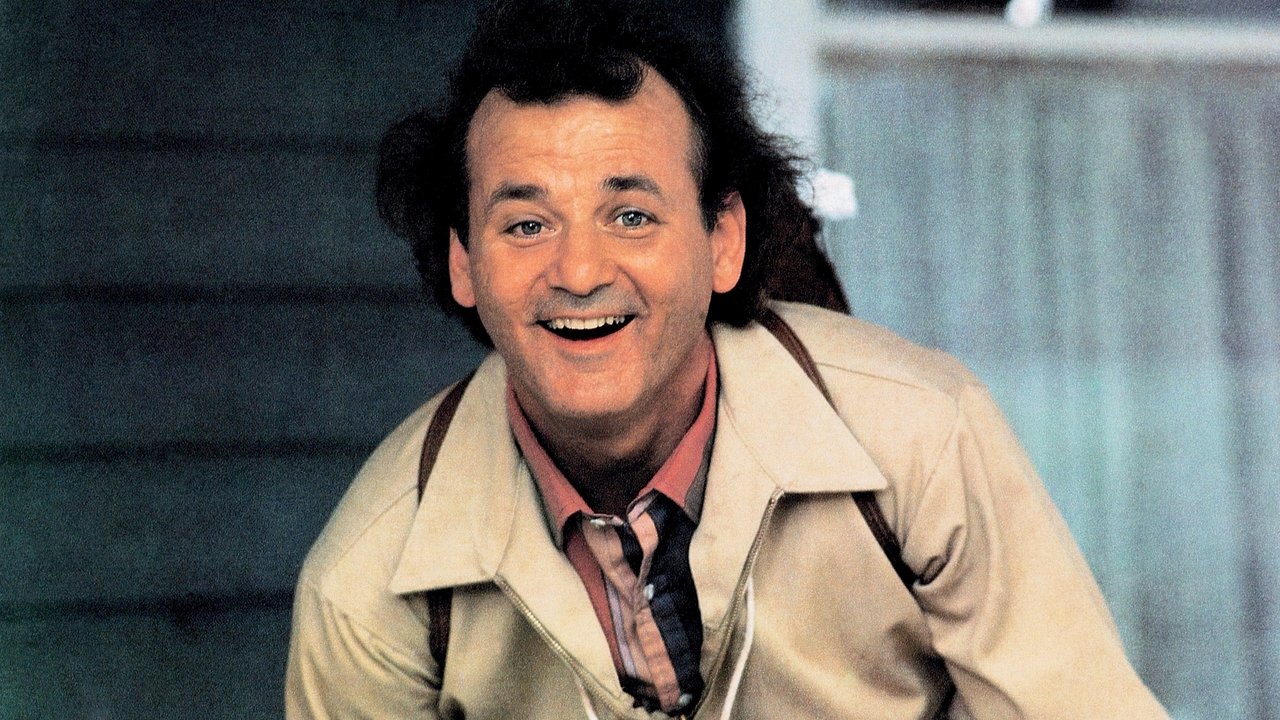
It’s widely known that the on-screen antagonism may have mirrored some real-life friction between the two stars. Stories abound about Murray's improvisational style clashing with Dreyfuss's more methodical approach, allegedly leading to some genuine tension during production. Frank Oz, the director, has spoken about the difficulties, but whatever happened behind the scenes, it translated into pure comedic gold on screen. The chemistry, toxic though it might have been personally, is electric.
### Oz at the Helm
Speaking of Frank Oz, let's not forget the man behind the camera. Primarily known then for his incredible work with The Muppets and directing films like Little Shop of Horrors (1986) and Dirty Rotten Scoundrels (1988), Oz brings a precise comedic timing to What About Bob?. He knows exactly how long to hold a shot on Dreyfuss's simmering face, how to stage the physical comedy (like Bob’s disastrous sailing attempt – "I'm sailing! I'm sailing!"), and how to balance the absurdity with moments of genuine warmth, particularly from the Marvin family who find Bob… well, refreshing. The picturesque setting (actually filmed mostly at Smith Mountain Lake, Virginia, doubling for New Hampshire) becomes a perfect counterpoint to the escalating psychological mayhem. It looks like a tranquil postcard, but it feels like a pressure cooker.
### Baby Steps to VHS Glory
Remember watching this on a fuzzy CRT? The colours might have bled a little, the sound might have been slightly muffled mono through the TV speakers, but the laughs landed just as hard. There wasn't the slickness of modern digital comedy, but there was a certain tangible quality to it. The physical comedy felt grounded, even when absurd. It was a decent hit upon release, pulling in over $63 million domestically (that's like, what, $130 million+ today?), finding a huge second life on home video. It became one of those tapes – the ones everyone seemed to have, instantly quotable ("Baby steps," "Don't hassle me, I'm local," the aforementioned "I'm sailing!").
It wasn't aiming for deep social commentary, though you could probably read things into its take on therapy and mental health fads of the era if you wanted to. Mostly, it was just brilliantly executed cringe comedy before that was even really a term, delivered by two actors at the top of their game, guided by a director who understood comedic rhythm like few others.
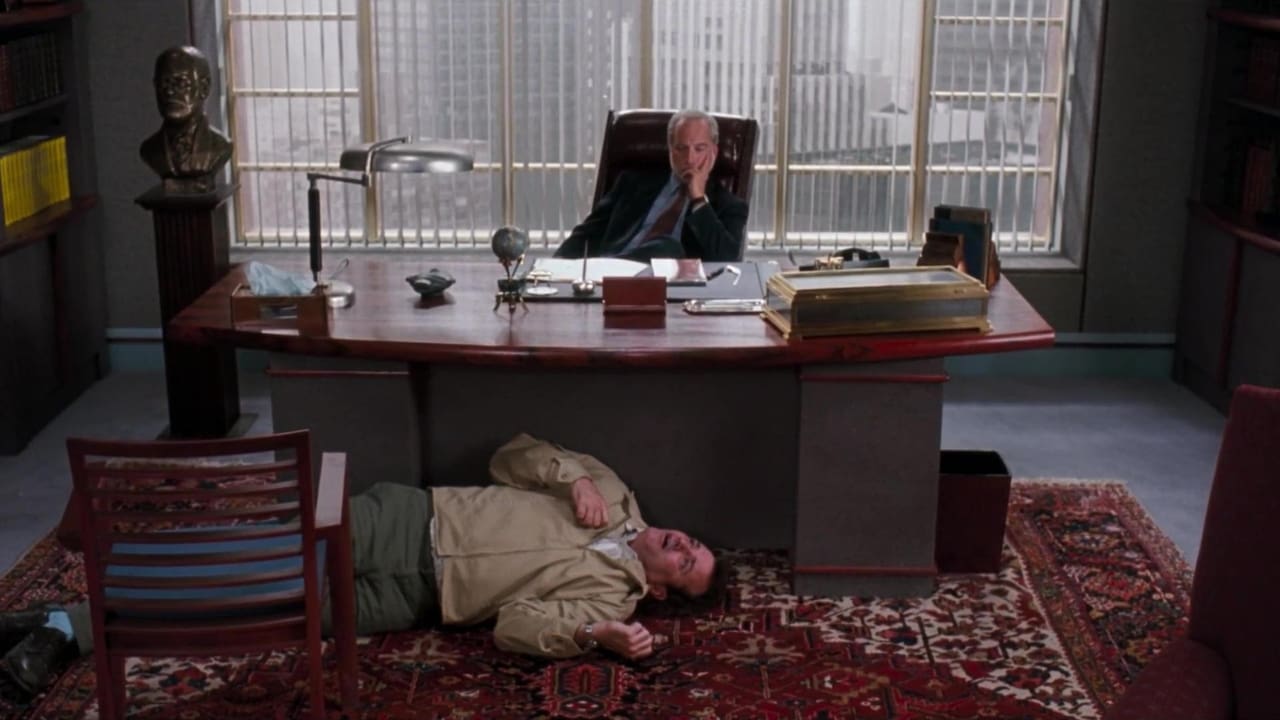
Rating: 9/10
This rating feels entirely earned. What About Bob? delivers exactly what it promises: sustained, character-driven hilarity powered by two perfectly counterpointed lead performances. It avoids mean-spiritedness, finding laughs in the situation and the escalating absurdity rather than punching down. Oz’s direction is sharp, the supporting cast is wonderful, and the core concept remains eternally relatable (we’ve all known someone who just doesn’t get the hint, right?). It holds up beautifully.
Final Thought: Forget baby steps; What About Bob? took giant, hilarious leaps into the annals of 90s comedy, proving that sometimes the most effective special effect is simply watching Richard Dreyfuss slowly lose his mind thanks to peak Bill Murray. A must-rewind VHS classic.