Okay, fellow tapeheads, let’s rewind to the very cusp of the new millennium, a time when Hollywood felt both massively corporate and weirdly accessible if you just had enough nerve. Slide that worn cassette into the VCR, adjust the tracking just so, and let’s talk about 1999’s Bowfinger, a film that arrived just before the digital wave fully crashed, carrying with it a hilarious, slightly desperate energy that feels perfectly preserved on magnetic tape. This isn't your typical crash-bang action flick, but trust me, the comedic audacity here is its own kind of high-wire act.
### The Ultimate Long Shot
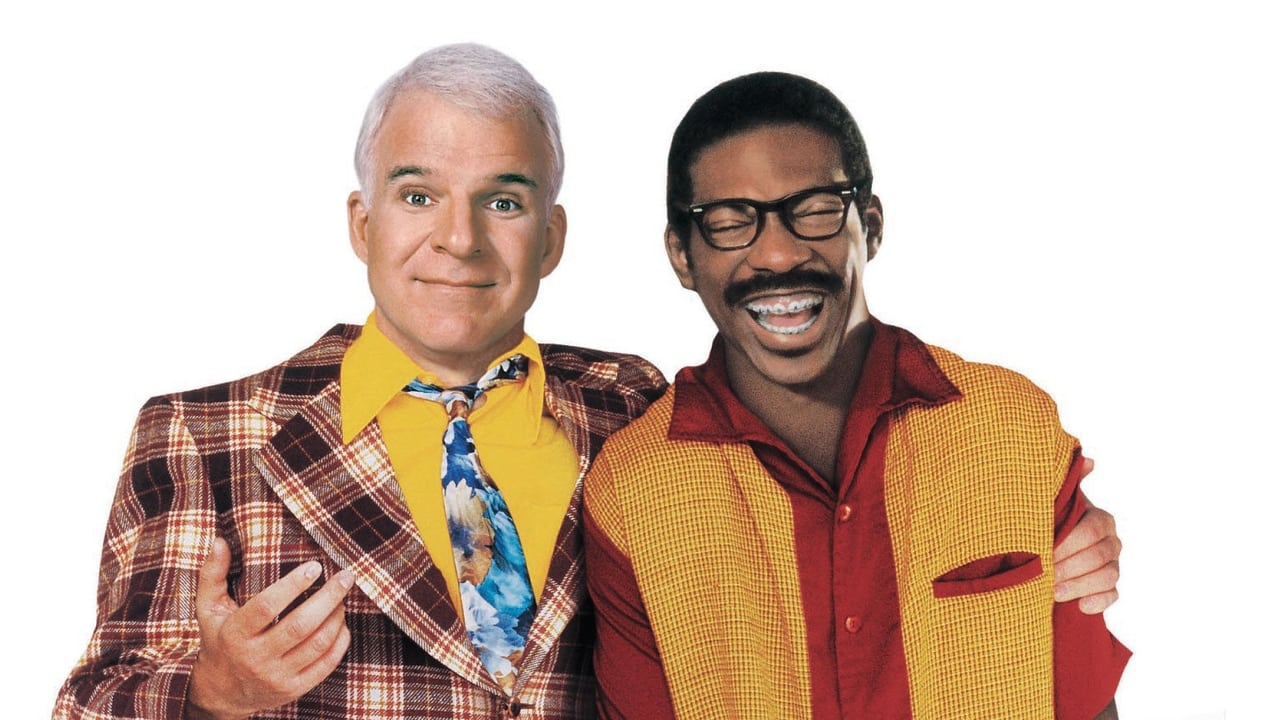
Imagine this: you're Bobby Bowfinger (Steve Martin), a Z-list movie producer whose ambition vastly outweighs his budget (or talent, arguably). You've got a script, Chubby Rain, that you believe is your ticket to the big time. You've assembled a motley crew of hopefuls, including a fresh-off-the-bus wannabe starlet Daisy (Heather Graham) and various other hangers-on. The only problem? You need a mega-star, Kit Ramsey (Eddie Murphy), who wouldn't touch your project with a ten-foot pole. Bowfinger's solution? Film Kit without him knowing he's in the movie. This ingenious, borderline-insane premise, penned by Steve Martin himself, is the engine driving one of the sharpest Hollywood satires of the 90s. It’s a beautiful train wreck waiting to happen, and you can't look away.
### Guerrilla Filmmaking, 90s Style
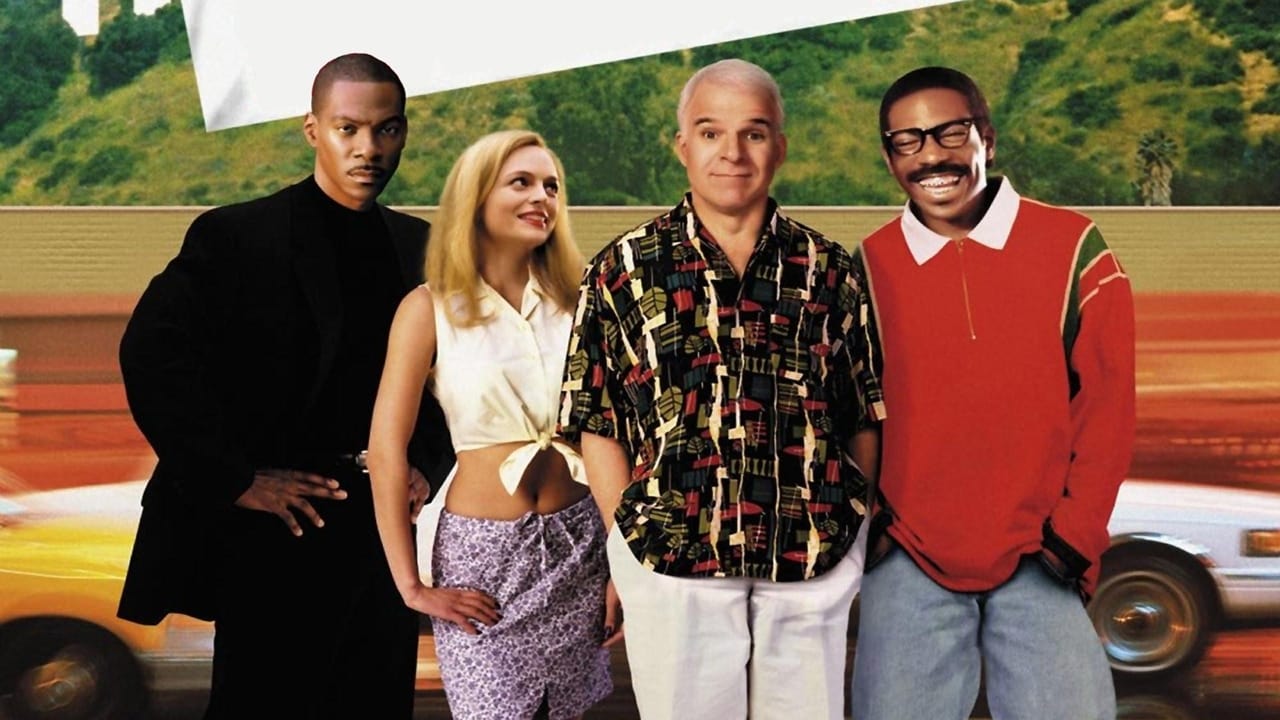
What makes Bowfinger resonate so strongly in the "VHS Heaven" context isn't explosive practical effects, but the practicality of its central conceit. Forget CGI – Bowfinger's crew relies on sheer guts, hidden cameras (decidedly lo-fi by today's standards!), and meticulously timed ambushes to capture their elusive star. Remember trying to film school projects with bulky camcorders? Magnify that awkwardness by a thousand, add the constant threat of discovery and the paranoia of a major movie star, and you get the picture. The scenes where they try to feed Kit his lines or interact with him while he remains blissfully (or terrifyingly) unaware are comedic gold. It captures that desperate, 'let's put on a show!' spirit, albeit cranked up to a felonious degree. It’s a kind of stunt work, just psychological rather than physical.
Retro Fun Fact: Steve Martin reportedly wrote the screenplay specifically with Eddie Murphy in mind, having wanted to collaborate with him for years. Seeing them finally share the screen properly (after Martin’s cameo in Murphy’s Boomerang) was a major event for comedy fans back then.
### Murphy Steals the Show (Twice)
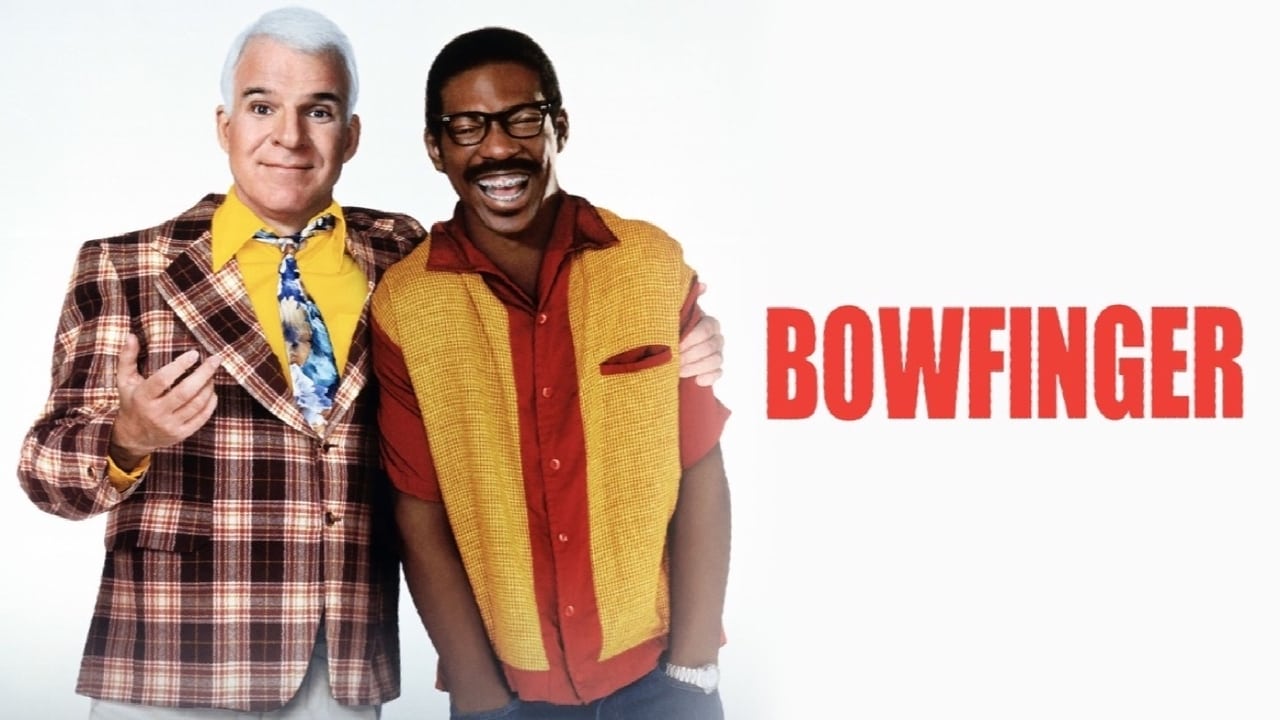
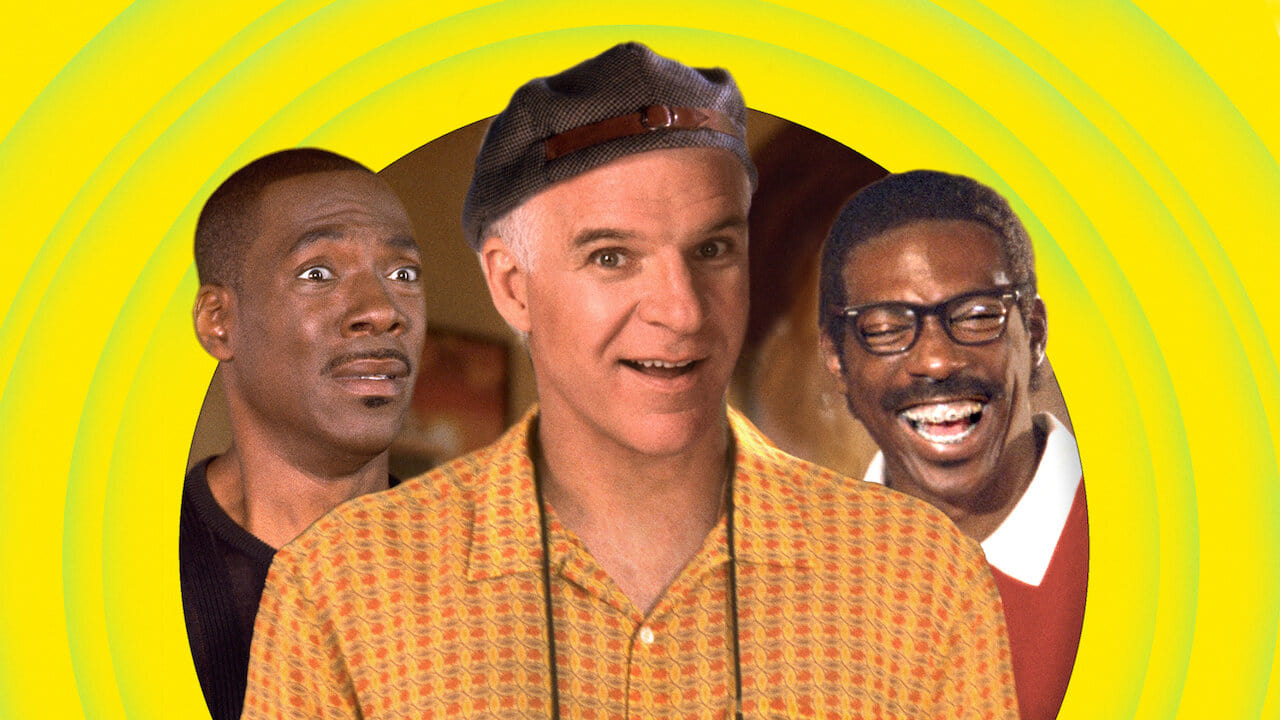
While Steve Martin is perfectly cast as the eternally optimistic, slightly sleazy Bowfinger, the movie truly belongs to Eddie Murphy. Pulling brilliant double duty, he plays both the egomaniacal, deeply paranoid action star Kit Ramsey and his sweet, naive, and utterly clueless twin brother, Jiff. Kit's escalating panic, fueled by his involvement with the cult-like organization "MindHead" (a thinly veiled, hilarious jab at Scientology that probably wouldn't fly today), is hysterically funny. His therapy sessions with MindHead leader Terry Stricter (Terence Stamp, perfectly deadpan) are legendary.
Then there's Jiff, the ultimate gofer, roped into being Kit's 'stunt double' for the more dangerous scenes in Chubby Rain (like running across a busy freeway – a sequence played for laughs but genuinely nail-biting in its absurdity). Murphy differentiates the two characters so completely, often just through posture and expression, that you forget it’s the same actor. It was hailed as a major return to form for Murphy, showcasing his incredible range beyond broad comedy. Retro Fun Fact: Murphy's dual performance earned him rave reviews, reminding everyone just how versatile he could be after a string of more family-friendly hits.
### Oz Behind the Camera
Let’s not forget the man orchestrating the chaos: director Frank Oz. Known for his brilliant work with the Muppets and comedies like Dirty Rotten Scoundrels (1988) and Little Shop of Horrors (1986), Oz brings a deft touch, balancing the film's sharp satire with genuine character moments. He understands comedic timing implicitly and lets his stars shine, keeping the pace brisk and the escalating absurdity grounded just enough to remain believable within its own universe. The supporting cast, including a wonderfully cynical Christine Baranski as an over-the-hill actress and Heather Graham nailing the ambitious ingenue trope, rounds out the ensemble perfectly.
### A Hollywood Slice, Still Sharp
Watching Bowfinger today feels like unearthing a time capsule from the late 90s indie film scene, albeit one filtered through a major studio lens. The yearning for fame, the ridiculous lengths people will go to achieve it, the cults of personality (both celebrity and literal cults) – it all feels remarkably prescient. The film cost around $55 million to make and pulled in nearly $100 million worldwide; a solid hit, but perhaps not the blockbuster some expected given the star power. Critically, however, it was largely embraced for its cleverness and Eddie Murphy's standout performance, cementing its status as a cult favorite among comedy aficionados.
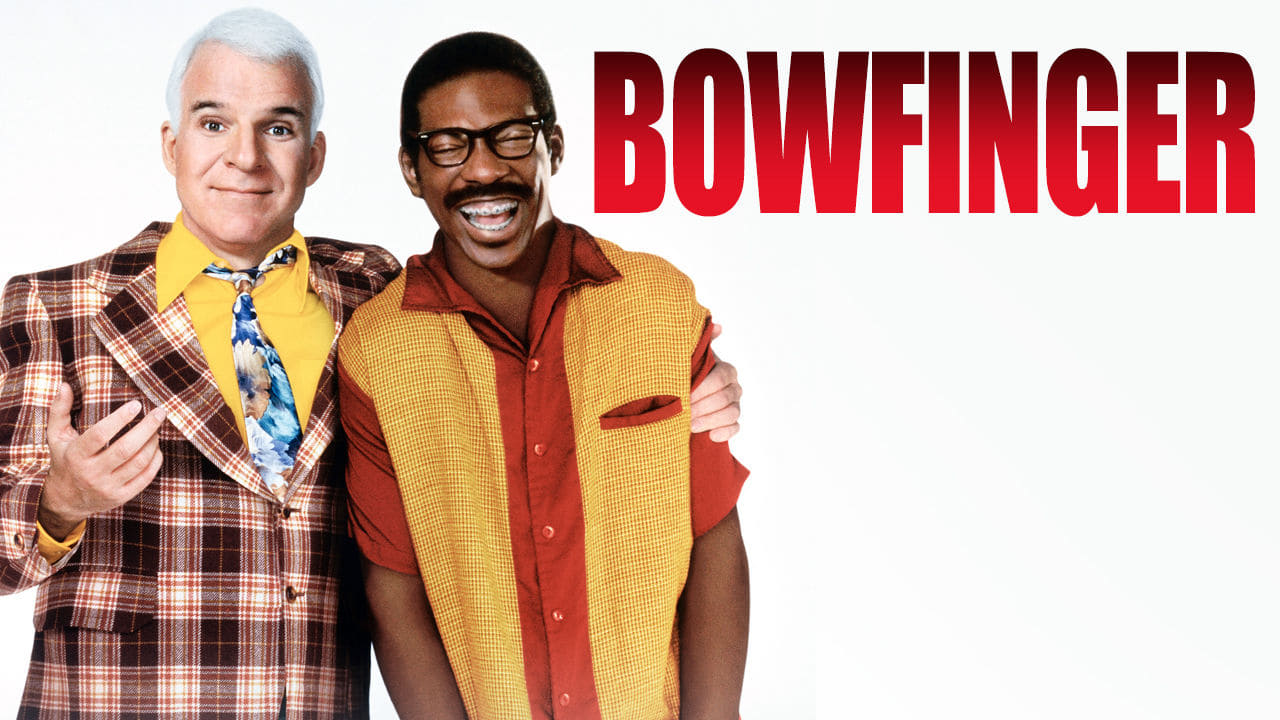
It’s the kind of film that thrived in video stores – maybe you rented it on a whim, drawn by the cover art featuring Martin and Murphy, and discovered this unexpected gem. It wasn’t trying to be the biggest movie ever, just one of the funniest and smartest.
Rating: 9/10
Bowfinger earns this high score for its brilliant premise, Steve Martin’s razor-sharp script, Frank Oz’s assured direction, and an absolutely killer dual performance from Eddie Murphy. It skewers Hollywood ambition with surgical precision and laugh-out-loud results.
Final Take: If you miss comedies with actual bite and wit, Bowfinger is your ticket back. It’s a hilarious testament to low-budget ingenuity (even when it’s fictional and highly illegal) and a reminder that sometimes, the most audacious stunts happen right under the star's nose. Keep your eyes open – you never know when you might be in Bobby Bowfinger’s next picture.