What happens when the apparatus of justice and the machinery of media collide with genuine human tragedy, fueled by greed? That’s the deeply uncomfortable question humming beneath the surface of Nick Broomfield's 1992 documentary, Aileen Wuornos: The Selling of a Serial Killer. This isn't your typical true-crime procedural, often found stacked on the shelves of the local video store back in the day. Instead, it’s a raw, unsettling journey into the vortex surrounding a convicted killer, where the lines between documentation, participation, and exploitation blur almost immediately.
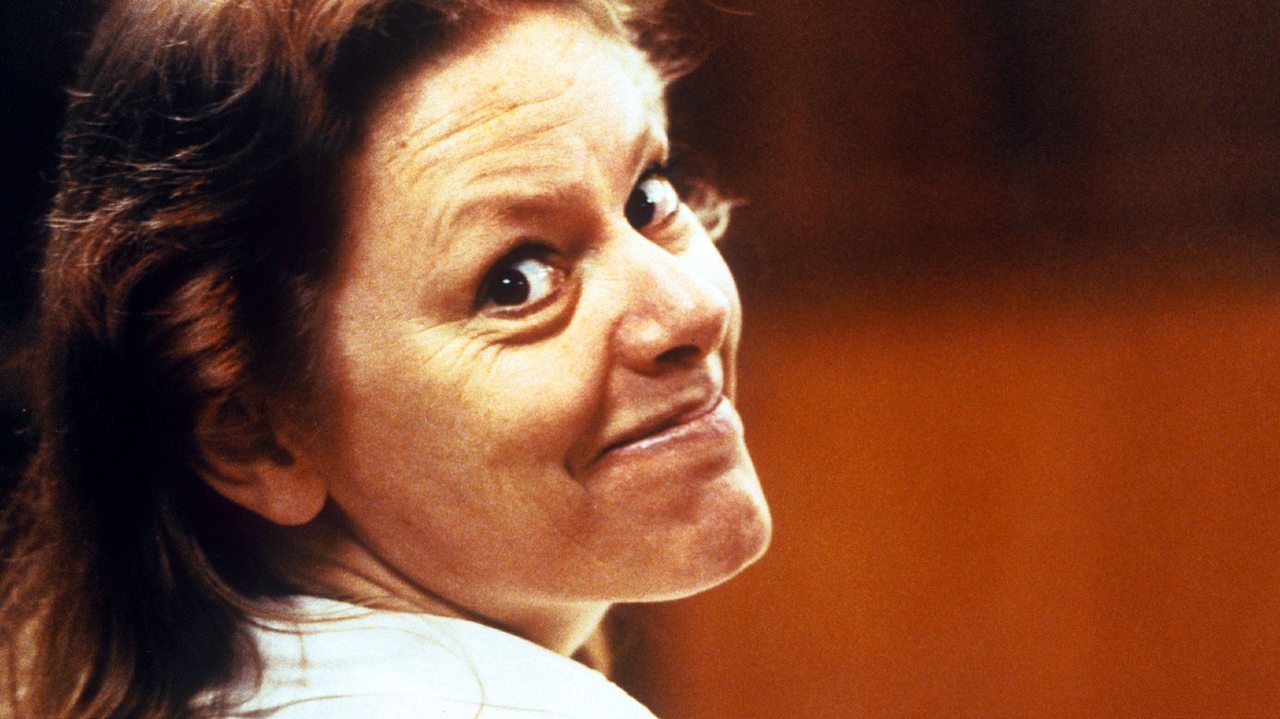
I remember finding this one on VHS, probably nestled between a straightforward horror flick and some forgotten actioner. Its stark cover art promised something different, grittier. What unfolded was far stranger and more morally complex than I anticipated. Broomfield, known for his often confrontational, first-person documentary style (later seen in films like Kurt & Courtney (1998) and Biggie & Tupac (2002)), doesn't just report on the Aileen Wuornos case; he becomes ensnared in the bizarre ecosystem that sprouted around her notoriety.
Navigating the Circus
The film’s premise is simple: Broomfield wants to interview Aileen Wuornos, the former sex worker convicted of murdering seven men in Florida. But access, he quickly discovers, comes at a price – literally. The documentary becomes less about Wuornos's crimes and more about the baffling, ethically dubious attempts by her recently adopted mother, Arlene Pralle (a born-again Christian who seemed strangely drawn to Wuornos’s infamy), and her lawyer, Steve Glazer (an opportunistic figure seemingly more interested in movie deals than legal strategy), to control and monetize her story.
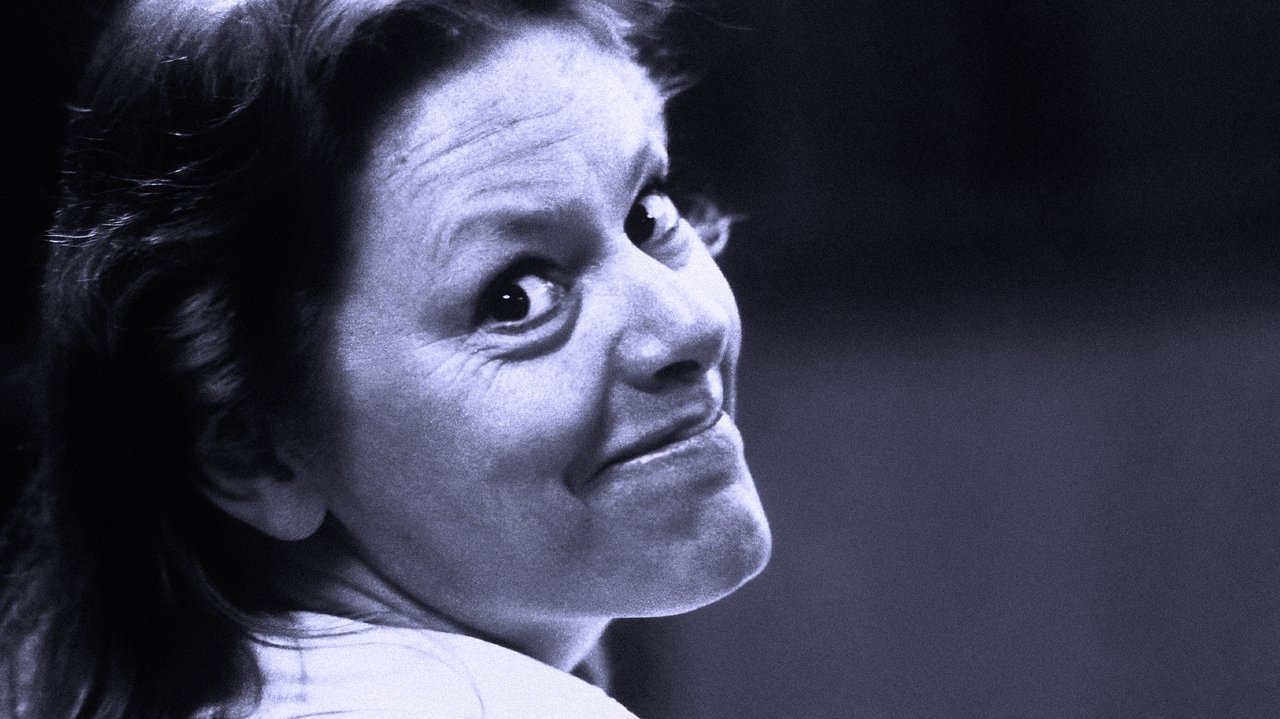
It’s fascinating, in a rather grim way, to watch Broomfield navigate this landscape. He’s constantly negotiating, being stonewalled, and filming the absurd demands and pronouncements of Pralle and Glazer. We learn they are seeking substantial payments for access, essentially attempting to sell interview rights to the highest bidder. Broomfield himself ends up paying $10,000 for interview time, a fact that immediately throws the film's own ethics into question. Is he exposing the commercialization of crime, or has he just become another player in the game? It’s a question the film bravely forces us, and Broomfield himself, to confront.
A Portrait, Obscured
When we do see Aileen Wuornos, often through prison video links or brief interview snippets Broomfield manages to secure, the effect is potent but fragmented. She appears volatile, sometimes sharp and articulate, other times rambling or performing for the camera. We see glimpses of the trauma she endured, but also flashes of calculated anger. The tragedy is that the film, by its very nature of documenting the 'selling', prevents a clear, unmediated portrait. Wuornos is constantly being filtered through the agendas of those around her – Pralle, Glazer, the police officers who also seem keen to cash in, and even Broomfield himself.
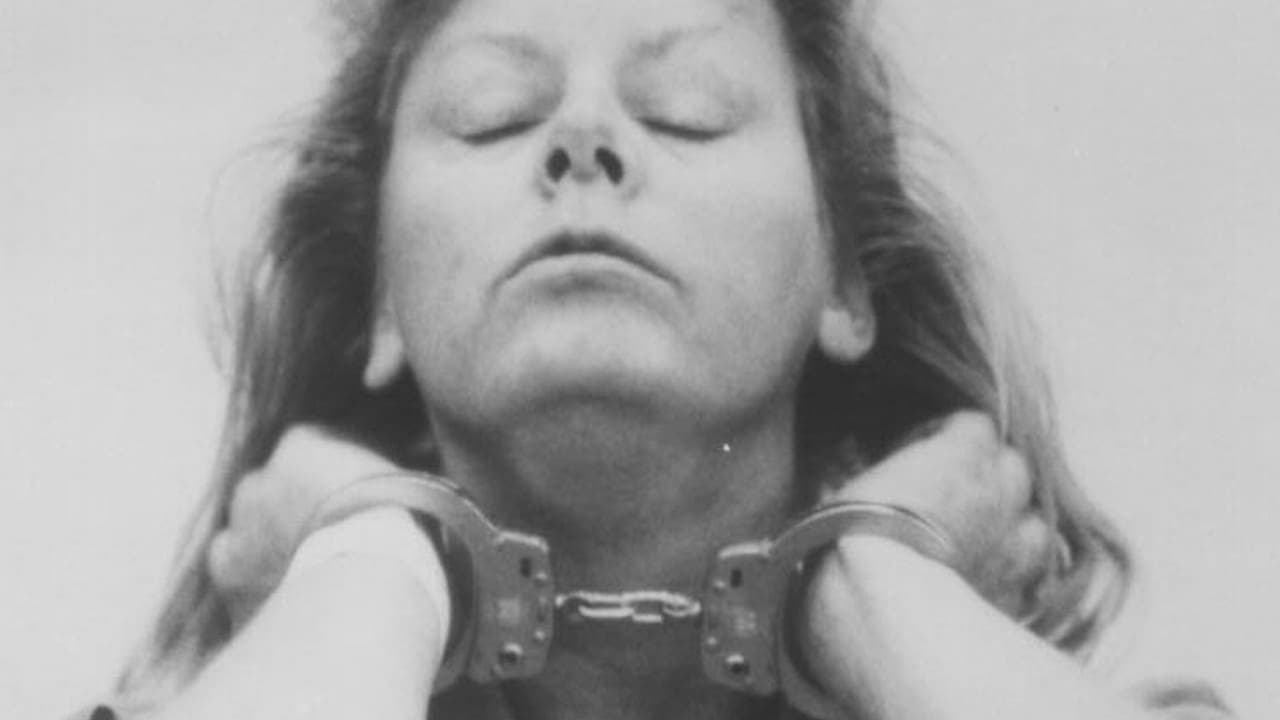
One particularly telling piece of trivia often discussed is how Broomfield had to piece together his film despite the significant roadblocks. The low-budget, almost guerrilla nature of the production is palpable; the handheld camera work and Broomfield’s persistent, slightly bumbling on-screen persona contribute to a feeling of immediacy and chaos. He wasn't working with a massive crew or unlimited resources; he was diving headfirst into a murky situation, camera in hand, capturing the absurdity as it unfolded. Reportedly, the $25,000 budget was tight even by documentary standards of the time, highlighting the challenge he faced.
The Uncomfortable Truth
What makes The Selling of a Serial Killer endure isn't just the window into Wuornos herself, but its unflinching look at the parasitic relationship between media, crime, and capitalism. It captures a moment where true crime fascination was shifting into high gear, and the potential for profit seemed to override ethical considerations for many involved. Does the film offer easy answers? Absolutely not. Broomfield’s methods remain debatable; his payment for access is a sticking point for many viewers and critics, even back upon its release. Did paying Wuornos's handlers ultimately help them or exploit her further?
The raw, unpolished aesthetic feels distinctly of the VHS era – less slick than modern documentaries, more immediate and unfiltered. It feels like something you discovered, rather than something packaged for mass consumption. It doesn't shy away from the unpleasantness, the greed, the sheer strangeness of the situation. It forces you to grapple with the uncomfortable reality that even horrific events can become commodities.
Lasting Impressions
Years later, the film feels like a crucial, if problematic, piece of the Aileen Wuornos puzzle, especially when viewed alongside Broomfield’s 2003 follow-up, Aileen: Life and Death of a Serial Killer, and the acclaimed fictionalized account, Monster (2003), starring Charlize Theron. It exposes the complex machinery operating behind the sensational headlines.
Rating: 7/10
This rating reflects the film's undeniable power as a provocative piece of documentary filmmaking and its unflinching gaze into a deeply troubling scenario. It’s compelling, unsettling, and raises vital questions about media ethics that remain relevant today. The points are deducted for the inherent ethical ambiguities of Broomfield's own involvement and the fact that, by focusing on the 'selling', the portrait of Wuornos herself feels inevitably incomplete and mediated. It’s not an easy watch, nor should it be, but its raw honesty about the transactional nature of tragedy is hard to shake.
What lingers most is the queasy feeling that in the rush to understand, condemn, or even profit from heinous acts, the human beings at the center – perpetrators and victims alike – risk becoming little more than talking points and price tags.