The heat haze shimmering off the asphalt, the endless sky pressing down on a dusty New Mexico town – these are the images that linger long after the gentle hum of the VCR fades. Gas Food Lodging (1992) isn't a film that shouts; it whispers its truths about longing, loneliness, and the fragile bonds between women trying to find their way in a world that offers few easy paths. It arrived quietly, a gem nestled amongst the louder blockbusters on the video store shelves, offering something rarer: a deeply felt portrait of lives lived on the fringes.
Small Town Blues, Big Screen Dreams
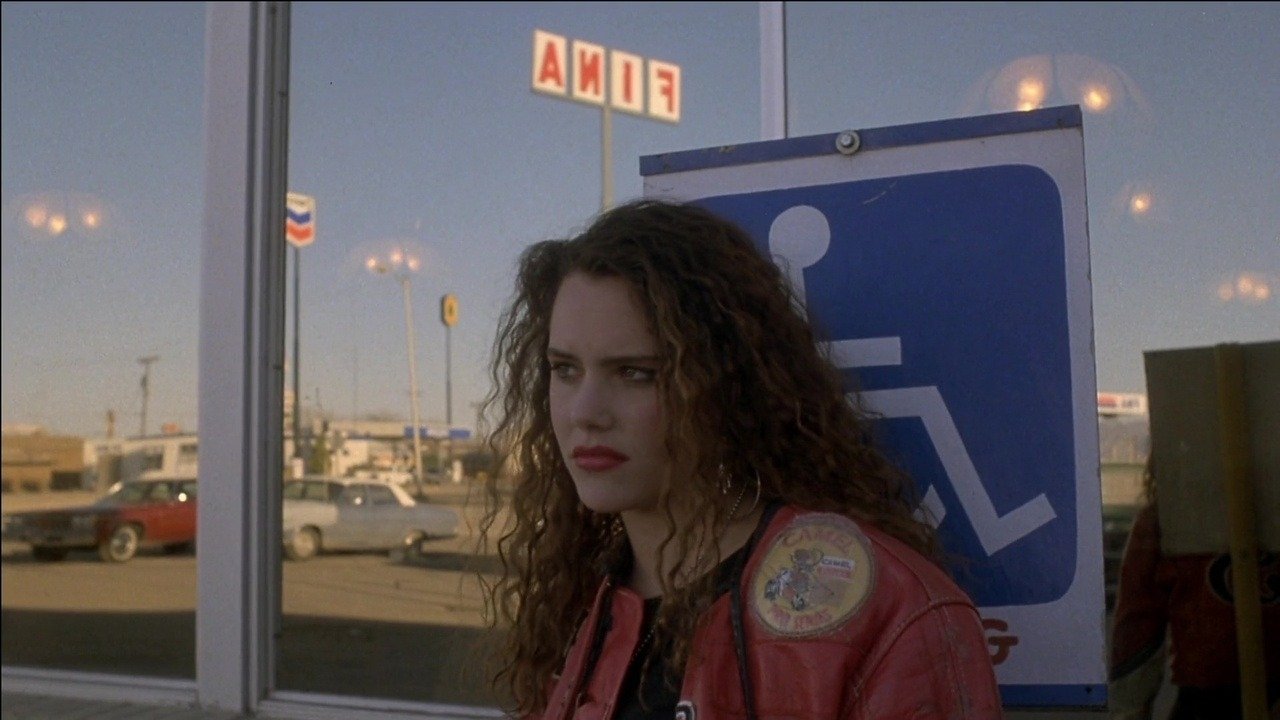
We're dropped into Laramie, New Mexico – a place that feels both specific and universal in its depiction of small-town stasis. Here, Nora (Brooke Adams), a single mother working shifts as a waitress at the local diner, struggles to raise her two teenage daughters, Trudi (Ione Skye) and Shade (Fairuza Balk). Adams portrays Nora with a weary resilience that’s heartbreakingly authentic; you see the weight of responsibility etched onto her face, the flickering hope for something more battling against the daily grind. She’s the anchor, trying to provide the basics – the gas, food, and lodging of the title – while her daughters grapple with their own burgeoning desires and frustrations.
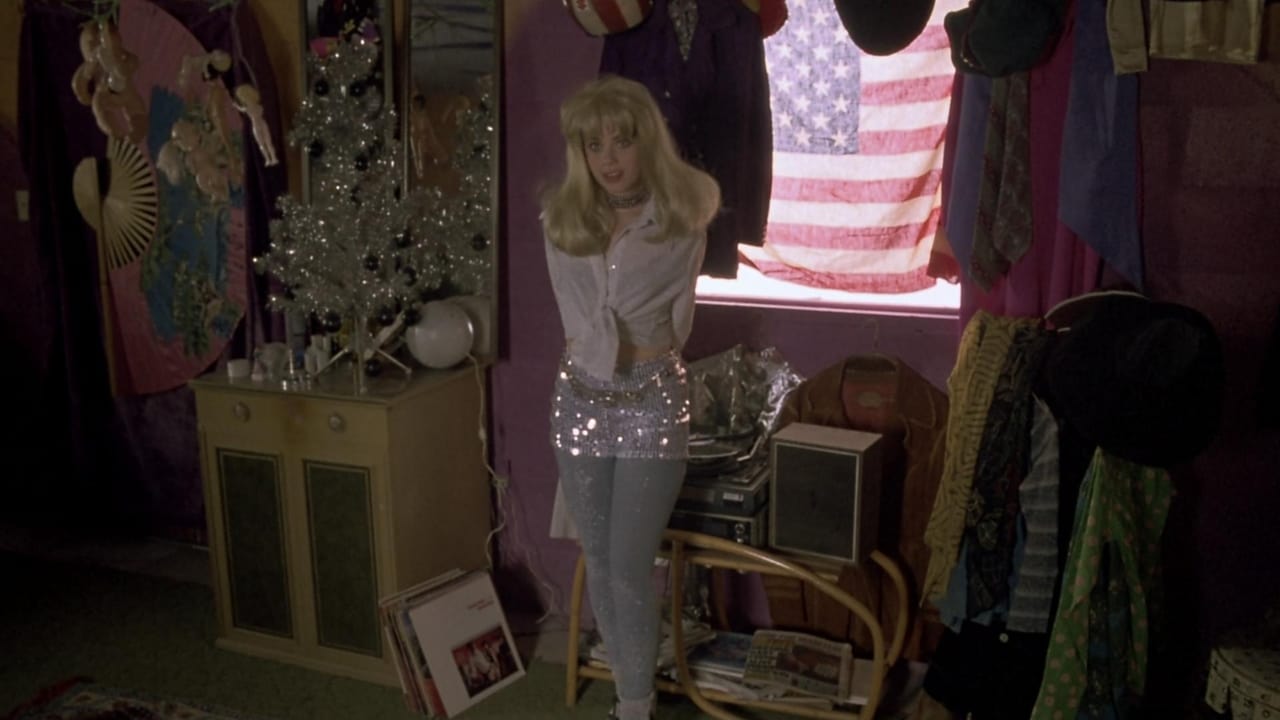
Trudi, played with a restless energy by Skye (already familiar to audiences from films like Say Anything... (1989)), is the rebellious older sister, seeking escape and validation through a string of fleeting relationships with men. Skye captures that potent mix of bravado and vulnerability so common in teenage girls testing boundaries, desperate to feel seen and desired, even if it leads down painful roads. Her yearning is palpable, a raw nerve exposed to the harsh desert wind.

Shade's Inner World
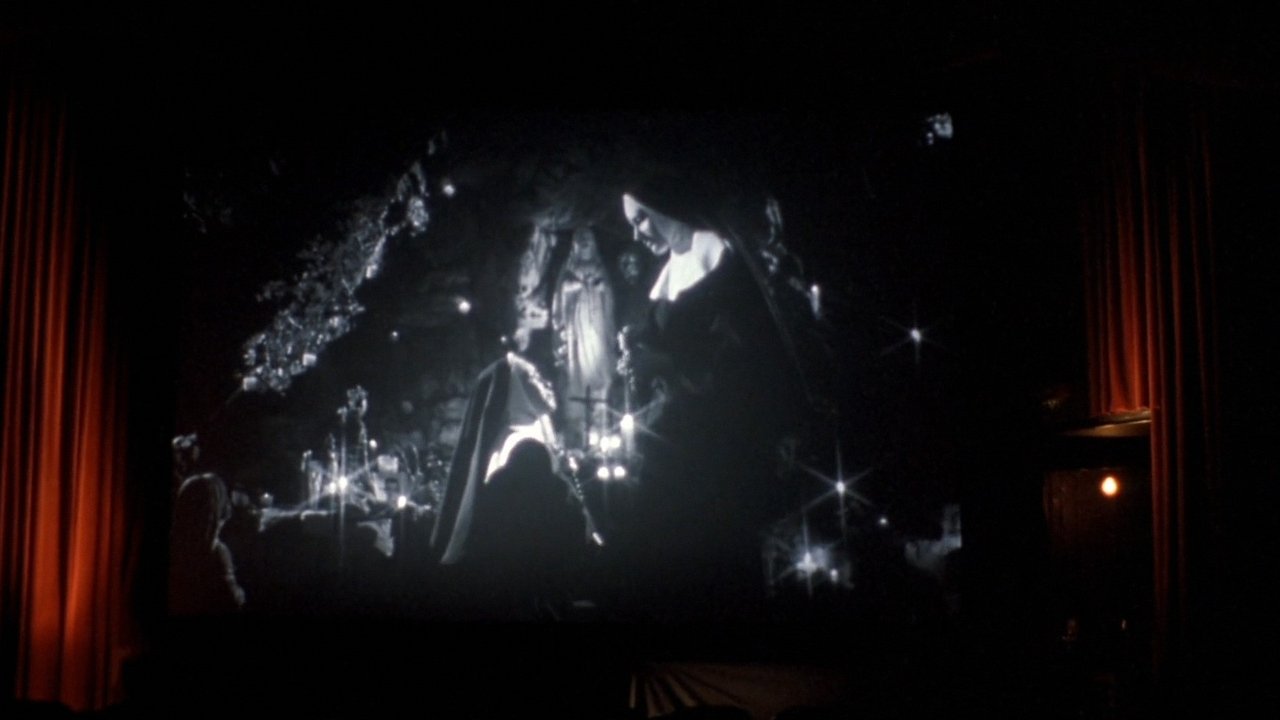
But the film's soulful center is undoubtedly Shade, brought to life in a star-making performance by Fairuza Balk. Fresh off her child role in Return to Oz (1985), Balk here announced herself as a formidable talent, radiating an old-soul intensity that belies her youth. Her performance earned her a well-deserved Independent Spirit Award for Best Female Lead. Shade is the quiet observer, finding solace and a framework for understanding the confusing adult world through the dramatic Spanish-language melodramas starring Elvia Rivero that play at the local cinema. These films-within-a-film aren't just a quirky detail; they are Shade’s lens, her way of processing the complexities of love, betrayal, and hope that swirl around her own family. Doesn't this remind us of how we sometimes use stories – books, movies, songs – to navigate our own lives, especially when young?
An Authentic Vision

Director and writer Allison Anders, who also gave us the vibrant Mi Vida Loca (1993) shortly after, imbues Gas Food Lodging with a distinctly personal touch. Drawing inspiration from her own experiences and adapting Richard Peck's YA novel Don't Look and It Won't Hurt, Anders crafts a narrative that feels lived-in and true. Reportedly shot for a modest $1.5 million, largely on location in Deming, New Mexico (standing in for the fictional Laramie), the film benefits from its lack of Hollywood gloss. The slightly grainy visuals, the unvarnished settings, the focus on quiet moments and telling glances – it all contributes to an atmosphere of aching realism. Anders avoids easy answers or neat resolutions, understanding that life, especially for women navigating limited options, is often messy and uncertain.
The film's soundtrack, featuring contributions from artists like J Mascis of Dinosaur Jr., further roots it in that specific early 90s indie sensibility – melancholic, alternative, perfectly mirroring the characters' internal landscapes. It’s fascinating to think that Anders, who had worked various production jobs including assisting Wim Wenders on Paris, Texas (1984), poured so much of her own journey into making this deeply intimate film, fighting to bring this specific story of female resilience to the screen. It resonated, too, finding critical acclaim after its premiere at the Sundance Film Festival.
Finding Connection in the Dust
What makes Gas Food Lodging endure is its profound empathy. It explores the complex, often fraught, relationships between mothers and daughters, and sisters, with nuance and compassion. We see the misunderstandings, the resentments, but also the deep, unspoken currents of love and loyalty that bind Nora, Trudi, and Shade together, even as they drift apart in their individual quests. The film doesn't judge its characters for their mistakes or their desires; it simply presents them, asking us to understand their search for connection in a place that offers little comfort beyond the basics. Remember stumbling upon films like this back in the day, tucked away in the 'Drama' section? They felt like secrets shared, offering a glimpse into lives far removed from the usual Hollywood fare, yet resonating with universal emotions.
It’s a film about the dreams we chase and the realities we often collide with. Trudi seeks love, Shade seeks understanding (and perhaps her absent father), and Nora seeks stability. Do any of them truly find what they’re looking for? The film leaves that ambiguous, suggesting that the journey itself, the small moments of connection and self-discovery along the way, might be the most significant thing.
Rating: 8/10
Gas Food Lodging earns its strong rating through its sheer authenticity, the knockout performances (especially from Balk and Adams), and Anders' sensitive, insightful direction. It captures a specific time and place with remarkable clarity, exploring themes of female identity, family dynamics, and the yearning for escape with a quiet power that resonates deeply. While its pacing is deliberate and its outlook often melancholic, its emotional honesty makes it a standout piece of 90s independent cinema.
It’s a film that settles in your bones, like the fine desert dust coating everything in Laramie. It leaves you pondering the quiet strength it takes to keep searching for something more, even when all the signs point towards staying put. A true VHS treasure worth seeking out.