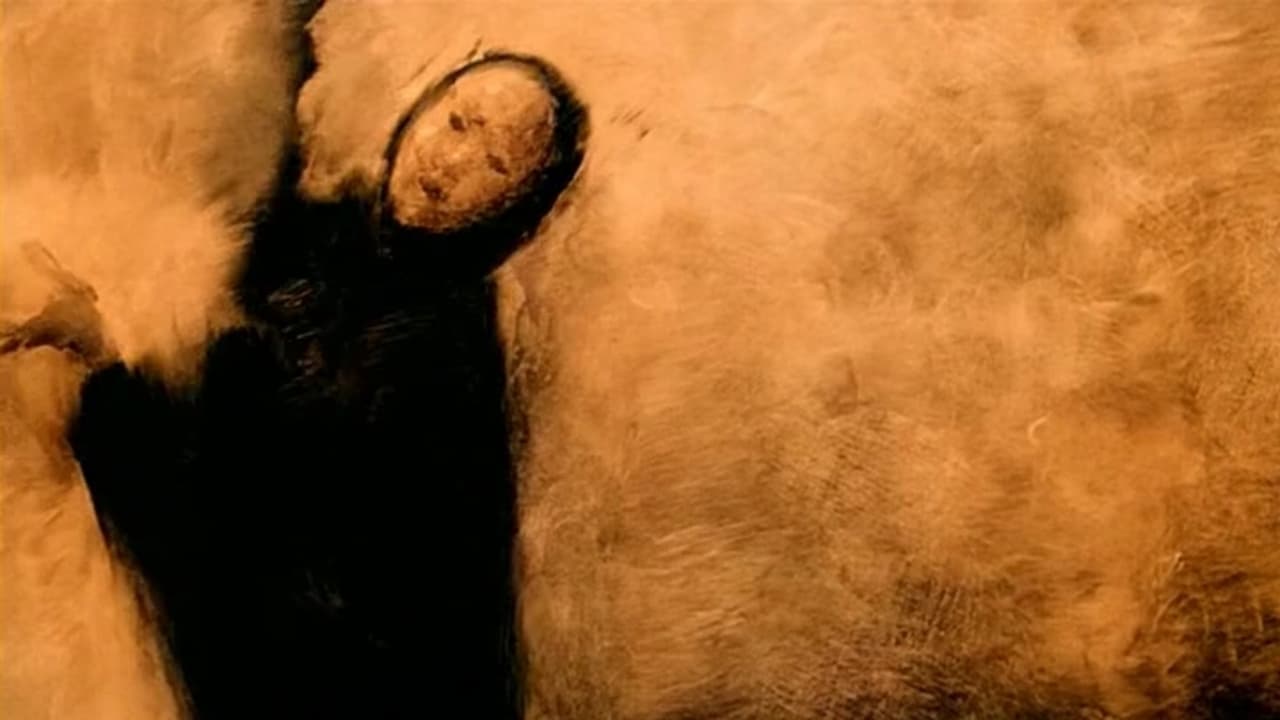
It begins not with a bang, but with a smear of oil paint – fluid, melancholic, almost impossibly alive. Imagine finding this tucked away on a grainy VHS tape, perhaps mislabeled or nestled in a dusty corner of the "International" section, expecting maybe a quirky cartoon, only to be confronted with the raw, existential weight of Fyodor Dostoevsky. This was the unexpected power of discovering Aleksandr Petrov's The Dream of a Ridiculous Man (Сон смешного человека) back in the day, a 20-minute animated short from 1992 that felt less like a movie and more like witnessing a soul painted directly onto glass.
A Canvas of Despair and Hope
Adapted from Dostoevsky's 1877 short story, the film plunges us into the world of a man utterly alienated from society, convinced of life's absurdity and contemplating suicide. Voiced with weary gravitas by the late Aleksandr Kajdanovsky (forever etched in cinematic memory from Andrei Tarkovsky's haunting 1979 masterpiece, Stalker), this "ridiculous man" embodies a profound spiritual emptiness. What makes Petrov's adaptation so utterly mesmerizing isn't just the faithfulness to the source's philosophical core, but the way it's visualized. This isn't traditional cel animation; Petrov employs a painstaking paint-on-glass technique, where layers of slow-drying oil paints are applied and manipulated frame by frame under the camera. The result is breathtaking – a constantly shifting, dreamlike world where figures emerge from and dissolve back into textured brushstrokes, light dances with shadow, and the very fabric of reality feels malleable, mirroring the protagonist's internal state.
Painting Directly From the Soul
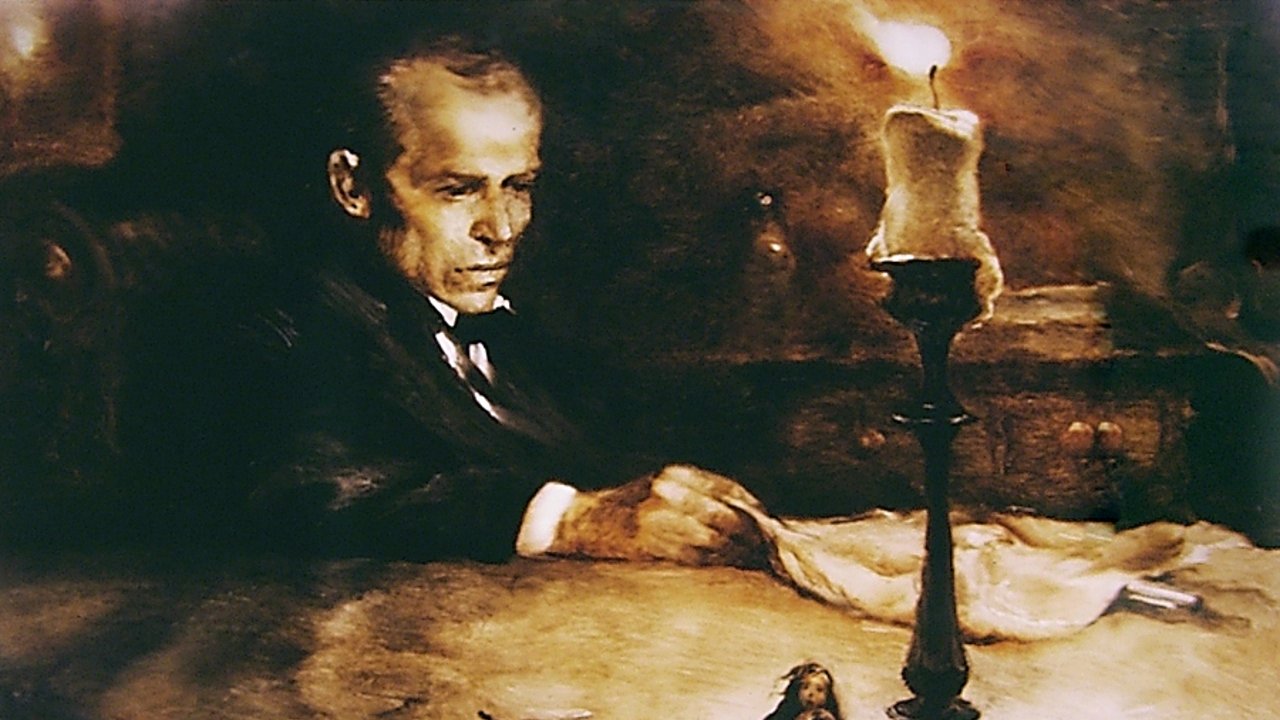
Watching it feels akin to witnessing a classical painting come to life, albeit one steeped in Russian melancholy and existential dread. Petrov, who would later win an Oscar for his IMAX paint-on-glass adaptation of The Old Man and the Sea (1999), demonstrates an astonishing command of his craft here. Consider the transition from the drab, oppressive greys and browns of St. Petersburg to the vibrant, almost blindingly golden hues of the utopian paradise the man dreams of after falling asleep, gun in hand. The paint itself seems to weep, rejoice, and despair. Each frame is, quite literally, a unique painting, destroyed and recreated for the next. Knowing this painstaking process – which reportedly took Petrov and his small team years to complete – adds another layer of appreciation. It’s a labour of love born from immense patience, a stark contrast to the instant gratification culture that was already budding in the early 90s.
The dream sequence itself is the heart of the film. The Ridiculous Man encounters a prelapsarian world, a humanity living in perfect harmony, innocence, and love. Petrov's visuals here are extraordinary, capturing a sense of radiant bliss and connection. Yet, true to Dostoevsky, the Ridiculous Man inadvertently introduces the seeds of corruption – lies, jealousy, division – shattering the idyll. The animation here shifts again, the colours darkening, the movements becoming more frantic and distorted as paradise crumbles into conflict and suffering. It’s a powerful, devastating sequence, rendered with an emotional intensity that transcends language barriers. How could simple paint convey such profound sorrow and the weight of original sin?
Echoes in a Changing World
Released in 1992, The Dream of a Ridiculous Man emerged during a period of immense upheaval following the dissolution of the Soviet Union just months earlier. While Dostoevsky's themes are timeless, one can't help but feel the resonance of a society grappling with lost innocence, fractured ideals, and the daunting search for new meaning, reflected in the film's stark visual poetry. Kajdanovsky's narration, imbued with a lifetime of Russian artistic gravity, anchors the philosophical journey, making the Ridiculous Man's transformation from nihilist to impassioned preacher of the "truth" he witnessed feel earned and deeply moving.
Finding this on VHS felt like unearthing a hidden treasure. It wasn't easily digestible, it wasn't flashy in the typical Hollywood sense, but it possessed a unique, enduring power. It’s the kind of film that might have sat on the shelf at the video store for months, overlooked by those seeking more conventional fare, only to profoundly impact the curious viewer who finally took a chance on the unassuming cover art or intriguing title. It reminds us of a time when animation wasn't solely perceived as children's entertainment but could be a medium for the most profound adult themes.
Does the Ridiculous Man's final, desperate plea to embrace love and truth feel naive, perhaps even... ridiculous? Dostoevsky certainly intended that ambiguity. Yet, Petrov's visualization, combined with Kajdanovsky's voice, leaves you contemplating the enduring power of hope, even in the face of overwhelming cynicism. It poses a question that lingers long after the screen fades to black: What if the truth is that simple, and we are the ones who complicate it?
Rating: 9/10
This score reflects the film's astonishing artistic achievement, its profound faithfulness to the spirit of Dostoevsky, and its sheer emotional power conveyed through the unique paint-on-glass technique. The animation is breathtaking, Kajdanovsky's narration is perfect, and the philosophical depth is undeniable. It might not be conventionally "entertaining," but as a piece of pure cinematic art discovered on tape, it's near-perfect.
A hauntingly beautiful artifact from a bygone era of animation and discovery, The Dream of a Ridiculous Man remains a testament to the power of art to wrestle with life's biggest questions, one brushstroke at a time.