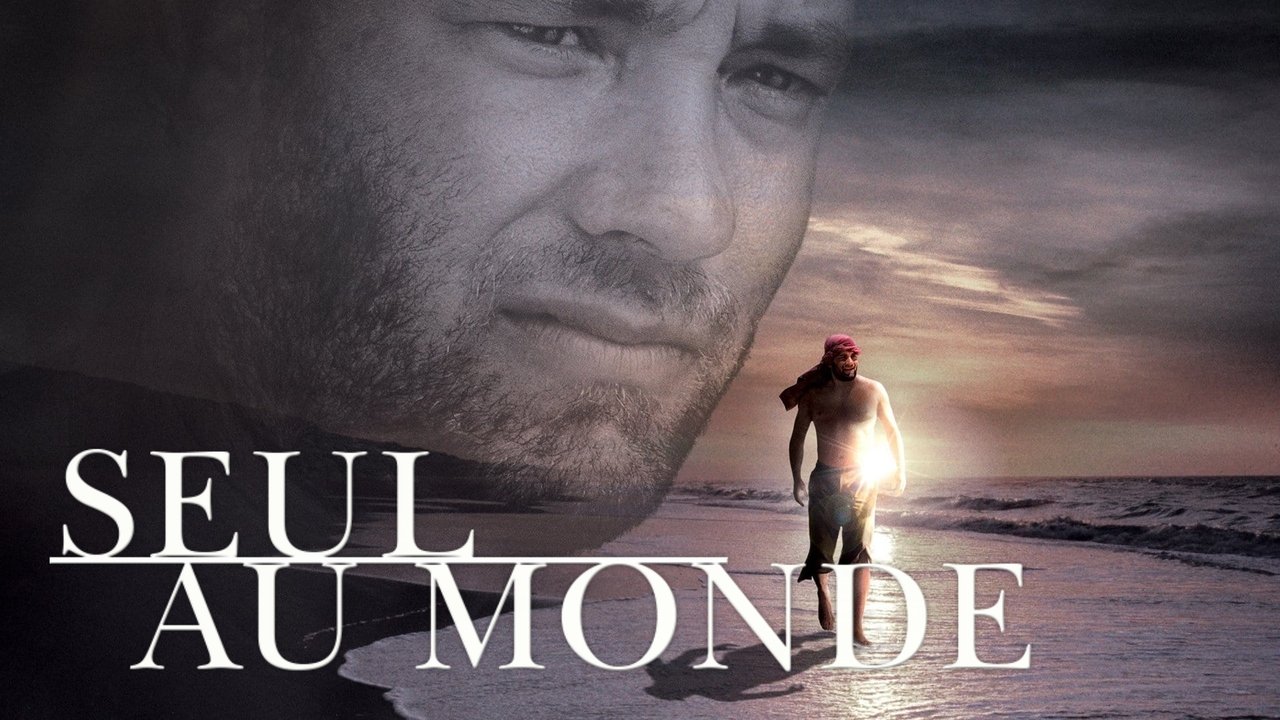
There's a silence that settles deep in your bones after watching Cast Away. Not just the absence of sound that director Robert Zemeckis so masterfully employs during Chuck Noland's island ordeal, but a profound quiet that lingers, echoing the film’s central questions about what truly matters when everything is stripped away. Released in 2000, it arrived just as the millennium turned, perhaps serving as an unintentional, large-scale cinematic pause button, forcing us to consider the frantic pace of modern life versus the stark reality of fundamental survival. For many of us catching it on VHS or those shiny new DVDs shortly after, it felt less like a typical blockbuster and more like an intimate, harrowing epic unfolding in our living rooms.
The Roar and the Whisper
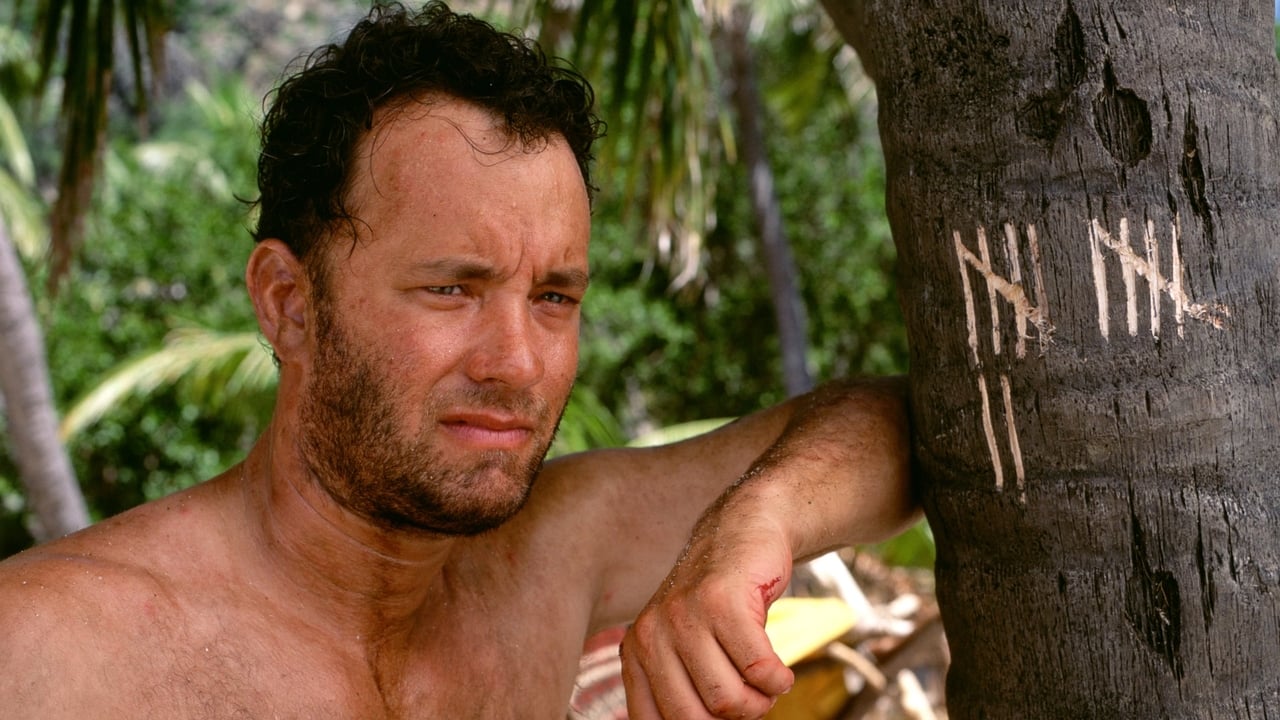
The film opens with the familiar hum of global commerce, embodied by FedEx systems analyst Chuck Noland (Tom Hanks). He’s a man governed by the clock, orchestrating logistics across continents, his life a whirlwind of schedules and efficiency. Zemeckis, no stranger to spectacle after films like Back to the Future (1985) and Forrest Gump (1994), delivers one of the most visceral and terrifying plane crash sequences ever put to film. It’s chaotic, brutal, and utterly convincing. But then comes the pivot. The roar of the storm and tearing metal gives way to the lapping waves and rustling leaves of an uninhabited island. The sudden, overwhelming silence is jarring, a character in itself. It's here the film truly finds its haunting rhythm. There's a fascinating detail about the island sequences: composer Alan Silvestri, a frequent Zemeckis collaborator, provides no musical score for roughly the first two-thirds of the film, from the crash until Chuck escapes the island. This deliberate choice amplifies the isolation, forcing us to confront the raw sounds of nature and Chuck's solitary struggle.
Hanks Against the Elements (and Himself)
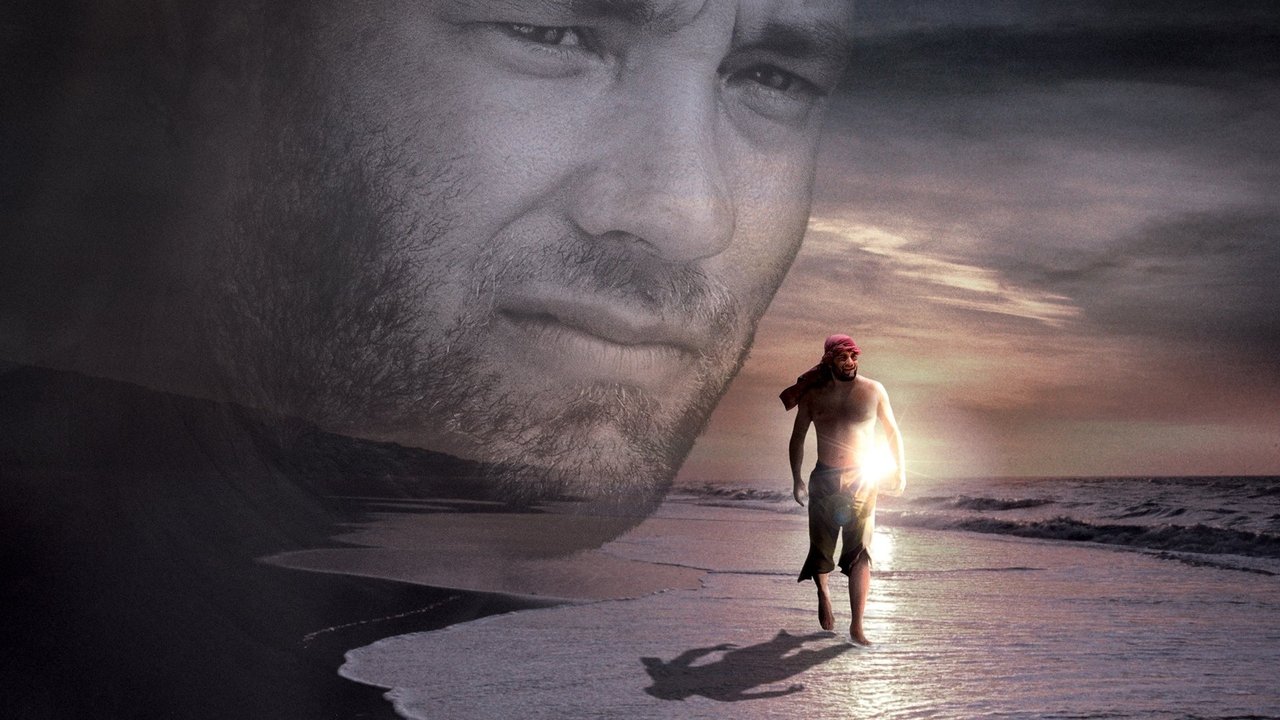
What follows is largely a one-man show, and Tom Hanks delivers a performance that remains staggering. Known for his everyman charm, here he strips away all artifice. We witness Chuck’s initial denial, his fumbling attempts at basic survival (that tooth scene still makes me wince), and his slow, painful adaptation. The physical transformation Hanks underwent is legendary in Hollywood lore. Production famously paused for a year, allowing him to lose over 50 pounds and grow out his hair and beard, lending an undeniable authenticity to Chuck’s emaciated, weathered appearance later in the film. It wasn't just vanity; it was a deep commitment to portraying the brutal toll of years spent alone. Writer William Broyles Jr. reportedly spent several days alone on an isolated beach in the Sea of Cortez as research, attempting to survive by foraging for food and water, an experience that heavily informed the script's realism, including the ingenious idea for Wilson.
Finding Humanity in a Volleyball
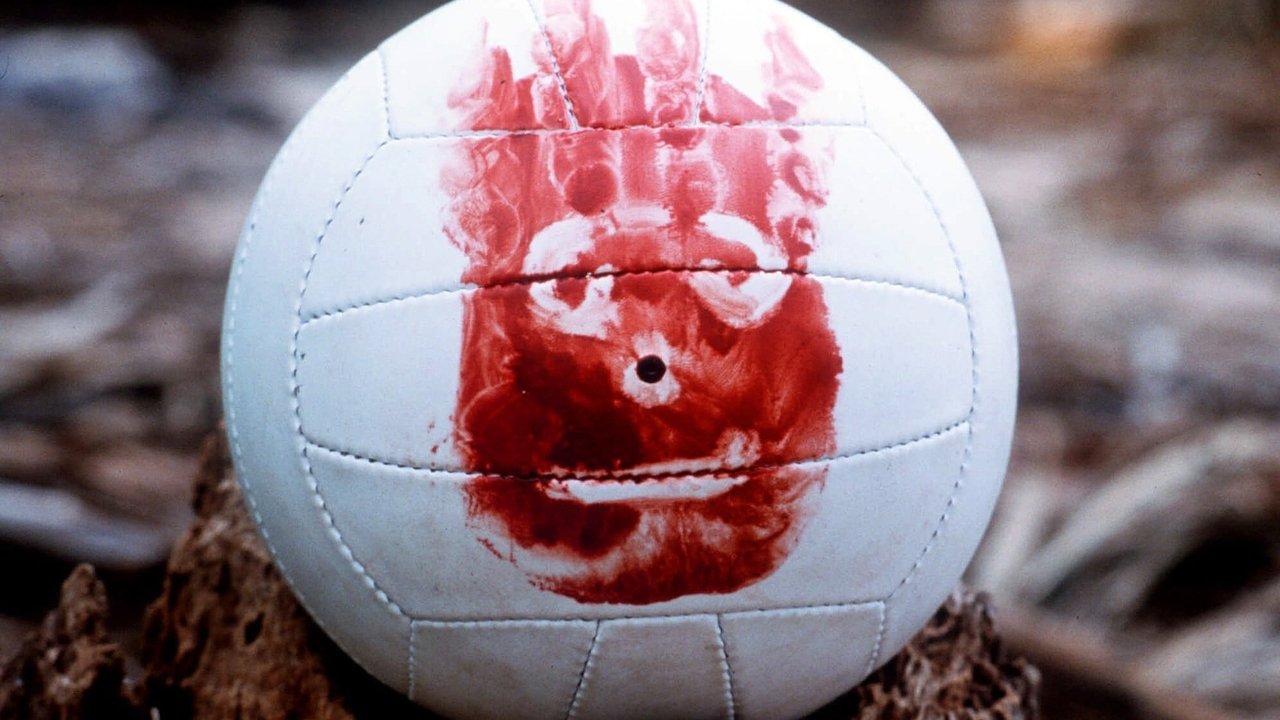
Ah, Wilson. Has any inanimate object evoked such genuine emotional connection from an audience? Born from a bloody handprint on a salvaged Voit volleyball, Wilson becomes Chuck’s confidante, his sounding board, the focus of his fraying sanity. It’s a testament to Hanks’s incredible talent that his conversations with Wilson never feel silly. Instead, they are heartbreakingly real expressions of the fundamental human need for connection. Wilson isn't just a plot device; he represents the mind's desperate attempt to stave off complete psychological collapse. The scene where Wilson is lost at sea... well, if you didn't feel a lump in your throat, you might need to check your pulse. It’s a moment of profound loss, beautifully played by Hanks, capturing the irrational, yet deeply understandable, bond formed in extreme isolation. Multiple Wilson props were apparently used during filming, some designed to look progressively more weathered and battered, mirroring Chuck's own deterioration.
The Weight of the Unopened Package
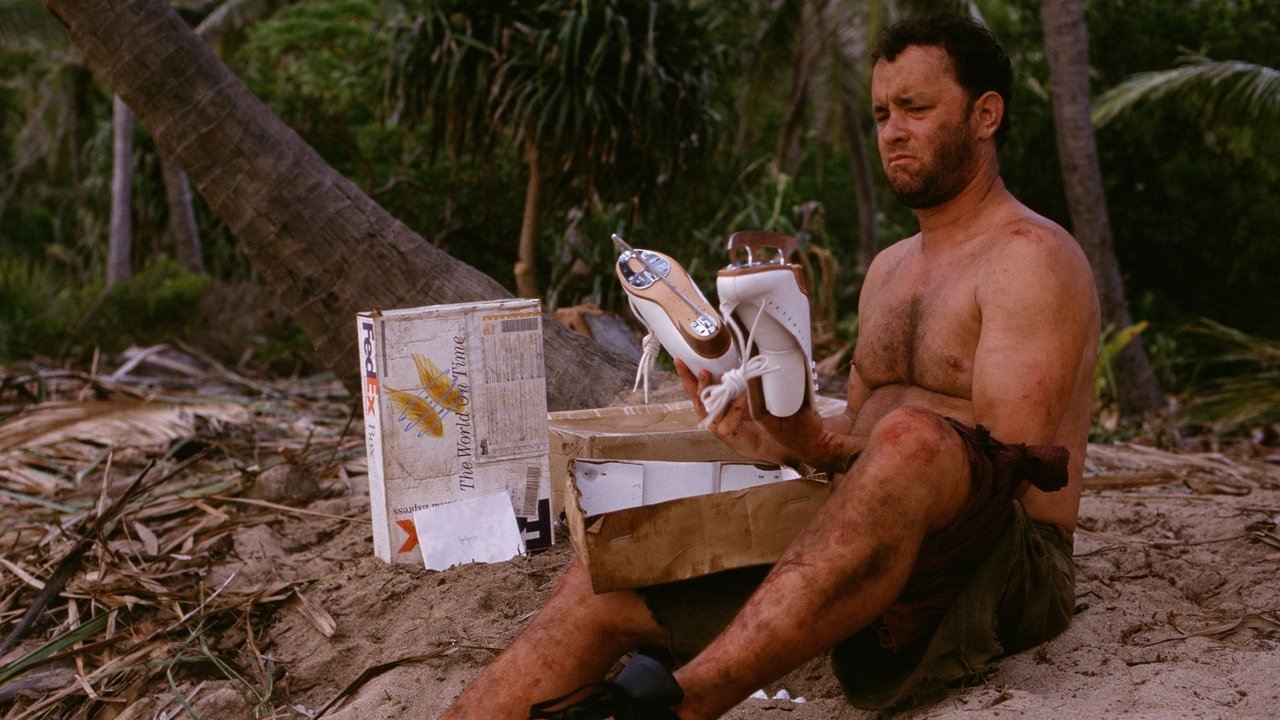
Amidst the salvaged FedEx packages Chuck methodically opens and utilizes, one remains sealed, marked with distinctive angel wings. This unopened package becomes a powerful symbol – perhaps of hope, of purpose, of a connection back to the life he lost. FedEx, incidentally, didn't pay for product placement in the film, though they provided logistical support. Their integration feels surprisingly organic, grounding Chuck's identity and providing the catalyst for his journey. The contents of the package remain famously ambiguous (though the script and a novelization apparently suggested satellite phones, Zemeckis preferred leaving it a mystery), allowing it to function purely as a motivator, a reason to keep going. What might you imagine was inside? Doesn't that question speak volumes about what we project onto symbols of hope?
Coming Home to a Different World
The eventual rescue doesn’t offer simple relief. Chuck returns to a world that has moved on, mourning him and continuing without him. His reunion with Kelly (Helen Hunt, bringing subtle grace and conflicted emotion to her role) is devastatingly complex. The life they planned, the love they shared, is now complicated by time, loss, and her new family. There are no easy answers here. The film resists a tidy Hollywood ending, instead leaving Chuck literally at a crossroads, contemplating his future. It’s a poignant reflection on how survival is only the first step; reintegration carries its own profound challenges. The film was a massive critical and commercial success, grossing nearly $430 million worldwide against its $90 million budget, and earning Hanks another well-deserved Oscar nomination.
Rating: 9/10
Cast Away endures because it taps into universal fears and desires – the fear of isolation, the power of hope, the need for connection, and the resilience of the human spirit. Hanks’s tour-de-force performance, Zemeckis’s assured direction, and the film’s bold narrative choices (especially the lack of score and the extended focus on solitary survival) make it a unique and unforgettable cinematic experience. It justified its nearly 2.5-hour runtime by immersing us completely in Chuck’s journey, forcing introspection long after the credits rolled.
It remains a powerful meditation on what we carry with us, both literally and figuratively, when faced with the ultimate test. What gets left behind, and what absolutely must endure?