Imagine a teacher walking into your unruly classroom, a figure radiating an almost mythic authority, rumoured to be a war hero, perhaps even carrying a pistol beneath his coat. That's the electric jolt Jan Tříska delivers as Igor Hnízdo in The Elementary School (Obecná škola), Jan Svěrák’s remarkable 1991 feature debut. Watching it again, years after first encountering it likely on a slightly worn VHS tape rented from a store shelf dedicated to 'Foreign Films', it feels less like a simple school story and more like a vivid, slightly hazy memory brought to life – a snapshot of childhood colliding with the complex realities of a world freshly scarred by war.
A Classroom Mirroring a Nation
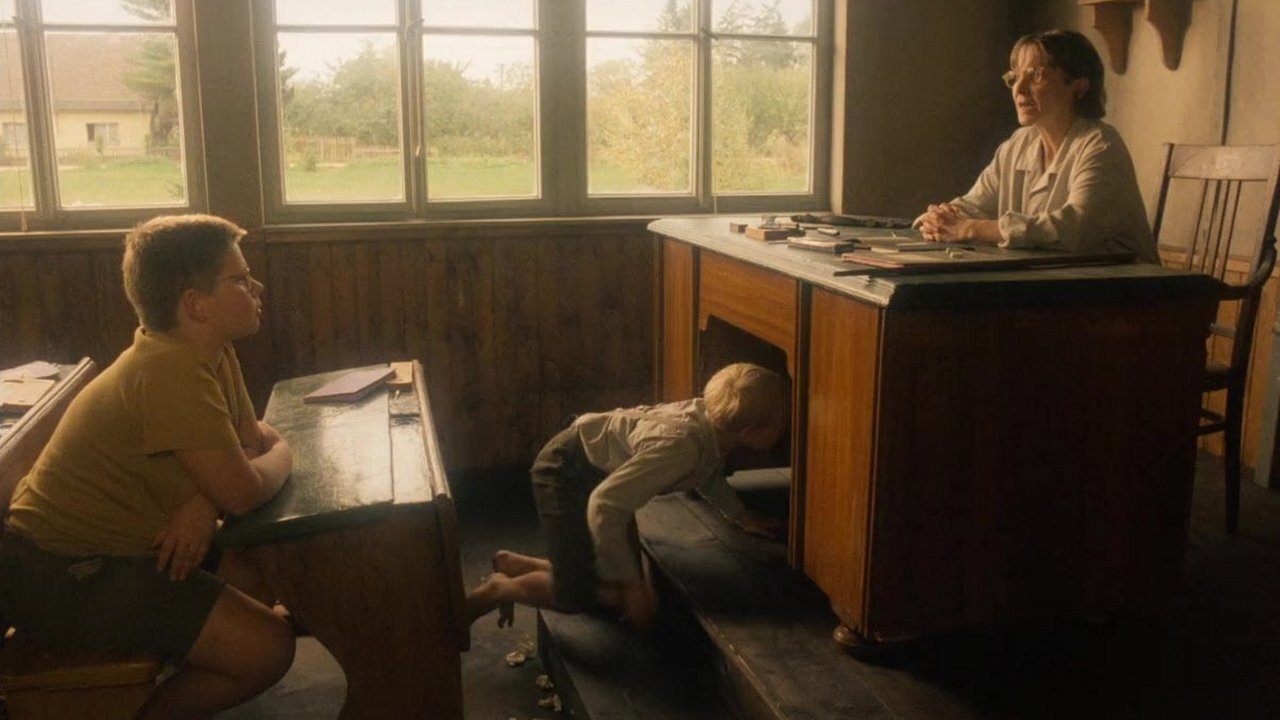
Set in a Prague suburb immediately following World War II, the film, penned by the director's father, Zdeněk Svěrák (who also charmingly plays the protagonist Eda's father), plunges us into the chaos of an all-boys elementary school class. These kids aren't just mischievous; they're practically feral, having driven their previous teacher to a nervous breakdown. The adults seem overwhelmed, mirroring perhaps the uncertainty of Czechoslovakia itself in that liminal space between liberation and a looming new political order. The script draws heavily from Zdeněk Svěrák's own childhood memories, infusing the narrative with an undeniable authenticity, a sense of lived experience that resonates beyond the specific historical context. This father-son collaboration would become a hallmark, leading to later gems like the Oscar-winning Kolya (1996), but the seeds of their sensitive, humane storytelling are already beautifully evident here.
The Enigma of Igor Hnízdo
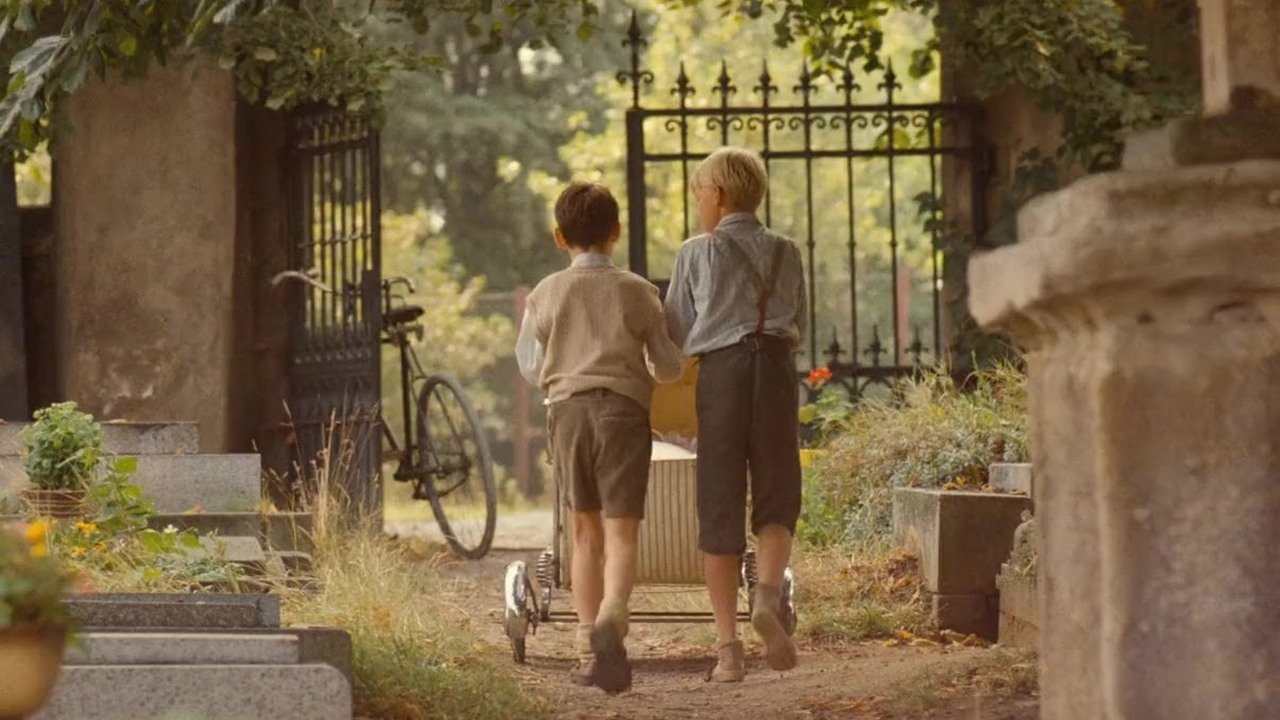
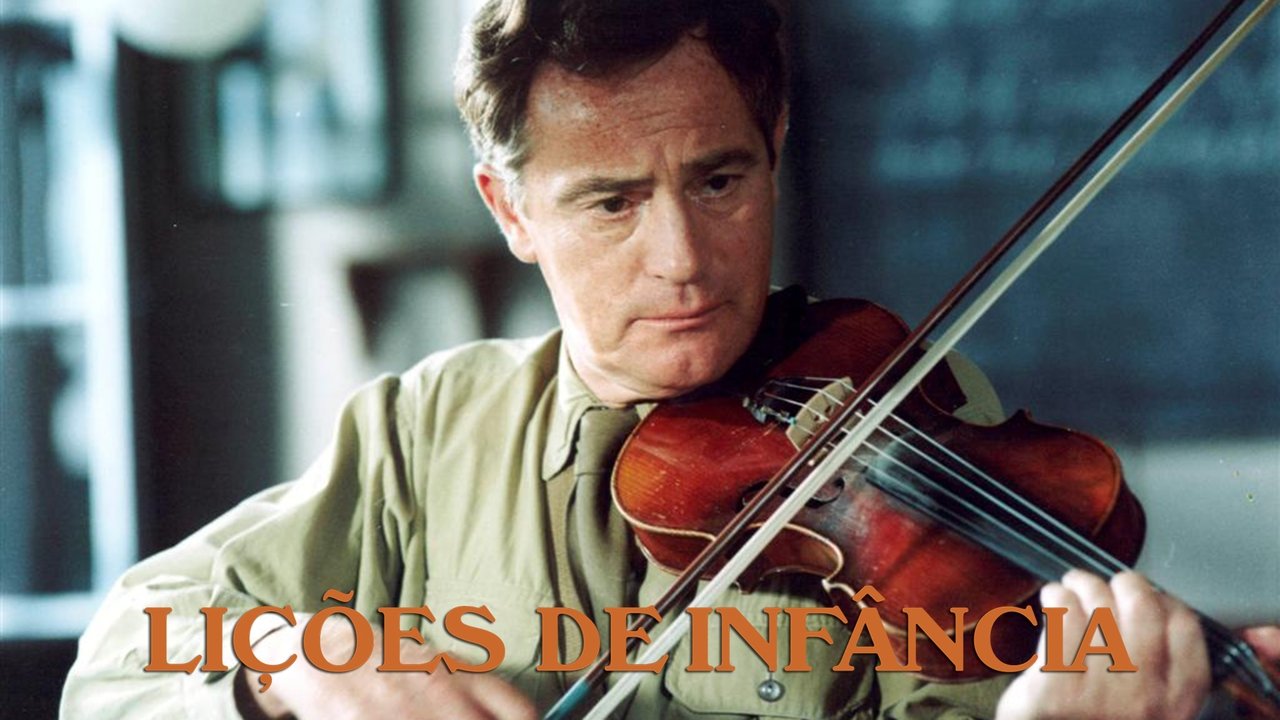
Into this bedlam steps Igor Hnízdo. Jan Tříska, an actor whose own life carried echoes of political upheaval (having emigrated from Czechoslovakia after signing the human rights petition Charter 77 and later building a career in the West with roles in films like Miloš Forman's Ragtime (1981)), imbues Hnízdo with a magnetic, slightly dangerous charisma. He’s handsome, wears a crisp uniform, and tells captivating (and possibly embellished) stories of wartime heroism. He introduces discipline, yes, but it’s tinged with corporal punishment and a theatrical flair that utterly captivates the boys. Is he a genuine hero, a strict disciplinarian, a charming fraud, or some combination of all three? The film wisely leaves him ambiguous. Tříska's performance is masterful; you see why the boys idolize him, why the local women swoon, and why the school authorities might eye him with suspicion. He embodies that potent mix of authority and allure that can seem so heroic through a child's eyes. His methods are questionable by today's standards, certainly, raising questions about the nature of discipline and respect – are they earned through fear or inspiration?
Boys' Own Adventures
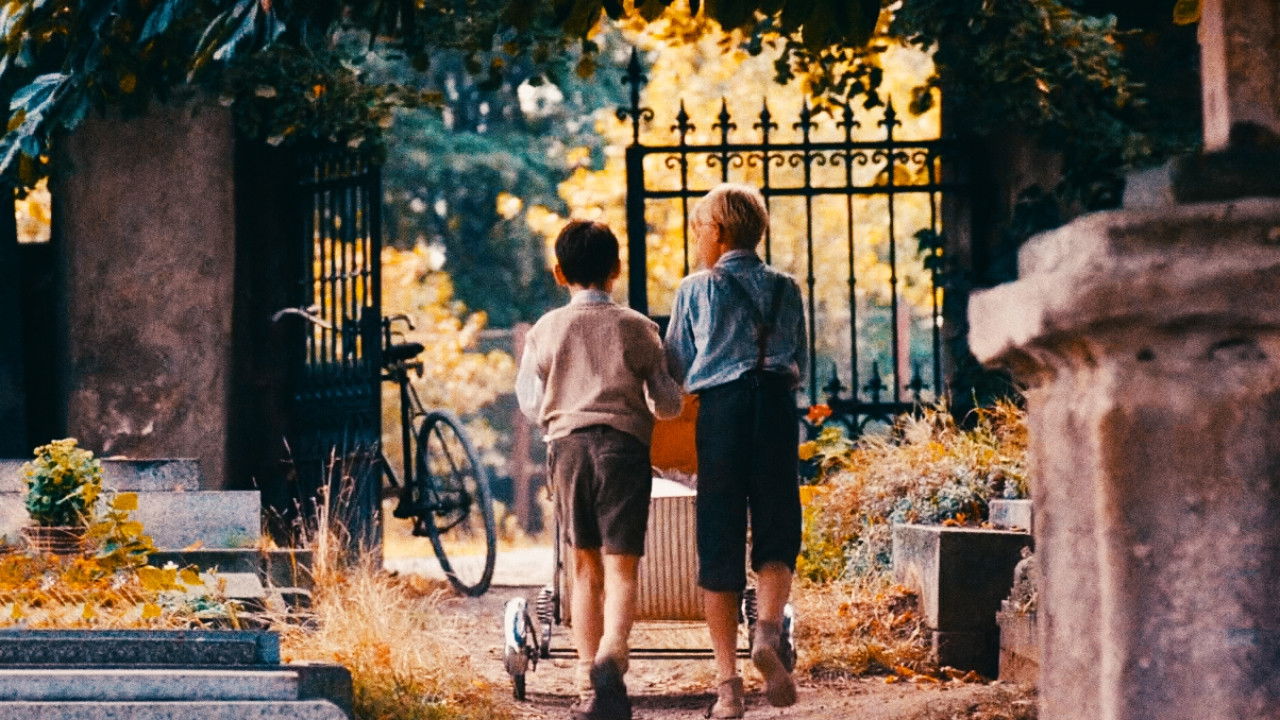
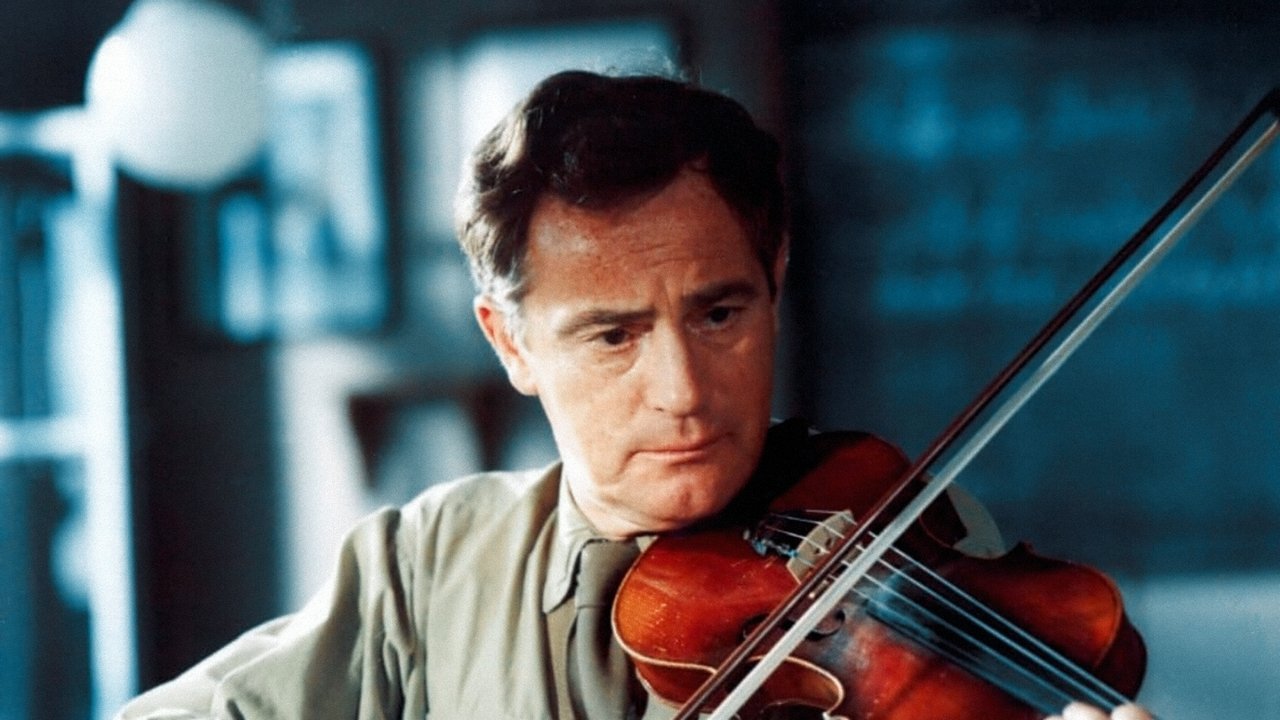
While Hnízdo is the catalyst, the heart of the film lies with the boys, primarily young Eda Souček (Václav Jakoubek) and his best friend Tonda Čejka (Radoslav Budáč). Jan Svěrák captures the world from their perspective with uncanny accuracy – the fierce loyalties and sudden betrayals of friendship, the playground politics, the awkward fumblings of first crushes, the way adult conversations are overheard and misinterpreted. We see their fascination with wartime relics, their slightly morbid curiosity, and their simple joys. Jakoubek and Budáč give wonderfully naturalistic performances, free of the polished precociousness sometimes found in child actors. They feel like real kids navigating a world that’s both mundane and, thanks to Hnízdo and the lingering shadows of war, strangely exciting. Their adventures, arguments, and shared secrets form the emotional core, reminding us of that intense, formative period where friendships feel like everything.
Crafting Memory and Mood
Jan Svěrák’s direction is assured, balancing gentle humour with moments of genuine tension and melancholy. He avoids simple nostalgia, instead creating a palpable atmosphere – you can almost smell the chalk dust, feel the chill in the post-war apartments, sense the undercurrents of change in the adult world. The film looks authentic, capturing the specific textures of 1945 Prague without feeling like a museum piece. The score by Jaroslav Uhlíř, another frequent Svěrák collaborator, perfectly complements the mood, shifting from playful themes to more reflective melodies. It's no surprise the film earned an Academy Award nomination for Best Foreign Language Film; the craft is evident, serving a story told with immense heart and intelligence. It was a significant achievement, showcasing Czech cinema on the world stage.
A Universal Echo in a Specific Time
I remember finding films like The Elementary School back in the video store days felt like discovering a secret handshake, a connection to stories outside the Hollywood mainstream. While deeply rooted in its specific Czech time and place – the immediate post-war uncertainty, the faint whispers of the coming political shifts – its themes are universal. It speaks to the power of influential teachers (for better or worse), the intensity of childhood bonds, the way we mythologize figures from our past, and the process of navigating the often confusing path to growing up. Doesn't every childhood have its own larger-than-life figures, its own baffling adult rules, its own moments where the world suddenly felt bigger and more complicated?
***
Rating: 9/10
This rating feels entirely earned by the film's exceptional blend of heartfelt storytelling, superb performances (especially Tříska's unforgettable turn), and evocative atmosphere. Jan Svěrák crafts a debut that is funny, poignant, and wise, capturing the specific flavour of a historical moment through the universal lens of childhood. It avoids easy sentimentality, offering instead a nuanced look at memory, morality, and the messy business of growing up.
The Elementary School remains a jewel of Czech cinema, a film that reminds you how a seemingly small story about a classroom can hold resonant truths about human nature and the echoes of history. It lingers, much like the enigmatic smile of Igor Hnízdo himself.