Okay, pull up a footlocker and settle in. Remember those video store aisles where the comedy section bled into drama, and sometimes you’d find a gem that felt like both? That’s where Biloxi Blues (1988) always seemed to live on the shelf, nestled somewhere between the outright laugh riots and the heavier hitters. And revisiting it now, it feels less like a simple army comedy and more like flipping through someone’s deeply personal, ink-stained journal – a journal penned under the watchful, slightly unhinged eye of Sergeant Toomey.

This isn't just any story; it's Neil Simon telling his own, filtered through the observant, often wry perspective of Eugene Morris Jerome, brought to life with pitch-perfect timing by Matthew Broderick. Fresh off charming the world as Ferris Bueller two years prior, Broderick steps back into the role of Eugene (which he originated on Broadway in Brighton Beach Memoirs) as he navigates the swampy heat and simmering tensions of Army basic training in Biloxi, Mississippi, during the tail end of World War II. Eugene arrives armed with his wits, his virginity, and a notebook he intends to fill with observations about the colourful, often coarse, characters sharing his barracks. And what characters they are.
The Pressure Cooker Barracks
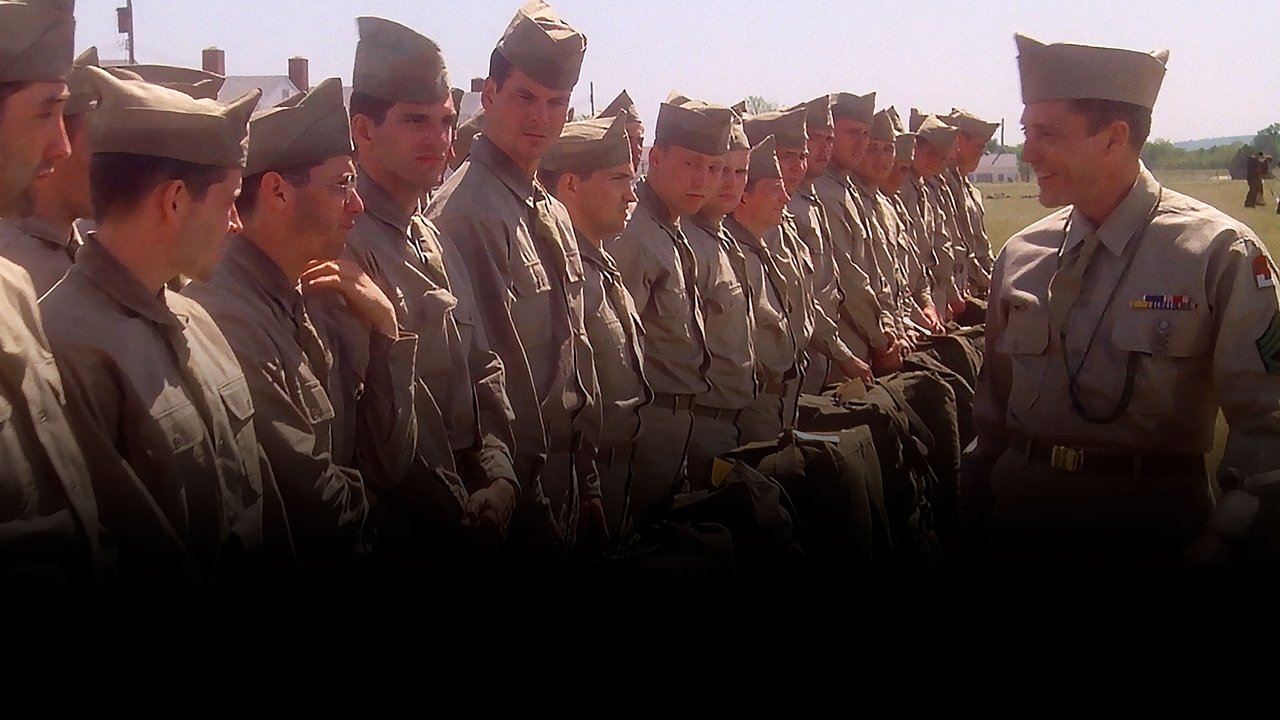
Director Mike Nichols, a maestro known for pulling nuanced performances in films like The Graduate (1967) and Working Girl (which also came out in '88 – what a year for him!), doesn't go for flashy direction here. Instead, he expertly crafts a sense of confinement and camaraderie within those humid barracks walls. You can almost smell the sweat, the cheap cleaning supplies, and the undercurrent of fear. Nichols lets Simon’s dialogue breathe, allowing the ensemble cast to build a believable, if heightened, picture of young men thrown together under duress. The setting itself, primarily Fort Chaffee in Arkansas standing in for Biloxi, feels authentic to the period, a pocket of weary readiness far from the front lines but deeply shaped by the ongoing war.
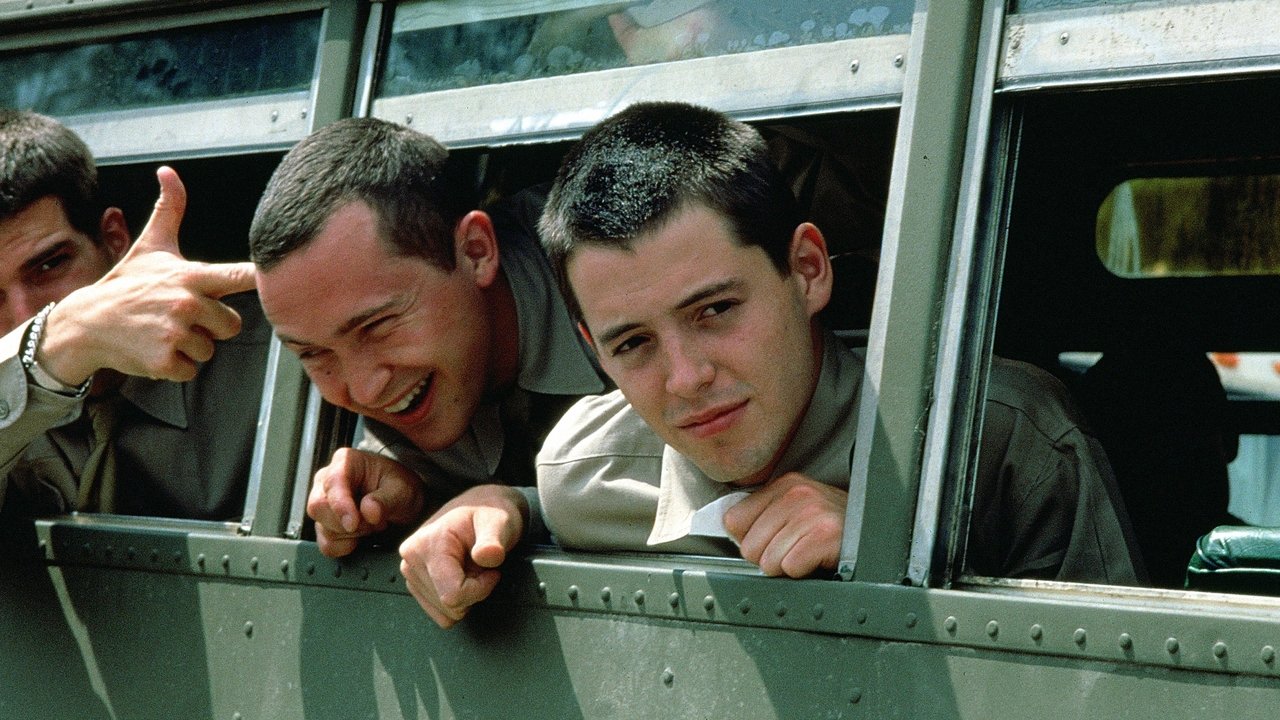
Eugene acts as our guide, scribbling down his thoughts, aiming to become a writer while simultaneously pursuing the more immediate goals of losing his virginity and simply surviving basic training. Broderick embodies this duality beautifully – the intellectual observer grappling with base desires and the harsh realities of military discipline. His narration, lifted directly from Simon's witty and insightful prose, provides the film's backbone, a blend of youthful yearning and sharp commentary. It’s a performance that reminds us Broderick could always handle more than just breaking the fourth wall; there's a genuine sensitivity beneath the clever quips.
Walken's Shadow Looms Large
But let's be honest, who walks away from Biloxi Blues without Sergeant Merwin J. Toomey burned into their memory? Christopher Walken delivers a performance that’s less drill sergeant and more force of nature. With his unsettling calm, unpredictable pauses, and eyes that seem to bore straight through the recruits' flimsy defenses, Toomey is terrifying, pathetic, and darkly funny all at once. There's a theatricality to him, a man performing a role he both masters and is trapped by. Remember that scene where he forces Wykowski (Matt Mulhern, embodying the platoon's resident bully) to perform endless push-ups while calmly explaining his own philosophy? It’s pure Walken – mesmerizing and slightly absurd. Rumour has it Simon based Toomey on drill instructors he actually encountered, and Walken certainly imbues him with a disturbing reality. His presence elevates the film beyond a simple coming-of-age tale; he represents the arbitrary, often irrational nature of authority, and the hidden demons that can drive seemingly controlled men. It's a performance that absolutely earned its American Comedy Award nomination for Funniest Supporting Actor, though 'funny' barely scratches the surface of what Walken achieves here.

Beyond the Laughs
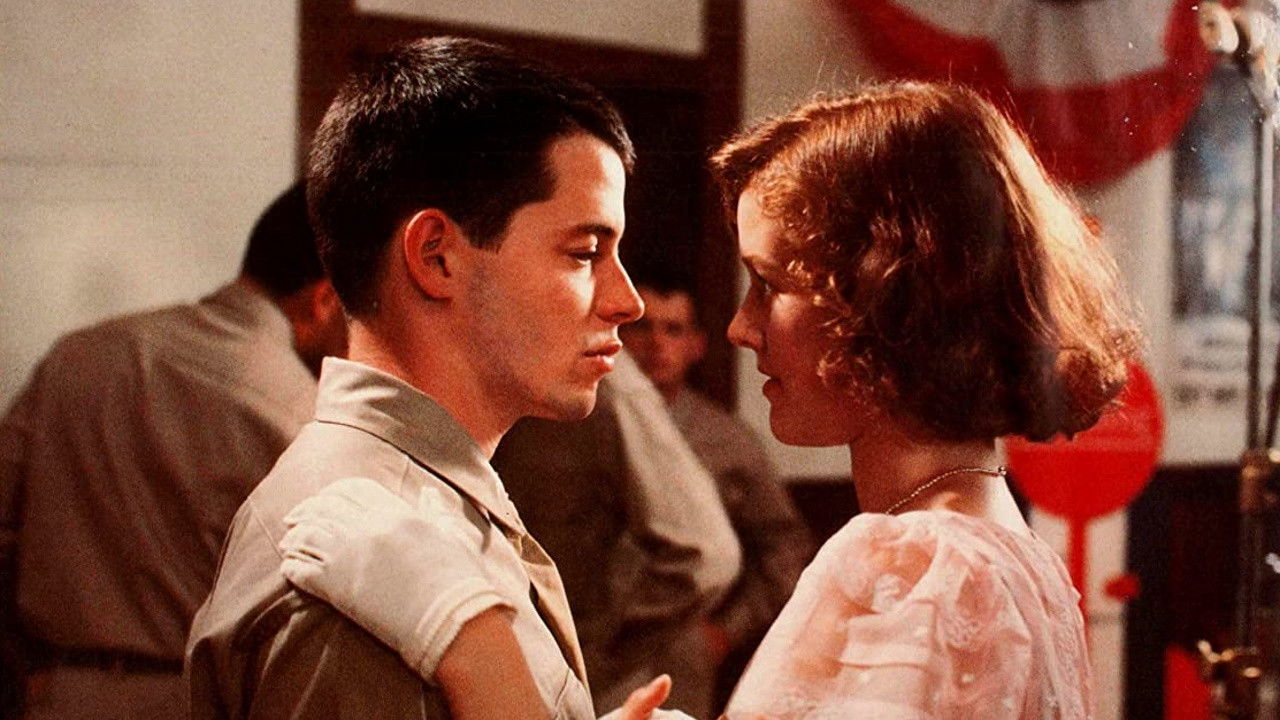
While Simon’s trademark wit provides plenty of laughs – the awkward encounters with local girls, the barracks banter, Eugene’s internal monologues – Biloxi Blues doesn't shy away from uglier truths. The casual anti-Semitism faced by Eugene and the sensitive Arnold Epstein (Corey Parker, in a standout turn) feels jarringly real, as does the suspicion and prejudice directed towards Epstein when he's perceived as different, possibly homosexual. These moments aren't played for laughs; they land with a discomforting thud, reminding us that the camaraderie of the platoon is fragile, easily fractured by ingrained biases. The film doesn't offer easy answers, instead presenting these conflicts as part of the messy, complicated process of young men learning about the world and each other, often the hard way. It's this willingness to explore darker corners that gives the film its lasting weight. Did you find those moments resonated differently watching it years later, perhaps?
Simon's Story, Nichols' Lens
As the second part of Neil Simon's semi-autobiographical stage trilogy (following Brighton Beach Memoirs and preceding Broadway Bound), Biloxi Blues benefits immensely from the playwright's personal investment. It feels lived-in, authentic in its portrayal of youthful anxieties and discoveries against the backdrop of a world at war. Simon had an incredible knack for finding the humor in hardship and the humanity in flawed characters, and Nichols translates that beautifully to the screen. The film was a respectable success, pulling in over $51 million on a roughly $20 million budget (that's around $120 million today – not bad at all!), proving audiences were still connecting with Simon's blend of heart and humor. I distinctly remember renting this tape, expecting maybe a straightforward service comedy, and being surprised by its depth and the quiet power of Walken's performance. It stuck with me more than many broader comedies of the era.
***
VHS Heaven Rating: 8/10
Biloxi Blues earns a strong 8 out of 10. It’s a wonderfully realized adaptation of Simon’s sharp, funny, and poignant play, anchored by a perfect central performance from Matthew Broderick and an unforgettable, slightly terrifying turn by Christopher Walken. Mike Nichols directs with a steady hand, allowing the superb dialogue and ensemble cast to shine. While primarily a coming-of-age story filled with humor, it doesn’t flinch from exploring prejudice and the anxieties of wartime, giving it a surprising depth that elevates it beyond typical 80s fare. The film successfully justifies its rating through its stellar performances (especially Walken's unique and menacing portrayal), its authentic capture of both the humor and the underlying tension of basic training, and its thoughtful exploration of themes like identity, authority, and prejudice, all delivered through Neil Simon's signature witty and heartfelt writing.
It remains a film that feels both specific to its WWII setting and universal in its portrayal of young people finding their way under pressure. What lingers most, perhaps, isn't just the laughter, but the quiet moments of reflection – Eugene at his notebook, pondering the strange, harsh, and sometimes beautiful world unfolding around him. A true gem from the late 80s video store shelf.