What happens when a ghost haunts a town, not with rattling chains, but with the sheer, suffocating weight of memory and unspoken possibilities? That's the curious energy simmering beneath the surface of Clyde, Ohio, in Jim Abrahams' 1990 departure from broad comedy, Welcome Home, Roxy Carmichael. It’s a film less about the titular phantom figure, the local girl who made it big and vanished fifteen years prior, and more about the ripples her impending return sends through the lives of those left behind, particularly one fiercely independent teenager named Dinky Bossetti.

I remember catching this one on a rented tape, probably nestled between bigger hits on the New Releases shelf. It didn't have the pyrotechnics of an action flick or the easy laughs of Abrahams' previous work like Airplane! (1980) or Top Secret! (1984). Instead, it offered something quieter, stranger, and ultimately, quite affecting. It burrowed under the skin in a way those flashier films didn't, leaving you pondering the peculiar aches of adolescence and the ways we construct identities from fragments and hopes.
A Small Town Holding Its Breath
The setup is pure small-town intrigue. Roxy Carmichael, a local legend who achieved fame and fortune before disappearing, has announced her intention to return to Clyde to dedicate a new town building. The news sends the community into a frenzy. Old flames reignite, past regrets surface, and everyone projects their own hopes and anxieties onto the enigmatic figure of Roxy. Is she coming back for love? For revenge? Or just to bask in the glory of her origins? The film cleverly keeps Roxy herself almost entirely off-screen, allowing her to exist as a symbol, a Rorschach test for the town's collective psyche.
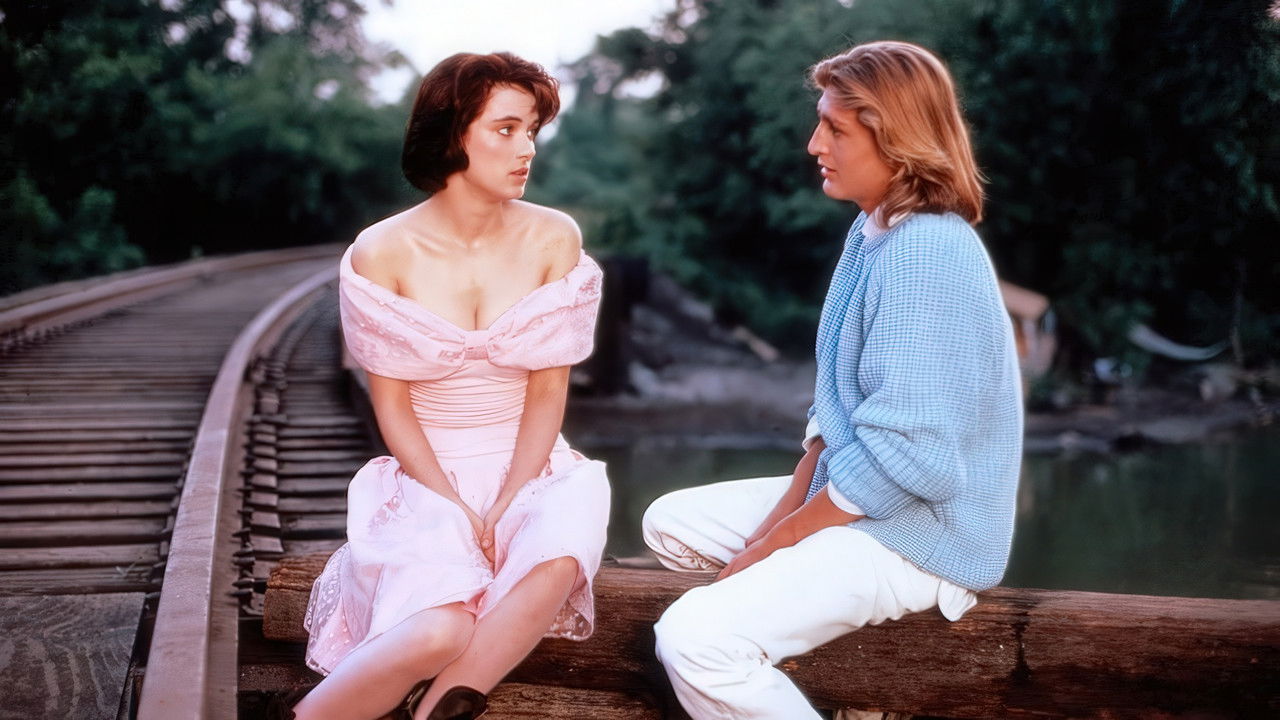
At the center of this swirling speculation is Dinky Bossetti, brought to life with a captivating blend of vulnerability and defiance by Winona Ryder. Fresh off defining roles in films like Heathers (1988) and Beetlejuice (1988), Ryder embodies the quintessential outsider. Clad in black, tending to a menagerie of rescued animals she calls her "Ark," Dinky is ostracized by her peers and largely misunderstood by the adults around her. She writes poetry, speaks her mind with brutal honesty, and carries herself with an air of guarded intensity that hints at deep-seated wounds. It's a performance that feels incredibly authentic; Ryder doesn't just play alienated, she radiates it, making Dinky's longing for connection palpable.
More Than Just Quirky
What elevates Roxy Carmichael beyond a simple quirky teen drama is its exploration of deeper themes. Dinky becomes convinced that she is Roxy's abandoned daughter, left behind when Roxy fled Clyde years ago. This conviction fuels her actions, giving her a sense of purpose and identity she desperately craves. Is it delusion, wishful thinking, or could there be truth to it? The film handles this ambiguity beautifully, allowing us to empathize with Dinky's desperate hope without necessarily confirming its validity. It taps into that universal teenage yearning to be someone else, someone destined for more than the mundane reality they inhabit.
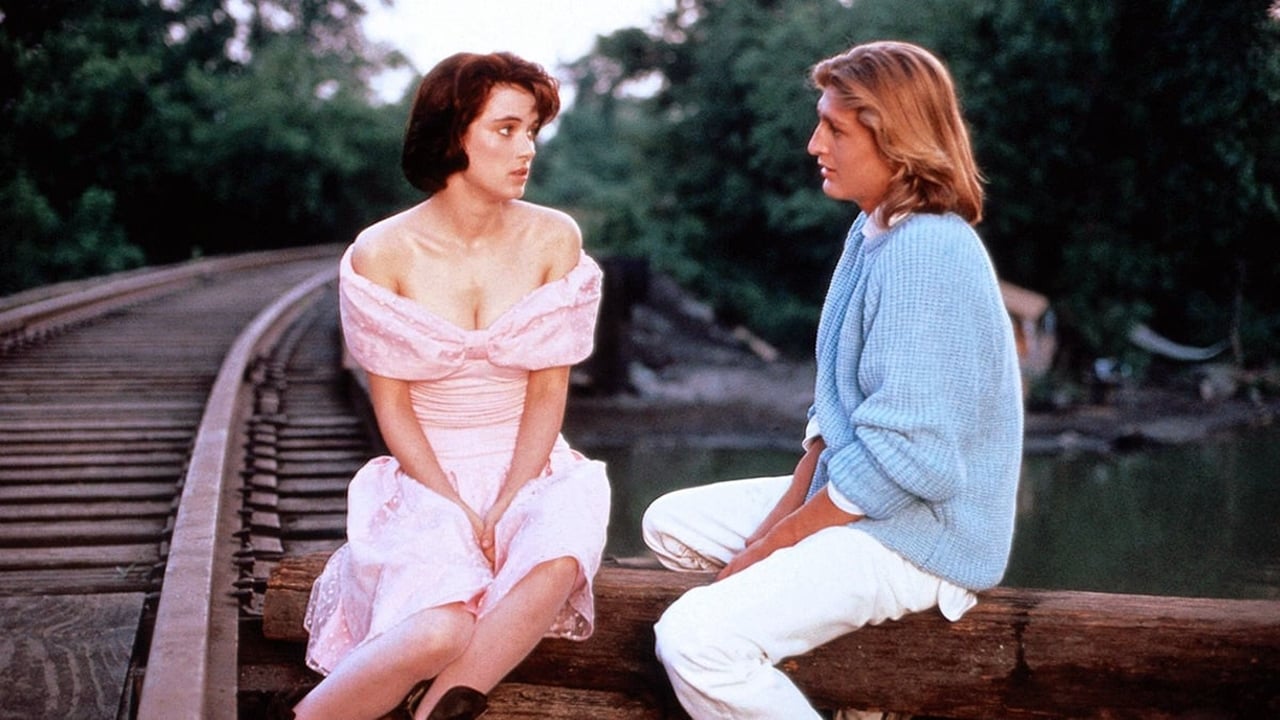
Jeff Daniels, playing Denton Webb, Roxy's old flame who stayed behind and married another woman (played with quiet resignation by Laila Robins), provides the film's emotional anchor among the adult cast. Daniels, who could navigate charming comedy (Something Wild, 1986) and affecting drama (Terms of Endearment, 1983) with equal skill, perfectly captures Denton's conflicted state – a man seemingly content yet haunted by the "what ifs" of his past. His interactions with Dinky, initially wary and then developing into a tentative understanding, form some of the film's most resonant moments. There's a shared sense of being slightly out of step with the town's expectations that draws them together.
A Director's Detour and Retro Charm
It's fascinating to see Jim Abrahams, a master of Zucker-Abrahams-Zucker rapid-fire parody, tackle this more character-driven piece. While the film isn't entirely devoid of humor (often stemming from the town's exaggerated reactions), Abrahams largely plays it straight, focusing on mood and performance. You can almost feel him consciously resisting the urge to insert a sight gag. This shift wasn't a huge box office draw – the film reportedly made around $4 million domestically – perhaps audiences weren't sure what to expect. Yet, this directorial choice allows the film's quieter moments and Ryder's raw performance to shine.
The film also benefits immensely from its sense of place. Shot partly on location in Ohio, it captures that specific late-80s/early-90s small-town America feel – the slightly faded storefronts, the local diner gossip, the earnestness of community events. Dinky's unique style, a sort of proto-goth aesthetic before it became mainstream, felt genuinely rebellious against this backdrop. It’s a snapshot of a time just before the internet would have likely demystified Roxy Carmichael in about five minutes.
The Lingering Question
Does the film completely stick the landing? Perhaps the resolution feels a touch neat after the nuanced build-up. But the journey getting there, particularly through Dinky's eyes, is what stays with you. It’s a film that understands the intensity of teenage emotions, the feeling of being profoundly different, and the desperate search for belonging, even if it means latching onto a fantasy. What does it mean to find your identity? And how much of who we are is shaped by the stories we tell ourselves about where we come from?
Welcome Home, Roxy Carmichael isn't a blockbuster spectacle, but it's a heartfelt and often poignant character study anchored by a superb central performance. It’s one of those quieter VHS finds that offered something different, something thoughtful, lingering in the mind long after the tape clicked off.
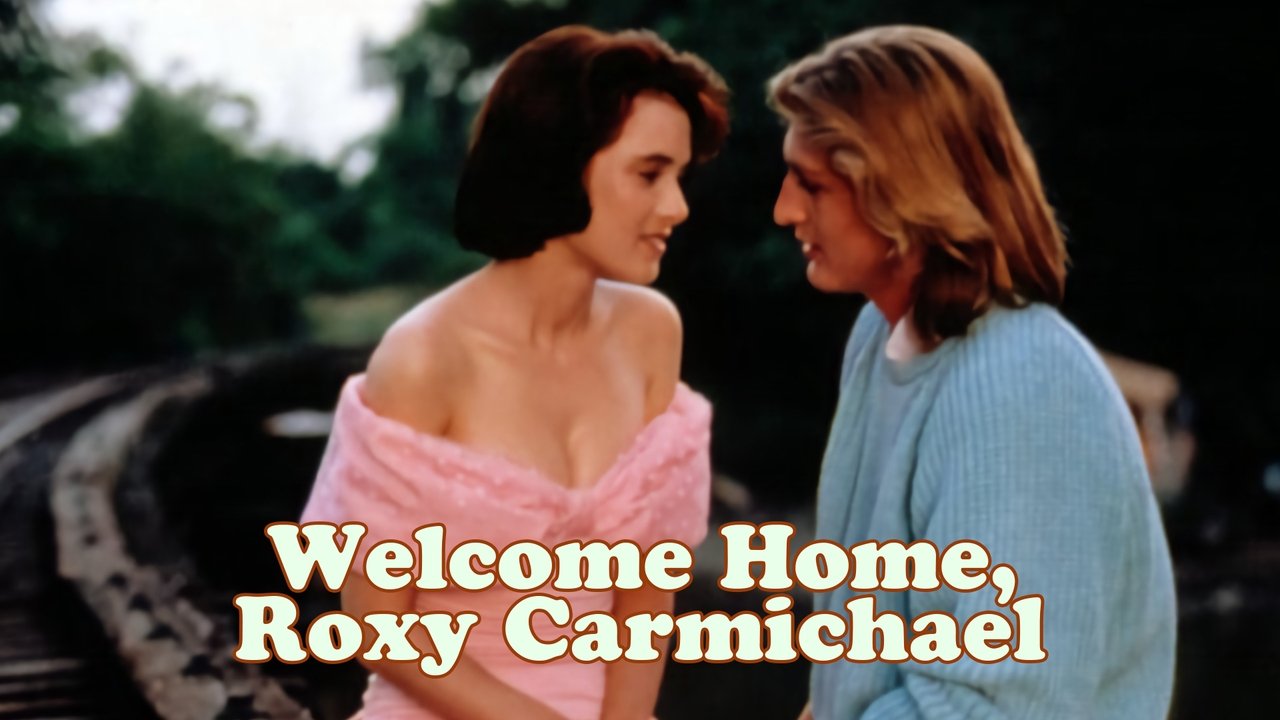
Rating: 7.5/10
Justification: The film earns its score primarily through Winona Ryder's magnetic performance, its evocative small-town atmosphere, and its sensitive exploration of adolescent alienation and identity. Jeff Daniels provides strong support. While Jim Abrahams' direction is competent in this different mode, the pacing occasionally meanders, and the ending feels slightly less daring than the setup. However, its strengths significantly outweigh its weaknesses, making it a memorable and underrated gem from the era.
Final Thought: It leaves you wondering not just about Roxy, but about all the quiet Dinky Bossettis out there, building their own arks against the flood of conformity, waiting for a sign that they belong.