What whispers back when we shout into the cosmic darkness? It’s a question that has captivated humanity for millennia, and perhaps no film from the late 90s explored it with such intelligence, heart, and sheer awe as Robert Zemeckis's Contact (1997). Based on the novel by the legendary astronomer Carl Sagan and his wife Ann Druyan, this wasn't just another alien invasion flick we'd find crowding the shelves at Blockbuster. Pulling this tape off the shelf felt different. It promised something more profound, a thoughtful journey into the unknown, both outward and inward. And revisiting it now, that promise still holds true, resonating perhaps even more deeply in our hyper-connected, yet often isolating, world.
Listening for the Echo
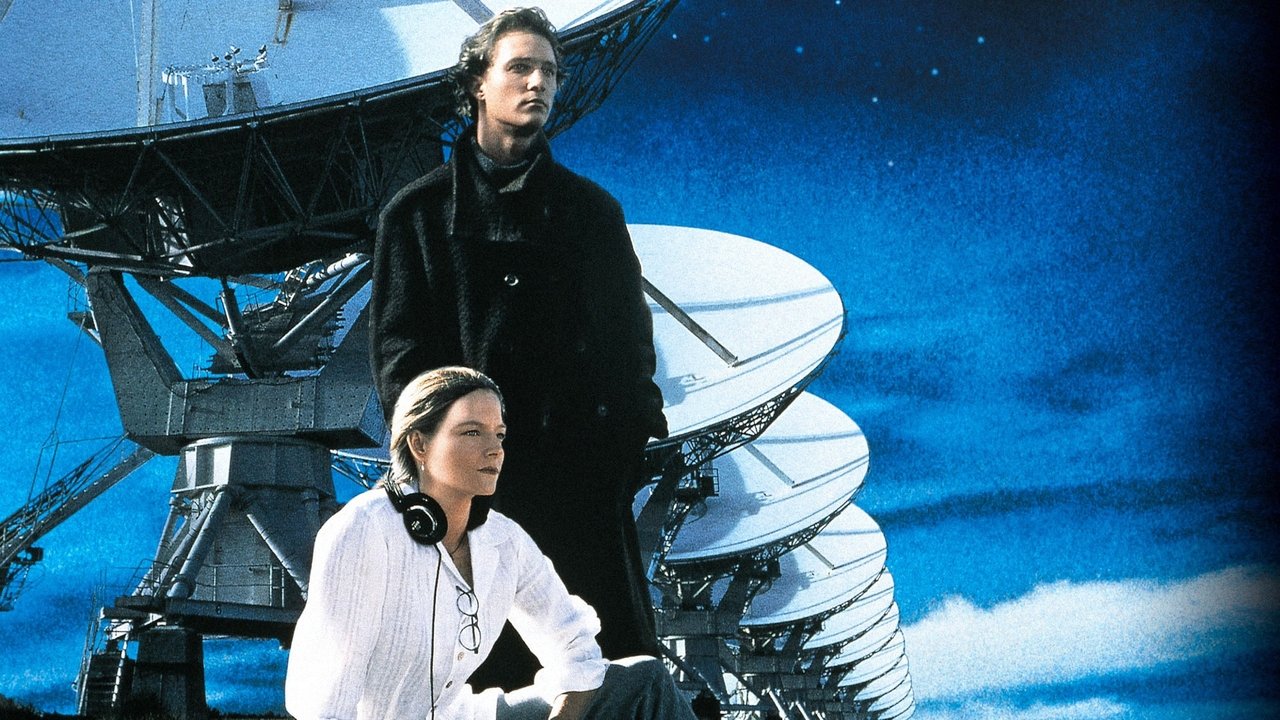
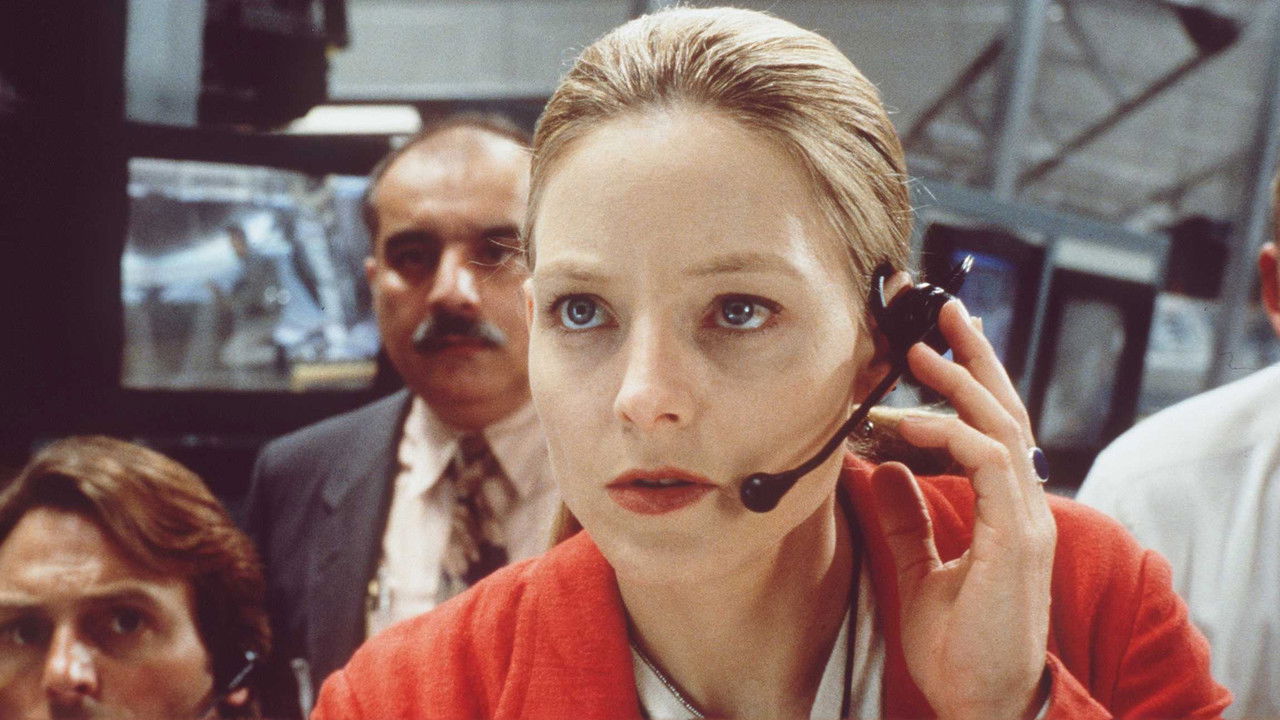
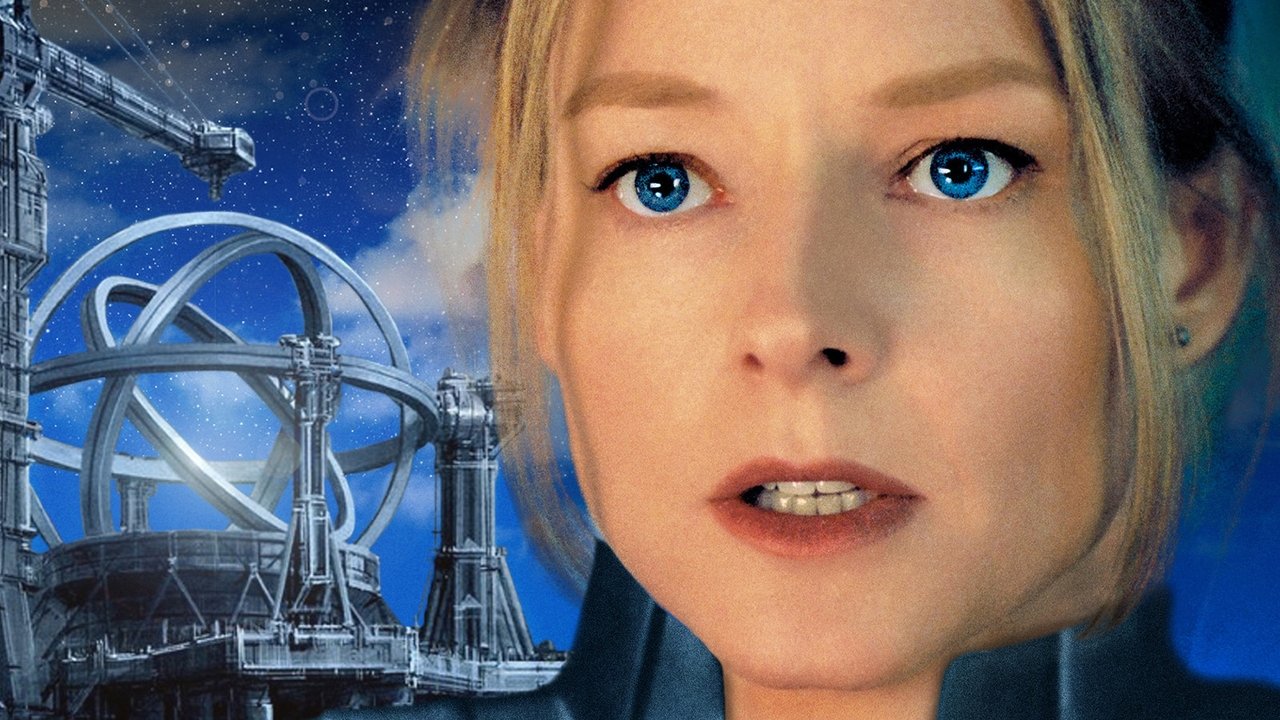
At its core, Contact is the story of Dr. Eleanor "Ellie" Arroway, portrayed with fierce intelligence and aching vulnerability by Jodie Foster. Foster is Ellie. She embodies the relentless drive of a scientist obsessed with finding proof of extraterrestrial life, a passion born from a childhood yearning to connect with something beyond her immediate, often lonely, reality. We see the universe through her determined eyes, feel her frustration with funding cuts and bureaucratic skepticism, and ultimately share in her breathtaking moment of discovery when the unmistakable signal arrives from the Vega star system. Foster's performance is the film's unwavering anchor; she conveys Ellie’s intellectual brilliance alongside a deep emotional current, making her quest not just scientific, but deeply personal. It's fascinating to know that Carl Sagan himself reportedly had Foster in mind for the role, a choice that feels utterly perfect in retrospect.
Spectacle with Soul
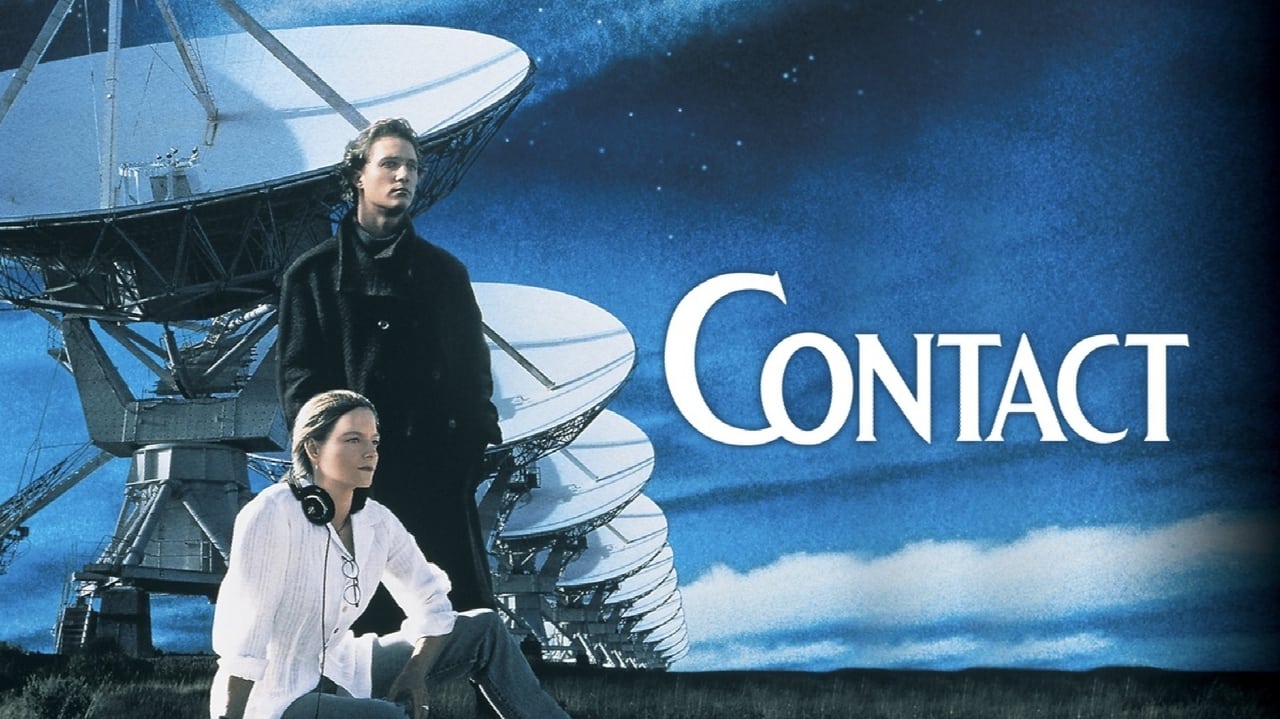
Robert Zemeckis, already a master of visual storytelling with films like Forrest Gump (1994) and the Back to the Future trilogy under his belt, brings a necessary grandeur to Contact. The film opens with that astonishing, technically ambitious pull-back shot, starting from Earth and zooming out past planets, stars, and galaxies, accompanied only by the fading cacophony of human broadcasts – a potent reminder of our tiny, noisy place in the cosmos. The depiction of the Very Large Array (VLA) in New Mexico feels authentic and awe-inspiring, grounding the fantastical elements in a believable scientific reality.
And then there's "The Machine." The sheer scale and mystery surrounding the device built from the alien blueprints remain staggering. Zemeckis wisely keeps its inner workings ambiguous, focusing instead on the human drama swirling around its construction and the selection of its passenger. The climactic journey itself is a masterclass in conveying the incomprehensible, a whirlwind of light, sound, and fleeting, beautiful visions that prioritize Ellie’s subjective experience over literal explanation. These sequences required cutting-edge CGI for 1997 – part of a hefty $90 million budget – but they never overshadow the human story. It’s spectacle, yes, but spectacle with a distinct soul.
The Faith Dialogue
Where Contact truly elevates itself beyond typical sci-fi fare is in its courageous engagement with the relationship between science and faith. This is personified in the dynamic between Ellie, the empirical scientist demanding proof, and Palmer Joss (Matthew McConaughey), the charismatic Christian philosopher and presidential advisor. McConaughey, stepping into a more contemplative role after his breakout in A Time to Kill (1996) – a part reportedly considered for Ralph Fiennes – brings a laid-back intensity to Joss. Their debates aren't simple binaries of right and wrong; they explore the different ways humans search for meaning and grapple with the vast unknown. Does faith require abandoning reason? Does science preclude wonder and mystery? The film doesn't offer easy answers, instead presenting their dialogue as a crucial part of the human response to the Message. It asks us, the viewers, where we stand, what kind of evidence we require.
The Human Static
Beyond the central duo, the film populates its world with sharp supporting turns. James Woods crackles with cynical energy as National Security Advisor Michael Kitz, representing the institutional paranoia and control Ellie must constantly battle. Tom Skerritt brings gravitas to his role as David Drumlin, Ellie’s ambitious and ethically compromised former mentor, while Angela Bassett is a picture of composed authority as White House Chief of Staff Rachel Constantine. The film deftly portrays the global media frenzy, the political maneuvering, and the societal divisions that erupt when faced with such a monumental event. One slightly jarring note, even back then, was the controversial integration of real news footage featuring then-President Bill Clinton, which the White House objected to after the fact – a fascinating behind-the-scenes footnote about the blurring lines between fiction and reality the film itself explores.
It’s also poignant to remember that Carl Sagan, who worked tirelessly for years to bring this story to the screen (it began development way back in 1979!), tragically passed away from myelodysplasia in December 1996, before the film's release the following summer. Knowing this adds another layer of emotional weight; the film feels like a final, powerful transmission from a mind dedicated to exploring humanity’s place in the universe.
The Lingering Signal
Contact isn't a film about little green men or laser battles. It’s a film about listening. It’s about the courage to ask enormous questions and the humility to accept that the answers might be complex, ambiguous, or even purely personal. The deliberate uncertainty of the ending – was Ellie’s experience real, or an elaborate, internally generated hallucination? – is not a flaw, but its greatest strength. The subtle clue of the 18 hours of static recorded only on Ellie's device offers a tantalizing hint, but ultimately, the film leaves the leap of faith, whether scientific or spiritual, to us.
It tackles grand themes – communication, belief, isolation, the search for meaning – with a maturity and sincerity rare in big-budget filmmaking, then and now. The journey it takes us on is as much intellectual and emotional as it is interstellar.
Rating: 9/10
This score reflects Contact's profound ambition, Jodie Foster's exceptional central performance, its intelligent handling of complex themes, and its lasting power as a piece of thoughtful, awe-inspiring science fiction. While some might find the pacing deliberate or the philosophical debates occasionally on-the-nose, the film's sincerity, visual scope, and the sheer weight of the questions it poses make it a standout achievement from the late VHS era – a true 90s sci-fi gem.
Contact leaves you gazing at the night sky, not just wondering if someone is out there, but considering the universe within ourselves, still waiting to be explored. What signal are you listening for?