What if the stories weren't just stories? That quiet, almost nagging question lingers long after the muted colors and somber score of M. Night Shyamalan’s Unbreakable fade from the screen. Released in 2000, just as the new millennium dawned and right on the cusp of the superhero movie explosion we know today, it felt like something different. Following the cultural phenomenon that was The Sixth Sense (1999), the anticipation was palpable. I distinctly remember renting this one, the weighty feel of the VHS clamshell case promising another twisty mystery. What we got was something far more introspective, a film less concerned with shocking reveals and more focused on the quiet burden of the extraordinary hiding within the utterly mundane.

A Different Kind of Origin Story
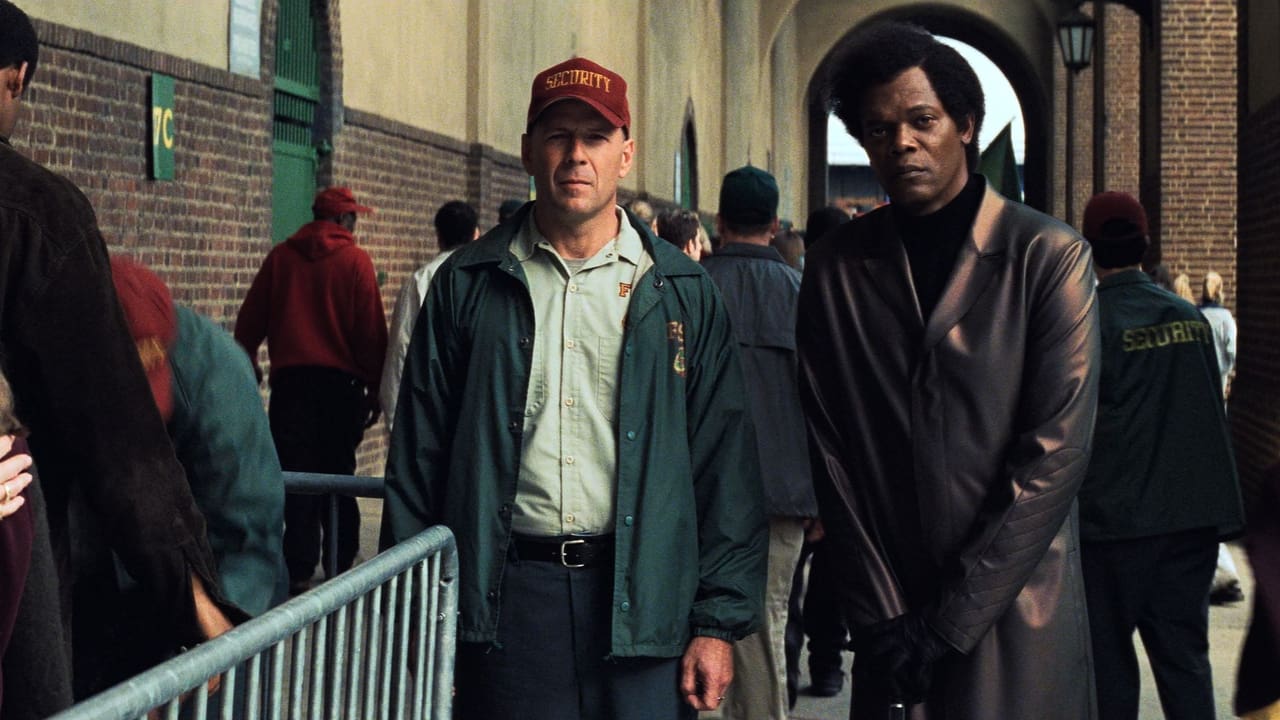
At its heart, Unbreakable is a superhero origin story stripped bare of spandex and spectacle. It introduces us to David Dunn (Bruce Willis), a Philadelphia security guard sleepwalking through a failing marriage and a life devoid of passion. He's the sole survivor of a horrific train derailment, emerging without a single scratch. This impossible event attracts the attention of Elijah Price (Samuel L. Jackson), a comic book art dealer afflicted with Type I osteogenesis imperfecta – brittle bone disease. Elijah, a man whose life has been defined by physical fragility, presents David with a radical theory: what if David is his polar opposite, a real-life superman, unknowingly possessing superhuman strength and resilience?
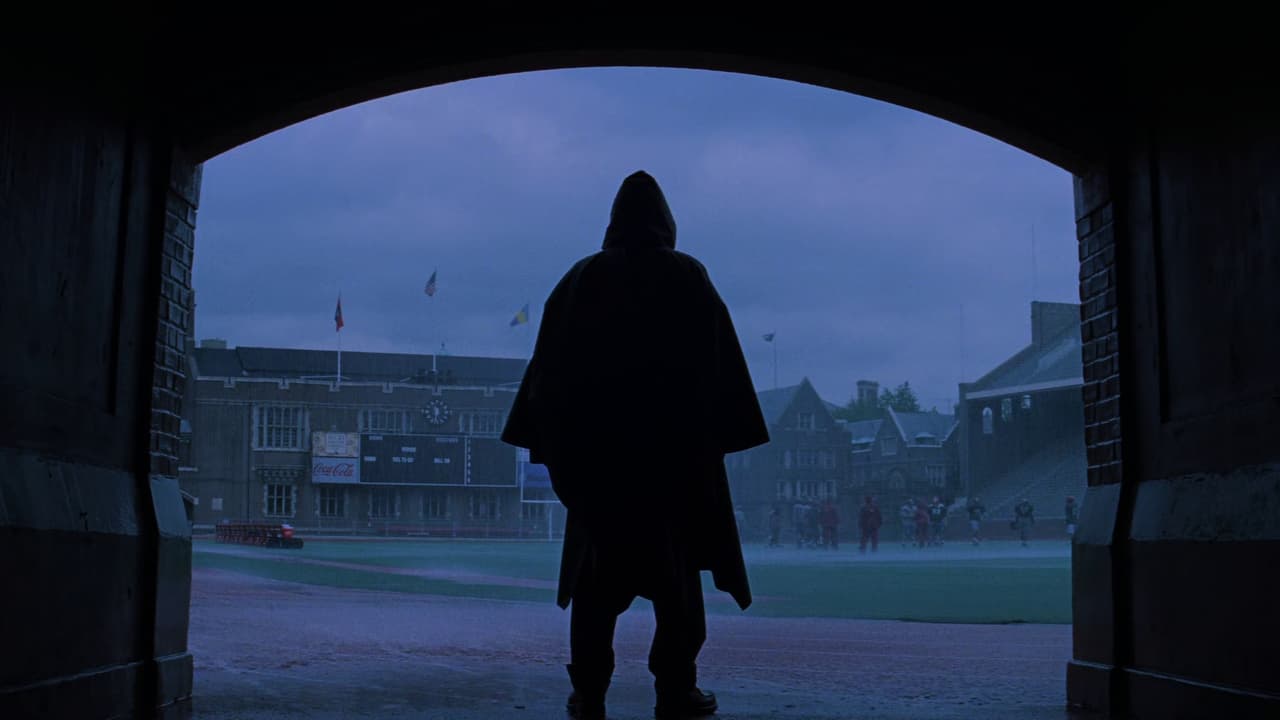
The film unfolds not with explosive action sequences, but with a deliberate, almost meditative pace. Shyamalan, who also penned the script specifically envisioning Willis in the lead after their Sixth Sense collaboration, uses long takes, meticulous framing often mimicking comic book panels, and a desaturated color palette to build an atmosphere thick with melancholy and simmering unease. David’s journey isn't one of eager discovery, but of hesitant, fearful acceptance. He doesn't want this potential power; it feels like another weight in a life already heavy with unspoken disappointments.

The Weight of Belief
The performances are key to the film's enduring power. Bruce Willis, shedding the wise-cracking bravado that defined his 80s and 90s action hero persona (Die Hard (1988), anyone?), delivers arguably one of his most nuanced and affecting performances. His David Dunn is a study in quiet desperation and suppressed strength. The weariness is etched onto his face, the confusion palpable as he grapples with Elijah’s increasingly insistent theories. You feel the internal struggle, the slow dawning of a truth he never sought.
Opposite him, Samuel L. Jackson, just a few years past his iconic turn in Pulp Fiction (1994), is mesmerizing as Elijah Price, later dubbed "Mr. Glass." Jackson imbues Elijah with a fascinating blend of vulnerability and obsessive conviction. His physical fragility contrasts sharply with the fierce intelligence burning in his eyes. He is the catalyst, the believer, the man whose entire existence seems predicated on finding his counterpart in the grand narrative he believes governs the world. Their dynamic – the reluctant hero and the fragile theorist – forms the film's compelling core. We also mustn't overlook Robin Wright as Audrey, David's estranged wife. She provides the crucial emotional grounding, representing the ordinary life David clings to even as the extraordinary beckons. Her quiet scenes with Willis carry significant emotional weight.

Beneath the Surface
What makes Unbreakable resonate, especially looking back from our current era saturated with superhero fare, is its profound commitment to realism. Shyamalan explores the idea of superheroes within a grounded, recognizable world. The "powers" are presented subtly – an intuition, unusual strength, an uncanny ability to avoid injury. The film asks: if someone like this existed, wouldn't their life feel less like a colorful adventure and more like a quiet burden, an isolating secret? It touches on themes of destiny versus choice, the search for meaning in a seemingly random universe, and the fine line between belief and obsession.
Digging into some retro fun facts, it's fascinating that Shyamalan conceived the film as a three-part story from the beginning, though studio apprehension after its solid-but-not-stratospheric box office ($95 million budget yielding about $248 million worldwide – good, but not Sixth Sense numbers) put those plans on hold for nearly two decades. Initial critical reception was also more mixed than for its predecessor, with some finding the pacing too slow or the concept underdeveloped. Time, however, has been incredibly kind to Unbreakable, its reputation solidifying as a cult classic and a remarkably prescient exploration of comic book archetypes long before the Marvel Cinematic Universe dominated cineplexes. The eventual arrival of sequels Split (2016) and Glass (2019), while divisive in their own right, retroactively highlighted the strength and uniqueness of this original vision.
The Verdict
Unbreakable isn't a film that shouts; it murmurs profound questions in the quiet moments. It uses the framework of comic book mythology to explore deep human vulnerabilities: loneliness, doubt, the yearning for purpose. The deliberate pacing and somber tone might not be for everyone, especially those expecting a traditional action film, but its commitment to character, atmosphere, and its central thematic questions is undeniable. The performances from Willis and Jackson are career highlights, grounding the extraordinary concept in palpable human emotion. It’s a film that rewards patience and reflection, feeling remarkably grounded and thoughtful even two decades later. Watching it again now, perhaps on a format far removed from that original VHS tape, its quiet power feels undiminished.
Rating: 9/10
Unbreakable stands as a masterful exercise in genre deconstruction, a superhero film more interested in the psychology of the super than the spectacle of the heroics. It remains a poignant, haunting exploration of finding one's place in the world, leaving you pondering the extraordinary potential hidden just beneath the surface of everyday life. What truly lingers is the quiet weight of possibility.