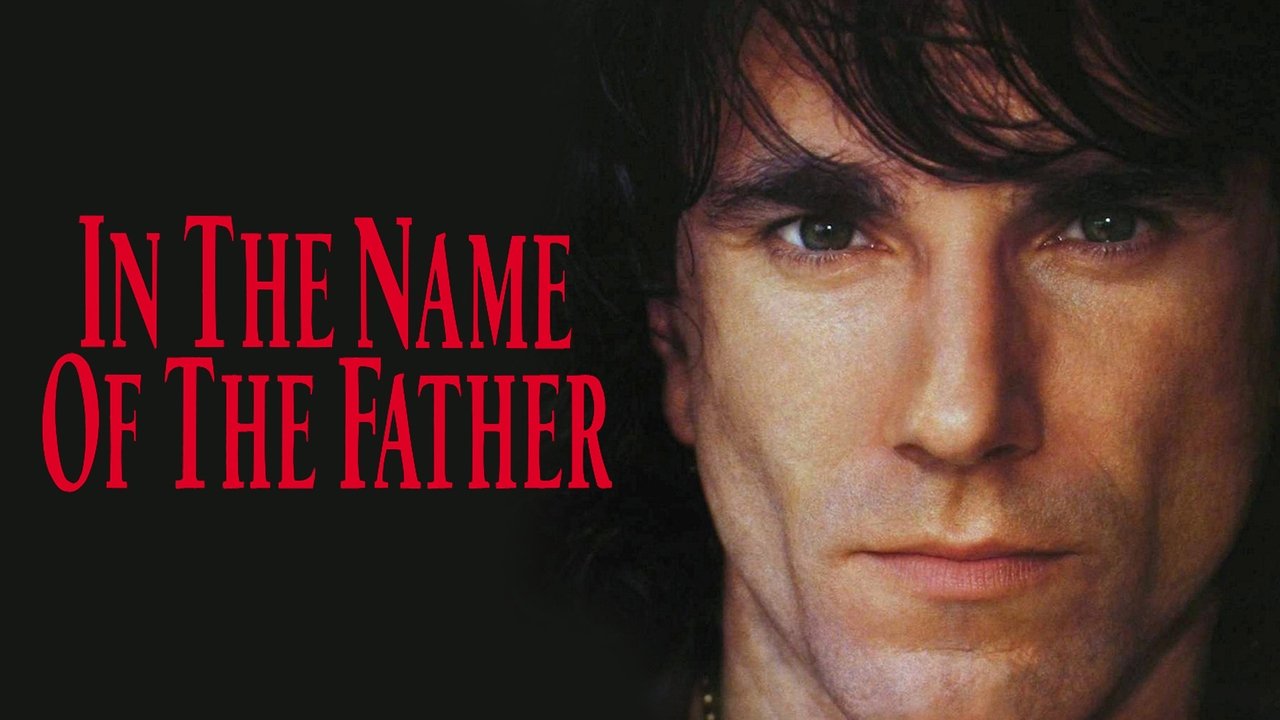
There are films that entertain, films that thrill, and then there are films that grab you by the collar and demand you bear witness. Jim Sheridan’s 1993 powerhouse, In the Name of the Father, belongs firmly in that last category. It doesn’t just tell a story; it plunges you into the icy waters of injustice and dares you to look away. Watching it again recently, decades after first seeing that worn rental copy slide into the VCR, its raw power hasn't faded one bit. If anything, the passage of time has only sharpened the edges of its righteous anger.
A Descent into the Maelstrom
The film opens not with a reflective moment, but with the chaotic energy of early 70s Belfast, a city simmering with conflict. We meet Gerry Conlon (Daniel Day-Lewis), a petty thief more interested in dodging trouble and chasing girls than politics. But trouble, in the volatile atmosphere of The Troubles, has a way of finding you. A fateful trip to London coincides with the horrific Guildford pub bombings, and Gerry, along with his friend Paul Hill and others (later known as the Guildford Four), finds himself ensnared in a nightmare orchestrated by desperate authorities seeking quick convictions. It’s a terrifyingly swift descent, depicted with a visceral intensity that leaves you breathless. The sense of panic, the forced confessions under duress – Sheridan, who co-wrote the script with Terry George based on Gerry Conlon's autobiography Proved Innocent, doesn't shy away from the brutality of the process.
The Crucible of Confinement

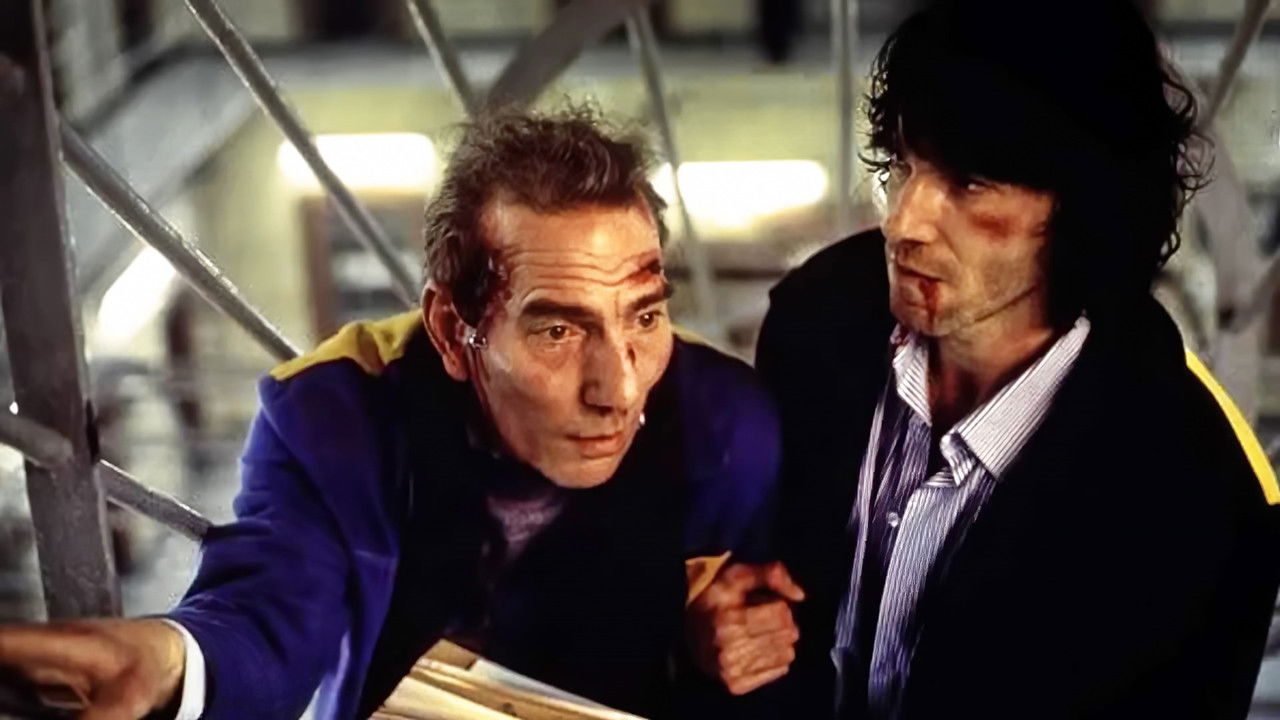
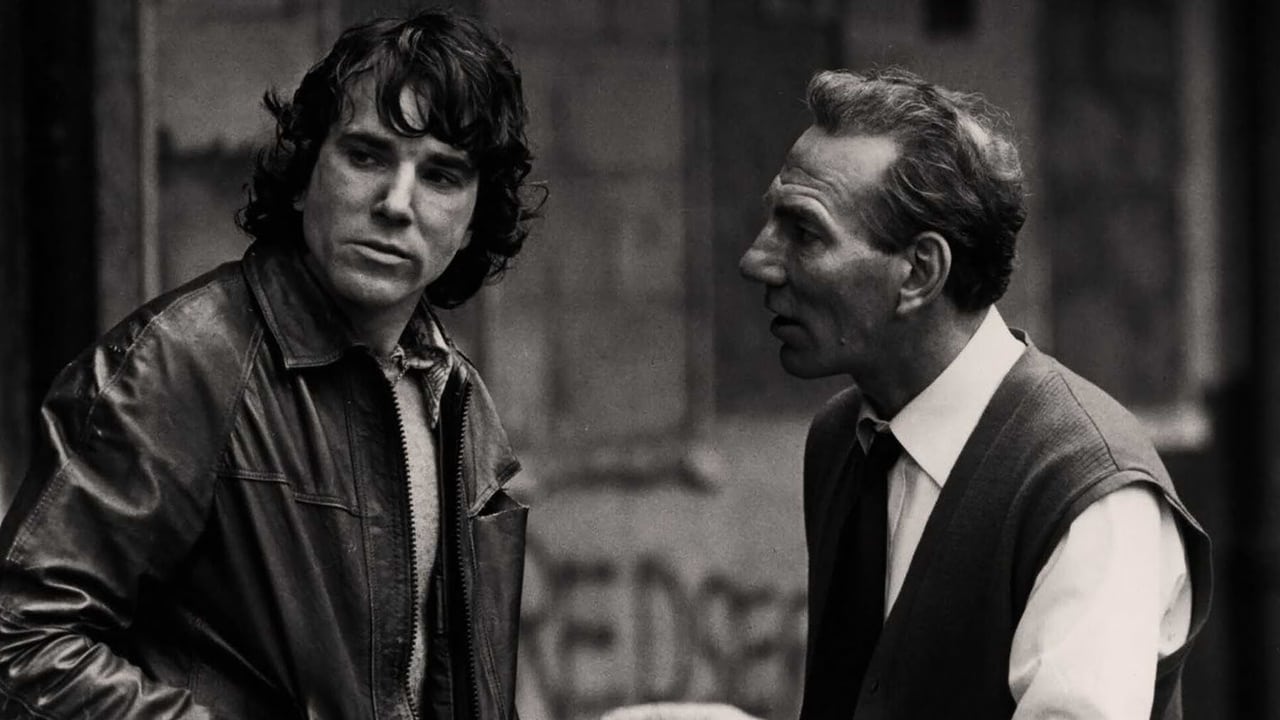
What elevates In the Name of the Father beyond a standard miscarriage-of-justice tale is its profound focus on the relationship between Gerry and his father, Giuseppe (Pete Postlethwaite), who is himself wrongly implicated and imprisoned alongside his son. This isn't just a political drama; it's a deeply moving father-son story forged in the most unimaginable circumstances. Initially, their cramped cell crackles with the tension of unresolved family conflict – Gerry's youthful recklessness clashing with Giuseppe's quiet dignity and unwavering faith. I remember hearing that to prepare for these intense scenes, Day-Lewis reportedly spent nights locked in solitary confinement in the abandoned Kilmainham Gaol in Dublin where they filmed, shedding significant weight to mirror Gerry’s ordeal. That commitment bleeds onto the screen.
Postlethwaite, often remembered for scene-stealing turns in films like The Usual Suspects (1995) or even Jurassic Park: The Lost World (1997), delivers a performance of staggering grace and quiet strength as Giuseppe. His belief in truth, his refusal to succumb to despair even as his health fails, is the film's moral anchor. It’s no wonder Steven Spielberg, after working with him, famously called Postlethwaite "probably the best actor in the world today." Their dynamic shifts gradually, moving from resentment to grudging respect, and finally to a profound, heart-wrenching love and understanding. The moments they share, small gestures in the face of overwhelming despair, are utterly devastating and deeply authentic.
Fighting from the Inside Out
While the Conlons endure their ordeal, the fight for their freedom unfolds on the outside, spearheaded by the tenacious solicitor Gareth Peirce (Emma Thompson, fresh off her Oscar win for Howards End (1992)). Thompson brings a sharp intelligence and unwavering determination to the role, embodying the meticulous, often frustrating legal battle against a system determined to protect itself. Her investigation uncovers the buried evidence and blatant perjury that led to the convictions, providing narrative drive and a glimmer of hope amidst the bleakness. It's worth noting that Peirce herself was initially hesitant about the film, concerned about dramatization, but eventually cooperated, adding another layer of authenticity. There was some dramatic license taken, particularly condensing the timeline and Peirce’s role for cinematic impact, a point of contention for some historians but arguably necessary for the film's focused narrative power.
More Than Just a Story: Echoes of Truth
Sheridan, who had already directed Day-Lewis to an Oscar in My Left Foot (1989), crafts the film with a gritty realism. The prison sequences feel claustrophobic and oppressive, the courtroom scenes charged with tension. He masterfully uses the potent score by Trevor Jones, which incorporates haunting tracks featuring Bono and Gavin Friday, to underscore the emotional weight without resorting to melodrama. The film cost around $13 million to make and became both a critical and commercial success, earning over $65 million worldwide and securing seven Academy Award nominations, including Best Picture, Best Director, Best Actor for Day-Lewis, Best Supporting Actor for Postlethwaite, and Best Supporting Actress for Thompson. Though it famously won none on the night (the year of Schindler's List), its impact was undeniable.
Does the film simplify complex political history? Perhaps. Does it occasionally heighten the drama for effect? Certainly. But its core message about the devastating human cost of systemic failure, the erosion of truth under pressure, and the enduring strength of familial bonds resonates with profound honesty. It forces us to confront uncomfortable questions about power, prejudice, and the very definition of justice. What happens when the system designed to protect us becomes the instrument of our oppression?
VHS Heaven Rating: 9/10
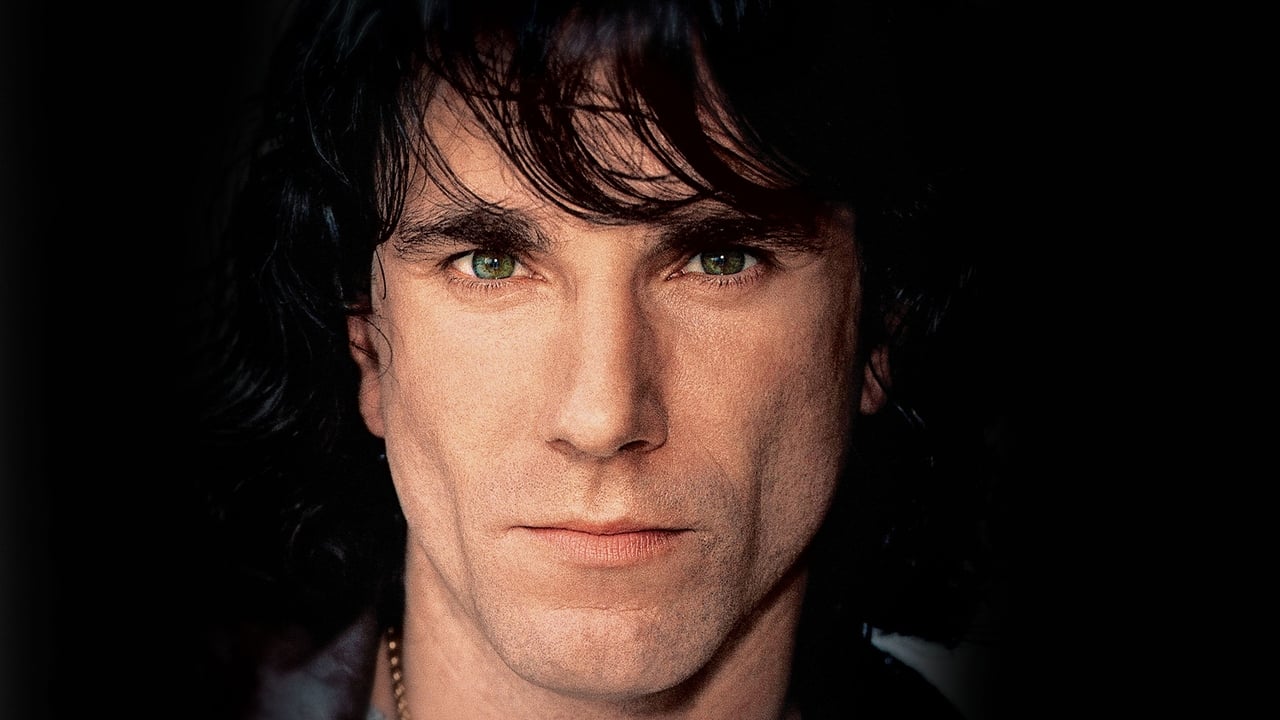
This rating reflects the film’s sheer emotional force, driven by extraordinary performances and Sheridan’s unflinching direction. While minor historical compressions exist for narrative purposes, they don't diminish the core truth or the devastating impact of the story. Day-Lewis is electrifying, but Postlethwaite’s quiet resilience anchors the film’s soul. It’s a demanding watch, certainly not casual Friday night fare snatched from the shelf, but its power is undeniable and its depiction of injustice remains chillingly relevant.
In the Name of the Father isn't just a film you watch; it's one you carry with you, a stark reminder of the fragility of freedom and the enduring power of the human spirit against overwhelming odds.