There’s a particular kind of quiet that settles over you when watching certain films, a stillness born not of boredom, but of deep absorption. It’s the feeling evoked by Steven Soderbergh’s remarkably assured and poignant 1993 drama, King of the Hill. Following the seismic impact of his debut, sex, lies, and videotape (1989), a film crackling with modern anxieties and razor-sharp dialogue, King of the Hill felt like stepping into another world entirely – a sun-baked, dust-coated St. Louis hotel room during the Great Depression, where a young boy faces the world largely alone. It’s a film that unfolds with the patient rhythm of memory, demanding attention not through spectacle, but through empathy.
A Boy Adrift in Hard Times
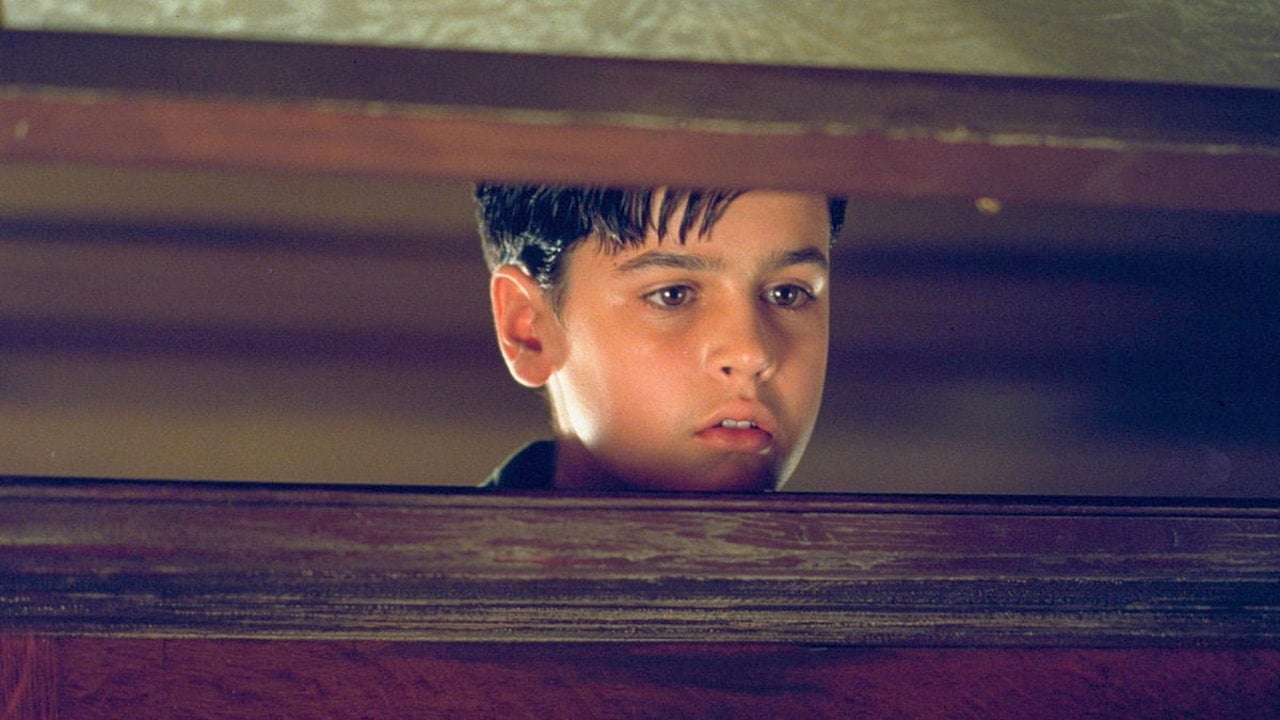
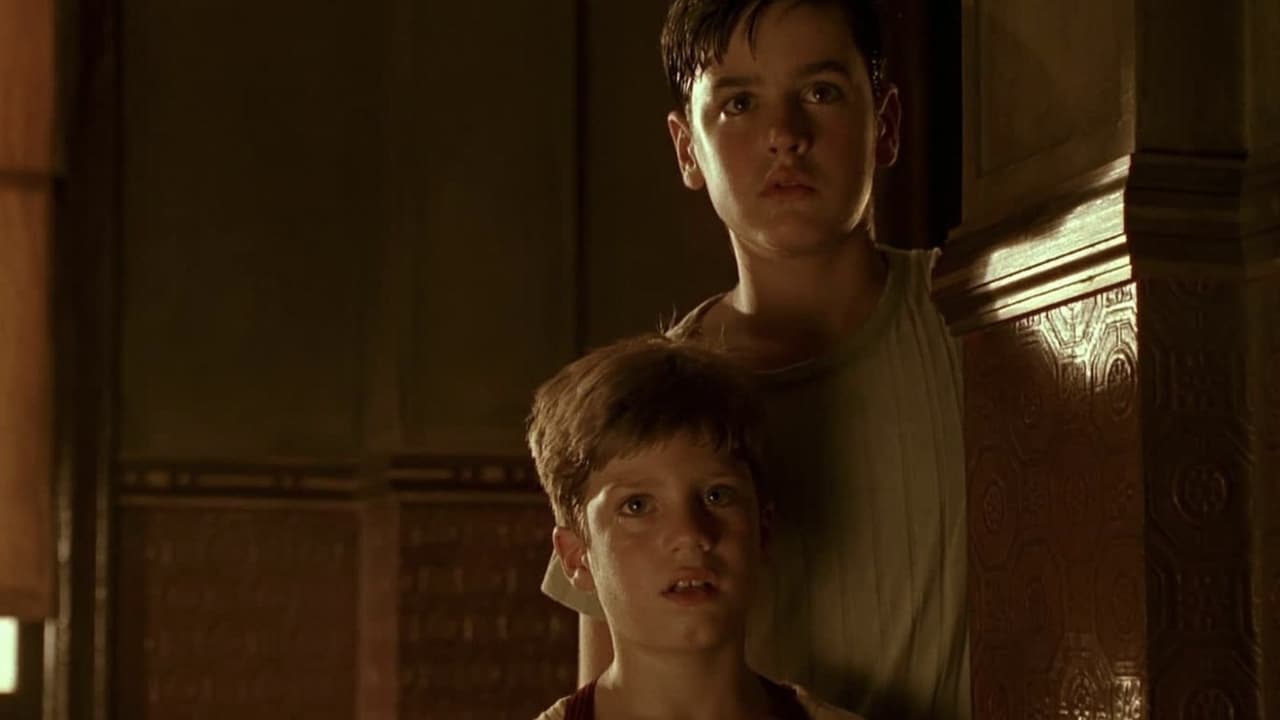
Adapted by Soderbergh himself from the moving 1972 memoir by A. E. Hotchner, the film centers on Aaron Kurlander (Jesse Bradford), a bright, imaginative boy whose family life is rapidly disintegrating under the crushing weight of the Depression. His German immigrant father (Jeroen Krabbé) is a perpetually struggling salesman, often away on fruitless trips. His mother (Lisa Eichhorn) is confined to a sanatorium with tuberculosis. Soon, his younger brother is sent away to live with relatives, leaving Aaron utterly alone in their room at the Empire Hotel, armed only with his wits and a carefully constructed web of lies to hide his abandonment from neighbours and authorities. The premise itself carries an inherent weight – a child forced into premature adulthood, navigating poverty and isolation with a resilience that’s both heartbreaking and inspiring.
The Soul of the Film: Jesse Bradford's Performance
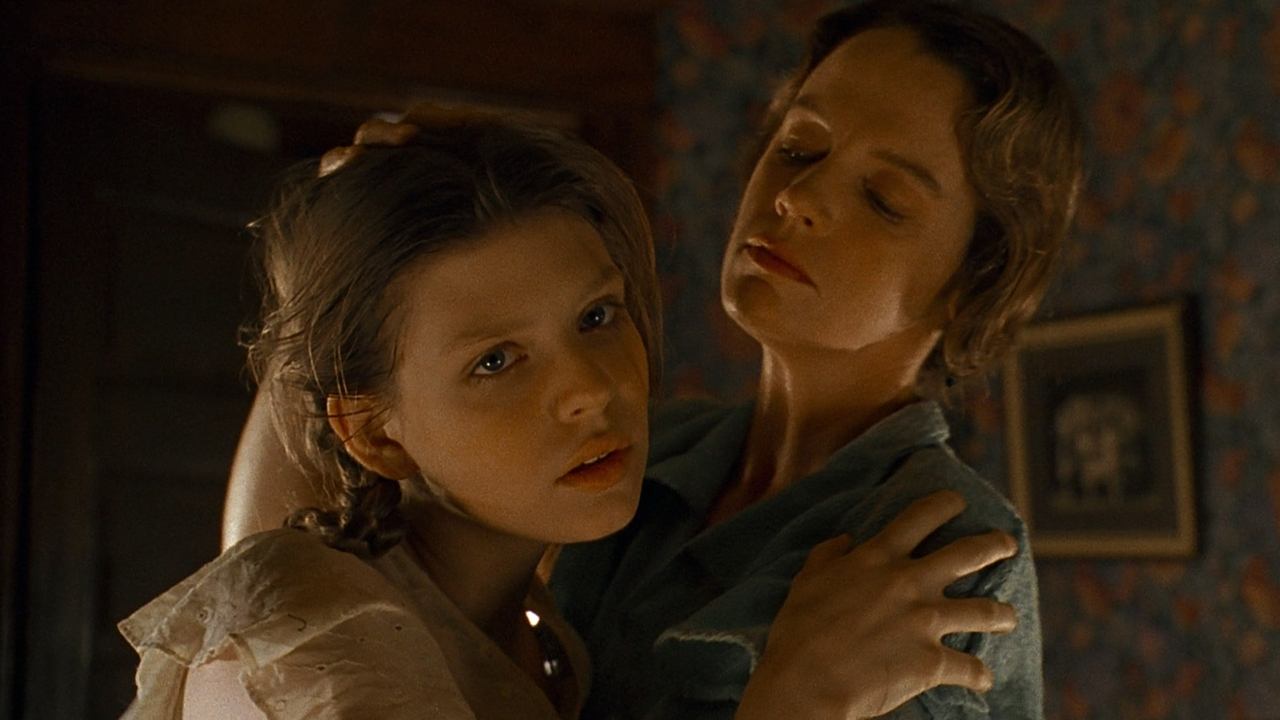
So much of King of the Hill rests on the young shoulders of Jesse Bradford, and his performance is nothing short of extraordinary. This isn't the cloying precociousness often seen in child actors; it's a portrayal of stunning authenticity. Bradford embodies Aaron's intelligence, his quiet watchfulness, the flicker of fear behind his brave façade, and the profound loneliness that settles in his eyes. He makes Aaron’s resourcefulness – hoarding food, dodging the hotel manager, crafting elaborate stories – feel like genuine survival instincts, not plot devices. You believe utterly in his plight, his small victories, and his moments of devastating vulnerability. It’s a performance that anchors the film emotionally and remains indelible long after the credits roll.
Soderbergh's Sensitive Craftsmanship
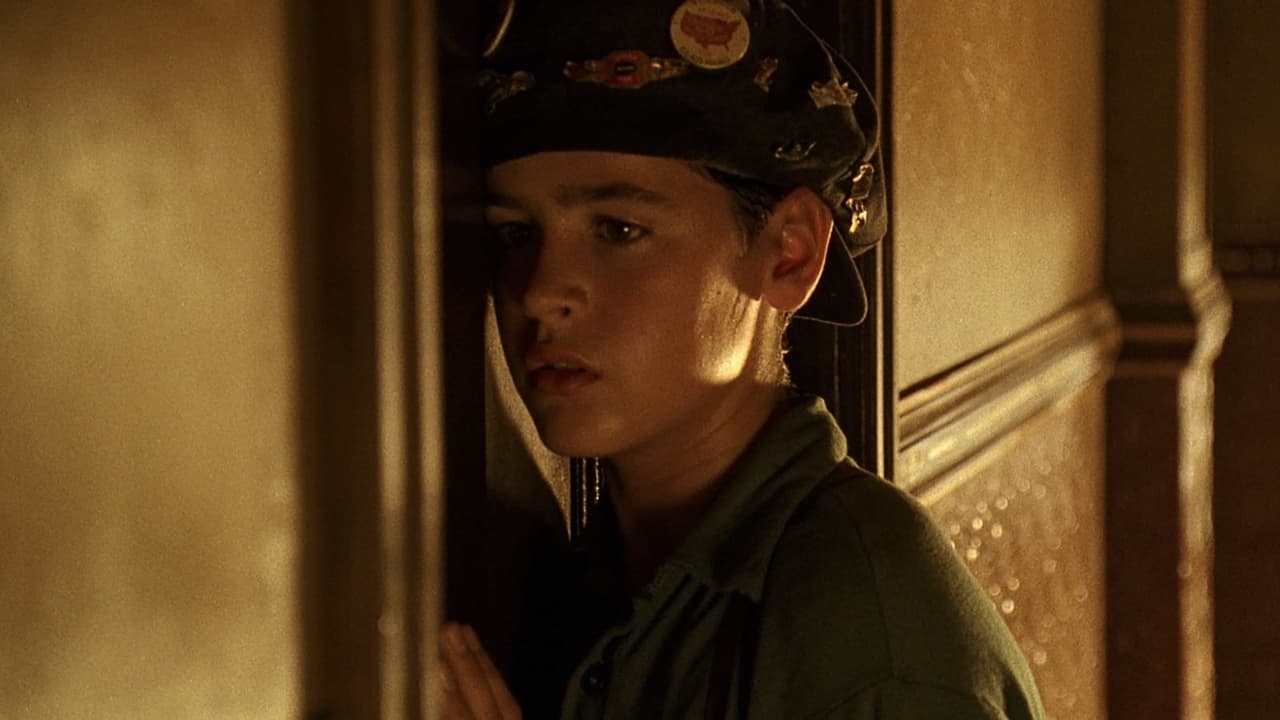
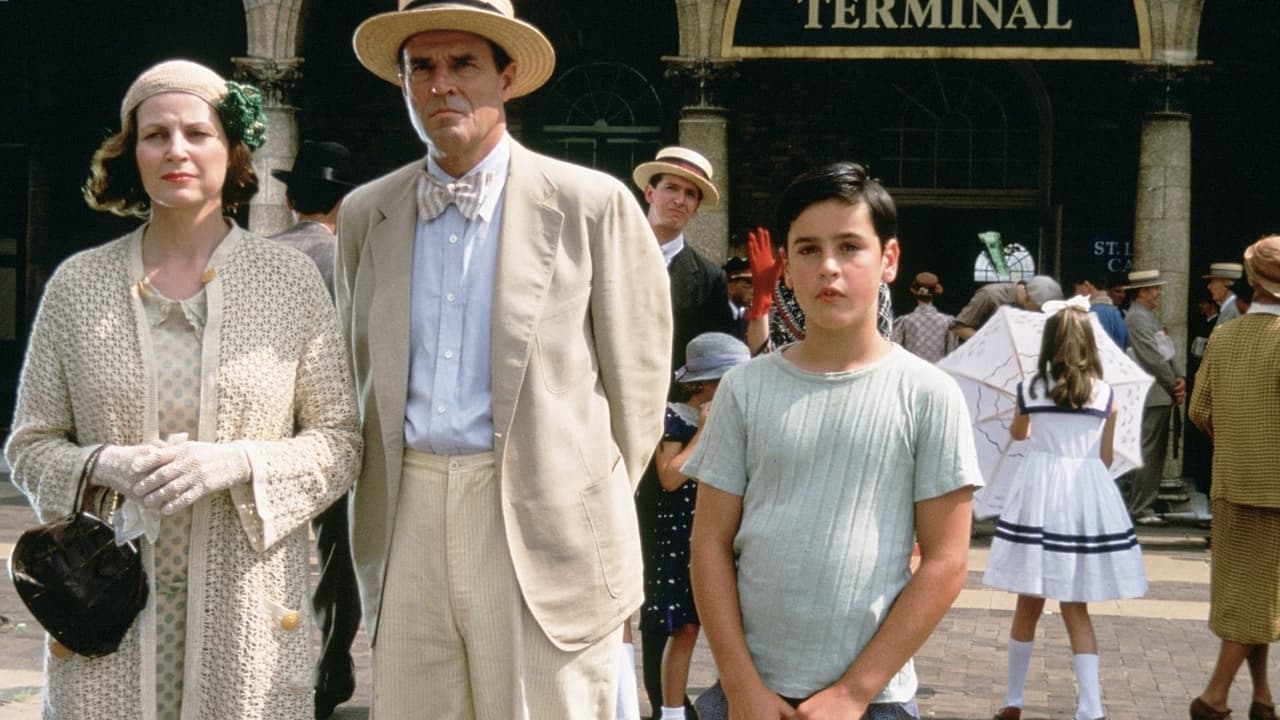
Visually, Soderbergh, working with cinematographer Elliot Davis, crafts a world steeped in the hazy light and muted colours of a half-remembered past. The period detail is impeccable – the worn hotel corridors, the vintage cars, the era-specific clothing – all feel lived-in and authentic, transporting the viewer directly to 1930s St. Louis. This meticulousness extends to the pacing; Soderbergh trusts the material and his audience, allowing scenes to breathe, letting Aaron’s solitude and observations drive the narrative. It’s a directorial approach marked by restraint and sensitivity, a stark contrast to the verbal pyrotechnics of his debut, proving early on his remarkable versatility. It’s fascinating to think that this deeply humanist film was Soderbergh's immediate follow-up to winning the Palme d'Or for sex, lies... – a choice that spoke volumes about his artistic curiosity over chasing easy commercial replication.
Retro Fun Facts: A Gem Hiding in Plain Sight
- True Story Roots: Knowing the film is based directly on A. E. Hotchner's real childhood experiences adds another layer of poignancy. Soderbergh's adaptation captures the spirit of the memoir with remarkable fidelity.
- Location, Location, Location: Filming on location in St. Louis, Missouri – Hotchner's actual hometown and the story's setting – provides an undeniable sense of place and authenticity that grounds the narrative.
- Critical Darling, Box Office Struggle: King of the Hill premiered in competition for the Palme d'Or at the 1993 Cannes Film Festival, earning widespread critical acclaim. However, this thoughtful character study struggled to find a wide audience amidst the louder blockbuster fare of the early 90s, grossing only around $1.2 million against its modest $8 million budget. It became, for many of us, a classic discovery on the shelves of the local video store – a perfect example of a film finding its true life on VHS.
- Before They Were Stars: Keep an eye out for early appearances from future household names! A young Adrien Brody gives a memorable turn as Aaron's street-smart friend Lester, and Katherine Heigl appears briefly as Christina Sebastian. The supporting cast is stacked with talent, including Karen Allen, Spalding Gray, and Elizabeth McGovern.
Enduring Hope Amidst Despair
While the film unflinchingly portrays the harsh realities of poverty and abandonment, it’s not relentlessly bleak. Aaron’s imagination becomes his shield and sanctuary. There are moments of unexpected kindness from neighbours, fleeting friendships, and small glimmers of hope that pierce through the hardship. What does Aaron’s ability to conjure stories and maintain dignity reveal about the human spirit's capacity to endure? The film suggests that resilience isn't just about survival, but about preserving one's inner self against overwhelming odds. It captures that specific, precarious feeling of childhood where the world feels both immense and terrifyingly fragile.
A Quiet Masterpiece of the VHS Era
King of the Hill is a film that rewards patience and attention. It doesn’t shout its themes; it whispers them through small gestures, observant details, and the unforgettable performance at its center. It stands as a testament to Soderbergh's early mastery of tone and character, and a poignant exploration of childhood resilience. It might not have been a blockbuster smash, but its quiet power and emotional honesty ensure its place as a cherished, perhaps underrated, gem from the 90s cinematic landscape. It’s the kind of film that reminds you of the profound stories that could be found nestled between the action flicks and comedies on those beloved video store shelves.
Rating: 9/10
This score reflects the film's exceptional central performance, masterful direction, atmospheric authenticity, and deeply moving, honest portrayal of childhood survival. It's a near-perfect execution of a challenging story, hampered only slightly by a pacing that might test less patient viewers, though arguably essential to its reflective mood.
Final Thought: Decades later, Aaron Kurlander’s quiet determination still lingers – a powerful reminder of the strength found in solitude and the stories we tell ourselves to survive. How many other quiet masterpieces from that era are waiting for their rediscovery?