There are films that shout their importance from the rooftops, demanding attention with dramatic crescendos and sweeping pronouncements. And then there are films like The Long Walk Home (1990), which arrive with the quiet dignity of their characters, asking not for applause, but for reflection. Watching it again, decades after first sliding that tape into the VCR, its power hasn't dimmed; if anything, the subtlety feels even more resonant in our often noisy world. It doesn't chronicle the grand speeches or pivotal meetings of the Civil Rights Movement, but instead illuminates the profound personal cost and quiet courage found in the everyday lives caught within its tide.
Two Worlds, One City
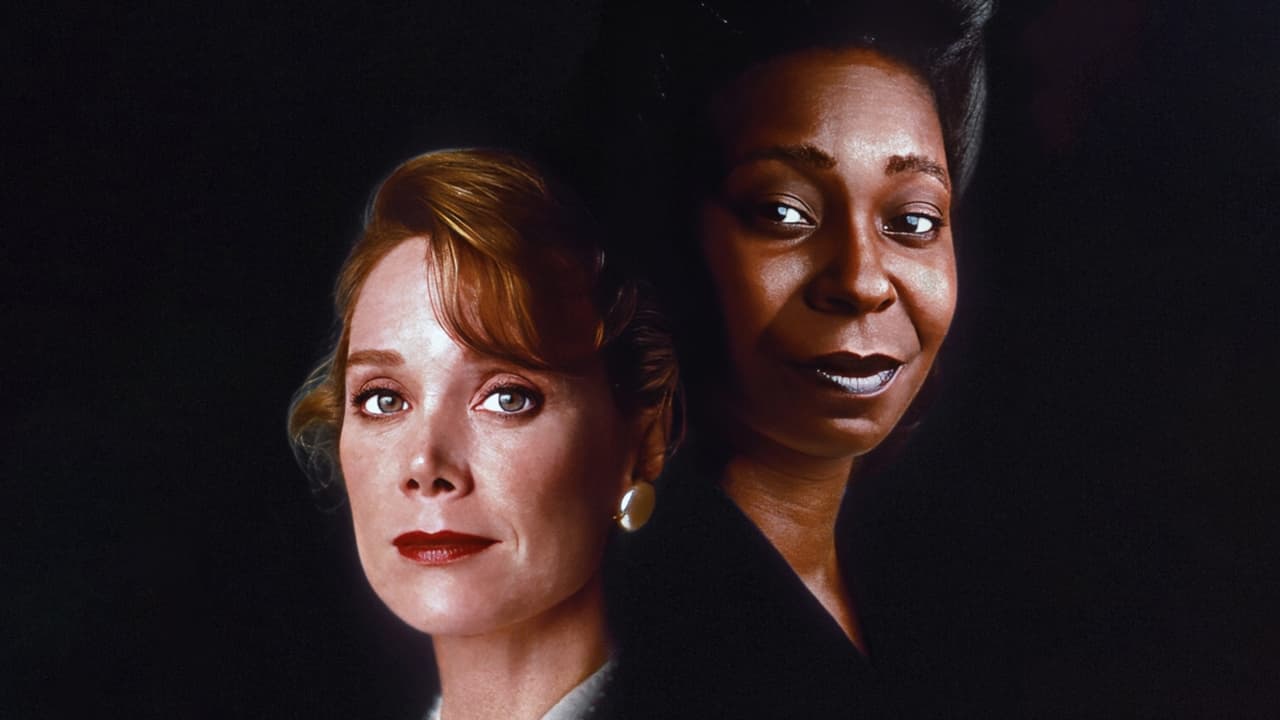
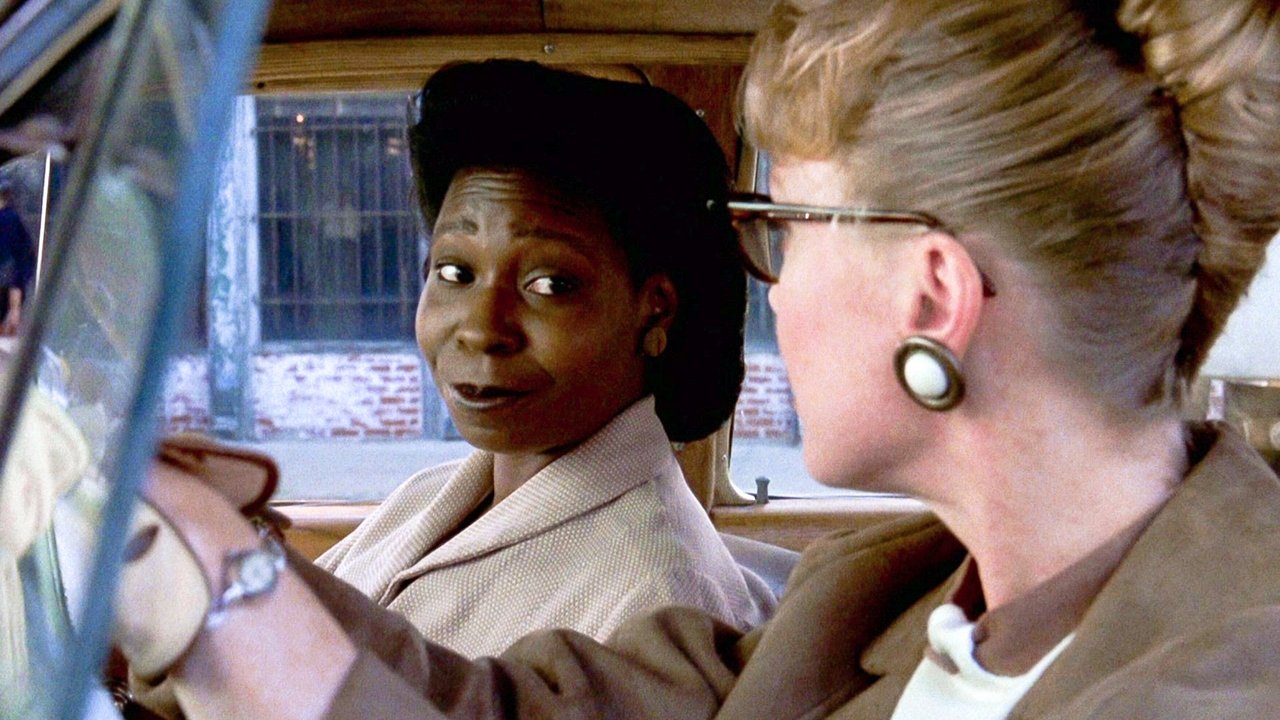
Set against the backdrop of the 1955 Montgomery Bus Boycott in Alabama, the film centers on the relationship between two women: Miriam Thompson (Sissy Spacek), a well-to-do white housewife living a life of comfortable privilege, and Odessa Cotter (Whoopi Goldberg), her Black maid who, along with the wider Black community, refuses to ride the segregated buses after Rosa Parks's arrest. Initially, Miriam is inconvenienced, perhaps vaguely sympathetic but largely insulated from the harsh realities Odessa faces. The boycott means Odessa must walk miles each way to work, a grueling journey undertaken with quiet determination by thousands.
The beauty of John Cork’s script, reportedly born from his own experiences growing up white in the South during that era and his desire to understand it better, lies in its focus on this microcosm. It's not about changing the world overnight; it's about the slow, sometimes painful, dawning of awareness in one individual, Miriam, as she witnesses the injustice and resilience embodied by Odessa. Director Richard Pearce, known for character-driven dramas like Heartland (1979) and Country (1984), maintains a steady, observational hand, allowing the performances and the inherent drama of the situation to speak for themselves. The film was actually shot on location in Montgomery, adding a layer of palpable authenticity to the humid streets and distinct architecture that ground the story firmly in its time and place.
Quiet Strength, Gradual Awakening
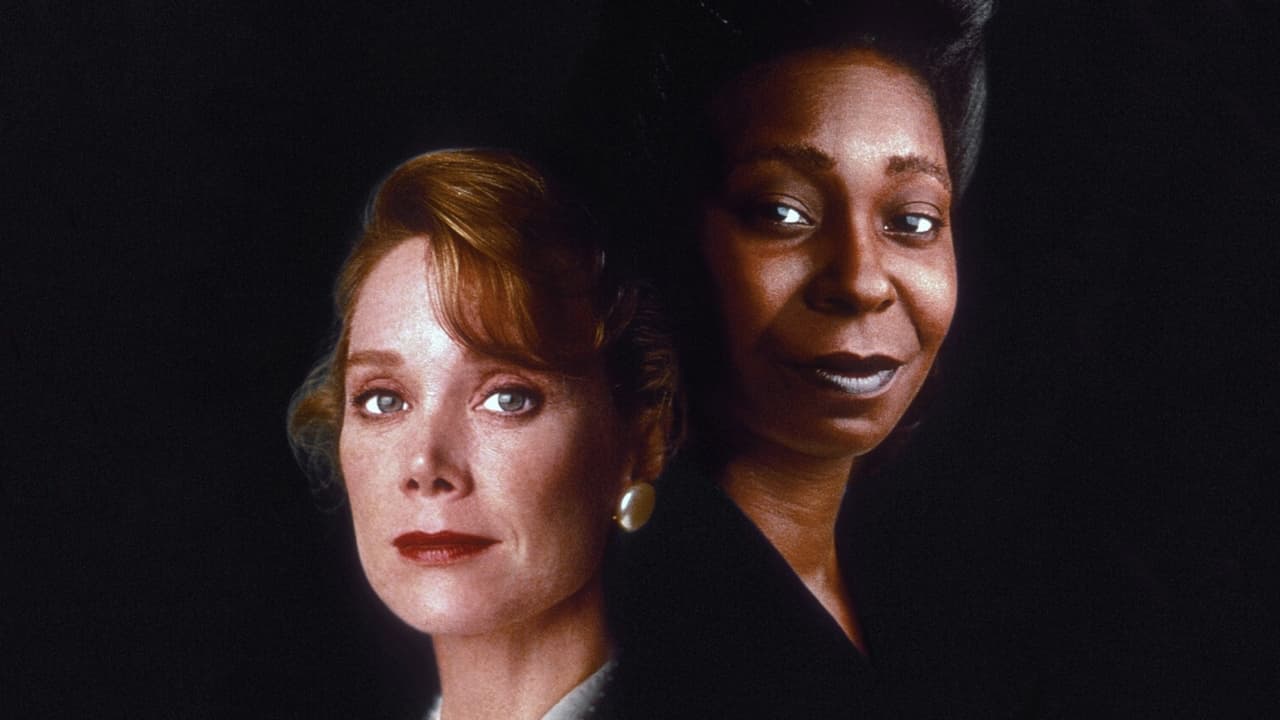
The performances are the heart and soul of The Long Walk Home. Whoopi Goldberg, who by 1990 was a massive star thanks to films like The Color Purple (1985) and the same year's blockbuster Ghost, delivers a performance of extraordinary restraint and power as Odessa. There are no grandstanding speeches, just the weary set of her shoulders, the unwavering gaze, the quiet endurance that speaks volumes about the immense burden and dignity of her community's stand. It’s a masterclass in conveying deep emotion through subtle means, a reminder of Goldberg's formidable dramatic talents. I recall seeing this shortly after Ghost and being struck by the sheer range – the same actress who could deliver iconic comedic lines could also embody this profound, quiet strength.
Equally compelling is Sissy Spacek as Miriam. Fresh off decades of incredible work from Carrie (1976) to Coal Miner's Daughter (1980), Spacek charts Miriam’s evolution with delicate precision. She isn't presented as a villain, but as a product of her environment, initially blind to the systemic injustice Odessa navigates daily. Her journey isn't instantaneous; it’s a gradual, sometimes hesitant, awakening of conscience, spurred by witnessing Odessa’s exhaustion and the casual cruelty of the society around her. The scenes where Miriam begins, secretly at first, to offer Odessa rides, risking social standing and the ire of her husband (played with simmering unease by Dwight Schultz, familiar to many as 'Howling Mad' Murdock from The A-Team), are fraught with tension precisely because they feel so real. It’s the small acts of defiance, the crossing of deeply ingrained social lines, that carry immense weight.
More Than Just History
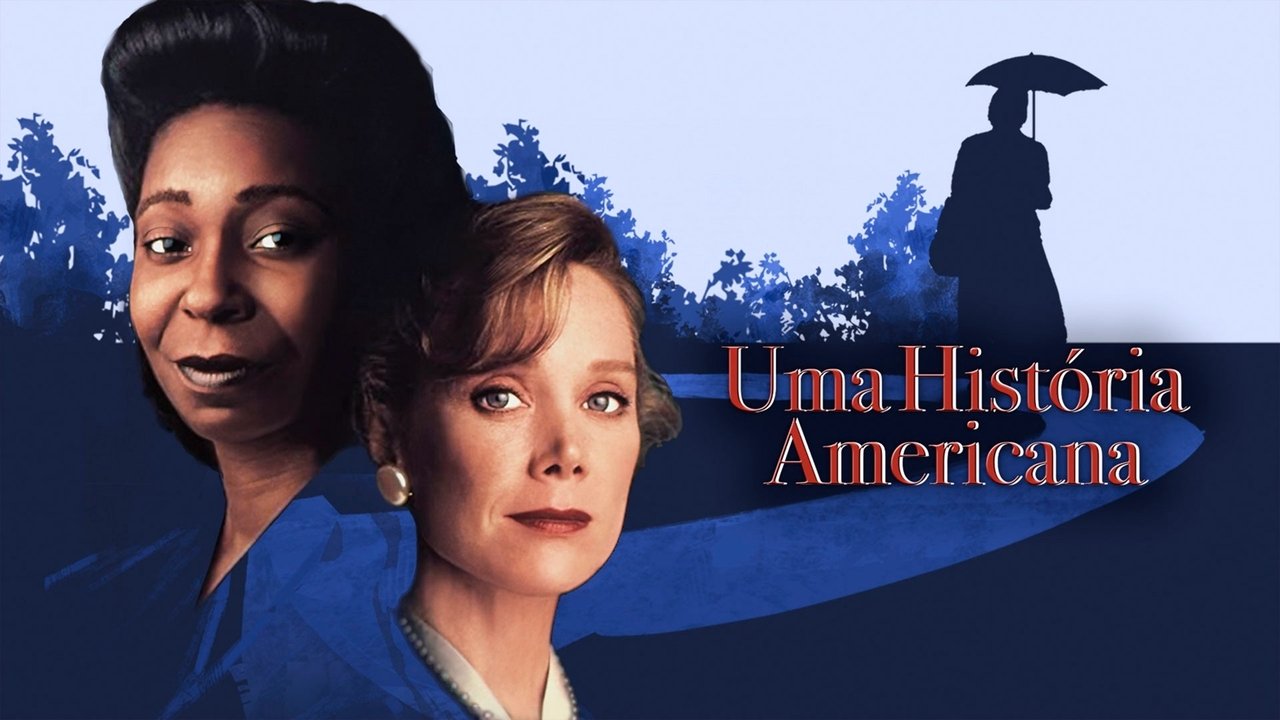
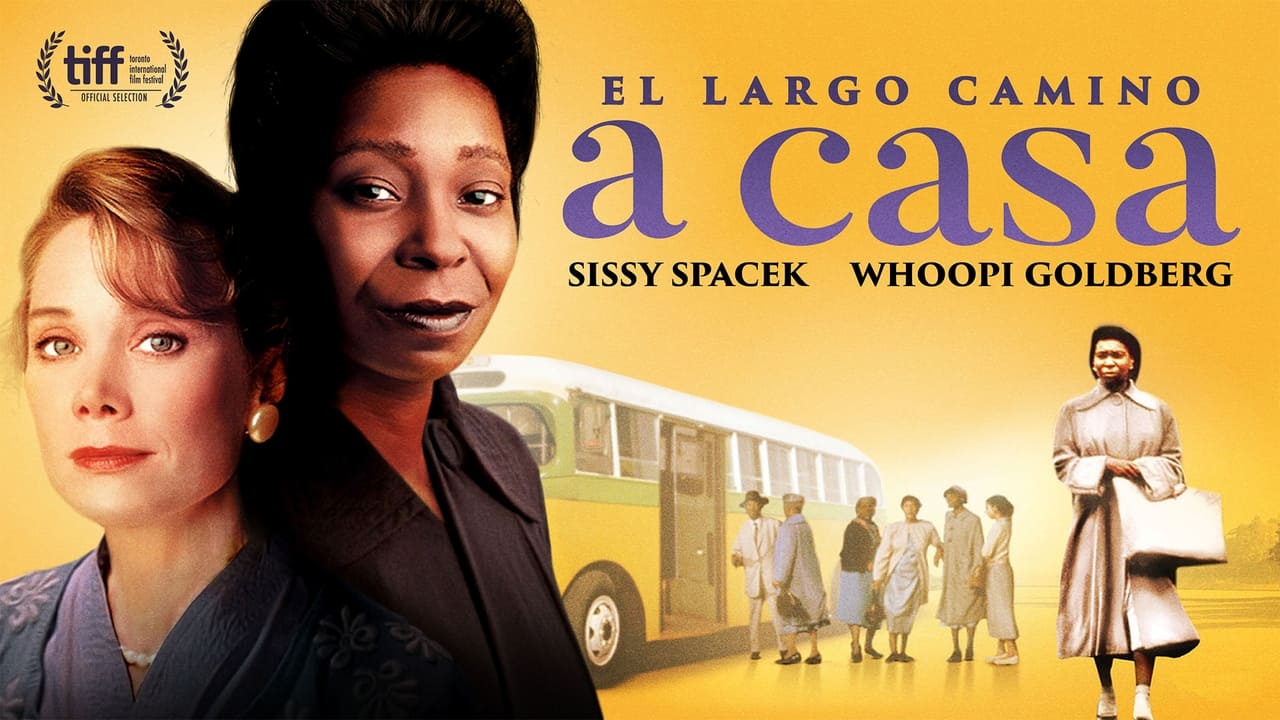
While the film depicts a crucial historical event, it transcends being merely a history lesson. It poses questions that linger: What does it take to see beyond our own circumstances? Where does personal responsibility begin when faced with systemic injustice? The film doesn't offer easy answers. It shows the complexities – the fear, the social pressure, the economic repercussions faced by both the boycotters and those few whites who dared to offer support.
Some might find the pacing deliberate, even slow, compared to modern historical dramas. But that pacing feels intentional, mirroring the long, arduous walks Odessa and countless others undertook. It allows the weight of each day, each mile, each small interaction to settle. This wasn't a sprint; it was a marathon demanding extraordinary perseverance. Seeing it on VHS, perhaps on a smaller CRT screen back in the day, might have even enhanced that intimacy, drawing you closer into the characters' quiet struggles and triumphs.
A Lasting Impression
The Long Walk Home might not be the first film that springs to mind when thinking of 90s cinema, often overshadowed by louder, flashier contemporaries. Yet, its quiet power endures. It’s a film about the human cost of hate and the transformative power of empathy, told through the lens of two women navigating a world determined to keep them apart. The production, while modest (reportedly budgeted around $8.5 million), feels rich in period detail and atmosphere, never letting the setting overwhelm the deeply personal story.
Rating: 8/10
This score reflects the film's powerful, nuanced performances from Goldberg and Spacek, its sensitive direction, and its thoughtful exploration of complex themes. It masterfully uses a specific historical moment to tell a universal story about courage, conscience, and connection. While its deliberate pacing might not appeal to all, its emotional resonance and historical significance make it a truly worthwhile watch, a poignant reminder tucked away on those video store shelves.
What ultimately stays with you after watching The Long Walk Home isn't just the history, but the profound truth that sometimes the longest journeys are the ones we take within ourselves.