There are films that entertain, films that thrill, and then there are films that settle deep within your bones, leaving an imprint long after the VCR whirs to a stop. Steven Spielberg’s 1985 adaptation of Alice Walker’s shattering novel, The Color Purple, is unequivocally the latter. Slipping this tape into the machine back in the day felt different; it wasn't the usual Friday night blockbuster fare. There was a weight to it, a sense of importance even before the opening frames flickered onto the CRT screen, hinting at the profound emotional journey ahead.
An Unexpected Palette
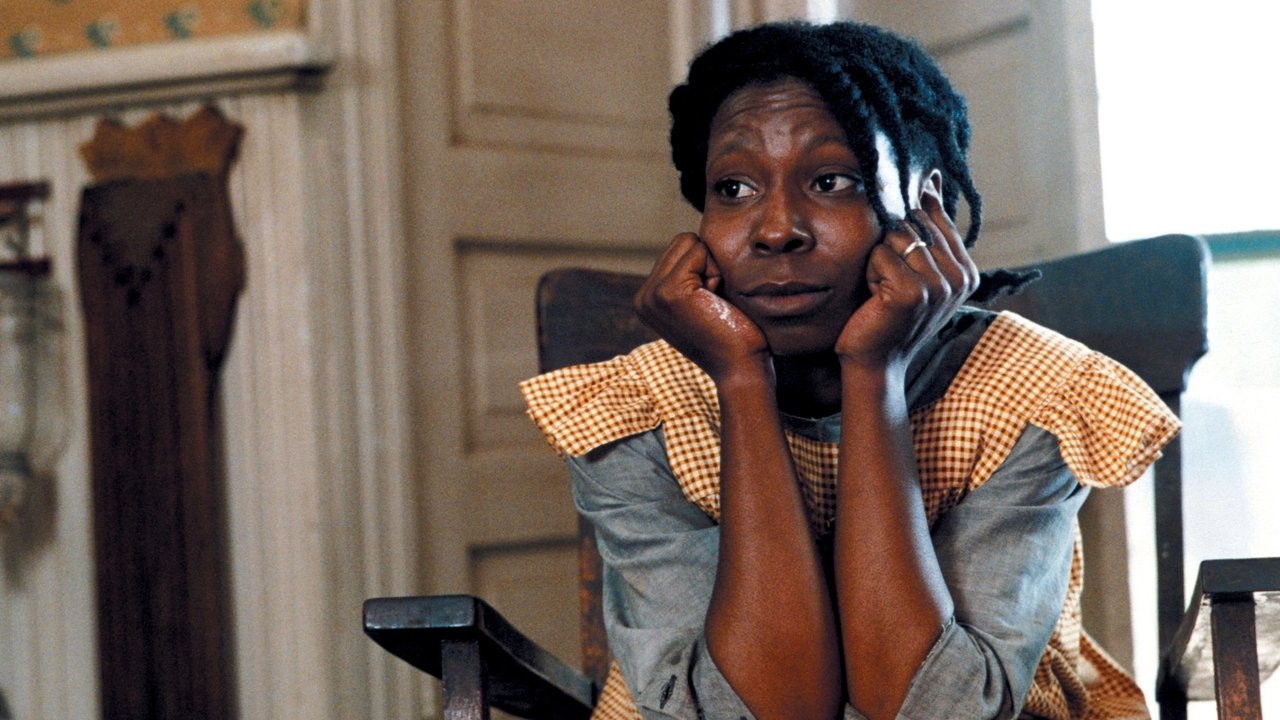
Seeing Steven Spielberg’s name attached felt almost jarring initially. This was the maestro of wonder and adventure, the man who gave us soaring bicycles and melting Nazis. Could he truly capture the harrowing, deeply intimate, and fiercely female-centric story penned by Alice Walker? Skepticism was understandable, perhaps even warranted. Yet, Spielberg, working from Menno Meyjes's sensitive screenplay, largely stepped back from his signature visual flourishes, opting instead for a painterly approach (Allen Daviau’s cinematography is frequently stunning) that sought to find moments of grace and beauty amidst profound suffering. Some critics at the time found this visual richness at odds with the material's brutality, a sort of "Spielbergian" gloss inappropriate for the dirt-poor, oppressive setting of early 20th-century rural Georgia. Yet, revisiting it now, doesn't that very contrast underscore Celie's own resilient spirit – her ability to perceive slivers of beauty even in the darkest corners?
The production itself was a significant undertaking, filmed primarily in North Carolina on a budget of $15 million. Its eventual box office haul of nearly $100 million (around $275 million adjusted for today) spoke volumes about its connection with audiences, even if critical opinions were divided and the Academy famously snubbed it – 11 nominations, zero wins remains one of the most talked-about Oscar shutouts. Alice Walker herself was deeply involved, initially hesitant about the adaptation but ultimately supportive, particularly championing the casting that would prove so pivotal.
Portraits Forged in Pain and Power
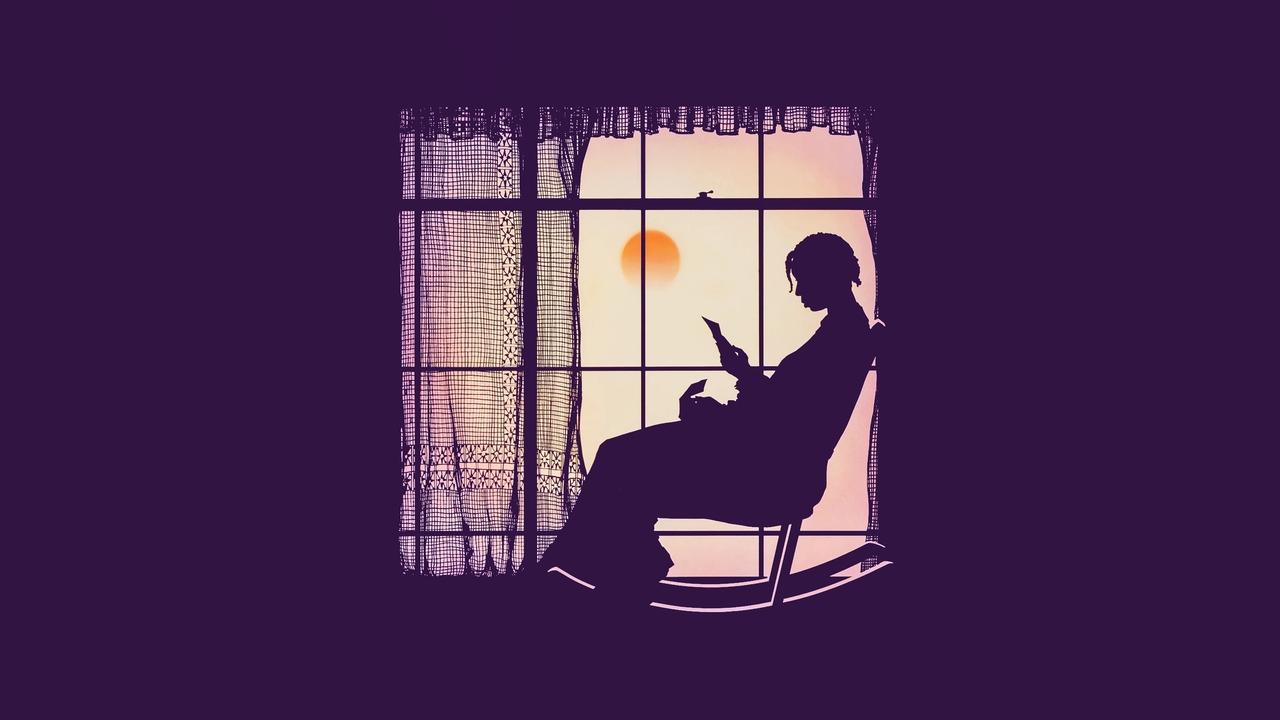
And what casting it was. It’s almost impossible to discuss The Color Purple without centering on the performances, particularly the astonishing screen debut of Whoopi Goldberg as Celie. Goldberg is Celie. She embodies her journey from a frightened, abused child-bride, whispering "Yes'm" to the world, to a woman slowly, tentatively finding her voice and her worth. Goldberg achieved this with heartbreaking subtlety – a downcast glance, a flicker of hope in her eyes, the eventual radiant smile that feels earned through decades of hardship. It was Goldberg herself who reportedly reached out to Alice Walker after reading the novel, eventually performing her one-woman show for Spielberg to secure the role. It’s one of those perfect alignments of actor and character that feels like destiny.
Equally unforgettable is Danny Glover as Albert, or "Mister." Glover avoids caricature, presenting a man warped by his own pain and patriarchal entitlement, capable of monstrous cruelty yet retaining glimpses of a fractured humanity that make him all the more terrifyingly real. It’s a complex, challenging portrayal. And then there's the arrival of Shug Avery, played with sultry, world-weary glamour by Margaret Avery (apparently beating out considerations like Tina Turner). Shug is the catalyst, the embodiment of freedom and self-possession that Celie has never known. Their relationship, though softened from the novel's explicitness (a source of considerable controversy and criticism upon release), remains the film's emotional core, a testament to the healing power of female connection.

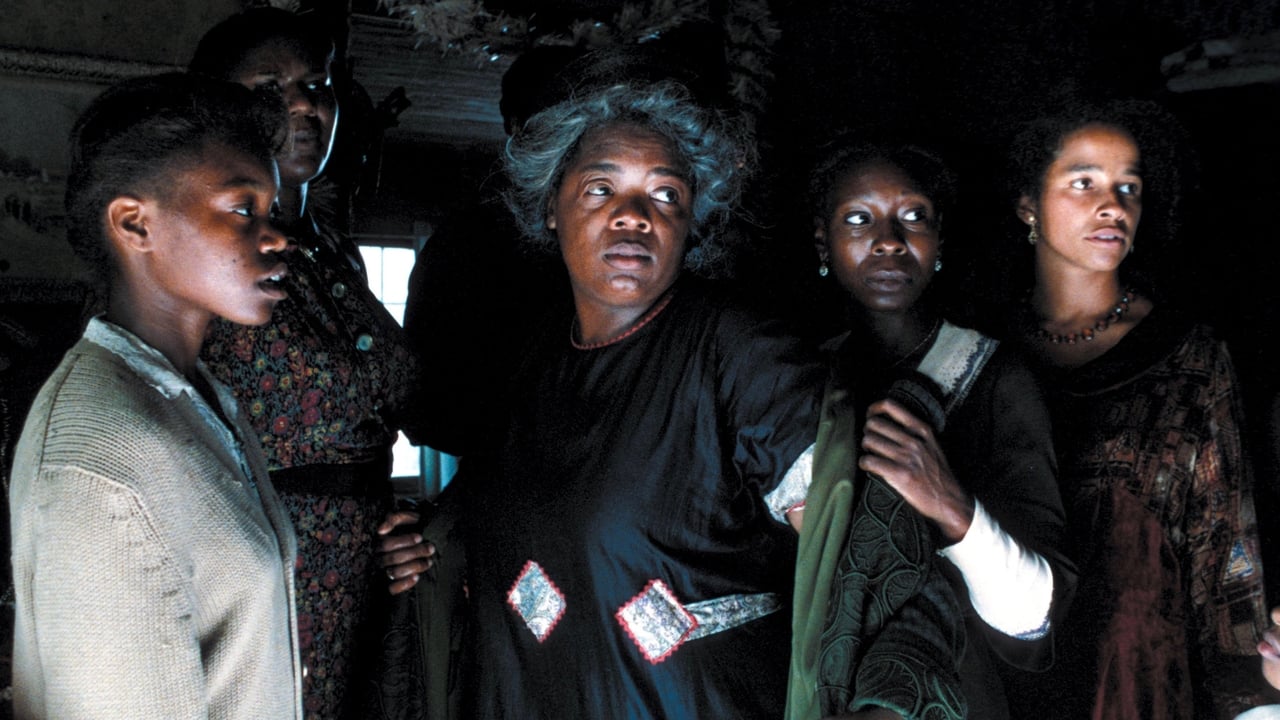
And who could forget Oprah Winfrey, also in a stunning film debut, as the defiant Sofia? Her explosive declaration at the dinner table – "You told Harpo to beat me?" – is an iconic moment of righteous fury, her subsequent breaking by the racist, patriarchal system a gut-wrenching counterpoint. Winfrey earned an Oscar nomination for her fiery performance, instantly establishing her dramatic chops. These performances aren't just acting; they feel like testimonials, raw and achingly authentic.
Navigating Difficult Truths
The film didn't shy away from the novel's brutal honesty regarding domestic violence, incest, and systemic racism, though it did navigate these treacherous waters with a certain cinematic restraint that some found problematic. The portrayal of Black men drew criticism from some quarters, arguing it reinforced negative stereotypes, a complex debate that continues to surround the film. Spielberg and screenwriter Meyjes undeniably softened some edges, particularly the lesbian relationship between Celie and Shug, framing it more through coded glances and deep affection than overt passion. Was this a necessary concession for mainstream 1980s filmmaking, or a dilution of Walker's bolder vision? It’s a question worth pondering as we look back.
Despite these debates, the film’s power lies in its unwavering focus on Celie’s journey towards self-discovery and liberation. The score by Quincy Jones (who also served as a producer, helping shepherd the project) swells and sighs, perfectly complementing the emotional landscape without overwhelming it. Scenes like Celie finally standing up to Mister, or the reunion with her long-lost sister Nettie, resonate with an earned emotional catharsis that’s hard to shake.
The Enduring Glow
Watching The Color Purple on VHS back then was an experience. It wasn’t background noise; it demanded your attention, your empathy. It sparked conversations, maybe uncomfortable ones, about history, gender, race, and resilience. It’s a film that deals with immense darkness but ultimately champions hope, sisterhood, and the enduring strength of the human spirit to find its own light. It cemented Whoopi Goldberg and Oprah Winfrey as major talents and demonstrated a different, perhaps deeper, dimension to Steven Spielberg's directorial prowess, even with the valid criticisms considered. Its legacy extends beyond the screen, spawning a successful Broadway musical and a recent musical film adaptation (2023), proving the story's timeless power.
***
Rating: 9/10
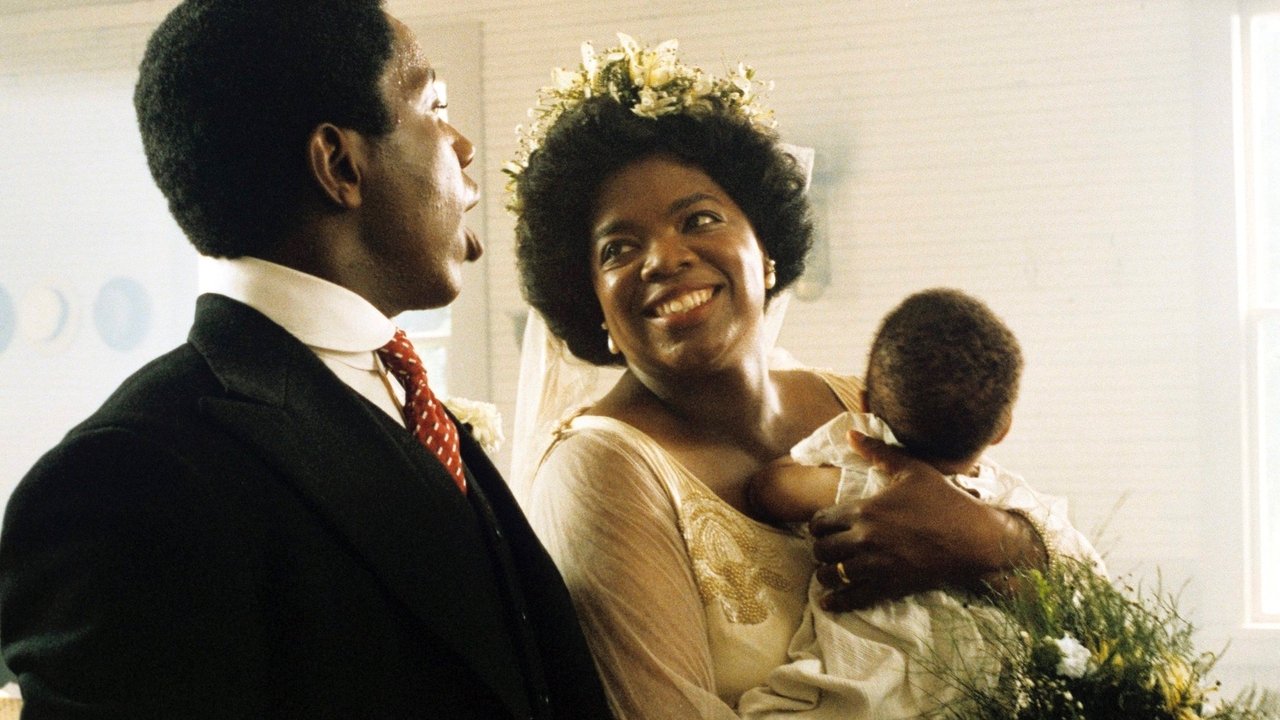
This score reflects the film's undeniable emotional impact, driven by extraordinary, career-defining performances, particularly from Whoopi Goldberg. While acknowledging the controversies surrounding its adaptation choices and Spielberg's sometimes overly polished aesthetic, the film remains a powerful, important piece of American cinema. Its sensitive handling of Celie's journey, the stunning craft on display, and its enduring cultural significance make it a landmark achievement, fully justifying its high rating despite the debates it sparked.
The Color Purple remains more than just a movie; it’s an emotional landmark, a testament to survival, and a film that continues to resonate profoundly, inviting reflection long after the tape runs out.