There are certain films from the VHS era that exist more as whispers, as legends passed between collectors, than as commonly rented weekend staples. They carry an aura of the forbidden, the controversial, the difficult. Walter Hugo Khouri's 1982 Brazilian drama, Amor Estranho Amor (often known internationally as Love Strange Love), is undeniably one of these films, a work whose notoriety often precedes any actual viewing experience. Watching it today feels less like unearthing a forgotten gem and more like confronting a complex, troubling piece of cinematic history.
A Hazy Mirror to the Past
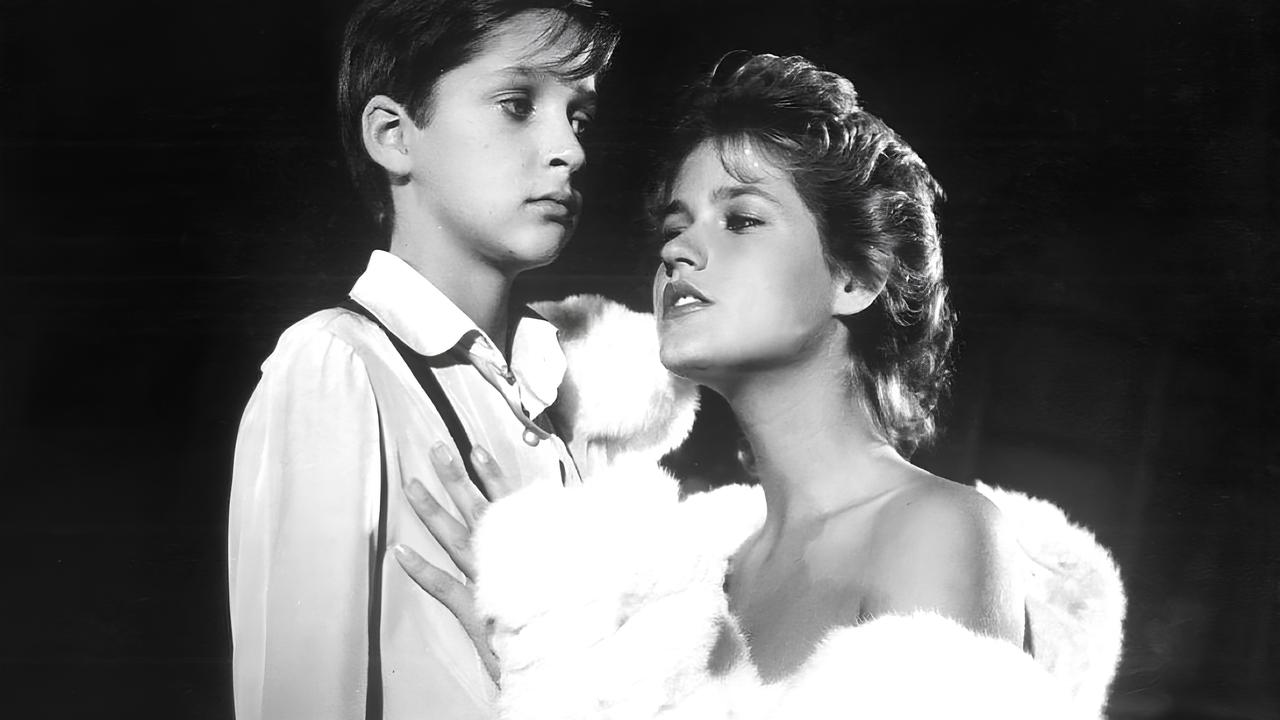
The film unfolds through the recollections of Hugo (Marcelo Ribeiro), a man reflecting on a pivotal few days in his youth, shortly before his mother's death. In 1937, the young Hugo is sent to stay in a decadent, almost dreamlike brothel managed by a worldly older woman, Anna (Vera Fischer, a major star in Brazil at the time). There, amidst the languid atmosphere of faded glamour and simmering tensions, he navigates the confusing cusp of adolescence. He observes the complex dynamics between the women, the visiting politicians, and particularly forms a bond with Tamara (Xuxa Meneghel), a young woman close to his age living under Anna's roof. It's a film steeped in atmosphere, prioritizing mood and psychological undercurrents over a driving plot. Khouri, known for his explorations of bourgeoisie ennui and complex psychosexual themes, crafts a world that feels both suffocating and strangely detached.
Navigating Troubled Waters
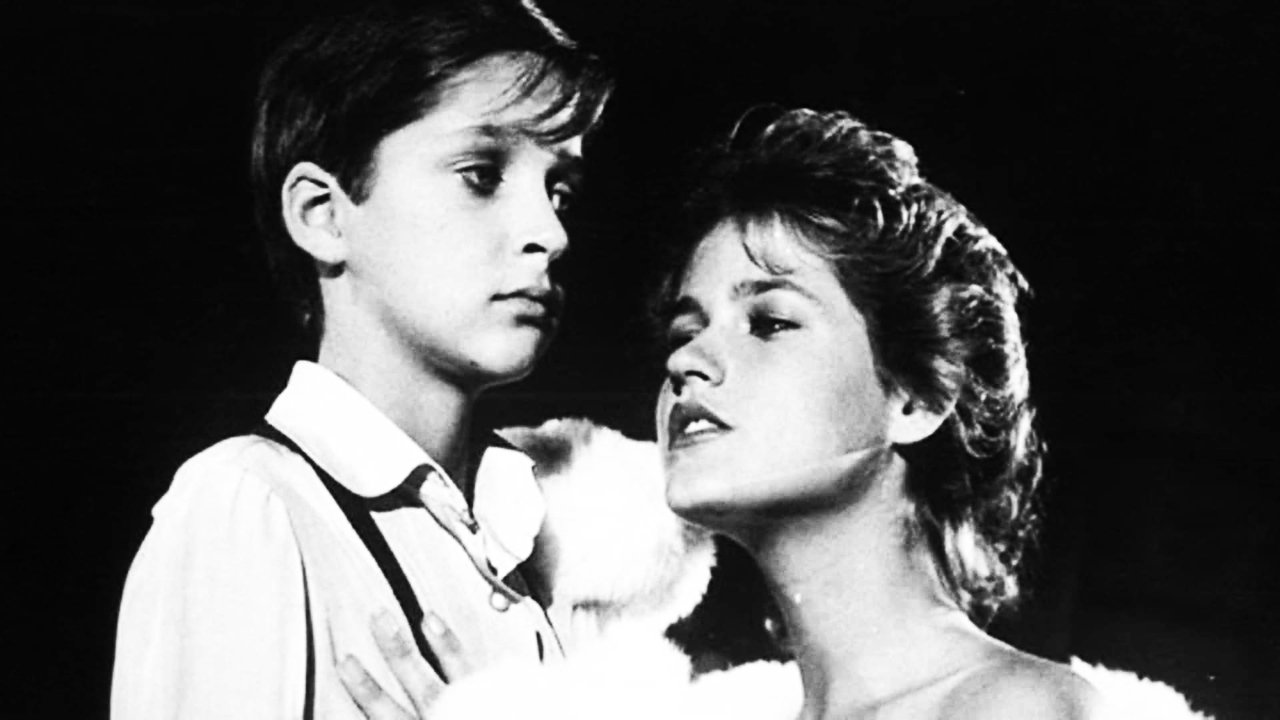
Let's address the elephant in the room immediately. Love Strange Love achieved lasting infamy primarily due to scenes depicting intimacy between the young Hugo character and the teenage Tamara, played by a then-unknown Xuxa Meneghel. Decades later, after Xuxa became an internationally recognized children's television icon, the film became the subject of intense legal battles as she fought successfully for many years to suppress its distribution, viewing it as detrimental to her image. This battle, ironically, only amplified the film's mystique and cemented its place as a controversial footnote in her career. Knowing this context fundamentally shapes the viewing experience. What might have been intended by Khouri as a potentially sensitive, albeit provocative, exploration of burgeoning sexuality under unusual circumstances becomes irrevocably tangled with real-world concerns about exploitation, consent, and the power dynamics inherent in filmmaking itself.
The performances are central to the film's uneasy power. Marcelo Ribeiro as the young Hugo carries a quiet watchfulness, effectively portraying the confusion and curiosity of a boy thrust into an adult world he doesn't fully comprehend. Vera Fischer brings a weary elegance to Anna, a woman presiding over a slowly decaying domain. And Xuxa Meneghel, in this early role, shows glimpses of the charisma that would later make her famous, but her presence is inevitably viewed through the lens of the later controversy. Her scenes with Ribeiro are uncomfortable, regardless of Khouri’s original intent, forcing the viewer to confront the ethical complexities involved.
Khouri's Vision and its Shadows
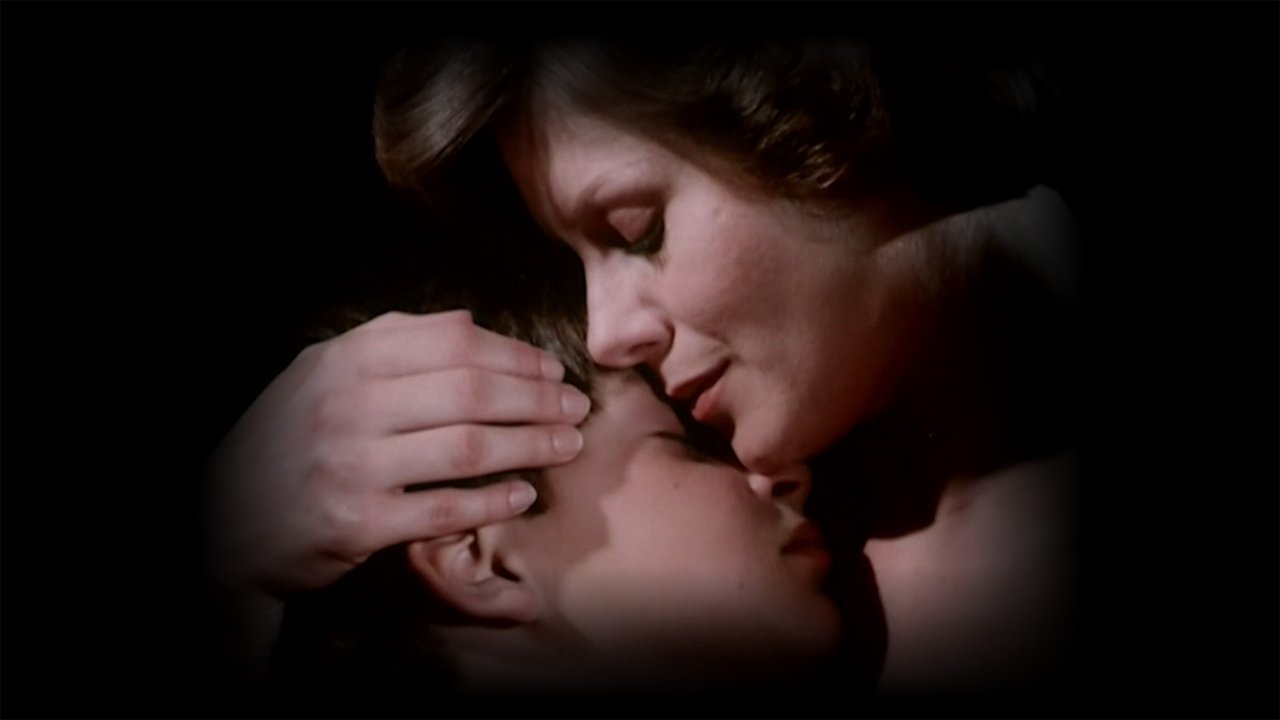
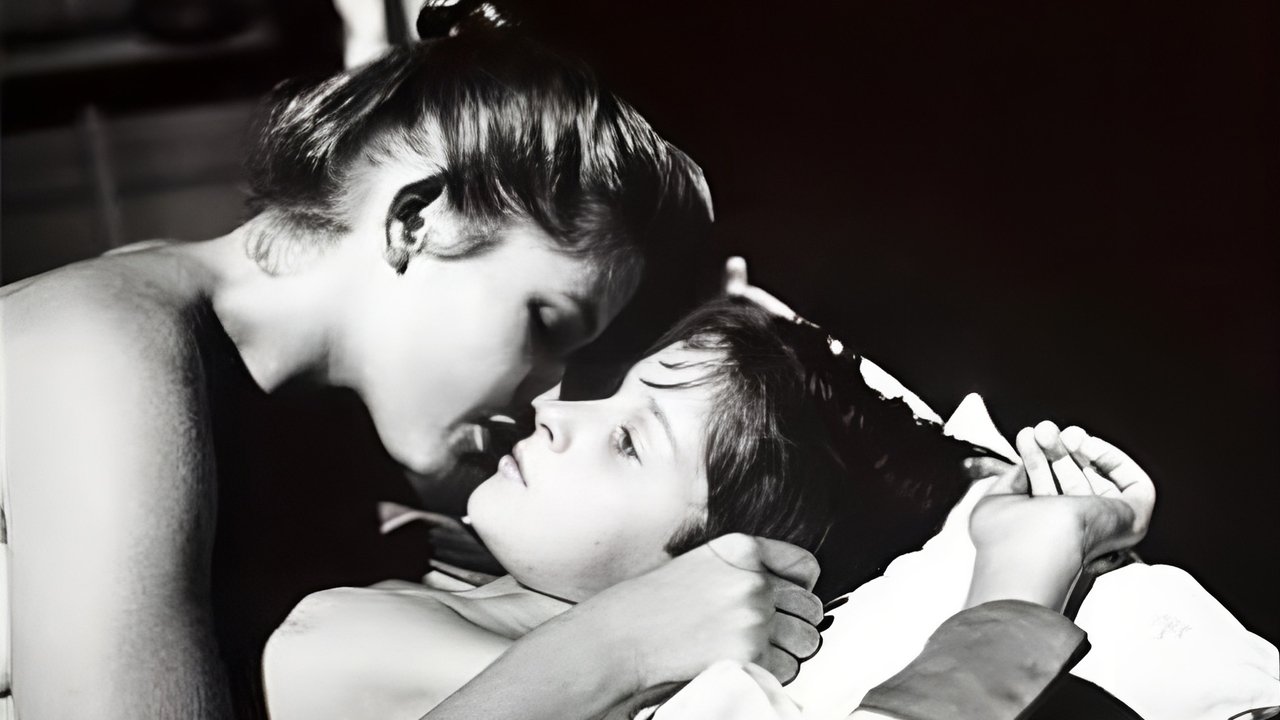
Walter Hugo Khouri was a respected figure in Brazilian cinema, often compared to European auteurs for his focus on internal states and societal critiques. Love Strange Love fits within his thematic preoccupations – the isolation, the repressed desires, the performance of identity. The cinematography often lingers, creating a deliberate, almost soporific pace. The production design captures a specific sense of time and place, a hermetically sealed world where external realities barely intrude. Was Khouri aiming for a sensitive portrayal of awakening, or something more exploitative? The film offers no easy answers, leaving a lingering sense of ambiguity that fuels its troubling nature. It doesn't shy away from depicting the transactionality and potential for abuse within the brothel setting, but its focus through the lens of adolescent memory complicates straightforward interpretation. Does memory soften harsh realities, or does it inadvertently romanticize or excuse them? The film seems to pose this question without definitively answering it.
Finding this film back in the day wasn't like picking up the latest blockbuster. It was often a bootleg, a rumour, something traded amongst those seeking out the obscure or the taboo. Its very scarcity added to its allure. Watching it now, stripped of some of that illicit thrill, the film’s deliberate pacing can feel slow, its narrative elliptical. The controversy, while fascinating from a historical perspective, casts such a long shadow that it becomes difficult to engage with the film purely on its own artistic terms.
Rating & Final Reflection
4/10
Justifying a rating for Love Strange Love is challenging. As a piece of filmmaking, it has moments of atmospheric strength and committed performances navigating extremely difficult material. Khouri's directorial hand is evident, aiming for a specific, languid mood. However, the ethical cloud surrounding its most infamous scenes, amplified by the subsequent legal battles and the star trajectory of Xuxa Meneghel, makes it an unsettling and problematic viewing experience. The controversy isn't just trivia; it's intrinsically linked to the film's reception and legacy. The film's exploration of memory and sexuality feels overshadowed by the real-world implications and the unavoidable discomfort it generates. It earns points for its place in cinema history and its atmospheric ambition, but loses significantly due to its problematic core and the ethical questions it raises but never satisfyingly resolves.
Ultimately, Love Strange Love remains a complex curiosity – less a film to be enjoyed, perhaps, and more one to be cautiously examined as a historical artifact, a testament to the sometimes murky lines between art, exploitation, and the long reach of consequence. It’s a stark reminder that some tapes unearthed from the depths of VHS history carry more weight than just nostalgia.