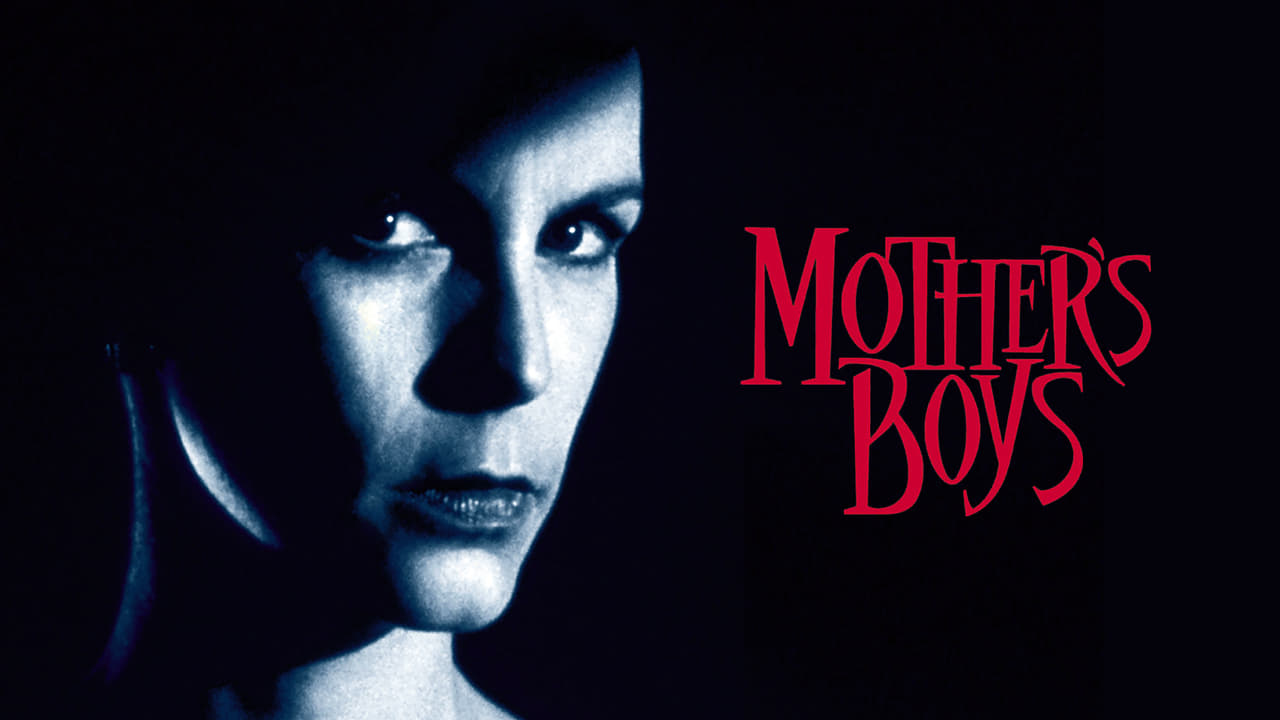
There’s a particular chill that settles in the air when the familiar architecture of the family home becomes the stage for psychological warfare. It’s not the creak of the floorboards in the dead of night, but the unnerving shift in a loved one’s eyes, the smile that doesn’t quite reach them. 1993's Mother's Boys weaponizes this domestic dread, offering a stark and often disturbing portrait of maternal obsession turned toxic, spearheaded by a performance from Jamie Lee Curtis that feels like ice water dripped slowly down your spine. Forget Laurie Strode’s resilience; here, Curtis embodies the very thing you’d need saving from.
The Unwelcome Return
The setup is pure 90s thriller territory, tapping into the anxieties simmering beneath the surface of seemingly perfect suburban lives. Jude Madigan (Jamie Lee Curtis) inexplicably walked out on her husband Robert (Peter Gallagher) and their three young sons three years prior. Just as Robert has tentatively rebuilt his life, finding stability and potential new love with Callie Harland (Joanne Whalley, bringing quiet strength to a challenging role), Jude reappears. She isn't repentant; she's calculating, manipulative, and chillingly focused on reclaiming her family – particularly her eldest son, Kes – by any means necessary. The comfortable home Robert tried to maintain swiftly transforms into a battleground, less about slammed doors and more about insidious whispers and psychological leverage.
When Jamie Lee Got Scary
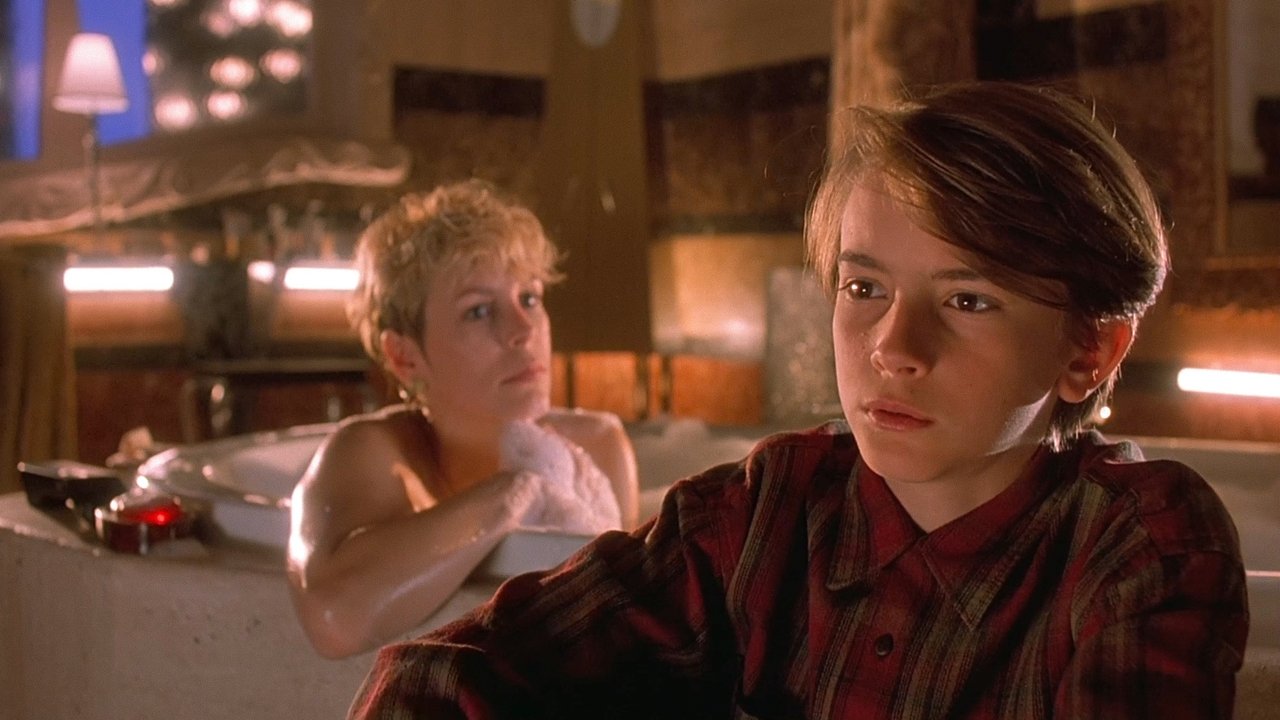
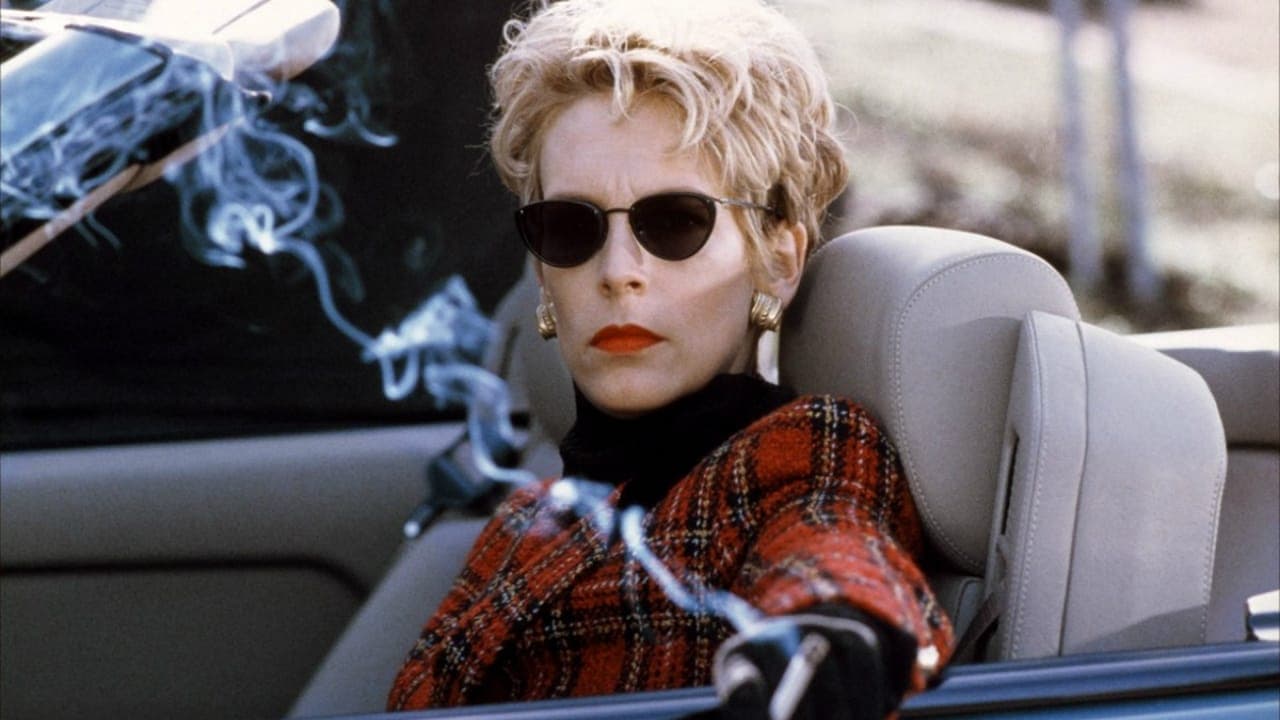
Let's be honest: seeing Jamie Lee Curtis, an actress we’d come to associate with resourceful heroines (Halloween, True Lies) or sharp comedic timing (A Fish Called Wanda), delve into such calculated villainy was a jolt back in '93. And it remains the film's most potent weapon. Curtis plays Jude not as a mustache-twirling caricature, but with a terrifyingly serene conviction. Her manipulations are subtle at first, playing on guilt and childhood bonds, before escalating into something far more dangerous. It's a performance that leans into stillness, making the eventual flashes of rage or boundary-crossing behaviour all the more shocking. Apparently, Curtis actively pursued darker roles around this time, eager to shed typecasting, and she fully commits here. It’s a far cry from her action star turn opposite Arnold Schwarzenegger in the following year's blockbuster True Lies (1994), showcasing a chilling versatility.
Director Yves Simoneau, perhaps better known for later TV epics like Napoleon (2002), crafts a deliberately paced atmosphere of unease. He understands that the real horror isn't jump scares, but the slow erosion of trust and safety within the family unit. The film often uses tight framing and quiet moments, letting the tension build in the uneasy interactions between Jude and her bewildered, increasingly torn sons. The sunny Pasadena, California locations, usually symbols of idyllic family life, feel subtly corrupted here, the perfect backdrop for Jude's insidious campaign. It feels less like Fatal Attraction’s overt pyrotechnics and closer, tonally, to the simmering domestic poison of The Hand That Rocks the Cradle (1992), though perhaps without achieving the same level of mainstream impact.
Retro Fun Facts: Trouble in Paradise
- Mother's Boys was adapted from the 1988 novel by Bernard Taylor, sticking reasonably close to the core psychodrama.
- Despite Curtis's compelling performance, the film struggled to find an audience, grossing just under $9 million domestically against a reported $9 million budget. It became one of those titles more likely discovered on video store shelves than during a packed opening weekend. Remember finding gems like this tucked away in the thriller section?
- The dynamic between Jude and her eldest son Kes (Luke Edwards) pushes into genuinely uncomfortable territory, exploring themes of emotional incest and manipulation that likely made audiences squirm even more than overt violence. It’s a bold choice, even if handled with a certain 90s melodrama.
- Critics at the time were largely unkind (Roger Ebert famously gave it just one star), perhaps finding the pacing too slow or the plot mechanics occasionally strained. But viewed through the lens of VHS nostalgia, its atmospheric dread and Curtis's chilling turn hold a certain power.
A Mother's Grip
The film isn't flawless. The pacing can feel deliberate to the point of sluggishness in places, and some of the plot developments rely on characters making less-than-savvy decisions. Peter Gallagher, always a reliable presence (think sex, lies, and videotape or While You Were Sleeping), does his best as the increasingly desperate father, but the script gives him less room to maneuver compared to Curtis's magnetic malevolence. The younger sons sometimes feel more like plot devices than fully fleshed-out characters caught in the crossfire.
Yet, Mother's Boys lingers. It’s the quiet calculation in Jude’s eyes, the way she turns maternal affection into a suffocating weapon. It taps into a primal fear – the corruption of the ultimate source of safety and love. Watching it again, especially if you first encountered it on a grainy VHS tape late one night, there's an undeniable atmospheric pull. It’s a reminder of a time when psychological thrillers aimed for slow-burn discomfort over frantic action, even if they didn’t always hit the mark perfectly. Did Jude’s methods genuinely unnerve you back then, or did it feel like standard thriller fare? For me, Curtis elevates it beyond the formula.
VHS Heaven Rating: 6/10
Justification: The 6 feels right because while Mother's Boys boasts a genuinely unsettling and committed central performance from Jamie Lee Curtis and effectively builds a tense atmosphere, it's hampered by uneven pacing and some predictable plot beats common to 90s domestic thrillers. It doesn't quite reach the heights of the genre's best, and its box office failure reflects its struggle to connect broadly. However, Curtis's against-type work is fascinating, and the film successfully evokes a specific kind of suburban dread that warrants seeking it out for fans of the era or the star.
Final Thought: A somewhat forgotten artefact of the 90s thriller boom, Mother's Boys remains worth revisiting primarily for Jamie Lee Curtis’s chilling dive into maternal monstrosity – a performance that proves even America’s sweetheart could curdle your blood.