There’s a particular flavour of obsession that thrived under the flickering fluorescent lights of the mid-90s video store aisles, nestled between the action blockbusters and the burgeoning indie scene. It wasn't the anonymous, digital rage we know today, but something more tangible, more unnervingly personal. And few films captured that creeping dread, that sense of admiration twisting into something predatory, quite like Tony Scott’s The Fan (1996). Forget the crackle of the tape for a moment; remember the cold knot that formed in your stomach watching Robert De Niro’s smile fail to reach his eyes?
Sunshine and Shadow
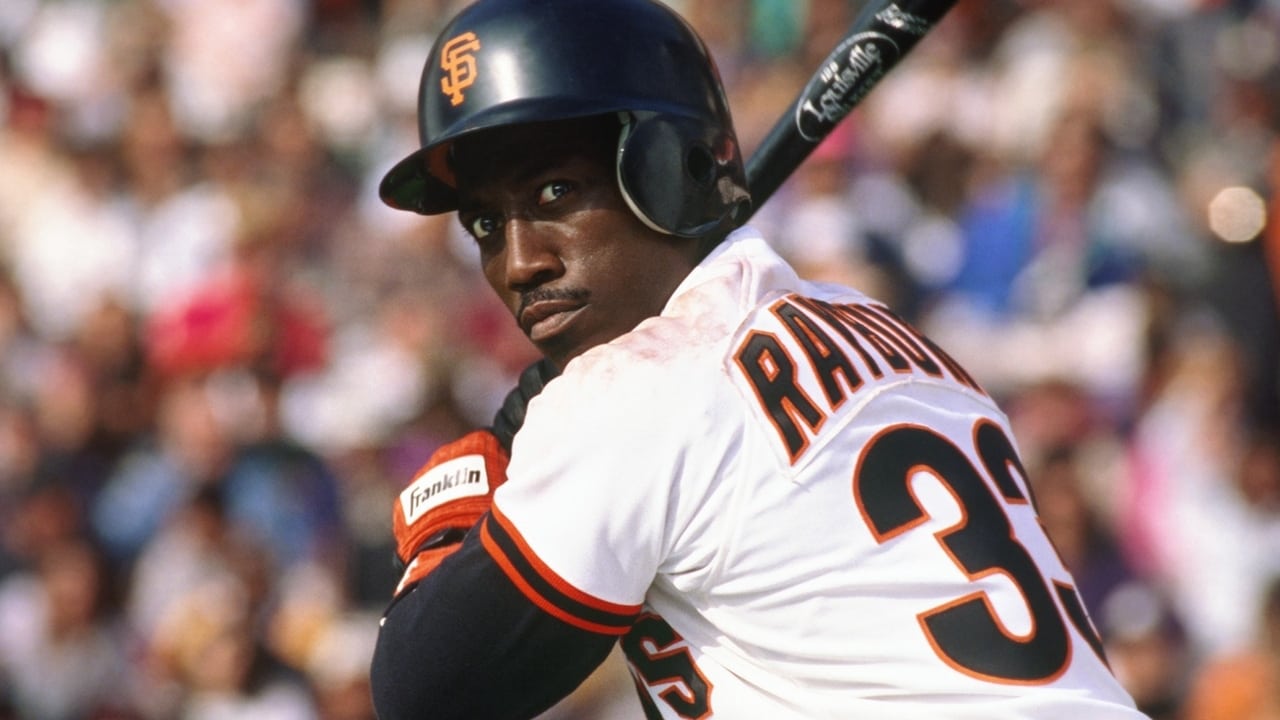
On the surface, The Fan offers the slick, high-octane gloss Tony Scott practically patented throughout the 80s and 90s, fresh off hits like Crimson Tide (1995). We’re thrown into the high-stakes world of professional baseball, centered around the San Francisco Giants' newest superstar signing, Bobby Rayburn (Wesley Snipes), a charismatic athlete grappling with a career slump and immense public pressure. Scott shoots the baseball sequences with his trademark kinetic energy, all fast cuts, dramatic zooms, and saturated colours bathing Candlestick Park in an almost hyperreal glow. You can almost smell the hot dogs and feel the buzz of the crowd – an authenticity bolstered by filming during actual Giants games, weaving the fiction into the fabric of real-world fandom. But beneath the stadium lights lurks Gil Renard (Robert De Niro), a down-on-his-luck knife salesman whose passion for baseball, and specifically for Rayburn, is rapidly souring into something far more sinister.
De Niro's Dangerous Devotion
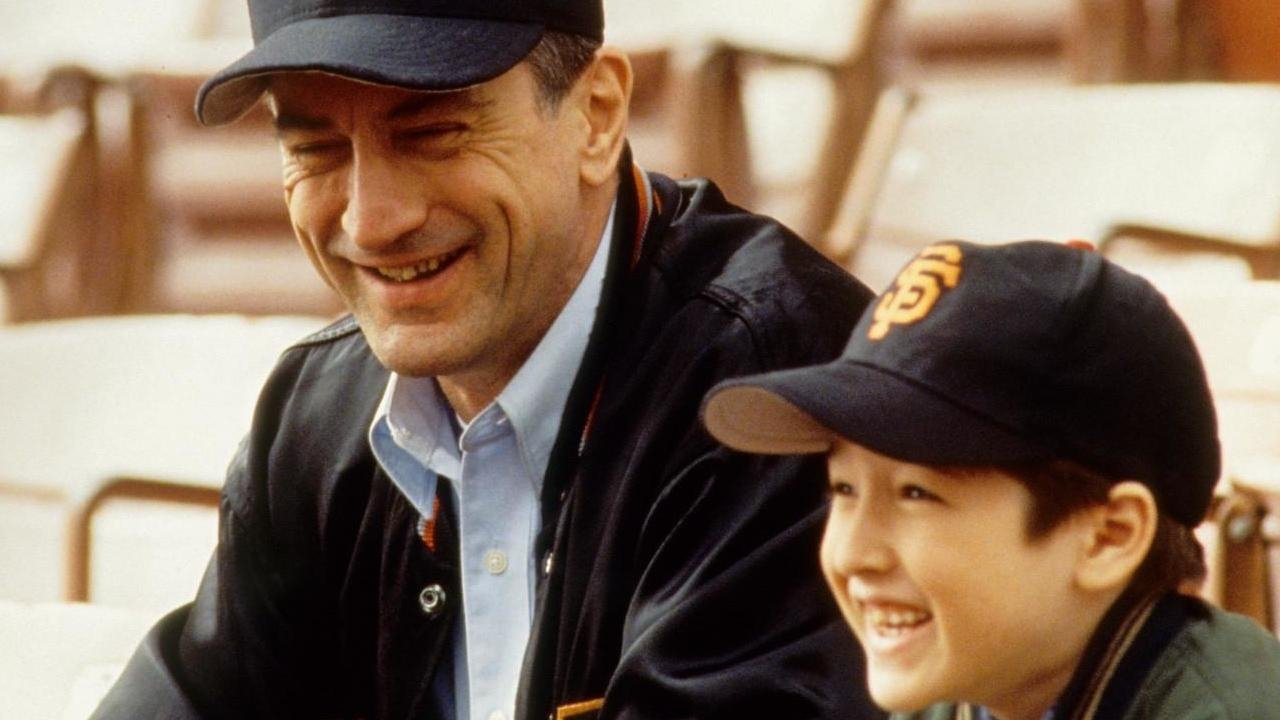
Let's be honest, Robert De Niro built a career on intensity, but his portrayal of Gil Renard is a masterclass in escalating menace. He starts as relatable, almost pathetic – the guy who knows every stat, who lives and breathes the team, whose own life failures are momentarily forgotten in the reflected glory of his idol. We see the fandom, the desperate need for connection. But De Niro masterfully charts Gil’s descent, the obsessive focus narrowing his world until Rayburn isn’t just a player to root for, but a possession, someone who owes him success and recognition. It’s rumoured De Niro delved deep into studying the psychology of stalkers for the role, and it shows. Every awkward interaction, every forced pleasantry, vibrates with coiled tension. Doesn't that performance still crawl under your skin a bit, even after all these years?
Wesley Snipes, at the absolute peak of his 90s action-hero fame (Demolition Man (1993), Blade (1998)), brings a necessary counterweight. He’s not just a cardboard cutout athlete; Rayburn feels the weight of expectation, the intrusion of fame, the frustration of a slump turning toxic. The dynamic between the obsessed fan and the besieged star forms the chilling core of the film. Supporting players like Ellen Barkin as a tough sports talk radio host and John Leguizamo as Rayburn's slick agent add texture to this world where celebrity is both a blessing and a curse.
Behind the Bleachers
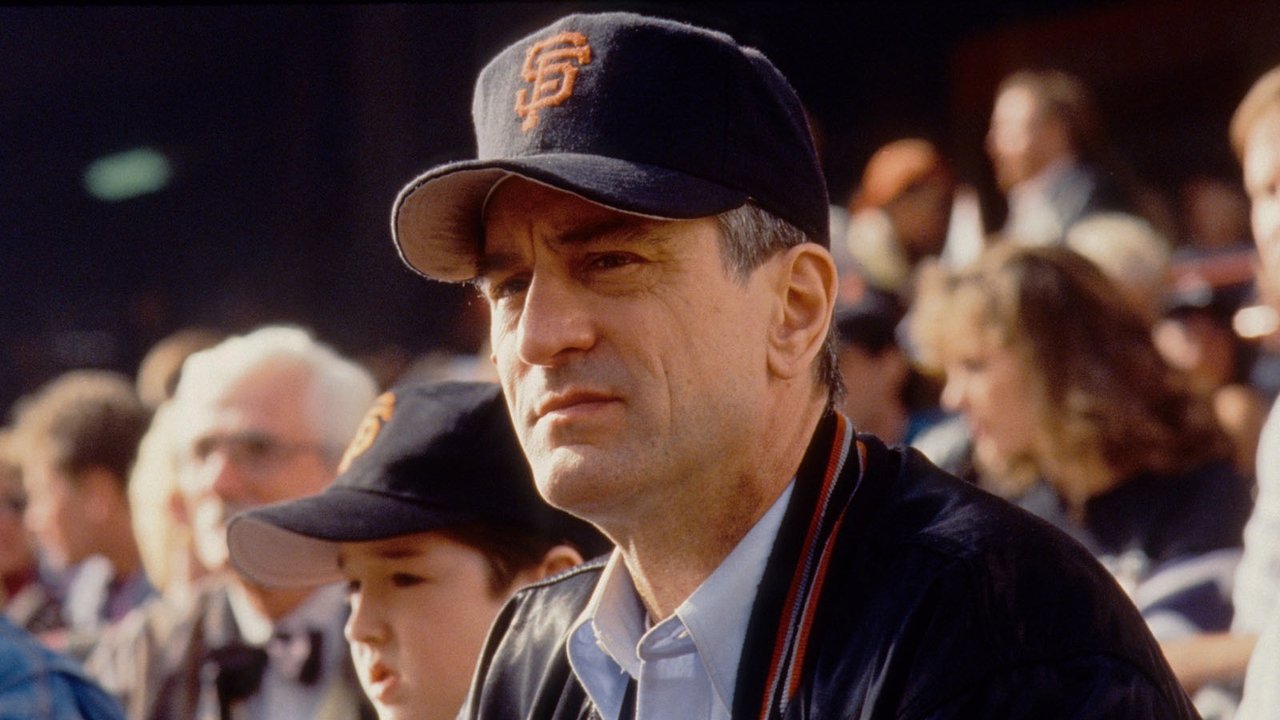
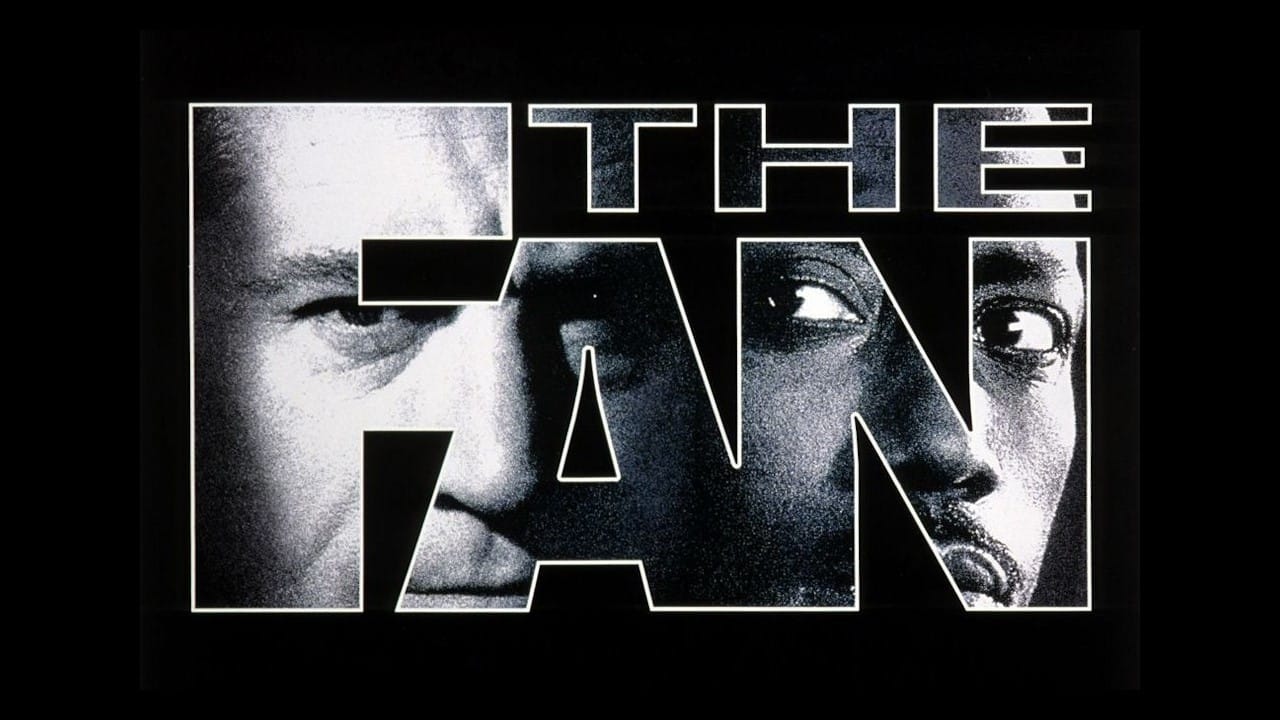
While The Fan boasts A-list talent and Scott’s undeniable visual flair, it wasn't exactly a home run at the box office, pulling in just over $18 million domestically against a hefty $55 million budget (that's roughly $108 million today!). Perhaps audiences in '96 weren't quite ready for its bleakness, or maybe it felt too close to other stalker thrillers of the era like Single White Female (1992) or Cape Fear (1991), which also starred De Niro in a terrifyingly memorable role. The script, credited to Phoef Sutton based on Peter Abrahams’ novel, reportedly underwent significant changes. Whispers persisted about studio interference demanding a less brutal ending and the removal of a particularly disturbing scene involving Gil's son, suggesting an even darker film might have initially been conceived. Yet, even in its released form, the film retains a palpable sense of unease, largely thanks to Scott's direction and Hans Zimmer's throbbing, atmospheric score.
The Unsettling Score
Tony Scott weaponizes his style here. The quick cuts aren't just for show; they mimic Gil's fractured psyche, his obsessive thoughts darting and latching onto Rayburn. Close-ups linger uncomfortably on faces, revealing the sweat, the fear, the simmering rage. The perpetual San Francisco rain seems to wash over the city, mirroring the grim trajectory of Gil's plan. Watching this on a fuzzy VHS tape, perhaps late at night, the shadows seemed deeper, the grain enhancing the gritty reality of Gil's decaying world and the terrifying potential lurking within seemingly ordinary encounters. It tapped into a primal fear – the vulnerability that comes with being in the public eye, and the terrifying unpredictability of those watching from the shadows.
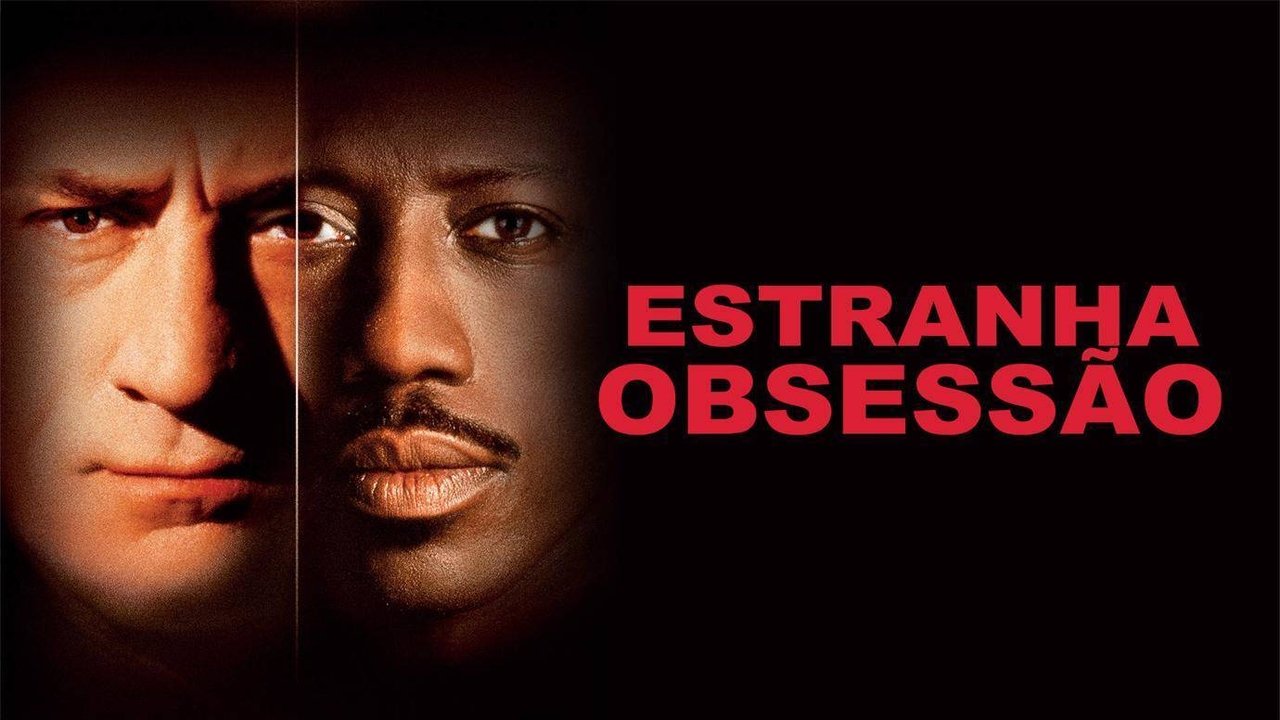
The plot definitely takes some third-act leaps that might strain credulity, pushing into full-blown thriller territory that some found excessive. Is Gil’s elaborate scheming entirely believable? Perhaps not. But the psychological horror, grounded by De Niro’s chilling commitment, often transcends the occasional script fumble. It’s less about the how and more about the terrifying why simmering behind those intense eyes.
Rating: 7/10
The Fan scores a solid 7 out of 10. It’s a slick, often genuinely unnerving 90s thriller anchored by a truly disturbing performance from Robert De Niro and propelled by Tony Scott’s muscular direction. While plot contrivances and perhaps a sense of familiarity might hold it back from absolute classic status, its exploration of toxic fandom feels startlingly prescient. It captures that specific pre-internet era of intense, tangible celebrity obsession with a chilling effectiveness that lingers. It may not have been a box office grand slam, but popping this tape in reminds you of a time when thrillers could be glossy and star-studded, yet still deliver a potent, uncomfortable dose of dread that felt disturbingly real. It's a potent reminder that sometimes, the scariest monsters aren't hiding under the bed – they're sitting in the stands, cheering just a little too loudly.