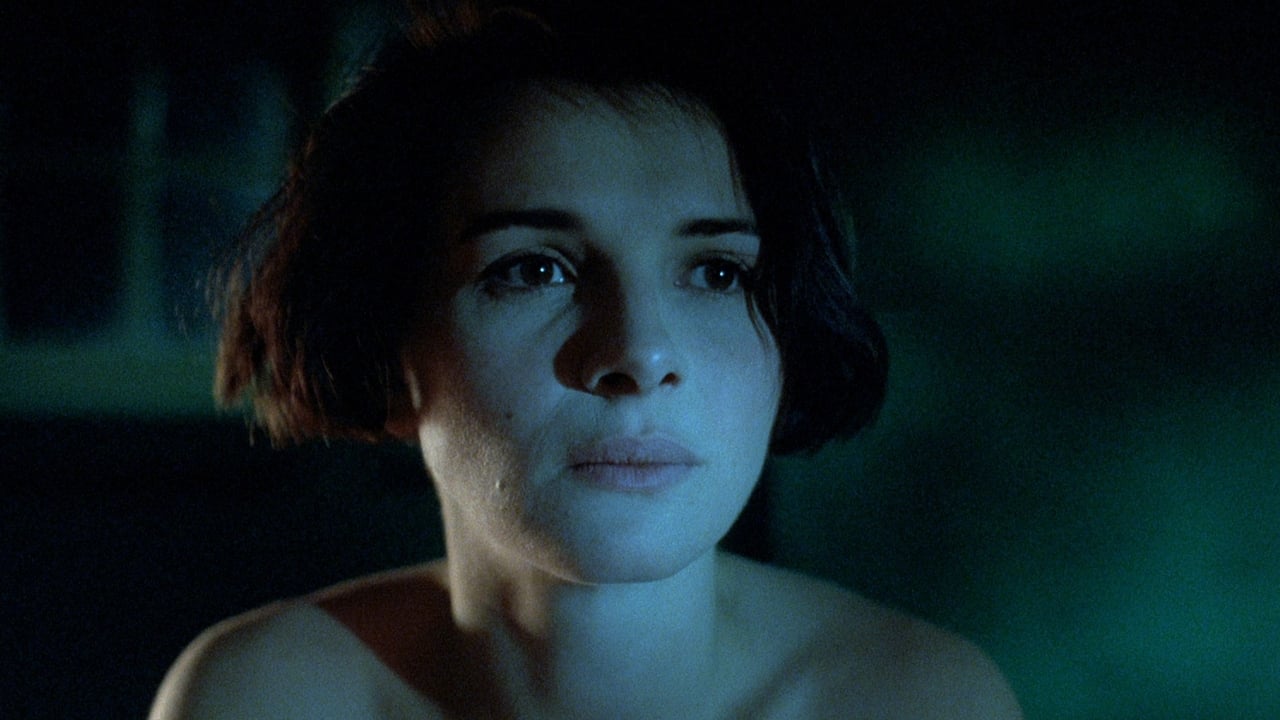
What colour is grief? In Krzysztof Kieślowski's devastatingly beautiful 1993 film, Three Colors: Blue (part one of his acclaimed trilogy), it's an overwhelming, immersive shade of blue – the cold blue of swimming pools, the ghostly blue light filtering through glass mobiles, the deep blue ink bleeding onto musical scores. But this isn't just about sadness; it's about the paradoxical pursuit of liberty ('Liberté', the first tenet of the French motto echoed in the trilogy) found, or perhaps forced, through profound loss. It’s a film that might have felt like an unusual discovery back in the day, tucked away on the video store shelf perhaps, promising something deeper, quieter than the usual weekend fare.
### Drowning in Freedom
The premise is stark, almost brutal in its simplicity. Julie (Juliette Binoche) survives a catastrophic car crash that instantly kills her husband, Patrice, a renowned composer, and their young daughter, Anna. Faced with an emptiness so vast it threatens to swallow her whole, Julie makes a radical choice: she sheds everything. She attempts to erase her past, selling the family estate, destroying her husband's unfinished musical commissions (including a 'Concerto for the Unification of Europe'), and moving anonymously into a Paris apartment, seeking absolute emotional detachment. Can one truly sever all ties, though? Can freedom be achieved by simply willing oneself into oblivion? Kieślowski, alongside his frequent co-writer Krzysztof Piesiewicz, doesn't offer easy answers.
### A Universe in a Glance

This is, without question, Juliette Binoche's film. Her performance as Julie is nothing short of breathtaking, a masterclass in internalized emotion. So much of the film rests on her face, her eyes conveying depths of pain, flickers of memory, and the sheer effort of maintaining her chosen isolation. There are few grand pronouncements or histrionic breakdowns; instead, Binoche charts Julie’s journey through subtle shifts in expression, the tension in her shoulders, the way she interacts – or pointedly doesn't interact – with the world. Recall the scene where she drags her knuckles against a rough stone wall, a desperate, physical attempt to feel something, anything, other than the crushing weight of her grief. It’s moments like these, raw and visceral, that make her portrayal so unforgettable and achingly authentic. Kieślowski reportedly asked Binoche to convey complex emotions with minimal expression, a challenge she met with astonishing power. It’s a performance that rightfully earned her the Best Actress award at the Venice Film Festival.
### The Kieślowski Touch
Krzysztof Kieślowski, known for his profound explorations of human connection and chance in works like The Double Life of Véronique (1991) and the monumental Dekalog (1989), directs with a precise, almost poetic hand. The visual language is deliberate and deeply symbolic. The recurring motif of blue isn't just aesthetic; it’s thematic, representing Julie's sorrow, her isolation, and paradoxically, the potential for a different kind of freedom. Cinematographer Sławomir Idziak uses intense blue filters and specific lighting choices to bathe scenes in this melancholic hue, often contrasting it with moments of warm, golden light that signify fleeting connections or resurfacing memories.

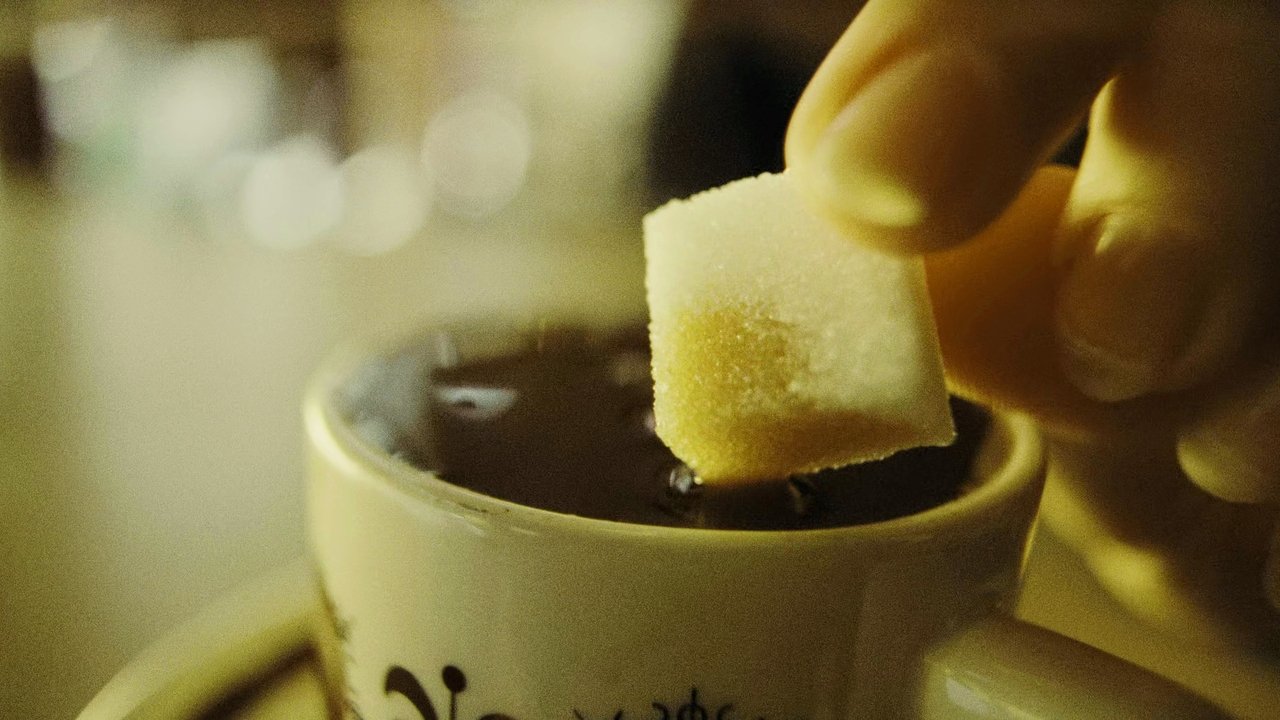
Think of the iconic pool scenes: Julie floats, suspended in the chemically blue water, seeking a momentary escape, a sensory deprivation from the world's demands. Kieślowski often employs tight close-ups – on a sugar cube absorbing coffee, on fingers tracing musical notes – forcing us into Julie's intensely focused, sometimes fractured, perspective. These details aren't random; they are fragments of the world trying to intrude on her self-imposed exile.
### Echoes in the Silence
The score by Zbigniew Preisner is not mere background music; it's practically a character in itself. The fragments of Patrice's unfinished concerto haunt Julie, bursting forth unexpectedly, representing the inescapable pull of her past and the creative life she shared with her husband. These powerful orchestral surges often accompany Julie’s most vulnerable moments, suggesting that the music holds both the memory of her loss and the potential key to her future. The way the score seems to emanate from Julie's own consciousness, sometimes overwhelming her senses, is a brilliant fusion of sound and narrative. It’s worth noting that Preisner actually composed the "Concerto for the Unification of Europe" specifically for the film, giving tangible form to this central musical motif.
Despite Julie’s efforts, life insists on intruding. Lucille (Charlotte Véry), a neighbour working as an exotic dancer, draws Julie into her orbit. Olivier (Benoît Régent), Patrice’s collaborator who carries an unrequited love for Julie, tries to pull her back towards the music and the world. These relationships aren't simple plot devices; they represent the persistent, often unwelcome, threads of human connection that challenge Julie’s quest for detachment. Does true liberty lie in isolation, or in finding a new way to connect after everything has been broken?
### Legacy in Blue, White, and Red
Blue stands powerfully on its own, but its resonance deepens when considered as the first part of the Three Colors trilogy, followed by White (Equality) and Red (Fraternity). Each film explores its respective theme through different characters and tones, yet subtle connections and recurring motifs link them, creating a rich tapestry examining contemporary European life and universal human struggles. Though perhaps less explosive than many VHS-era staples, Blue's arrival signaled a mature, artful sensibility available even on home video, a testament to the diverse cinematic landscape of the early 90s. Its impact wasn't measured in box office explosions (though it performed well for an art film, grossing several million against its estimated $5-6 million budget) but in its profound emotional depth and artistic integrity.
Rating: 9/10
This rating reflects the film’s sheer artistry, Juliette Binoche’s monumental performance, and Krzysztof Kieślowski’s masterful direction. The deliberate pacing and intense focus on internal struggle might not be for everyone accustomed to faster-paced 90s fare, but its emotional power and visual poetry are undeniable. Three Colors: Blue doesn't just depict grief; it immerses you in it, leaving you contemplating the complex, often contradictory, nature of freedom long after the screen fades to black. It remains a hauntingly beautiful piece of cinema, a quiet giant from the VHS era that still speaks volumes.