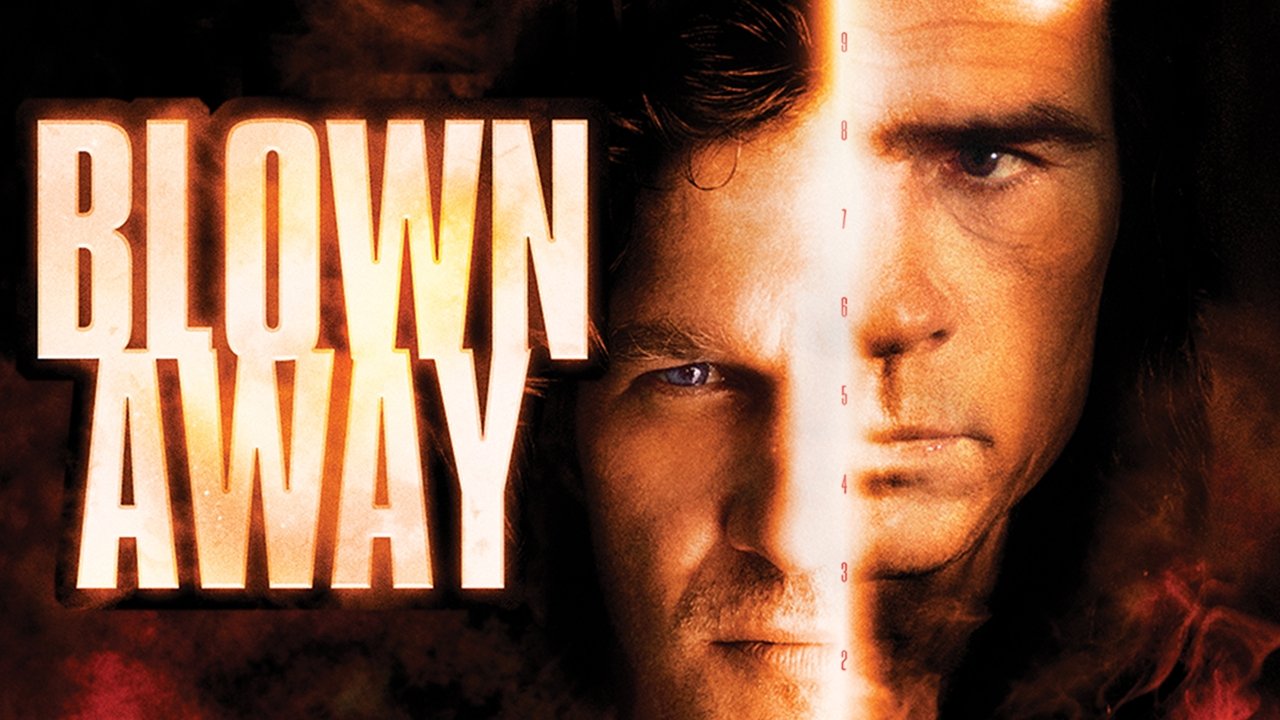
Some feuds simmer. Others explode. And then there’s the scorched-earth vendetta at the heart of Stephen Hopkins' 1994 thriller, Blown Away, a film that pulses with the dangerous energy of its unhinged antagonist and the desperate tension of a ticking clock. It arrived on shelves bathed in the reflected glory of Tommy Lee Jones' recent Oscar win for The Fugitive (1993), promising another high-stakes game of cat and mouse. But this wasn't just a chase; it was a reckoning drenched in gasoline and wired to blow.

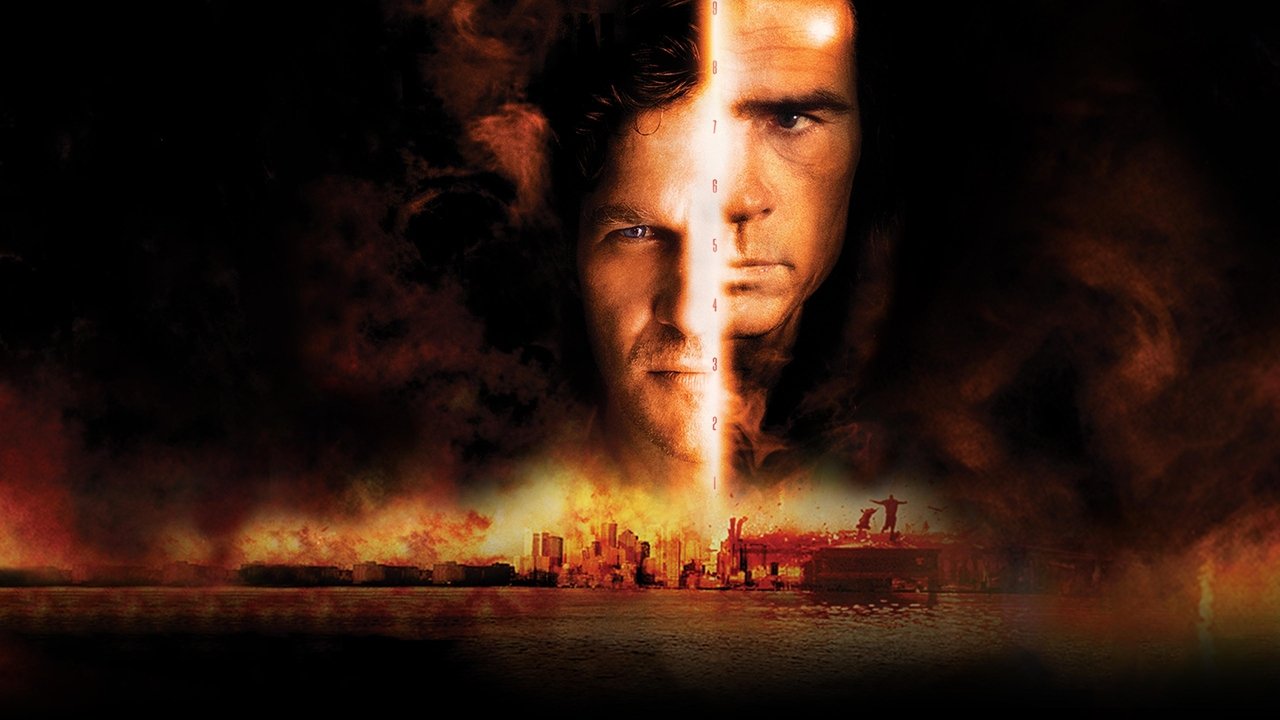
The air in this version of Boston feels thick, heavy with unspoken history and the constant, low thrum of potential violence. It’s a city captured not just in its landmarks, but in its shadowy corners and echoing industrial spaces – a perfect playground for a madman with an encyclopedic knowledge of explosives and a deeply personal grudge. Forget jump scares; the dread here is methodical, intricate, born from the terrifying ingenuity of the bombs themselves.
A Past That Won't Stay Buried
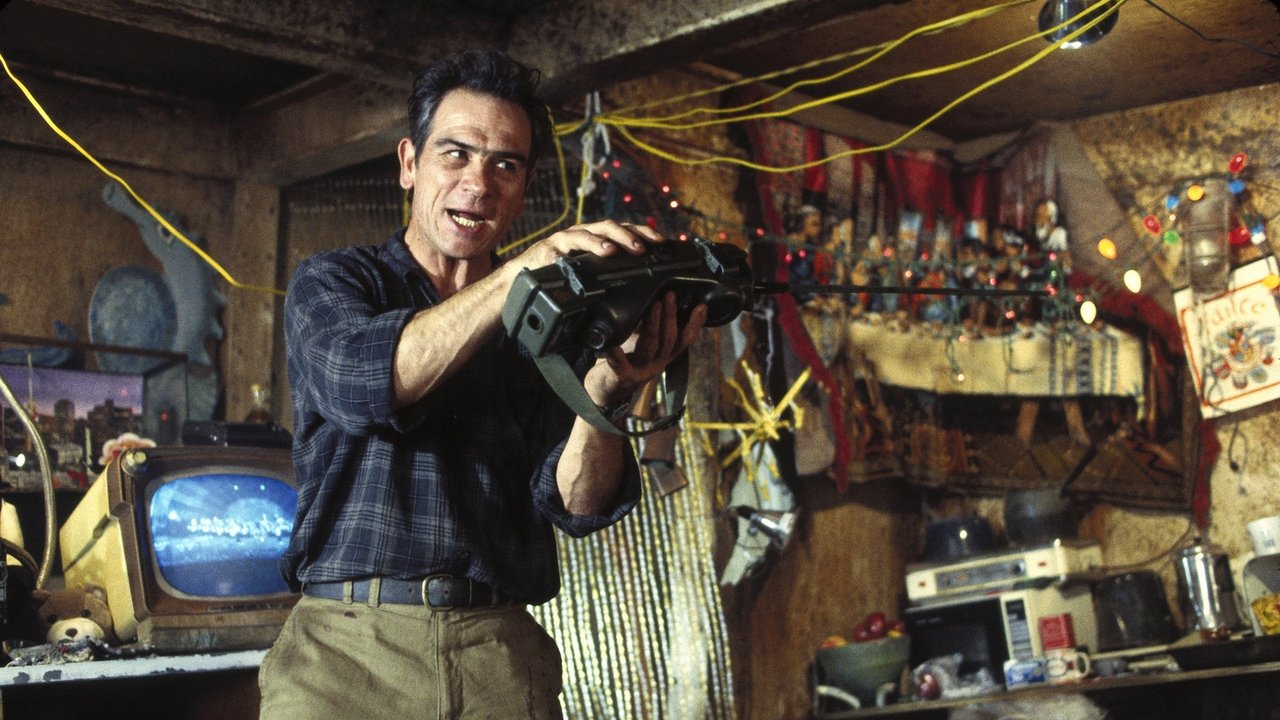
Jeff Bridges brings his characteristic weary soulfulness to Jimmy Dove, a respected veteran of the Boston Police Department's bomb squad. He’s got the life: decorated career, loving violinist wife Kate (Suzy Amis), and a young stepdaughter. But Jimmy Dove is a carefully constructed identity, masking Liam McGivney, a man who fled Belfast and a past entangled with radical Irish bomber Ryan Gaerity. And Gaerity, played with electrifying, wild-eyed menace by Tommy Lee Jones, hasn't forgotten. Escaping from a remote Irish prison, he follows McGivney across the Atlantic, not just for revenge, but for a twisted, operatic finale. Jones, fresh off his Academy Award, dives headfirst into Gaerity’s theatrical madness, crafting a villain whose glee in his destructive craft is genuinely unsettling. He doesn’t just plant bombs; he orchestrates deadly symphonies, each device a personalized message of hate aimed squarely at Dove and everyone he holds dear. Remember the chilling intensity Jones brought? It’s dialed up here, bordering on caricature but held back just enough by the sheer conviction of his performance.
The Art of the Device
What truly elevates Blown Away beyond a standard thriller, especially watching it again through VHS-era eyes, is its near-obsessive focus on the bombs themselves. These aren’t just generic timers under a table. Gaerity’s devices are complex, Rube Goldberg contraptions of death, often incorporating personal items of his targets, adding a layer of psychological cruelty. The sequence involving the headphones, forcing a cruel choice, is pure, cold tension. Director Stephen Hopkins, no stranger to visceral thrills after Predator 2 (1990) and A Nightmare on Elm Street 5: The Dream Child (1989), understands how to milk these moments. The camera lingers on wires, triggers, and pressure plates, amplified by Alan Silvestri’s typically effective, pulse-pounding score. Silvestri, who could make anything from time travel (Back to the Future) to jungle hunts (Predator) sound epic, brings a similar percussive urgency here.
These intricate bomb setups were largely practical creations, lending them a tangible, terrifying weight that CGI often lacks. The production team reportedly spent significant time designing and building these unique devices, aiming for a sense of dark artistry in Gaerity's handiwork. This commitment to practical effects shines through, making the disarming sequences feel genuinely perilous. It’s that tactile quality, the clink of metal, the sweat on Bridges’ brow, that made it grip you back then, hunched in front of the CRT.
Boston Under Siege
Filming extensively on location adds a grounded realism that contrasts sharply with Gaerity’s theatrical villainy. The city becomes a character in itself, its familiar streets and structures suddenly imbued with hidden menace. The production even managed to stage some fairly large-scale chaos, including the memorable sequence involving a targeted tanker truck. While the film certainly stretches credibility at times – Gaerity’s near-supernatural ability to infiltrate anywhere, the sheer complexity of some plots – it commits fully to its premise.
Interestingly, the film prominently features music by U2, particularly "I Still Haven't Found What I'm Looking For" and "With or Without You," weaving their stadium-sized emotion into the personal drama. Securing the rights wasn't cheap, reportedly costing a significant chunk of the music budget, but the songs add a specific, almost melancholic grandeur that fits the film's operatic ambitions and Irish connections. It was a bold move, tying the intimate terror to such globally recognized anthems.
Legacy of the Blast
Blown Away wasn't the runaway success MGM might have hoped for, pulling in around $30 million domestically against a hefty $50 million budget (that's roughly $103 million in today's money – quite a gamble!). Critics at the time were mixed, with some praising the leads and the tension, while others (like Siskel & Ebert, who gave it two thumbs down) found the plot implausible and the villain perhaps too over-the-top. Yet, watching it now, it feels like a quintessential piece of 90s action-thriller filmmaking. It boasts big stars, big explosions, a high concept, and that particular brand of earnest intensity that defined the era's blockbusters. Doesn't Tommy Lee Jones just chew the scenery magnificently as Gaerity?
It’s a film remembered more for its parts – Jones’s unhinged performance, the cleverly nasty bomb designs, the sheer scale of the final confrontation – than perhaps its whole. But those parts are undeniably effective and entertaining. It captures that specific thrill of a well-crafted, high-stakes standoff, driven by strong performances and a commitment to practical, impactful pyrotechnics. I recall renting this one weekend, expecting a standard action flick, and being genuinely surprised by the darkness Gaerity brought and the palpable tension of the bomb squad scenes. It stuck with me.
***
VHS Heaven Rating: 7/10
Justification: Blown Away earns a solid 7 for its high-voltage performances, particularly Tommy Lee Jones's gleefully menacing turn, and its genuinely tense, practically realized bomb sequences. Jeff Bridges grounds the film effectively, and Stephen Hopkins delivers stylish direction. While the plot occasionally strains belief and it didn't set the box office alight, the intricate threat, palpable atmosphere, and sheer 90s blockbuster commitment make it a compelling and memorable watch from the era. The practical effects and focus on the deadly devices hold up surprisingly well.
Final Thought: It might not be the most sophisticated thriller on the shelf, but for a dose of high-stakes 90s action powered by star wattage and some truly nasty practical effects, Blown Away still delivers a satisfying bang.