There's a certain weight some VHS tapes carried, even before you slid them into the VCR. Not just physical weight, but the heft of expectation, the promise of something substantial beyond the usual Friday night explosion-fests. Colonel Chabert, the 1994 adaptation of Balzac's novella, was decidedly one of those tapes. It often sat quietly in the 'Drama' or perhaps the slightly intimidating 'Foreign Films' section, its cover art hinting at Napoleonic grandeur but also a profound melancholy. Renting it felt like a commitment, a choice to engage with something perhaps quieter, but potentially deeper. And deep it certainly is.
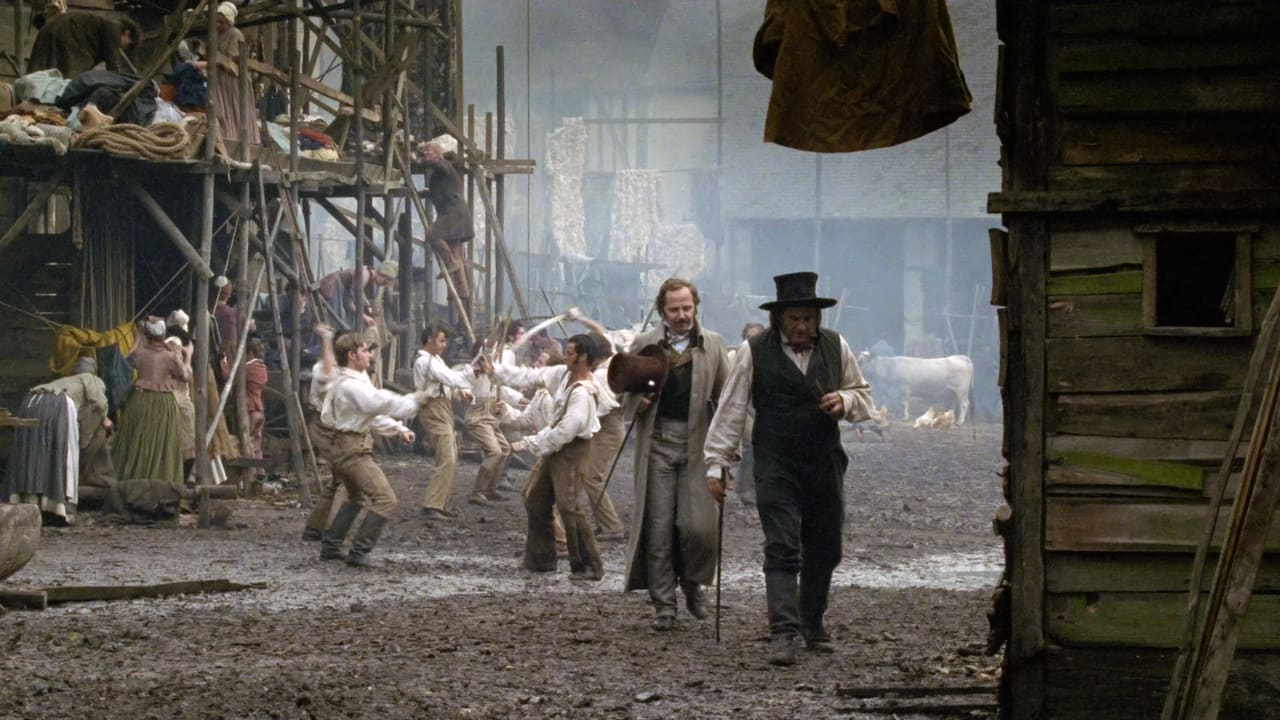
A Ghost Walks into Paris
The film opens with a premise both startling and deeply sad: Colonel Hyacinthe Chabert (Gérard Depardieu), a hero of Napoleon's cavalry presumed killed horrifically at the Battle of Eylau years earlier, reappears in post-Restoration Paris. He is a ghost in his own life, penniless, broken, his identity officially erased. His wife, Anne (Fanny Ardant), believing him dead, has inherited his fortune and remarried into aristocracy. Chabert seeks out the shrewd, ambitious lawyer Derville (Fabrice Luchini) to reclaim his name, his wealth, and perhaps, impossibly, his past. What unfolds is not a tale of battlefield heroics, but a quiet, devastating examination of societal cruelty, the cold machinations of law, and the aching void left by war and time.
From Lens to Director's Chair
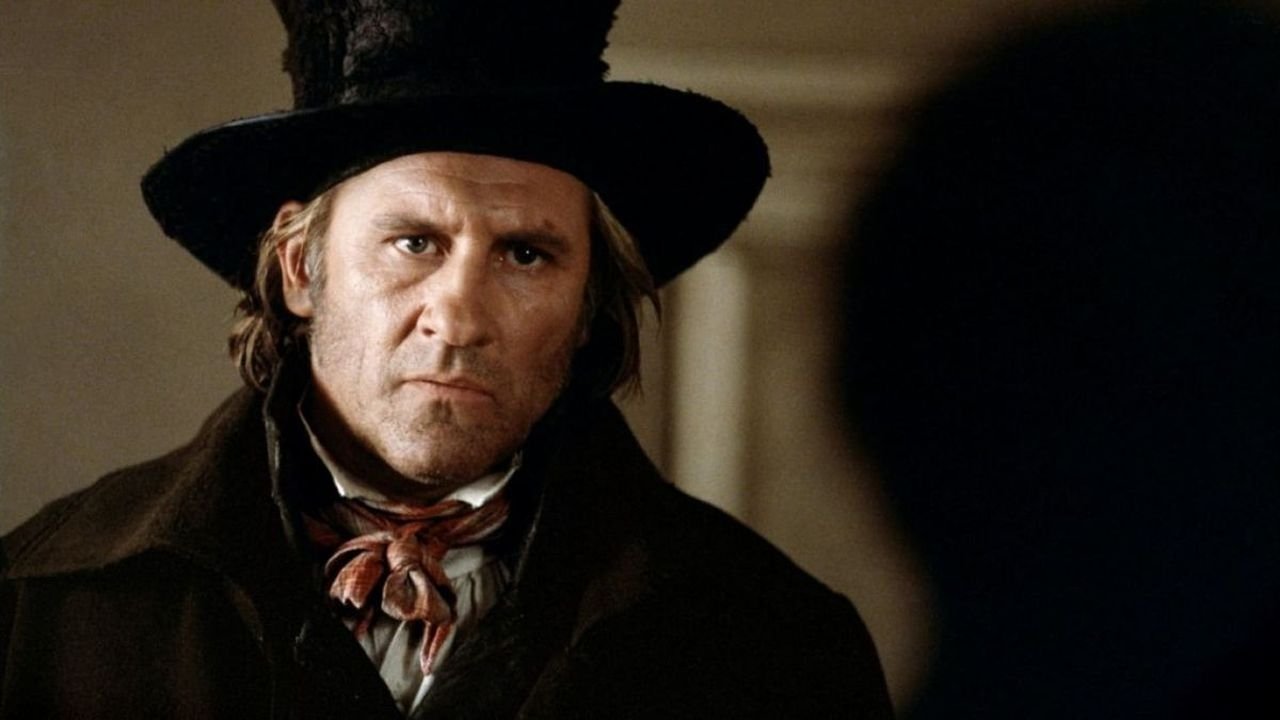
One of the most striking aspects of Colonel Chabert is its visual richness, a quality that makes perfect sense when you learn this was the directorial debut of Yves Angelo, who until then was primarily celebrated as a world-class cinematographer (known for lensing films like Tous les matins du monde (1991)). Angelo doesn't just film scenes; he composes them with a painter's eye. The candlelit interiors of Derville's office, the stark poverty of Chabert's existence, the opulent salons of his estranged wife – each feels meticulously crafted, often recalling the chiaroscuro and dramatic compositions of French painters from the era the film depicts, like Géricault. This wasn't just set dressing; it was atmosphere made tangible, drawing you into the suffocating propriety and underlying ruthlessness of 1820s Paris. Angelo’s background absolutely informs the deliberate pacing and visual storytelling, letting images linger and speak volumes.
Portraits of Desperation and Calculation
At the heart of the film are three towering performances. Gérard Depardieu, an actor whose sheer screen presence could sometimes overwhelm roles, channels that energy inward here. His Chabert is monumental not in stature, but in suffering. It's a performance etched in weariness – the shuffling gait, the haunted eyes, the voice raspy with trauma and disbelief at the world that has moved on without him. He embodies the living casualty of war, discarded by the very society he fought for. I remember seeing Depardieu in heroic roles like Cyrano de Bergerac (1990) around that time, and the contrast here was startling; this was vulnerability laid bare, a man hollowed out by fate and injustice. It’s a profoundly moving portrayal.
Facing him is Fanny Ardant as Anne, now Comtesse Ferraud. She could easily have been painted as a simple villainess, but Ardant brings layers of calculated self-preservation, perhaps a flicker of past affection, and a steely pragmatism. Her betrayal is devastating, yet Ardant makes you understand the impossible position Chabert's return puts her in within the rigid social structure. Her elegance masks a desperate fight to maintain her status. The scenes between Ardant and Depardieu crackle with unspoken history and present-day tension.
And then there's Fabrice Luchini as Derville. He's the audience's entry point, initially seeing Chabert's case as a fascinating legal puzzle and a potential career-maker. Luchini portrays Derville's journey from detached professional curiosity to a more profound, almost pained understanding of Chabert's plight with exquisite subtlety. He represents the intricate, often heartless, mechanism of the law, but also the potential for human empathy within it. It’s a masterclass in nuanced acting.
Beyond the Battlefield
Colonel Chabert isn't about the glory of Napoleon's campaigns; it's about the messy, tragic aftermath. It forces us to confront uncomfortable questions: What is identity when the official record says you don't exist? What is justice in a world driven by wealth and social standing? Can the past ever truly be reclaimed, or does time inevitably render us strangers even to ourselves? The film avoids easy answers, opting instead for a somber reflection on the indifference of the world to individual suffering. There’s a profound sadness that permeates the viewing experience, the sense of witnessing an honourable man being crushed not by enemy cannons, but by drawing-room whispers and legal documents.
It's interesting to note that while a critical success in France, earning several César nominations (including Best Actor for Depardieu, Best Supporting Actor for Luchini, and Best First Work for Angelo), Colonel Chabert might have felt like a more challenging watch for audiences accustomed to faster-paced 90s fare. Yet, discovering it on VHS felt like unearthing a gem – a film that treated its audience with intelligence and demanded emotional investment. It wasn't disposable entertainment; it was cinema that lingered, provoking thought long after the tape ejected.
---
Rating: 8.5/10
This score reflects the film's exceptional strengths: Depardieu, Ardant, and Luchini deliver powerhouse performances dripping with authenticity and pathos. Angelo's direction, informed by his cinematographer's eye, creates a visually stunning and deeply atmospheric period piece. The adaptation skillfully captures the thematic weight of Balzac's work, exploring profound questions about identity, memory, and societal cruelty with intelligence and sensitivity. It loses a point perhaps for its deliberate, potentially slow pacing for some viewers, and its unrelentingly somber tone might not be for everyone. However, its quality is undeniable.
Colonel Chabert remains a potent reminder that some of the deepest wounds aren't inflicted on the battlefield, but in the quiet, calculated cruelty of the world that follows. A haunting, beautifully crafted film that earns its place as a standout historical drama from the VHS era.