It arrives not as a movie, but as a rumour, a challenge, a whispered legend among those who haunted the deeper aisles of the video store. A seven-hour black-and-white film from Hungary? On two chunky VHS tapes, maybe even three, demanding not just an evening, but practically an entire weekend's surrender? Satantango (1994) wasn't your typical Friday night rental alongside the latest Schwarzenegger romp. Encountering its stark cover art felt like discovering a cryptic text, promising... well, you weren't entirely sure what, but you knew it wouldn't be forgotten easily.
An Atmosphere You Can Taste
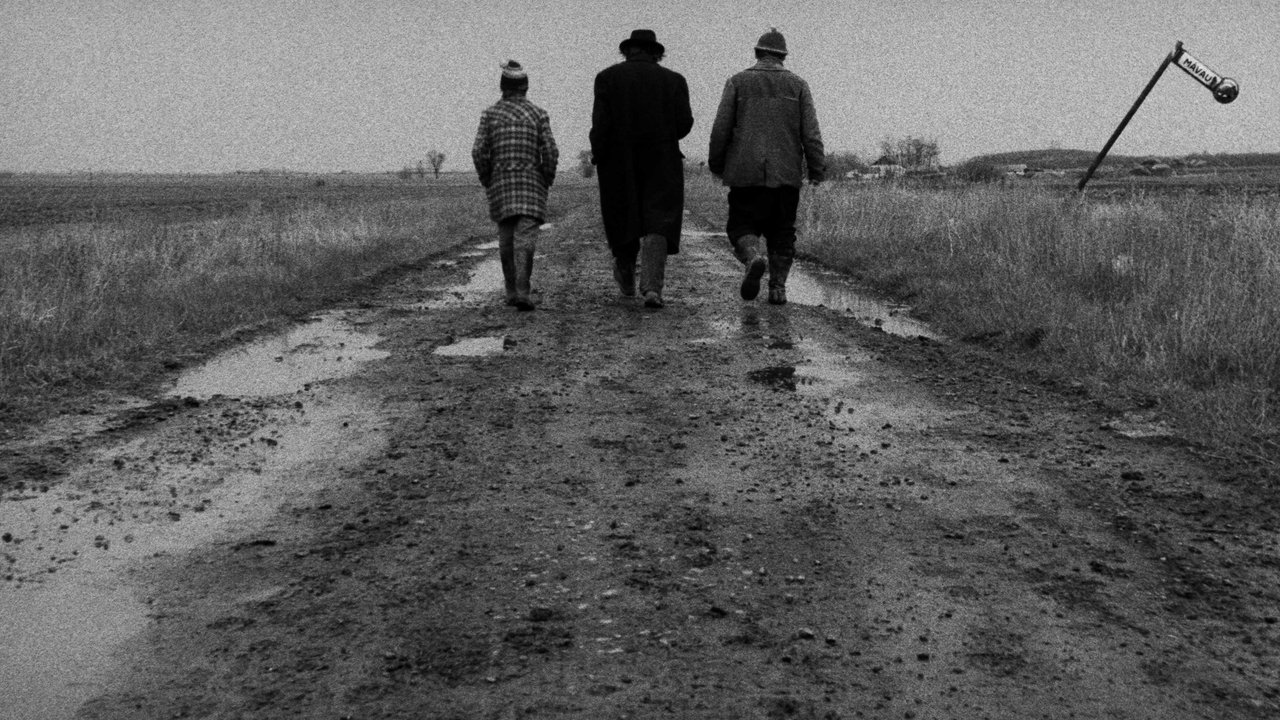
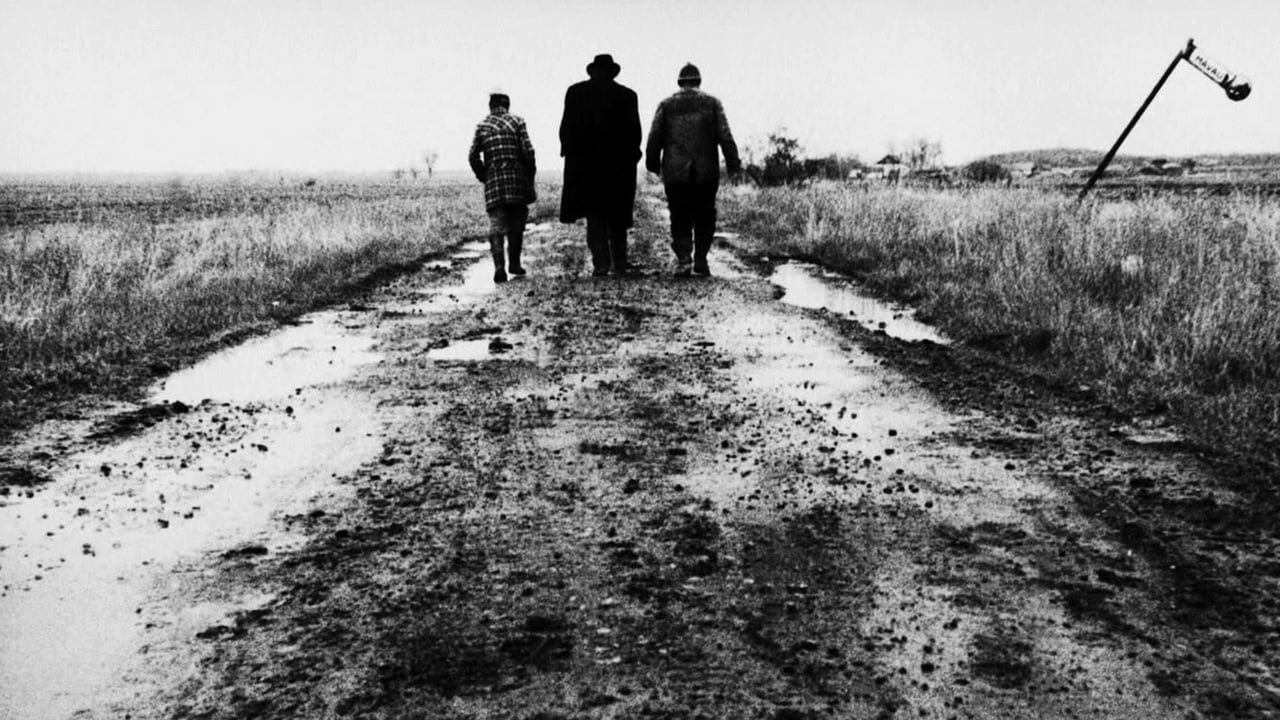
Forget plot summaries in the conventional sense. Director Béla Tarr, working in inseparable collaboration with novelist László Krasznahorkai (who co-wrote the screenplay based on his own monumental book), plunges us into a world soaked in mud, perpetual rain, and existential despair. We find ourselves among the last remnants of a failed collective farm somewhere on the bleak Hungarian Plain. Life here isn't lived; it's endured. Days blur into a miasma of petty grievances, simmering betrayals, alcoholism, and the suffocating weight of waiting for something – anything – to change. The air itself feels heavy, thick with damp decay and disillusionment. Tarr doesn't just show us this world; he makes us inhabit it through his famously deliberate pacing and astonishingly long takes.
Whispers of a False Prophet
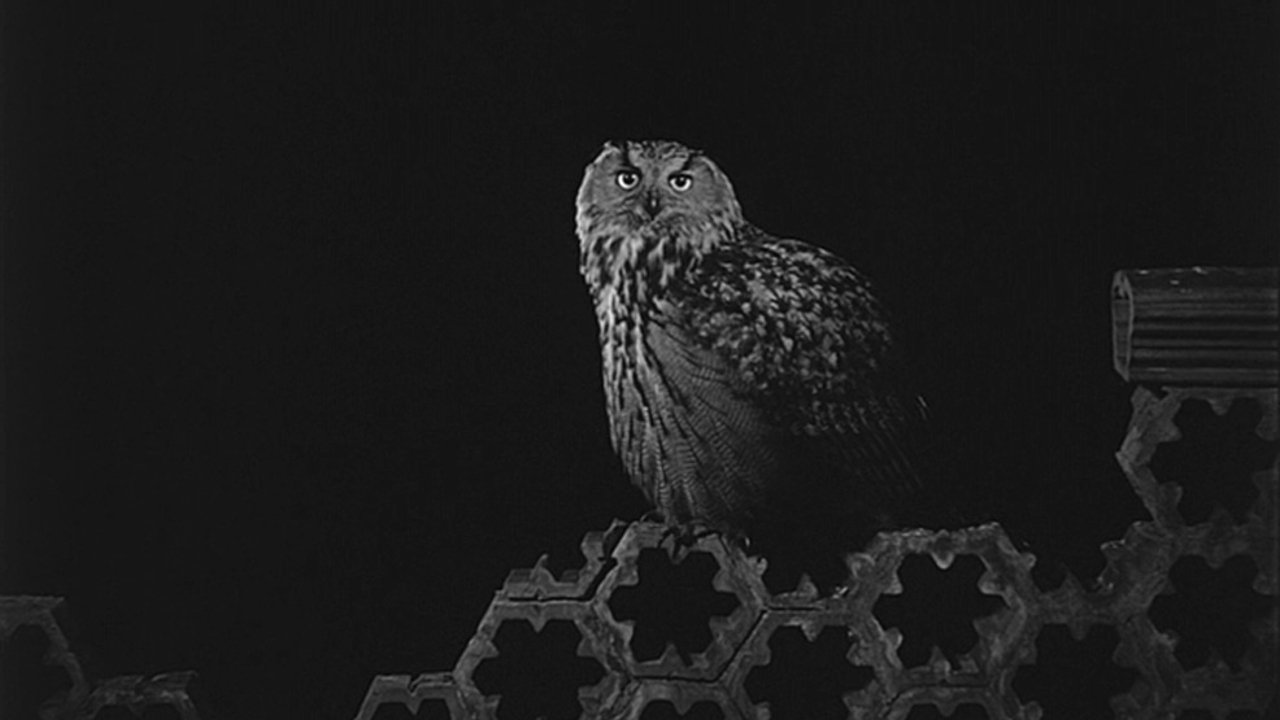
Into this stagnating community comes news: the charismatic Irimiás (Mihály Víg, who remarkably also composed the film's unforgettable, droning score) and his associate Petrina (Putyi Horváth) are returning. Believed dead, their reappearance ignites a flicker of desperate hope among the villagers. Irimiás, part-con man, part-prophet, part-informer, speaks of a new beginning, a promised land away from the muck and misery. Is he a saviour, or the devil leading them into a final, definitive damnation? The film unfolds in twelve distinct movements, mirroring the structure of a tango – steps forward, steps back, a dance of hope and inevitable collapse. Tarr forces us to observe, often from detached, God-like perspectives, sometimes uncomfortably close, as these souls grapple with their meagre circumstances and the seductive, perhaps ruinous, promises of their returned leader.
The Tarr Technique: Time Unbound
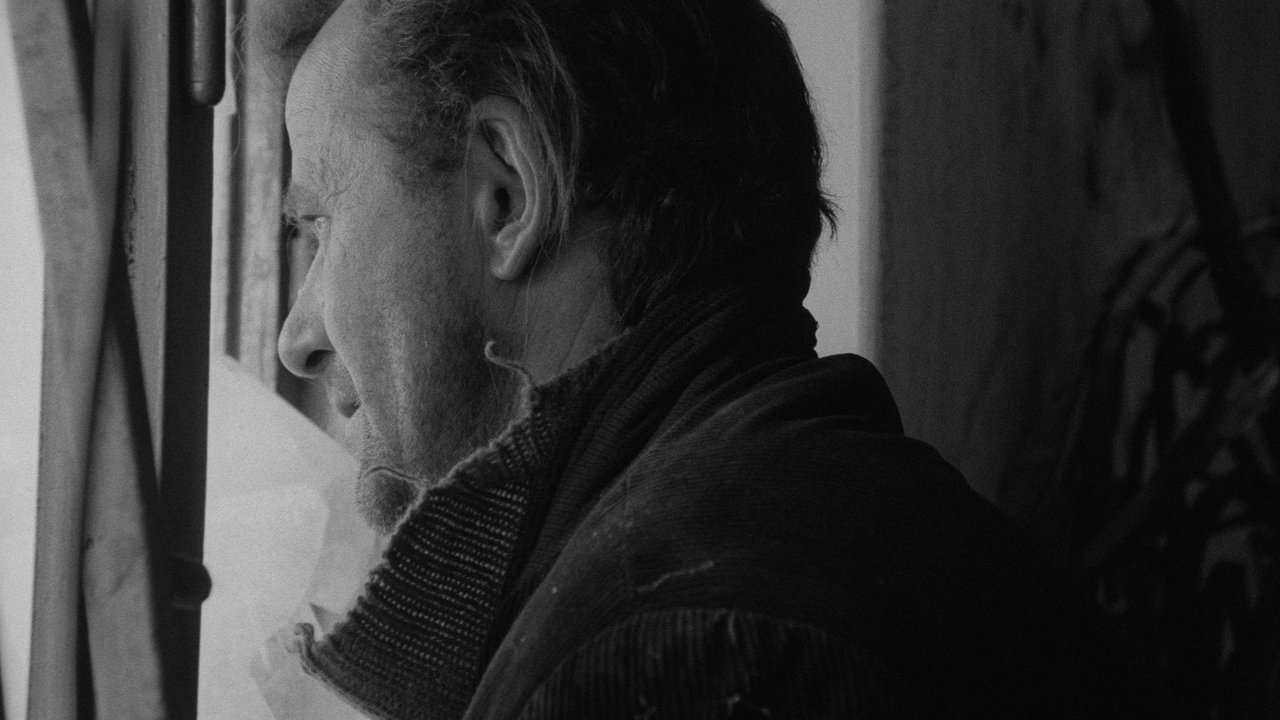
You can't discuss Satantango without mentioning its style. Béla Tarr is a master of the long take, but it's never merely a technical exercise. His camera drifts, follows, lingers, forcing us to experience time almost in parallel with the characters. A single shot might track villagers trudging through ankle-deep mud for agonizing minutes, the camera becoming another weary traveller alongside them. This isn't boredom; it's immersion. It strips away cinematic artifice, demanding patience but rewarding it with an unparalleled sense of presence. Cinematographer Gábor Medvigy’s black-and-white photography isn't just an aesthetic choice; it's the film's soul, rendering the desolate landscape and the characters' worn faces with the starkness of etchings. Reportedly containing only around 150 cuts across its 439-minute runtime, the commitment to this vision is staggering. Imagine the focus required on set, especially considering Tarr often worked with non-professional actors scouted for their authentic faces and presence, adding another layer of raw truth to the proceedings.
Echoes of a Fallen World
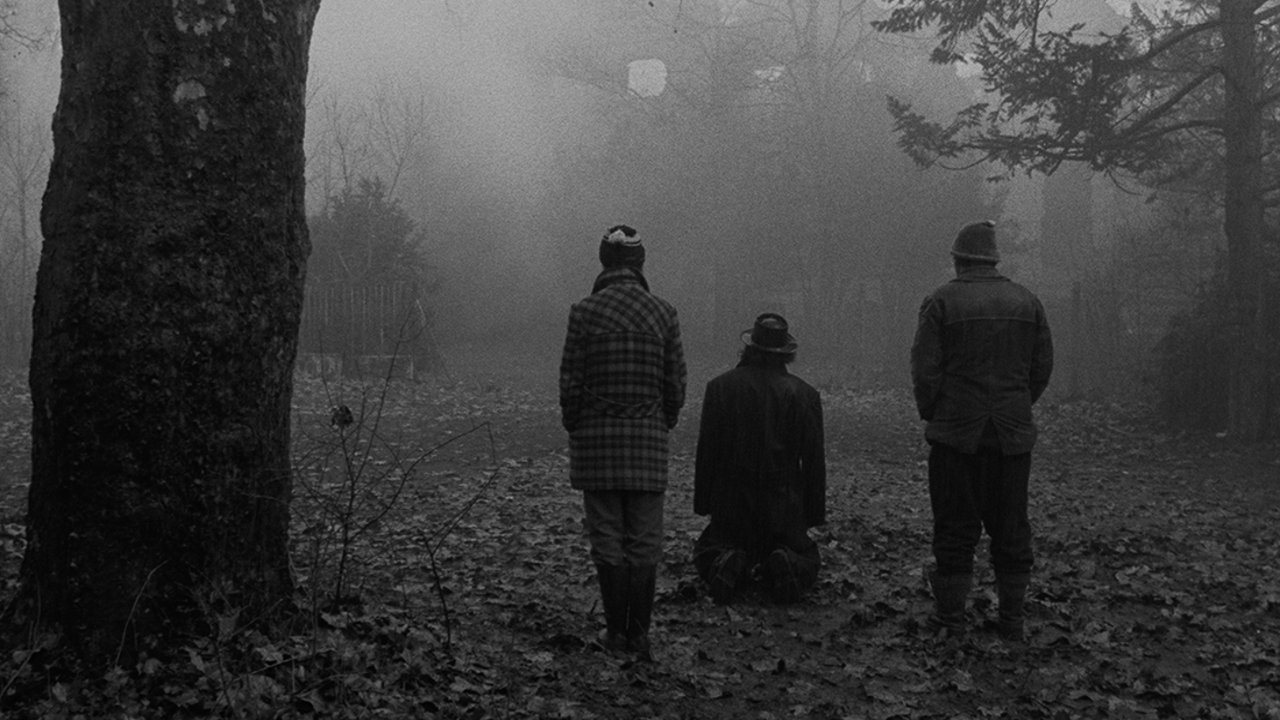
Filmed intermittently over several years as funding trickled in, Satantango captures a specific moment in history – the crumbling aftermath of Communism in Eastern Europe. The decaying farm is a microcosm of a larger societal collapse, a landscape haunted by broken promises and uncertain futures. What does one hold onto when grand ideologies have failed? The film doesn't offer easy answers, presenting Irimiás's manipulative charisma as perhaps just another false god in a long line of them. It’s a deeply political film, but its politics are woven into the very fabric of its characters' desperate lives, not preached from a soapbox. Does the villagers' vulnerability to Irimiás's scheme say something universal about the human need for belief, even in the face of overwhelming evidence to the contrary?
More Than a Movie, An Event
Watching Satantango, especially back in the VHS era, was an undertaking. Slotting in that first tape, knowing another waited, felt like preparing for an expedition. It required dedication, a willingness to surrender to its rhythm, its silences, its bleak beauty. This wasn't passive viewing; it was an active engagement, a meditative experience that burrowed under your skin. I recall renting it from a university library's film collection, the two hefty tapes feeling almost imposing. It wasn't "fun" in the conventional sense, but the feeling afterwards – drained, contemplative, yet somehow profoundly moved – was unlike anything else pulled from the shelves. The film’s legendary status is hard-earned; it consistently ranks among the greatest films ever made in critical polls, a testament to its enduring power despite (or perhaps because of) its intimidating reputation.
Rating: 9/10
Satantango is undeniably a masterpiece of slow cinema, a work of staggering artistic control and thematic depth. Its atmosphere is unparalleled, its performances achingly real, and its meditation on hope, despair, and manipulation is profound. It earns a high rating for its sheer audacity, its uncompromising vision, and its lasting impact. However, the point deduction acknowledges its extreme length and demanding nature, which makes it inaccessible and understandably off-putting for many viewers. This isn't a film you casually watch; it's one you commit to, wrestle with, and ultimately, are transformed by.
It leaves you pondering the dance itself – that endless, circular tango between naive hope and crushing reality, played out under perpetually grey skies. What remains long after the hum of the VCR faded is the rain, the mud, and the echo of footsteps on a journey with no certain destination.