There are certain tapes you stumble upon in the video store aisles, nestled perhaps between the expected blockbusters and the familiar genre fare, that feel like finding a hidden map. The cover art might be unassuming, the synopsis intriguing but vague. Antonia's Line (1995) was often one of those discoveries – a film that arrived with a quiet strength, offering a narrative tapestry woven with threads quite unlike anything else dominating the shelves at the time. It wasn't explosive action or high-concept sci-fi; it was something richer, earthier, and profoundly resonant – a multi-generational story told with warmth, wit, and an unflinching gaze at the cycles of life and death.
A Matriarch's Return, A World Reclaimed
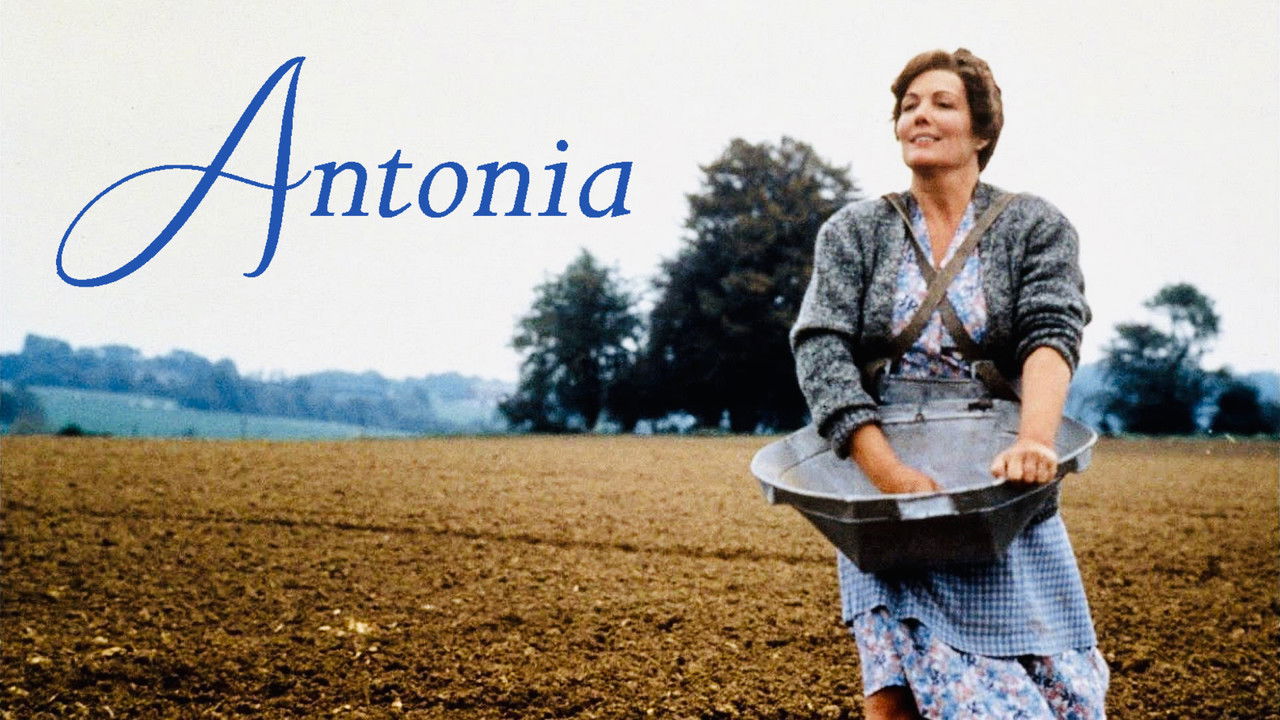
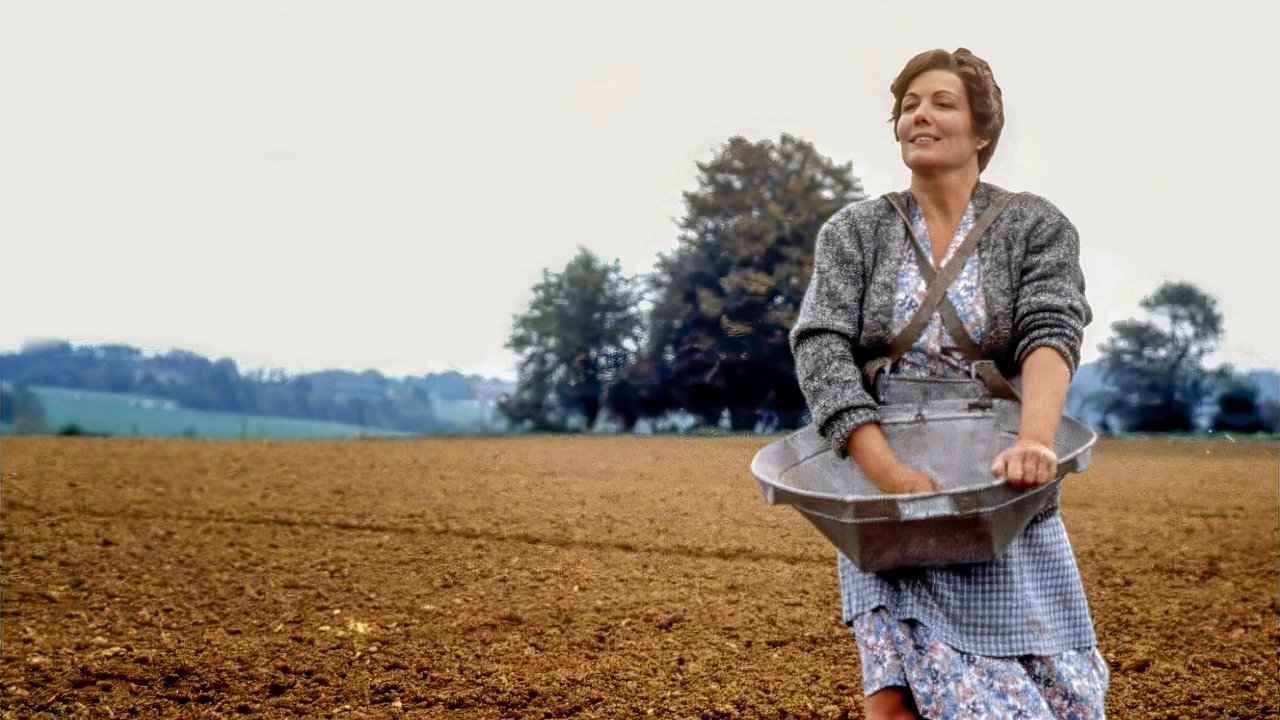
The film opens as the elderly Antonia (Willeke van Ammelrooy) decides her time has come, calmly announcing her imminent death and gathering her sprawling, unconventional family around her. From this ending point, we journey back decades to her return, a widow with her young daughter Danielle, to the anonymous Dutch village of her birth shortly after World War II. What unfolds isn't a plot in the traditional sense, but rather a chronicle, a life lived large and on its own terms. Antonia, portrayed with magnificent, grounded strength by van Ammelrooy, establishes a farmstead that becomes a haven for eccentrics, outcasts, and independent thinkers. She’s a force of nature – pragmatic, fiercely protective, unburdened by societal expectations or religious dogma. This village, initially painted in muted post-war tones, gradually blossoms with colour and life under her influence.
Weaving the Threads of Life
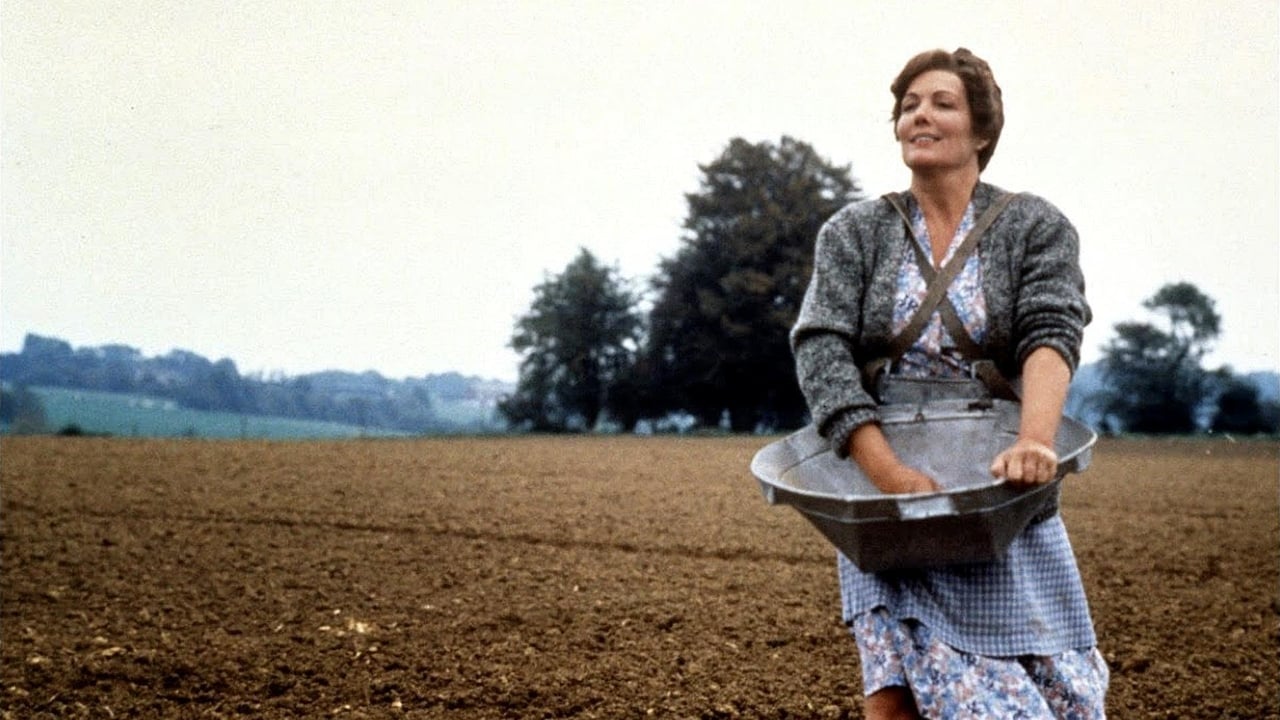
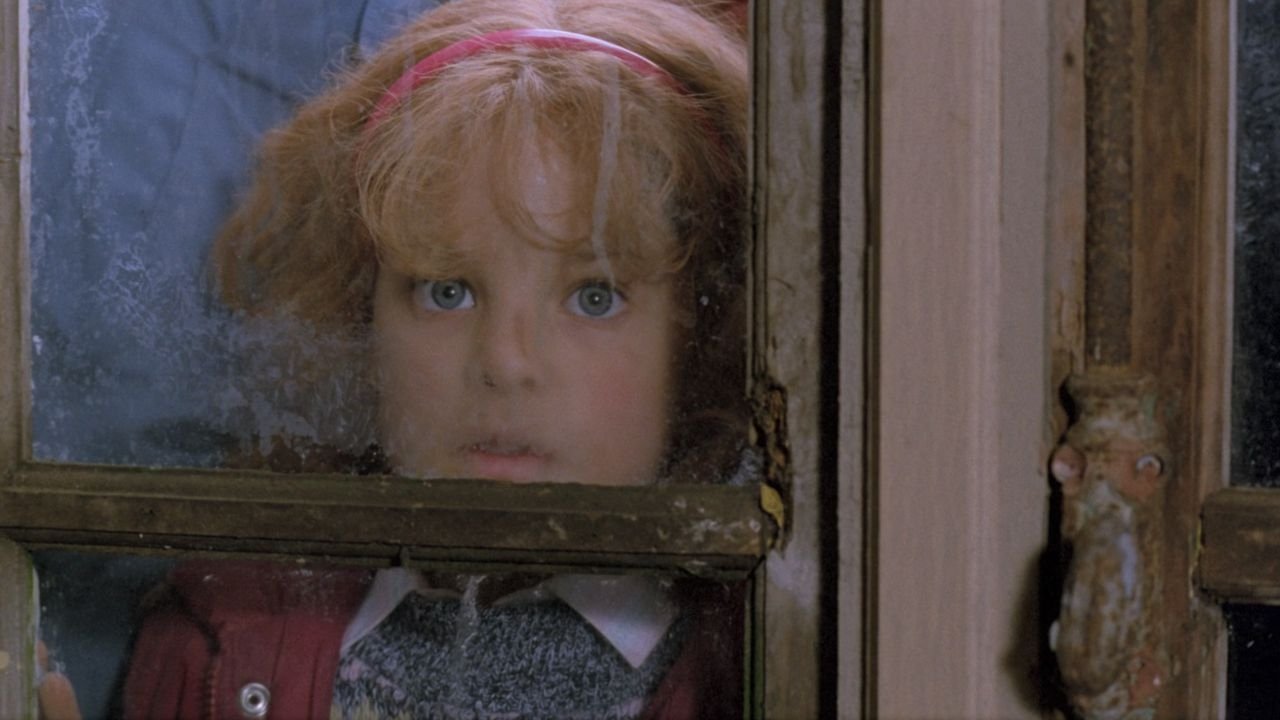
Writer-director Marleen Gorris, who crafted this narrative with such distinct vision, presents Antonia's world episodically. It feels less like a movie and more like turning the pages of a cherished, slightly magical family album. We witness births, deaths, burgeoning loves (often unconventional), friendships forged in shared meals and mutual support, and the quiet passage of seasons. Gorris isn't afraid to blend the mundane with the lyrical, the humorous with the heartbreaking. There's the gentle giant Farmer Bas (Jan Decleir, wonderfully embodying quiet devotion), the intellectually curious Danielle (Els Dottermans as the adult Danielle, capturing her thoughtful nature), the melancholic philosopher "Crooked Finger," and Olga, the Russian cafe owner. Each character adds a unique texture to the community Antonia cultivates.
It's fascinating to remember that this deeply personal, female-centric story, filmed in the picturesque Kempen region of Belgium (standing in for the Netherlands), wasn't just an arthouse darling. It resonated powerfully enough to win the Academy Award for Best Foreign Language Film in 1996. For a Dutch production, helmed and written by a woman, focusing unapologetically on female strength and lineage, this was a significant achievement, especially considering it reportedly cost only around $3 million to make but became a major international success. Gorris herself referred to it as a "feminist fairy tale," and that description feels apt; it possesses a fable-like quality while remaining deeply rooted in the tangible realities of rural life.
Challenging Norms, Celebrating Existence
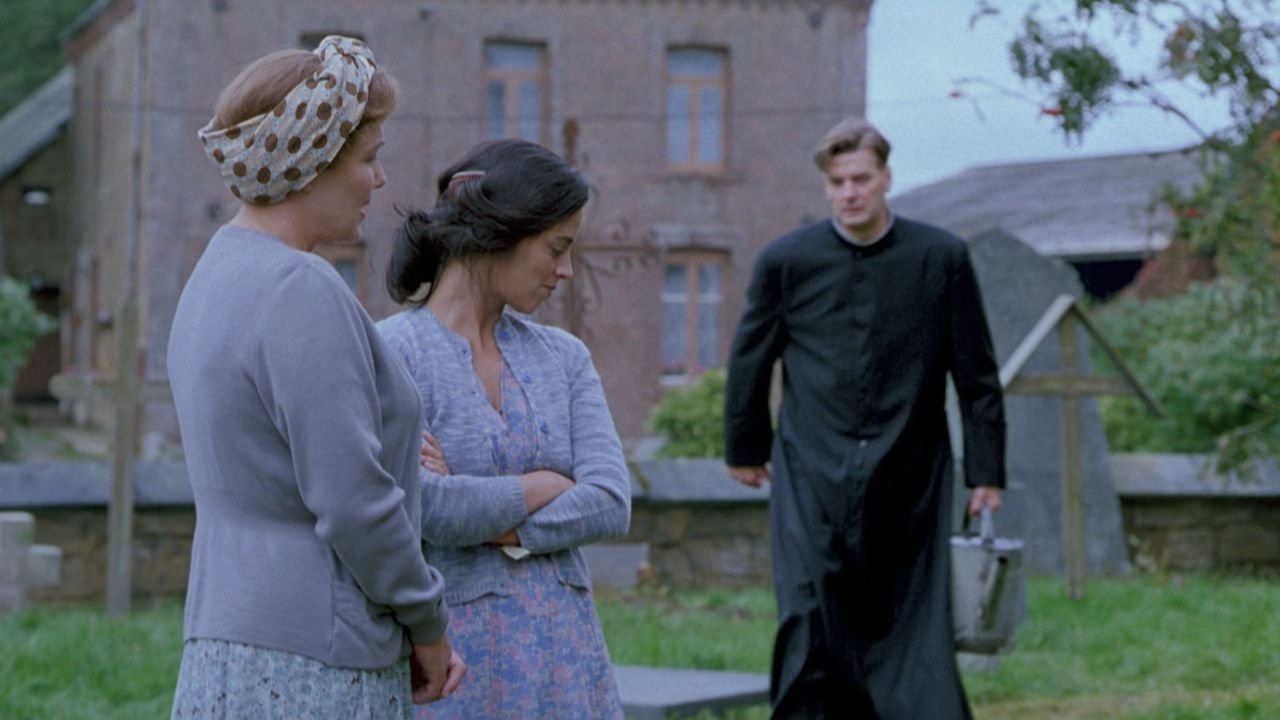
Beneath the warm surface, Antonia's Line offers a quiet but firm critique of patriarchal structures and stifling religious hypocrisy. Antonia's interactions with the local priest are often laced with a dry, matter-of-fact dismissal of his authority. Her approach to life, love, and procreation is entirely self-determined. When Danielle decides she wants a child but not a husband, Antonia simply helps her find a suitable, temporary partner. It's presented without fanfare, simply as a practical solution – a radical notion then, and perhaps still for some now.
Does this sometimes lead to simplistic portrayals? Some critics at the time felt the male characters outside Antonia's immediate circle were often reduced to simplistic archetypes – either gentle allies or brutish antagonists. It’s a fair point to consider, yet the film's primary focus is so squarely on the resilience and self-sufficiency of its female characters that this feels less like a flaw and more like a deliberate choice of emphasis. The film isn't about achieving balance; it's about celebrating a specific line of strength passed down through women.
The Feel of Worn Tape, The Warmth of Memory
Watching Antonia's Line again, perhaps years after first pulling that distinctive VHS box off the shelf, evokes a particular kind of nostalgia. It's not just the memory of the film itself, but the memory of discovering something unique, something that expanded your cinematic horizons beyond Hollywood. Willeke van Ammelrooy's performance remains central – her Antonia is a towering figure, yet imbued with such relatable humanity. Her pragmatism in the face of life's absurdities and tragedies is both grounding and inspiring.
The film's beauty lies in its acceptance of life's full spectrum. It doesn't shy away from darkness – there's rape, suicide, and loss – but it frames these within the larger, enduring cycle of community, love, and renewal. It asks us to consider what truly constitutes a meaningful life. Is it adherence to external rules, or the courage to build your own world, filled with the people you choose, based on principles of kindness and acceptance? What legacy do we leave behind, not in monuments, but in the lives we touch?
Rating: 9/10
This rating reflects the film's profound emotional impact, its unique narrative structure, the unforgettable central performance by Willeke van Ammelrooy, and its significant achievement as a celebrated piece of feminist cinema from the 90s. While some characterizations might feel secondary to the main theme, the film's overall power, warmth, and life-affirming message are undeniable. Antonia's Line remains a rich, rewarding experience, a cinematic quilt stitched together with humour, sorrow, and an enduring belief in the strength found in community and self-determination. It’s a reminder that sometimes the most powerful stories are the ones whispered through generations, around a farmhouse table, under an open sky.