Here we go, another deep dive into the archives for VHS Heaven. This time, it’s not a creature feature or a neon-soaked action flick, but something far colder, far more chilling: the 1995 HBO production, Citizen X. I remember catching this when it first aired, a stark contrast to much of the programming then, and its grim power hasn't faded one bit. It’s a film that settles deep in your bones, less about the thrill of the chase and more about the crushing weight of truth in a system built on denial.
### A Different Kind of Monster
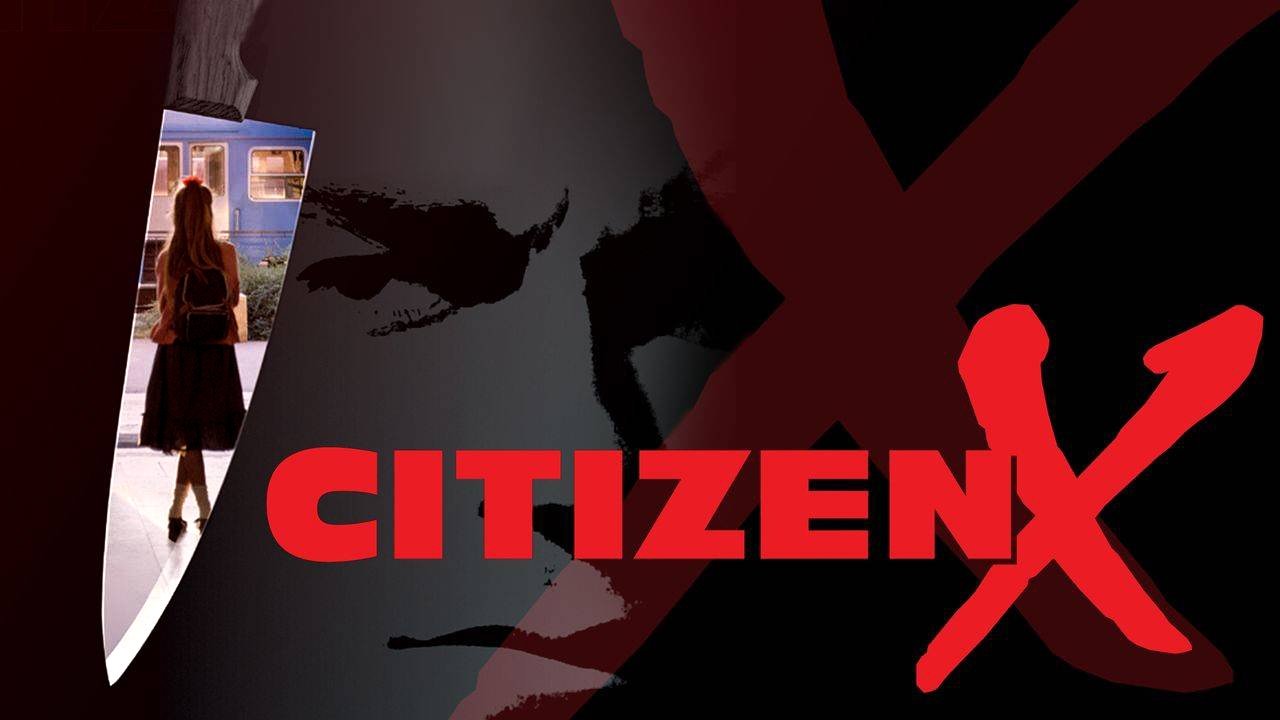
What immediately strikes you about Citizen X isn't just the horror of Andrei Chikatilo's decades-long reign of terror, but the suffocating atmosphere of the late-Soviet era bureaucracy that allowed it to flourish. The film posits, quite convincingly, that the system itself was Chikatilo's greatest accomplice. Directed and written by Chris Gerolmo, adapting Robert Cullen's non-fiction book "The Killer Department," the film masterfully portrays a society where acknowledging the existence of a serial killer – a supposedly decadent Western phenomenon – was politically impossible. "Murder is not a political issue," one apparatchik declares, a line dripping with the lethal irony that defines the investigation. This systemic denial becomes a character in itself, an invisible wall against which our protagonist repeatedly slams.
### The Weary Pursuit
At the heart of this struggle is forensic expert Viktor Burakov, portrayed with profound, weary intensity by Stephen Rea. This isn't the flashy, intuitive detective work often seen in crime thrillers. Rea embodies Burakov as a methodical, almost haunted man, slowly ground down by the sheer scale of the atrocities and the infuriating obstacles thrown in his path by political expediency and incompetence. His performance is a masterclass in subtlety; the exhaustion etched onto his face, the quiet desperation in his eyes, the methodical way he pins yet another small photograph to his grim map – it all speaks volumes about the psychological toll of confronting such darkness, largely alone. It's a portrayal that feels deeply authentic, capturing the Sisyphean nature of his decade-long investigation. I recall finding his quiet determination both inspiring and deeply unsettling back in '95 – a different kind of cinematic hero.
### Navigating the Grey Corridors
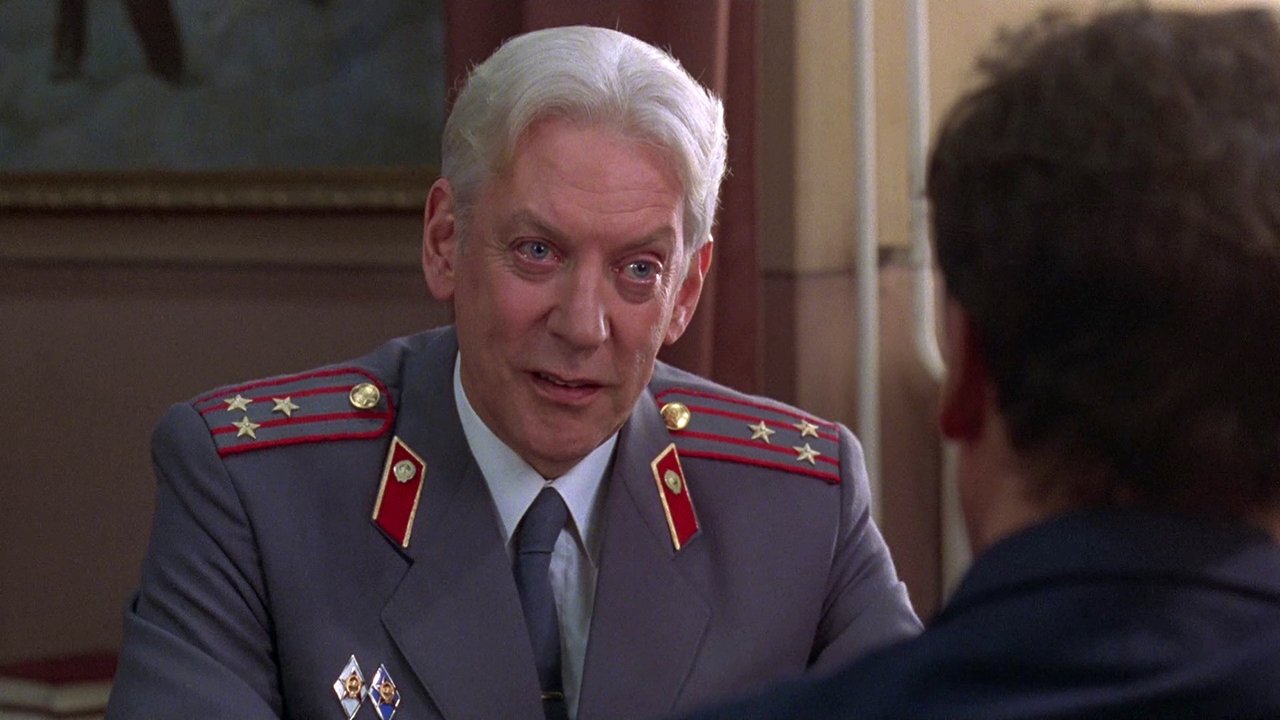
Burakov isn't entirely without allies, though they operate within the same stifling constraints. Donald Sutherland delivers a typically brilliant performance as Colonel Fetisov, Burakov's superior and eventual Committee chairman. Sutherland infuses Fetisov with a world-weary pragmatism, a cynical understanding of the system he must navigate to support Burakov's work. His alliance with Burakov feels genuine, born of shared frustration and a grudging respect. Their relationship forms the film's core, a small pocket of sanity amidst the official madness. Adding another layer is the great Max von Sydow as Dr. Bukhanovsky, the psychiatrist brought in to profile the killer. Von Sydow lends his immense gravitas to the role, representing the hesitant introduction of psychological science into a rigidly archaic investigative process. His scenes, particularly the chilling (and largely factual) interview with the captured killer, are incredibly potent.
### Behind the Iron Curtain
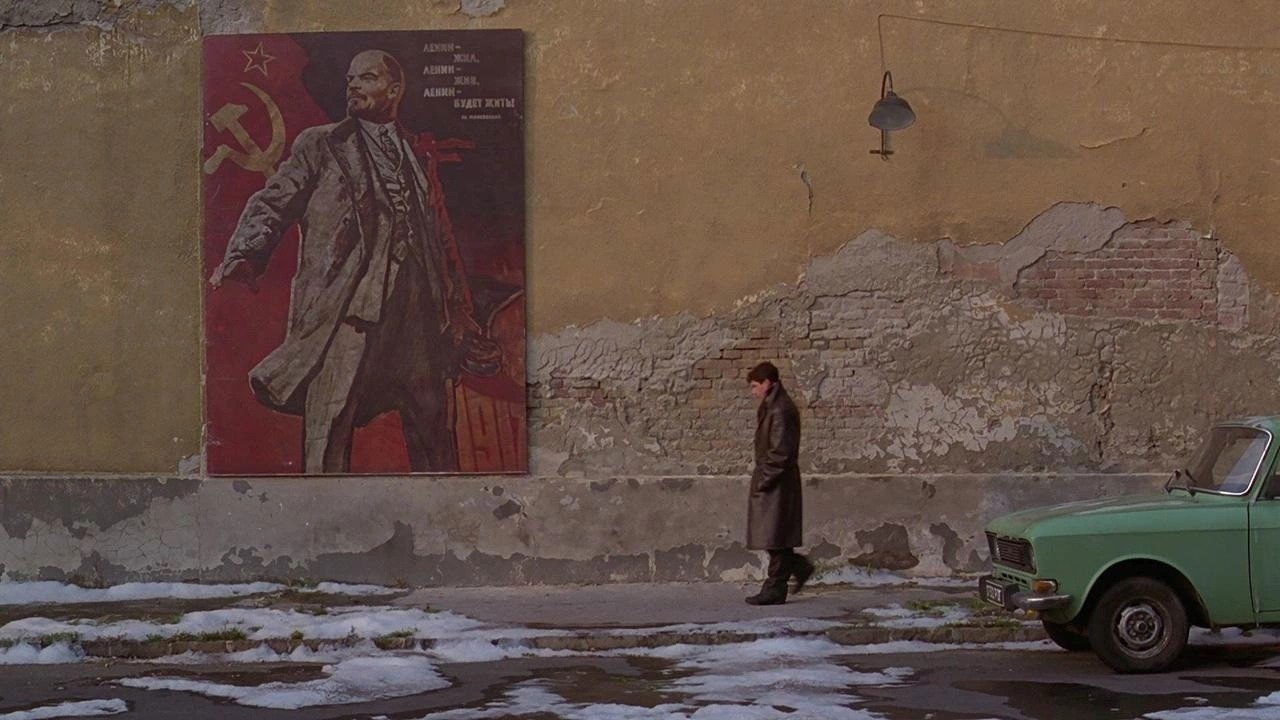
Filmed primarily in Hungary, Citizen X effectively captures the bleak, utilitarian aesthetic often associated with the era. The muted colour palette, the decaying infrastructure, the vast, lonely forests where bodies are discovered – it all contributes to a pervasive sense of dread and isolation. Chris Gerolmo, who also gave us the screenplay for Mississippi Burning (1988), directs with a steady, unflashy hand, letting the grim reality of the story and the strength of the performances carry the film. There's a notable lack of sensationalism; the violence is implied more often than shown, making its impact all the more disturbing.
It's worth remembering this was an HBO film, part of their growing reputation in the 90s for tackling challenging, adult subjects with a level of realism often absent from network television or even mainstream cinema. Recording this off the broadcast onto a fresh T-120 felt like capturing something significant, something important. Its unflinching look at Soviet bureaucracy's failings, coming only a few years after the dissolution of the USSR, felt particularly relevant. The film didn't shy away from the frustrating truth: incompetence, poor record-keeping, inter-departmental rivalries, and the overriding political imperative to deny the problem allowed Chikatilo (Joss Ackland plays the killer with unsettling banality) to evade capture for years, long after he should have been caught. The fact that the investigation spanned roughly from 1982 to 1990 highlights the immense difficulty Burakov faced. It's a sobering reminder of how systems designed to protect can ultimately fail the most vulnerable. The film deservedly picked up accolades, including several Emmys and a Golden Globe for Donald Sutherland.
### Lasting Chill
Citizen X isn't an easy watch, nor should it be. It's a meticulous, sobering procedural that explores the intersection of horrific crime and systemic dysfunction. It eschews easy answers and triumphant moments, focusing instead on the relentless, soul-crushing effort required to find one man amidst a sea of denial. Stephen Rea's central performance remains incredibly powerful, a portrait of quiet heroism defined by persistence rather than bravado. It’s a film that prompts reflection: how much harder is it to fight a monster when the very system you rely on refuses to admit it exists? What is the human cost of political face-saving?
Rating: 9/10 - This score reflects the superb performances, particularly from Rea and Sutherland, the intelligent script, the chillingly effective atmosphere, and the film's unflinching commitment to telling a difficult true story with integrity and power. It's a standout example of 90s television filmmaking that holds up remarkably well.
It leaves you with a profound sense of unease, a testament not only to the real-life horrors but to the quiet, devastating power of institutional inertia. A truly essential piece of crime storytelling from the VHS era.