There's a certain quiet ache that settles in after watching Clint Eastwood's A Perfect World. It’s not the bombast many might have expected pairing Eastwood with Kevin Costner in 1993, hot off Costner’s Dances With Wolves and The Bodyguard mega-stardom. Instead, it’s a film that unfolds with the patient rhythm of a long Texas highway, less a cat-and-mouse thriller and more a profoundly melancholic meditation on broken paths and the ghosts of fathers never known. I remember the sturdy feel of its VHS box, maybe rented alongside something louder, brasher, and finding myself unexpectedly captivated by its deliberate pace and emotional depth.

### An Unexpected Journey
The premise sounds straightforward: escaped convict Robert "Butch" Haynes (Kevin Costner) kidnaps a young boy, Phillip Perry (T.J. Lowther), during his flight from prison in 1963 Texas. Leading the manhunt is grizzled Texas Ranger Red Garnett (Clint Eastwood), accompanied by sharp criminologist Sally Gerber (Laura Dern, fresh off Jurassic Park). But John Lee Hancock’s insightful script, which reportedly drew Eastwood to direct almost immediately upon reading it, quickly steers away from simple pursuit dynamics. The heart of A Perfect World lies not in the chase, but in the strange, evolving relationship between Butch and Phillip. It becomes less a kidnapping story and more a poignant, albeit deeply flawed, road trip between a man seeking freedom he never truly had and a boy starved of guidance.
### The Fugitive Father Figure
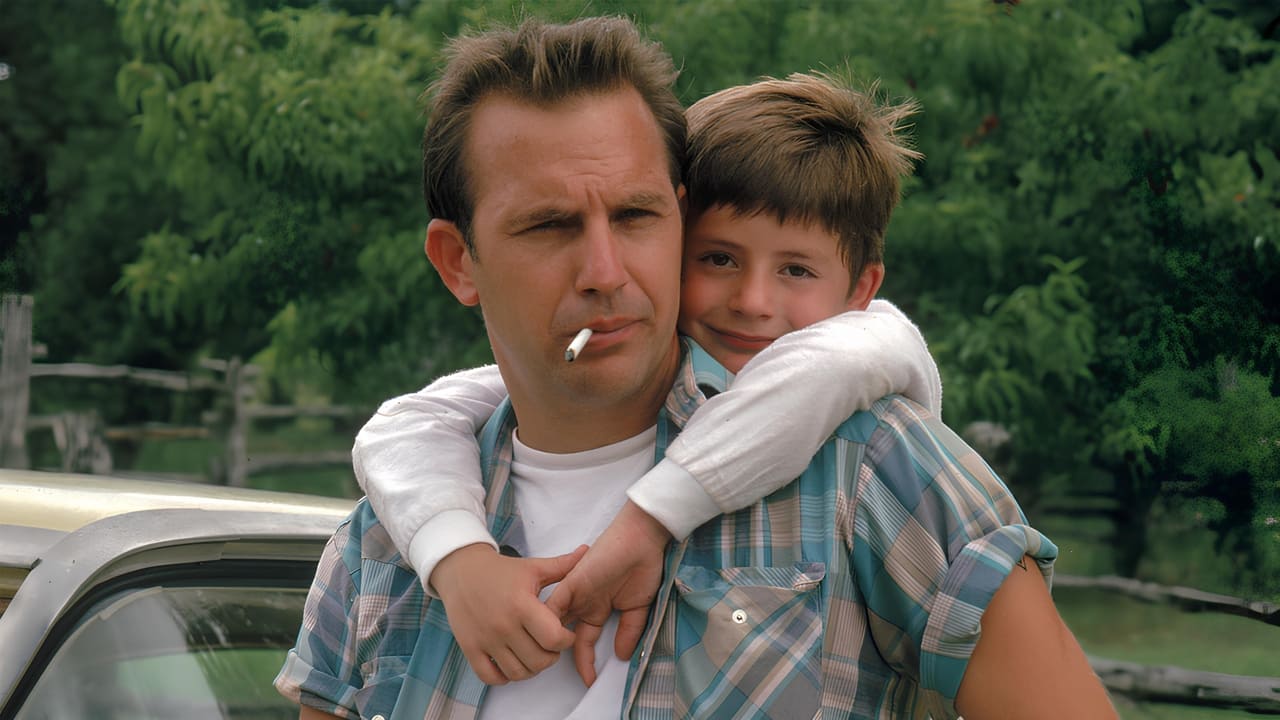
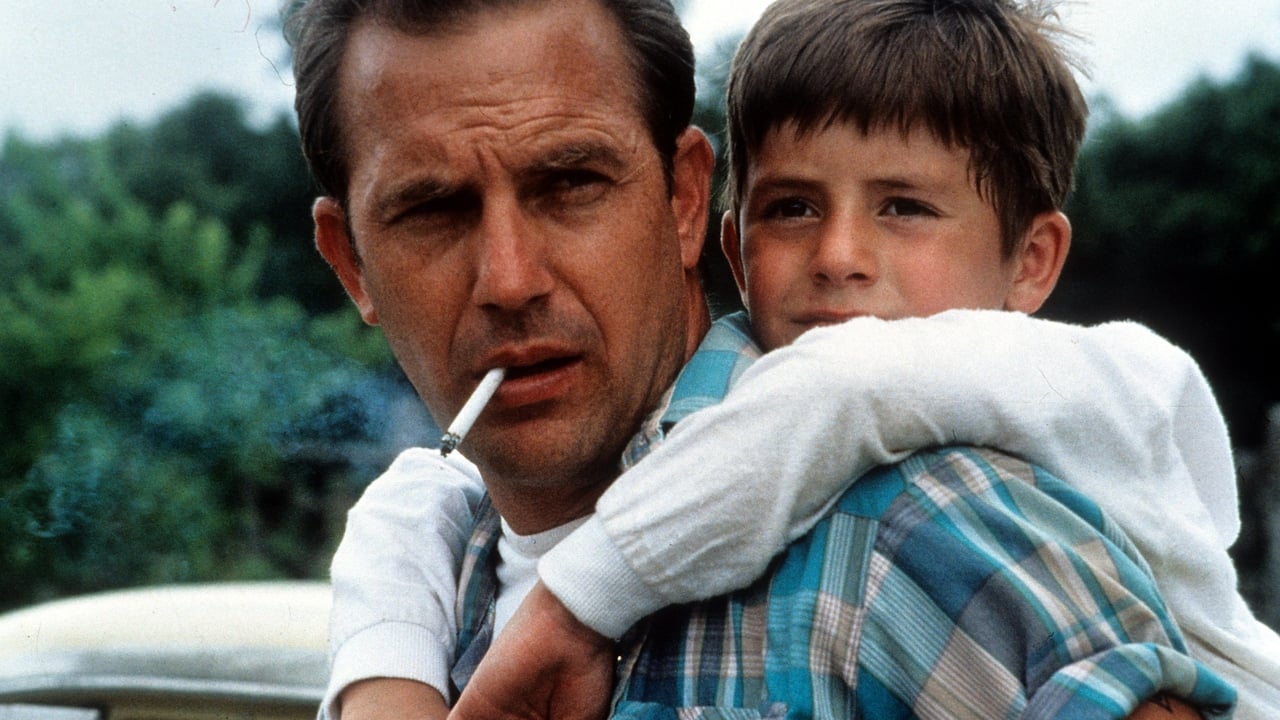
Costner delivers one of the most nuanced performances of his career as Butch Haynes. It would have been easy to play him as purely menacing or tragically misunderstood, but Costner finds the precarious balance between the two. Butch is undeniably dangerous, capable of sudden violence born from his own traumatic past, yet there’s an undeniable charm and a yearning for connection, particularly with Phillip. He sees in the boy, raised in a restrictive Jehovah's Witness household, a reflection of his own stolen childhood. Their interactions, from teaching Phillip to drive to indulging his desire for a Casper the Friendly Ghost costume, are tinged with a desperate, surrogate fatherhood. It’s a testament to Costner's skill that we can feel sympathy for Butch, even as we recognise the inherent wrongness of his actions. Equally impressive is young T.J. Lowther, who portrays Phillip’s burgeoning awareness and quiet observations with remarkable authenticity, never feeling like a mere plot device. Their bond forms the film's soulful, aching core.
### Eastwood Behind and In Front
Clint Eastwood, pulling double duty as director and actor, brings his signature understated style. As director, he lets the Texas landscape breathe, using wide shots that emphasize the characters' smallness against the vast backdrop, mirroring their search for meaning or escape. The pacing is deliberate, allowing moments of quiet reflection and character development to land effectively. Behind the camera, he trusts Hancock's script and his actors, particularly Costner, to carry the emotional weight.
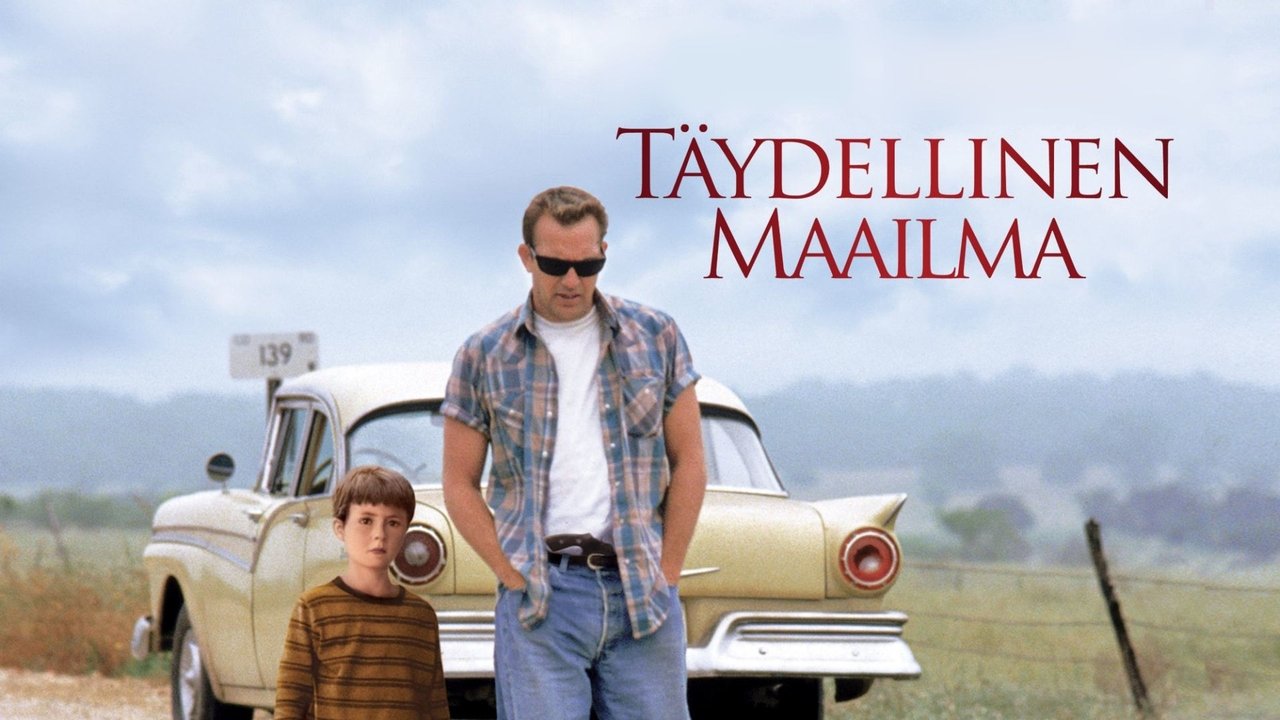
As Ranger Red Garnett, Eastwood is the weary veteran who, unlike some of his more trigger-happy colleagues, seems to grasp the complexities of the situation. There's a history hinted at between Red and Butch, adding another layer to the pursuit. His interactions with Laura Dern's Sally Gerber are also noteworthy. Sally represents a more modern, psychological approach to law enforcement, often clashing with the old guard's methods. While Dern's role isn't as central as Costner's or Eastwood's, she provides a crucial perspective, questioning the assumptions and procedures of the men around her, subtly highlighting the changing dynamics even back in '63.
### Echoes of the Past, Captured on Film
A Perfect World doesn't rely heavily on flashy effects, but its evocation of early 60s Texas feels tangible – the cars, the clothes, the simmering social tensions just beneath the surface. It’s the kind of detail that felt rich even on a fuzzy CRT screen back in the day. The production, filmed largely on location in Texas, benefits immensely from this authenticity. Lennie Niehaus, a frequent Eastwood collaborator, provides a score that underscores the melancholy without overwhelming it.
Interestingly, while the film performed respectably (turning a ~$30 million budget into about $135 million worldwide), it perhaps didn't explode in the way some might have expected given its star power. Maybe its thoughtful pace and moral ambiguity were slightly out of step with the prevailing blockbuster winds of '93. Yet, its reputation has deservedly grown over the years; it's often cited as one of Eastwood's strongest directorial efforts outside of his Westerns or later Oscar winners like Unforgiven (which preceded it) and Million Dollar Baby. It stands as a potent example of a major studio release tackling difficult themes with grace and maturity.
### The Lingering Question
What stays with you after the credits roll on A Perfect World? It's the haunting ambiguity. There are no easy answers here, no simple heroes or villains. Butch is a kidnapper, yes, but he provides Phillip with experiences and a sense of agency his young life has lacked. Red Garnett is the law, but he carries the weight of past compromises. The film forces us to confront uncomfortable questions about cycles of violence, the nature of good intentions gone wrong, and whether a 'perfect world' is ever truly attainable for those marked by trauma. Doesn't that search for connection, even in the most broken circumstances, resonate deeply?
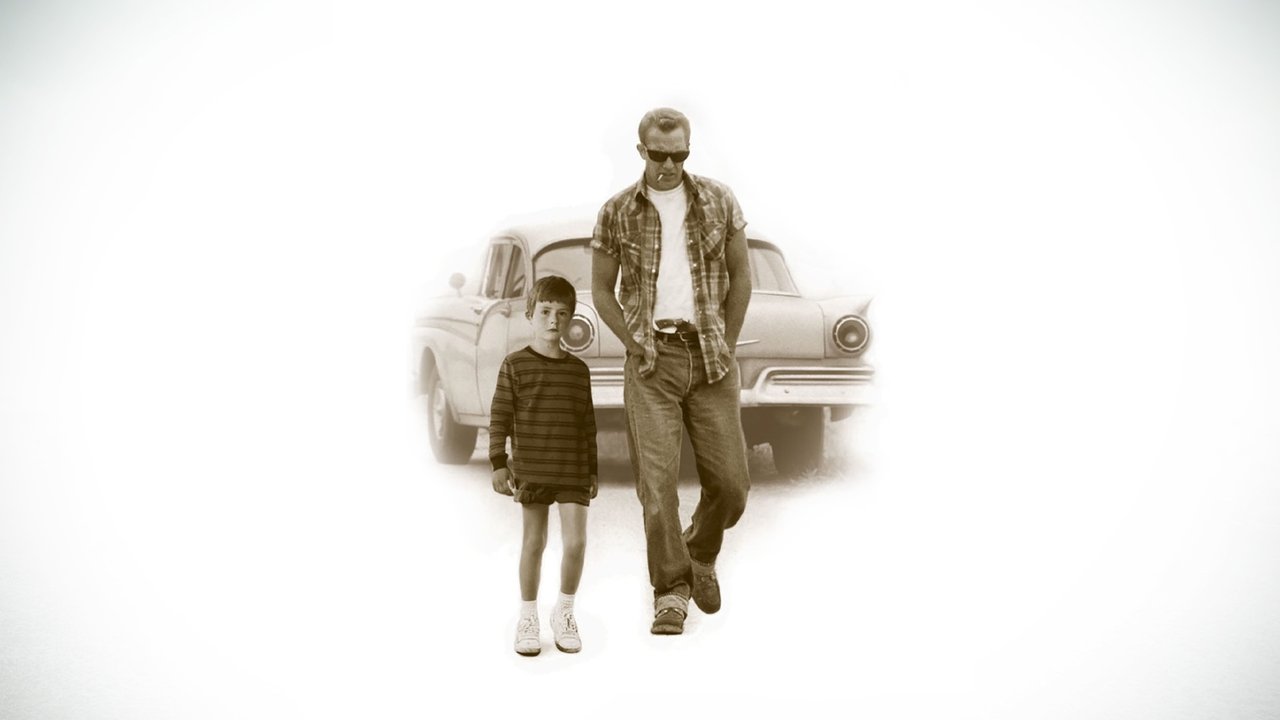
Rating: 9/10
This score is earned through the film's masterful balance of tension and tenderness, the superb, career-highlight performance from Kevin Costner, Eastwood's assured direction, and its willingness to explore complex emotional territory without resorting to easy sentimentality. It avoids the typical thriller structure to deliver something far more resonant and affecting.
A Perfect World remains a quietly powerful piece of 90s cinema, a film whose emotional impact lingers long after the VCR (or modern equivalent) has clicked off. It’s a reminder that sometimes the most compelling journeys are the ones navigating the grey areas of the human heart.