What happens when the ghosts of the past refuse to stay buried? Sometimes, they manifest not as phantoms, but as fierce, wounded determination in the eyes of a child seeking answers. That’s the potent starting point for Jean Becker’s 1995 French drama, Elisa, a film that arrived on VHS shelves perhaps quieter than the blockbusters surrounding it, but carrying a weight and emotional honesty that lingers long after the tape clicks off. It’s a story about confronting shadows, the ones cast by parents onto their children, and the difficult, often painful path towards understanding, if not outright forgiveness.

A Daughter's Reckoning
The film centers on Marie (Vanessa Paradis), a teenage girl whose life has been shaped by the tragic suicide of her mother, Elisa. Convinced her estranged father is solely responsible, Marie, hardened by stints in orphanages and navigating a precarious existence involving petty crime with her friend Solange (Clotilde Courau), sets out with a singular, chilling goal: find him and kill him. This quest leads her to Jacques Lébovitch (Gérard Depardieu), a reclusive, world-weary musician living a solitary life on a remote island in Brittany. What unfolds isn't the straightforward revenge plot Marie envisions, but a complex, often uncomfortable dance between accusation and revelation, anger and burgeoning empathy.
The Weight of Two Performances
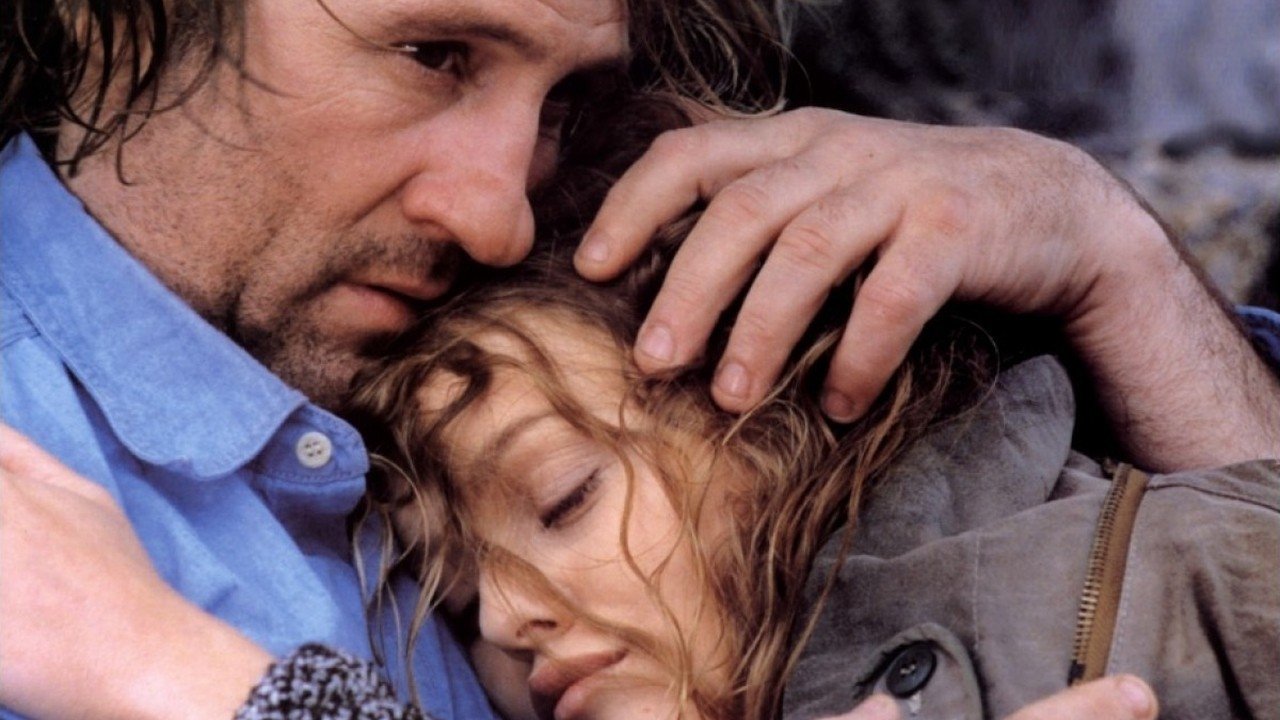
At the heart of Elisa lies the extraordinary interplay between its two leads. Vanessa Paradis, already a massive pop sensation in France, proves herself a compelling dramatic force. She doesn't just play rebellious; she embodies Marie's simmering rage, her defensive posture a brittle shield over deep vulnerability. There's a feral energy to her early scenes, a restless physicality that speaks volumes about her character's inner turmoil. It’s a performance that feels utterly authentic, capturing the specific blend of cynicism and yearning that defines so many young people adrift. It's fascinating to think that Paradis, known for her ethereal singing voice, could channel such raw, grounded anger.
Opposite her, Gérard Depardieu, an actor whose screen presence could often fill the entire frame with boisterous energy (think Cyrano de Bergerac or Green Card), delivers a performance of remarkable restraint. As Jacques, he is a man drowning in unspoken regret. Depardieu conveys the character's weariness not through grand gestures, but through subtle shifts in expression, the heavy silence that hangs around him, the resignation in his eyes. It's a portrait of immense guilt and sorrow, a man who has effectively exiled himself from life. The initial scenes between Paradis and Depardieu crackle with tension – her sharp accusations bouncing off his weary defenses. Watching their dynamic slowly, cautiously evolve is the film's core strength. Clotilde Courau also deserves mention for her vibrant portrayal of Solange, providing a contrasting energy and loyalty that grounds Marie's world outside her confrontation with Jacques. Her performance earned her a well-deserved César Award for Best Supporting Actress.
Echoes of Gainsbourg and Hidden Connections

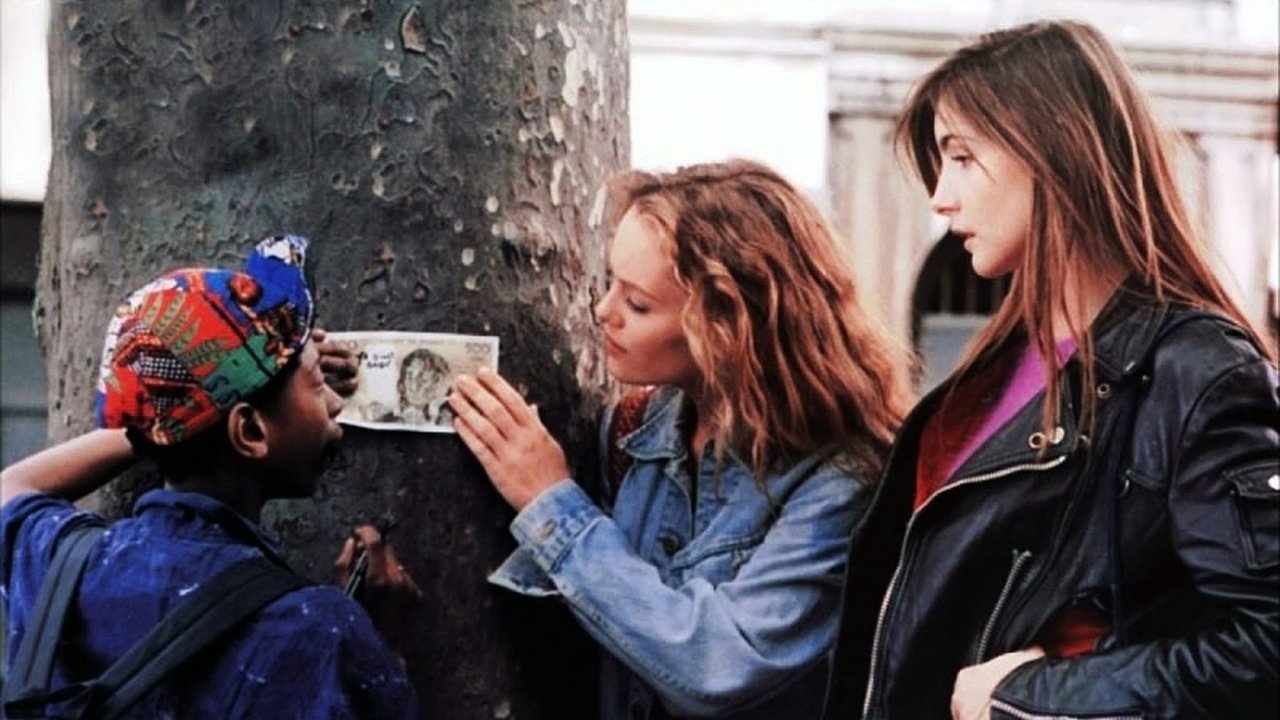
Jean Becker, son of the legendary French director Jacques Becker (Casque d'Or, Touchez pas au Grisbi), directs with a sensitive, unobtrusive hand. He allows the emotional complexities to breathe, focusing on his actors and the evocative atmosphere. The contrast between Marie’s gritty Parisian street life and the windswept isolation of Jacques’s island refuge is visually striking, mirroring the internal landscapes of the characters.
One cannot discuss Elisa without mentioning its poignant soundtrack. It prominently features music by the iconic Serge Gainsbourg, including pieces he had specifically composed for the film before his death in 1991. This posthumous contribution, alongside work by Zbigniew Preisner (Three Colours trilogy) and Michel Colombier, lends the film an additional layer of melancholy and quintessentially French atmosphere. Gainsbourg had famously collaborated with Paradis on her music early in her career, adding another subtle resonance to the film's fabric. The score ultimately won the César Award for Best Music, a testament to its integral role in shaping the film's mood. The film itself was a significant success in France, resonating deeply with audiences and marking a major step in Paradis's transition from music idol to respected actress.
Finding Elisa on the Shelf
I recall finding Elisa in the 'World Cinema' section of my local video store, a place that always felt like a portal to different sensibilities. It wasn't the kind of tape you’d grab instinctively for a casual watch; its cover art hinted at something more introspective. Renting it felt like a deliberate choice, a step away from the familiar comforts of Hollywood narratives. Watching it on a CRT, the slightly muted colours perhaps even enhancing the film's melancholic tone, felt like discovering a hidden gem. It was a reminder that powerful stories often lie just beyond the mainstream glare, offering different rhythms and emotional textures. For those of us who haunted those aisles, seeking films that challenged or moved us in unexpected ways, Elisa was a rewarding find. It didn't offer easy answers or neat resolutions, much like life itself.
Lasting Impressions
Elisa is a film that sits with you. It’s a moving exploration of the tangled bonds between parent and child, the destructive power of secrets, and the arduous journey toward reconciliation. It doesn't shy away from the ugliness of grief and anger, but ultimately finds a fragile, hard-won sense of hope. The performances by Paradis and Depardieu are central to its success, grounding the sometimes heavy themes in raw, believable emotion. It’s a film that asks difficult questions: How do we forgive the unforgivable? Can we ever truly understand the choices our parents made? What does it take to break cycles of pain?

Rating: 8/10
This score reflects the film's profound emotional impact, driven by exceptional lead performances and sensitive direction. While its deliberate pace might not appeal to everyone seeking faster-paced drama, its exploration of complex themes and the sheer authenticity of Paradis and Depardieu's portrayals make it a standout. It earns its emotional weight honestly.
Elisa remains a powerful testament to the enduring strength found in confronting buried truths, even when the process is fraught with pain. It’s a quiet powerhouse from the VHS era, a reminder of the compelling human dramas waiting to be rediscovered on those well-worn tapes.