Okay, settle in, rewinders. Pop that worn cassette into the VCR, maybe adjust the tracking just so. Tonight, we’re diving headfirst into the sun-drenched, explosion-happy chaos of 1995’s Fair Game. Remember this one? It landed on rental shelves with the kind of high-concept gloss that promised pure, unadulterated 90s action: a hotshot cop, a damsel in distress who just happened to be one of the most famous faces on the planet, and villains chewing scenery like it was Grade A bubblegum.

### High Gloss, High Stakes, High Hair
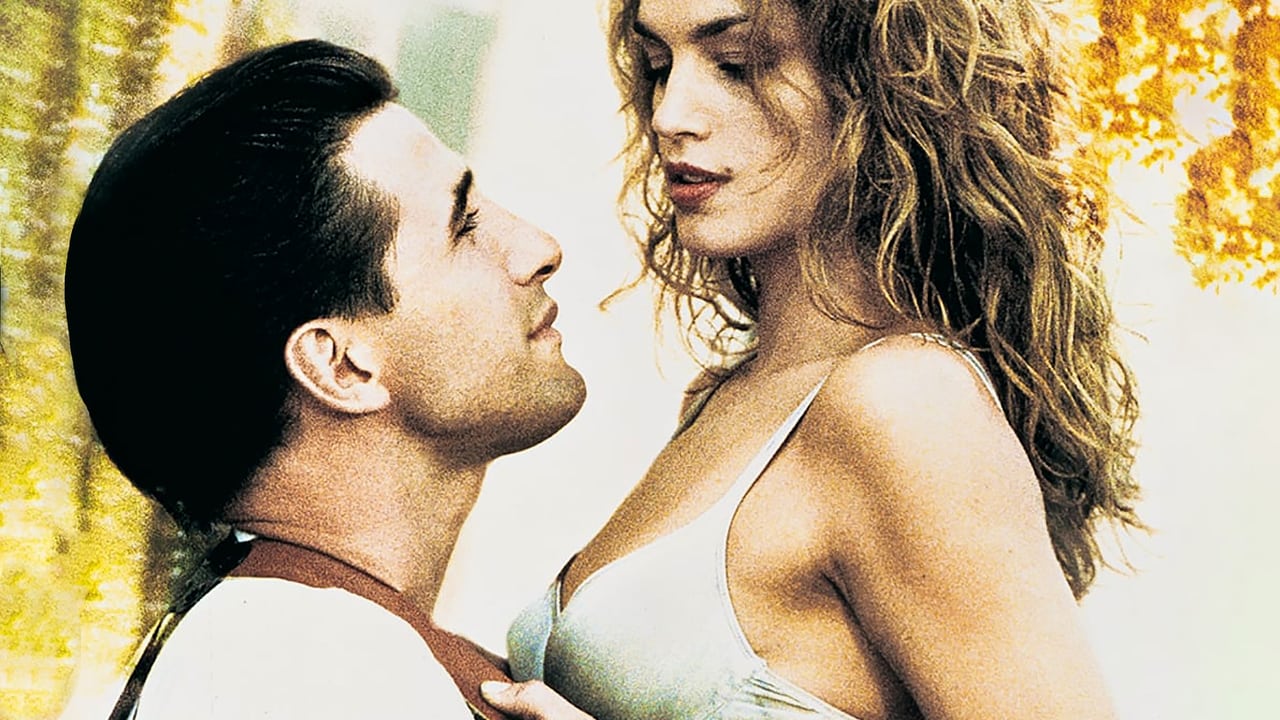
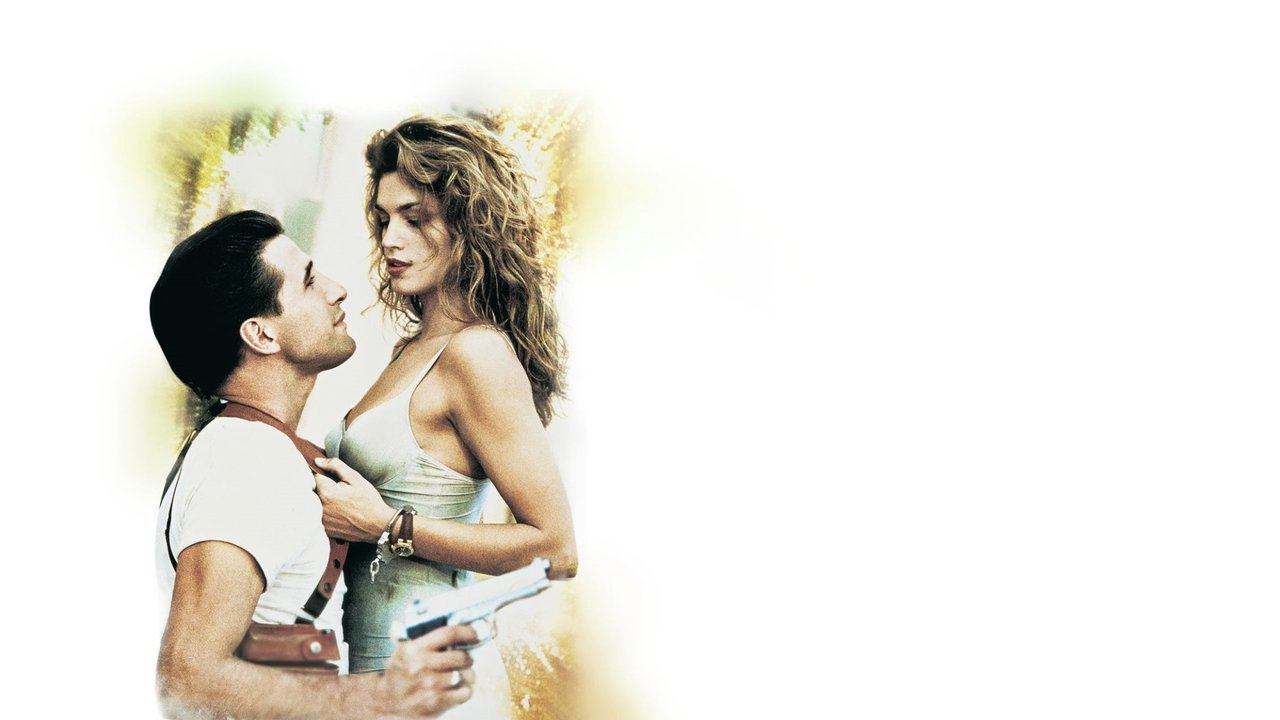
The premise is pure pulp: Miami detective Max Kirkpatrick (William Baldwin, fresh off steamy thrillers like Sliver) finds himself protecting Kate McQuean (Cindy Crawford), a civil attorney targeted for assassination after she inadvertently threatens the offshore millions of a ruthless ex-KGB ringleader. It’s a classic protector/protectee setup, drenched in Florida humidity and the kind of vibrant cinematography that made everything in the 90s look like a high-budget music video.
Now, let's address the elephant in the room, or rather, the supermodel on the movie poster. This was Cindy Crawford's big-screen acting debut, a move heavily publicized at the time. Was she Meryl Streep? Let's be honest, no. There's a certain stiffness, a feeling that she's navigating unfamiliar territory. But does it tank the movie? Not entirely. There's an undeniable screen presence, and let's face it, the camera absolutely loved her. The studio clearly banked on her star power, hoping to translate magazine covers and Pepsi commercials into box office gold. It didn't quite pan out – the film, carrying a hefty reported $50 million budget, sadly fizzled upon release, barely cracking $11.5 million domestically. Ouch.
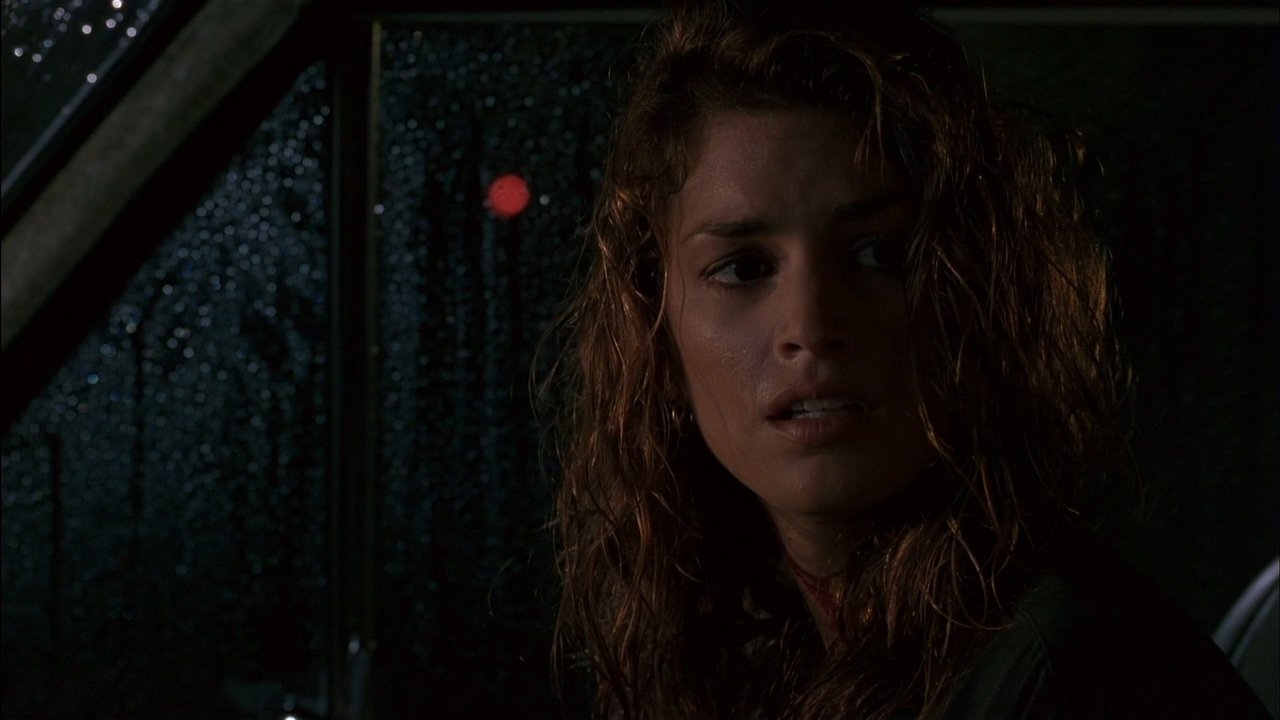
But nestled within the simple plot is a fascinating bit of trivia: Fair Game is actually based on the novel A Running Duck by Paula Gosling. Ring any bells? It should, because the same novel was adapted nearly a decade earlier into the gloriously over-the-top Sylvester Stallone vehicle, Cobra (1986)! It's wild to think these two vastly different slices of action cheese sprang from the same literary source.
### Berkoff Unleashed and Explosions Galore
While the leads handle the running and shooting, the real pyrotechnics often come from the villain. And oh boy, does Steven Berkoff deliver as Colonel Kazak. Berkoff, who already cemented his place in the villain hall of fame with roles in Beverly Hills Cop (1984) and the Bond flick Octopussy (1983), dials it up to eleven here. With his distinctive clipped delivery and predatory glare, he brings a genuine, almost theatrical menace that elevates the proceedings. Every line reading is an event. He’s not just threatening; he’s relishing it, leading a squad of tech-savvy (for 1995) baddies who always seem to be one step ahead.
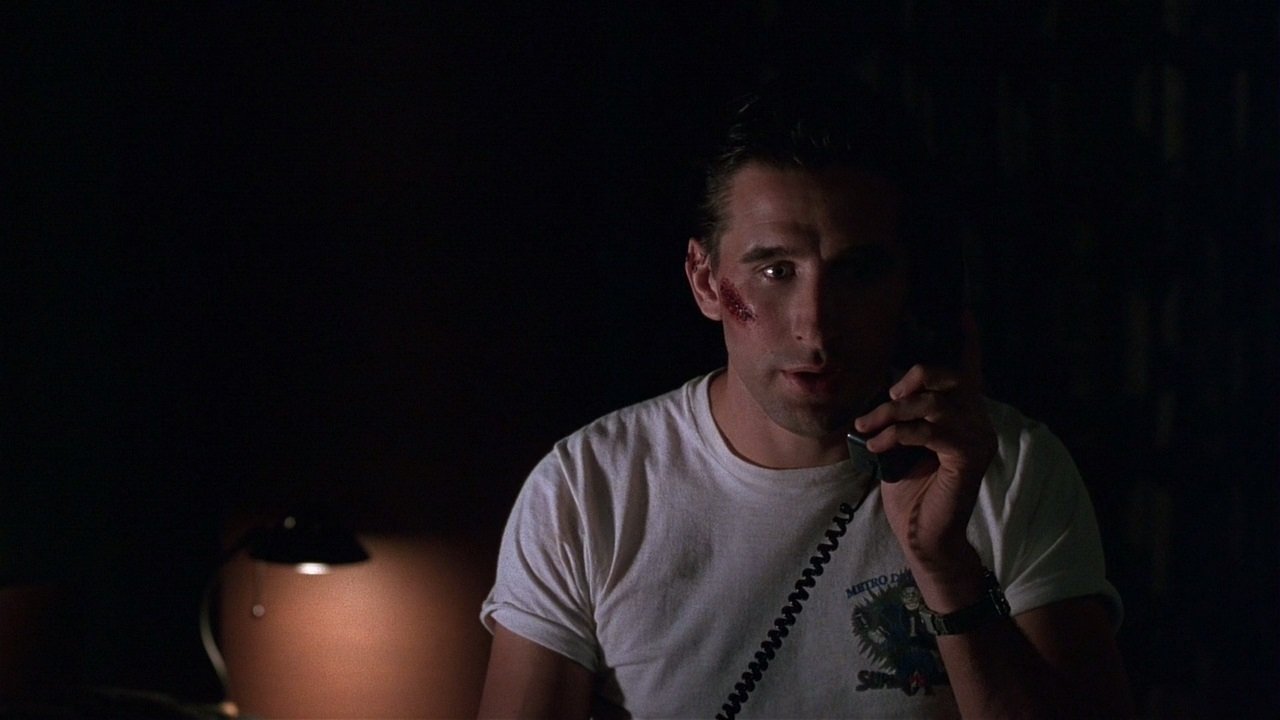
But let's talk action, because that's the real reason you slid this tape into your machine back in the day. Director Andrew Sipes (in what remains his only feature directing credit) and the stunt teams clearly went all-in on practical mayhem. Remember that insane sequence involving the freight train? Or the numerous explosive encounters and bullet-riddled car chases through Miami streets? This is pure, unadulterated 90s spectacle. You feel the impacts, the heat from the fireballs. There's a visceral weight to the action here that often gets lost in today's smoother, CGI-heavy set pieces. Real cars crumple, real stunt performers take real risks – that raw energy is undeniable, even if the plot tying it all together feels a bit thin. The score by Mark Mancina, who was riding high off Speed (1994), certainly helps keep the pulse pounding.
### A Product of Its Time, For Better or Worse
Watching Fair Game now is like opening a time capsule labeled "Mid-90s Action Excess." The technology (bulky laptops! Hackers doing vaguely magical things!), the fashion, the slightly awkward dialogue – it's all gloriously dated in that way we secretly love. Baldwin does his reliable brooding hero thing, Crawford looks incredible even while dodging assassins, and Berkoff steals every scene he's in.
Yes, the script by Charlie Fletcher isn't exactly complex, leaning heavily on genre tropes. And yes, the critical reception at the time was brutal (it even snagged a few Razzie nominations). But did we care when we were grabbing it from the "New Releases" wall at Blockbuster? Probably not. We were there for the sizzle, the stars, and the promise of explosions.
It's easy to dunk on Fair Game for its flaws, its infamous reputation, and Crawford's sometimes-ungainly performance. Yet, there's an undeniable charm to its straightforward, high-octane approach. It doesn't aspire to be high art; it aspires to be a slick, loud, slightly sexy Saturday night rental, and on that level, viewed through the warm fuzz of nostalgia, it kind of succeeds.
VHS Heaven Rating: 5/10
Justification: The rating reflects a film that's undeniably flawed – weak script, uneven lead performance, critical and commercial failure. However, it earns points for Steven Berkoff's fantastic villainy, some genuinely impressive practical stunt work characteristic of the era, high production values (that Miami gloss!), and its status as a fascinating, if failed, 90s pop culture artifact. It's below average overall, but has specific elements worth appreciating for retro fans.
Final Thought: Fair Game might be remembered more for its off-screen narrative than its on-screen thrills, but crank up the volume and dim the lights, and you can still catch glimpses of that glorious, unapologetic 90s action spirit – the kind where real things blew up real good, even if the story barely held together. A curious relic, best enjoyed with lowered expectations and maybe a knowing chuckle.