That whispered name, a childhood rhyme twisted into something guttural and predatory. Rumpelstiltskin. Not the imp of Grimm's fairy tales, shuffling in straw-spun gold, but a creature born of shadow and spite, unleashed onto the rain-slicked streets of 1990s Los Angeles. Watching the 1995 film of the same name often felt like uncovering a forbidden tape, one that warped a familiar story into a minor key nightmare, perfectly suited for the flickering cathode ray glow late on a Friday night. It wasn't high art, perhaps, but didn't it possess a certain grimy, malevolent charm?
From Fairy Tale to Freeway Chase
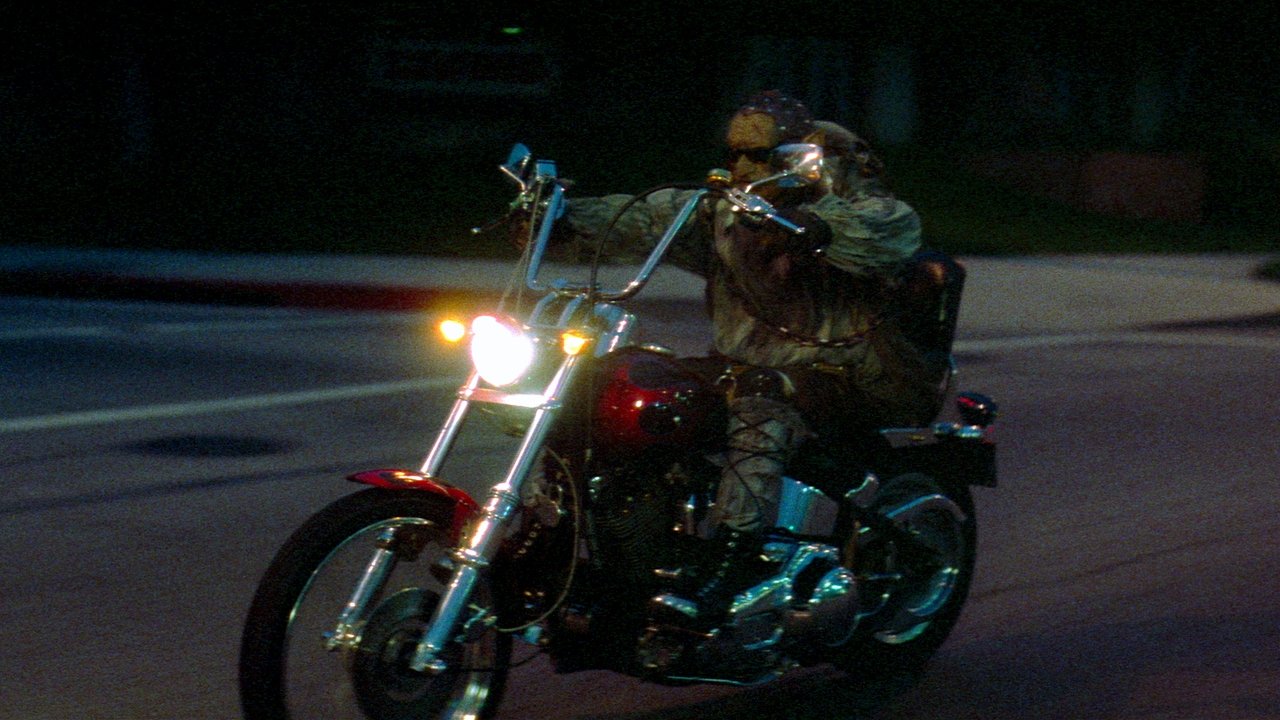
The premise takes the Brothers Grimm framework and slams it into contemporary urban decay. Shelly Stewart (Kim Johnston Ulrich), grieving the loss of her police officer husband, finds solace in a small antique shop and a peculiar wishing stone. A desperate whisper for her husband's return inadvertently summons the titular creature (Max Grodénchik), imprisoned within the stone centuries ago. His price for any wish granted? The firstborn child. When Shelly naturally refuses to hand over her infant son, Rumpelstiltskin embarks on a murderous rampage to claim his prize, transforming the narrative from medieval folklore into a surprisingly brutal game of cat-and-mouse. Director Mark Jones, fresh off unleashing another diminutive terror in Leprechaun (1993), clearly had a penchant for bringing mythical monsters into the modern world with bloody results.
A Creature of Malice and Makeup

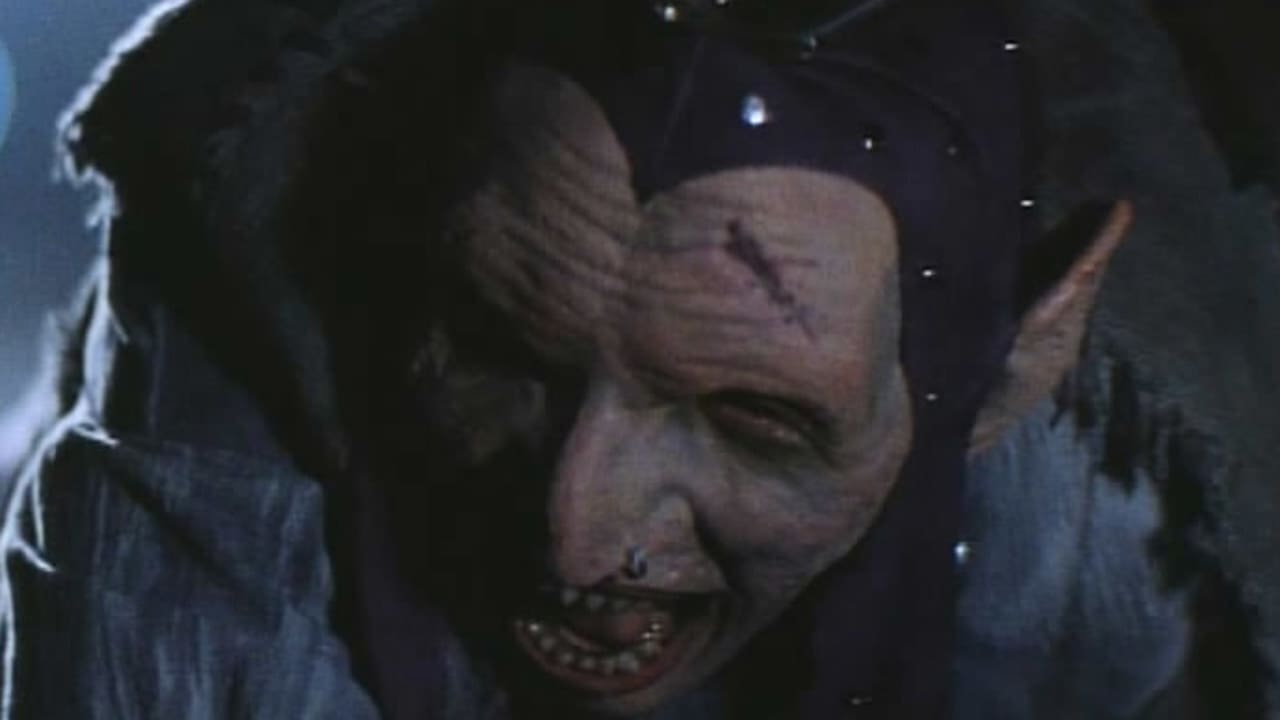
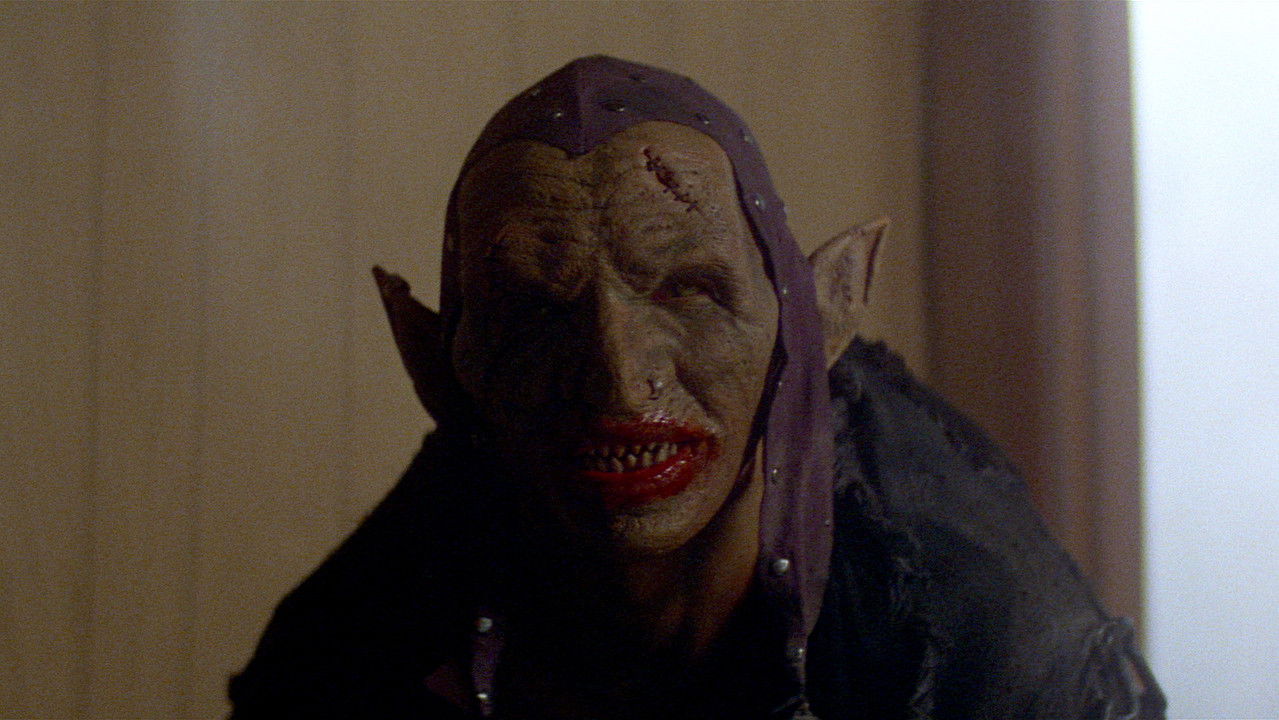
Let's be honest, the star here is Rumpelstiltskin himself. Max Grodénchik, familiar to many sci-fi fans as the earnest Ferengi Rom on Star Trek: Deep Space Nine, is almost unrecognizable beneath layers of impressive prosthetic makeup. Designed by the legendary Kevin Yagher Studio – the same minds behind Chucky in Child's Play (1988) and Freddy Krueger's later looks – the creature design is genuinely effective for its time. He's grotesque, impish, and carries an ancient malice in his eyes. Grodénchik commits fully, delivering his lines with a cackling glee and embodying the creature's cruel physicality. Reportedly, the extensive makeup process was arduous, taking hours each day, a testament to the dedication required for practical creature features of this era. Jones specifically wanted another small, iconic monster after his success with Warwick Davis's Leprechaun, and while Rumpelstiltskin never quite achieved that level of notoriety, the effort is visible on screen. He’s not just a man in a suit; he feels like a twisted fairytale entity given flesh, albeit a low-budget ($3 million reported cost) flesh.
Mid-90s Horror Vibes
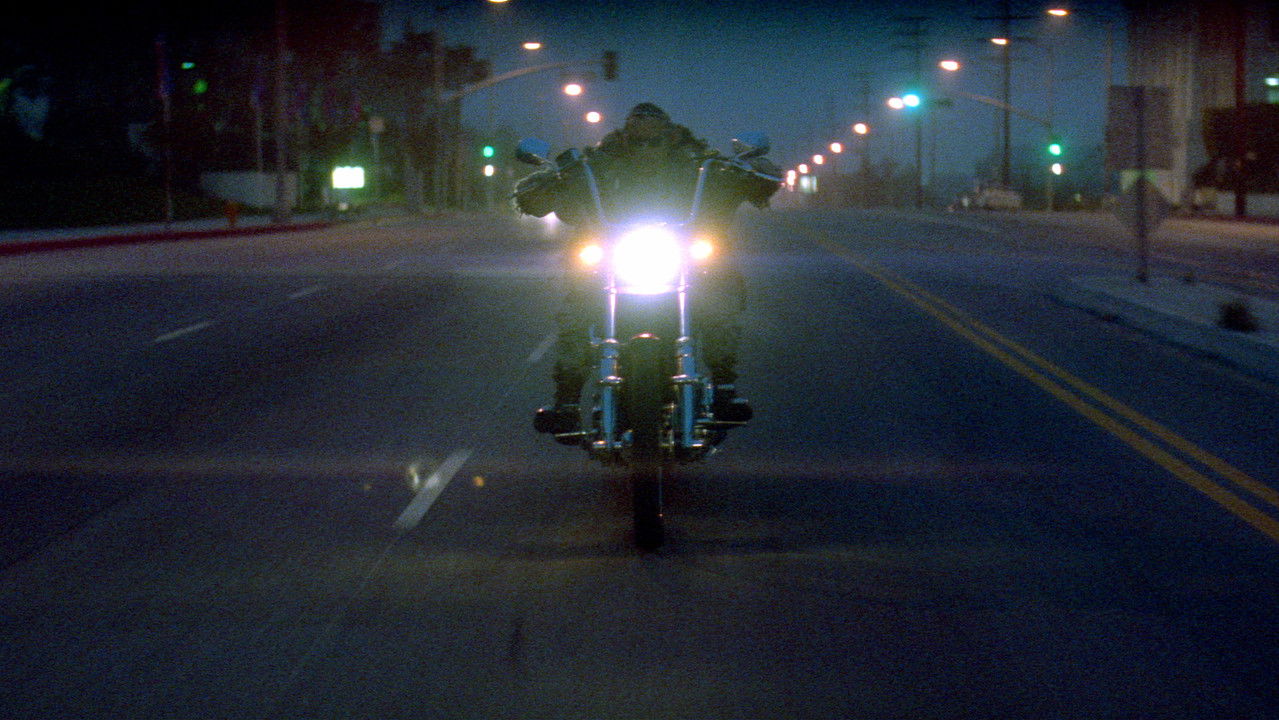
The film absolutely feels like 1995. It exists in that interesting pocket of horror cinema between the decline of the classic slasher and the meta-revival sparked by Scream (1996). There's a certain straightforwardness to its approach – it mixes supernatural horror with police procedural elements (thanks to Shelly's late husband's partner, Max, played with amiable charm by Tommy Blaze) and even throws in a surprisingly destructive car chase sequence. The kills are often inventive, leveraging the creature's magical abilities in nasty ways, pushing the R-rating with practical gore effects that felt visceral on grainy VHS. Does the CGI used for some transformations look dated now? Absolutely. But the core practical work, especially on the creature himself, retains a tangible, unsettling quality. The atmosphere isn't one of subtle dread, more a relentless, pulpy menace punctuated by the creature's gleeful taunts. Remember how genuinely shocking some of those kills felt back then, before desensitization truly set in?
Nostalgia Goggles or Grimy Gem?
Watching Rumpelstiltskin today is an exercise in appreciating B-movie ambition. The script has its share of clunky dialogue and convenient plot turns. Kim Johnston Ulrich does her best as the determined mother, selling the desperation and maternal ferocity required, while Tommy Blaze offers some welcome, if occasionally jarring, comic relief. It doesn't redefine the genre, nor does it possess the cleverness of its Leprechaun cousin. Yet, there's an undeniable energy to it, a commitment to its bonkers premise that’s hard to dislike entirely. It was a video store staple, the kind of cover art that promised monstrous mayhem and largely delivered. It wasn't trying to be subtle; it was aiming for creature feature thrills, a dark fairy tale reimagined with 90s grit and gore. Perhaps its most enduring quality is that very lack of irony – it plays its outlandish story relatively straight, making the moments of dark magic and violence land with a certain blunt force.
***
VHS Heaven Rating: 6/10
Justification: The rating reflects the film's status as a fun, if flawed, piece of 90s horror nostalgia. Max Grodénchik's committed performance and the impressive practical creature design earn significant points. The inventive kills and the sheer audacity of transplanting the fairy tale offer definite entertainment value for fans of the era's creature features. However, it's held back by a predictable script, sometimes awkward tonal shifts between horror and humor, and effects that haven't all aged gracefully. It doesn't quite reach the cult icon status of Leprechaun, but provides a solid, grimy viewing experience.
Final Thought: Rumpelstiltskin might not be spun gold, but for those who remember scanning rental shelves for monstrous thrills, it remains a distinctively nasty little fairy tale gone wrong – a perfect slice of mid-90s creature feature comfort food, best served after dark.