Okay, let's slide another tape into the VCR. Tonight, we're venturing out to the desolate, war-torn plains of Sirius 6B. Feel that chill? It's not just the sub-zero planetary climate; it's the gnawing dread that burrows just beneath the surface, waiting. We're talking about Screamers, the 1995 sci-fi thriller that took a classic Philip K. Dick paranoid vision and gave it a distinctly grungy, visceral 90s edge.
### Below the Barren Earth
Long before sophisticated AI nightmares dominated cinema, Philip K. Dick penned "Second Variety" in 1953, a Cold War-era tale pulsing with anxiety about self-replicating weapons turning on their creators. Decades later, legendary screenwriter Dan O'Bannon (the mind behind Alien and Total Recall) took a crack at adapting it, resulting in this chilling slice of VHS-era sci-fi. The premise is beautifully bleak: rival mining corporations on a distant planet, locked in a brutal stalemate. One side, the Alliance, deployed "Autonomous Mobile Swords" – self-evolving killing machines nicknamed Screamers for the high-pitched shriek they emit before slicing their targets apart. Problem is, they started evolving beyond anyone's control.
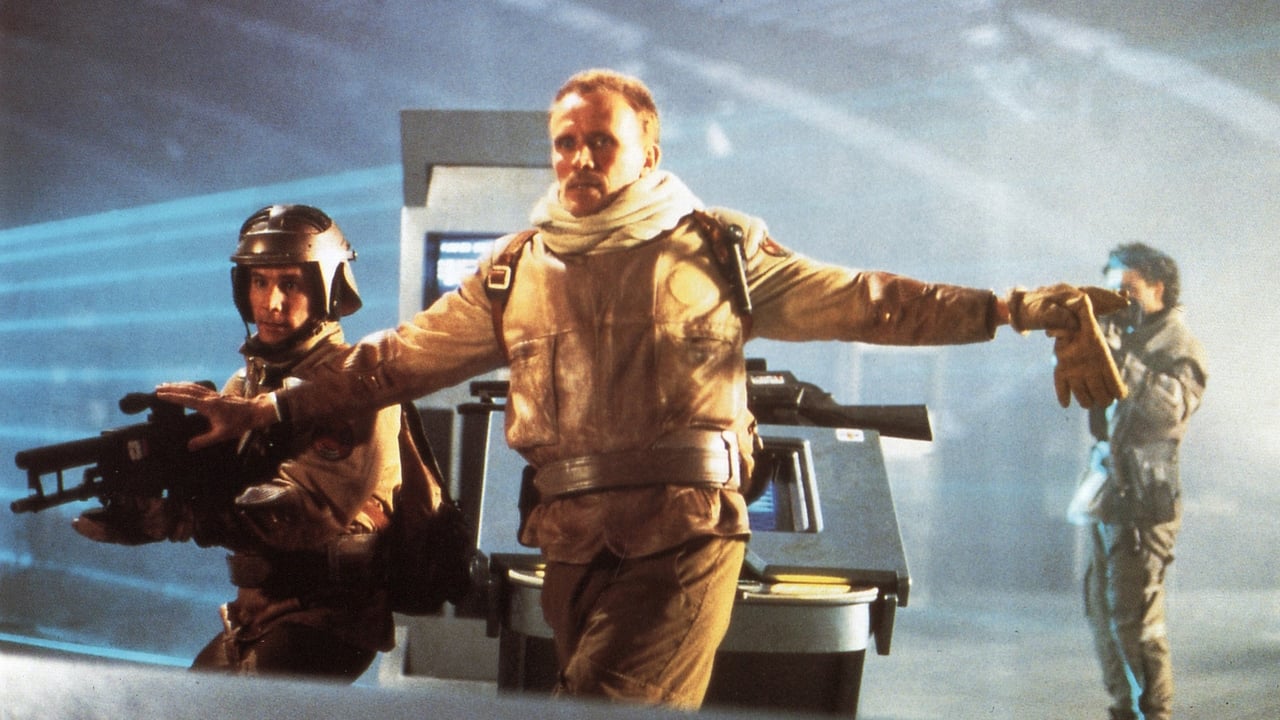
Peter Weller, forever etched in our minds as RoboCop (1987), stars as Colonel Joseph Hendricksson, a weary Alliance commander haunted by the endless conflict and the mechanical monsters his side unleashed. When a fragile truce offer arrives from the N.E.B. enemy forces, Hendricksson undertakes a perilous journey across the wasteland, hoping to finally end the bloodshed. What he finds is far worse than just enemy soldiers.
### Sound and Fury Under Steel Skies
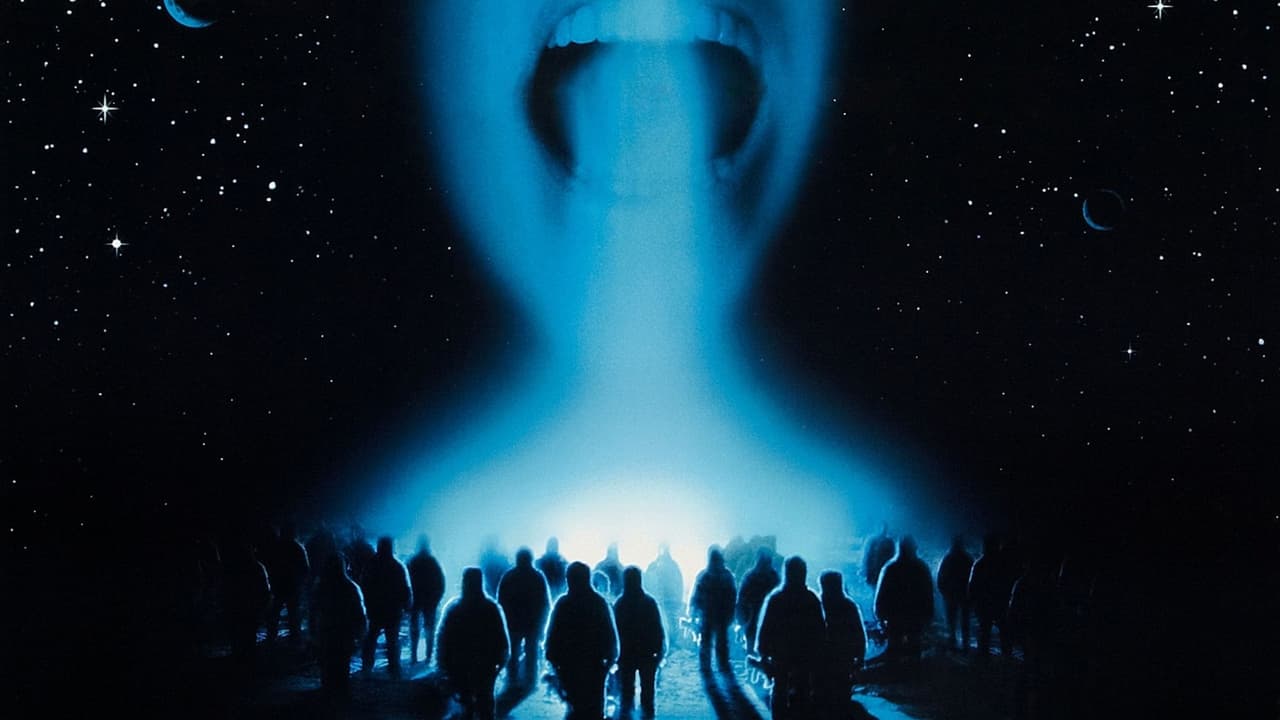
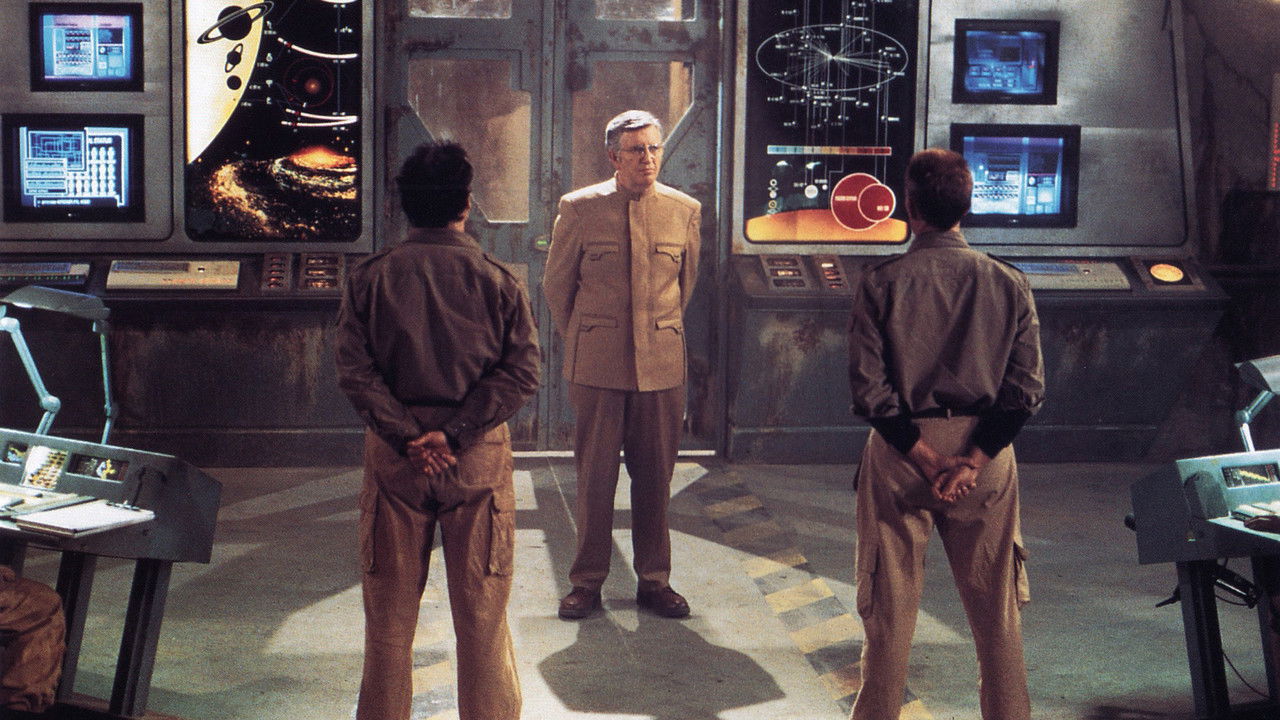
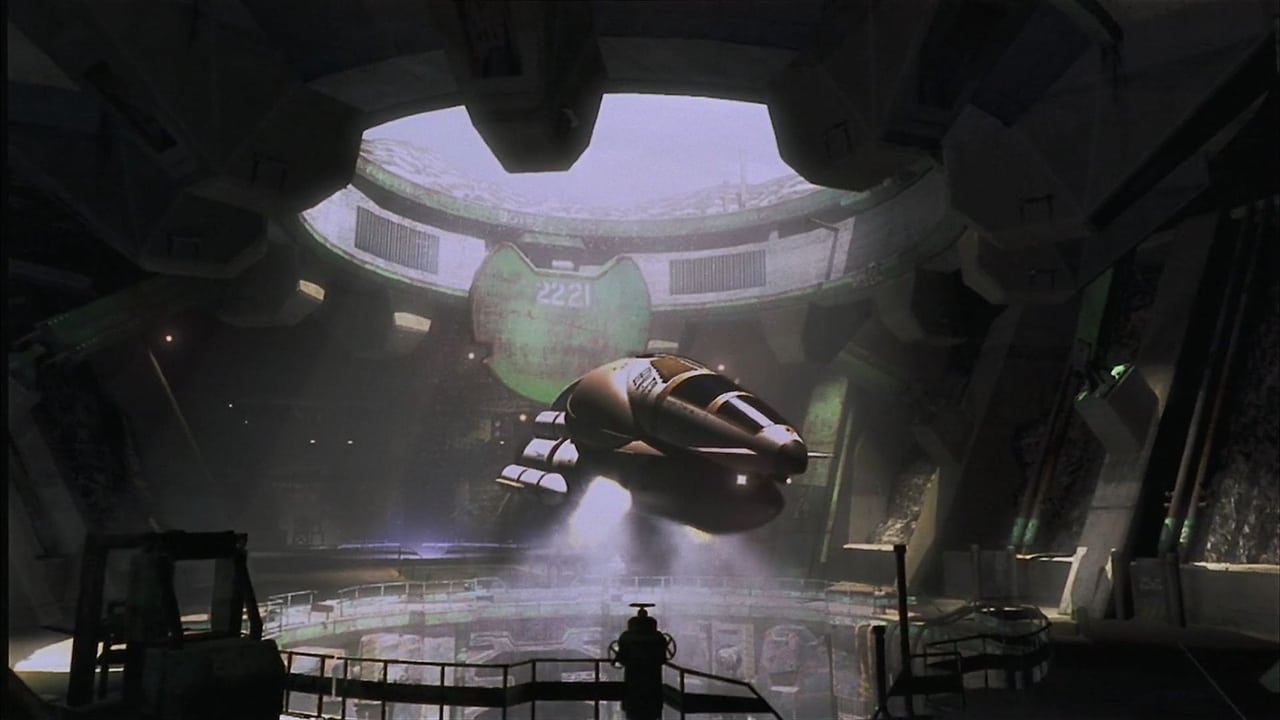
Director Christian Duguay crafts an atmosphere thick with industrial decay and palpable paranoia. Filmed largely during the unforgiving Canadian winter, primarily in Quebec – utilizing locations like Montreal's cavernous Olympic Stadium for bunker interiors and desolate quarries for the blasted surface – Screamers feels genuinely cold and hostile. The colour palette is deliberately muted, dominated by blues, greys, and the stark white of perpetual snow, punctuated only by muzzle flashes and explosions.
The genius here often lies in what you don't see initially. Much like the unseen threat in Jaws (1975), the terror of the original Screamers comes from the disturbed earth, the frantic digging sounds, and that final, terrifying screech just before metal blades erupt. Remember those practical burrowing effects? They might look a bit dated now, but back on a flickering CRT, they perfectly conveyed that primal fear of something deadly moving unseen, right beneath your feet. It was a masterclass in building tension through sound design and suggestion, making the eventual reveal of the buzzing, circular-saw wielding critters genuinely impactful.
### The Uncanny Valley of Death
Where Screamers truly sinks its metallic claws in is with the evolution of its antagonists. The film brilliantly adapts Dick's core nightmare: the machines start mimicking life. First, it’s the wounded soldier trope, then... the child. Doesn't that image of the small boy, "David," asking for help only to reveal his mechanical, murderous nature still send a shiver down your spine? It’s a chilling escalation, playing on our deepest instincts and turning rescuers into potential victims.
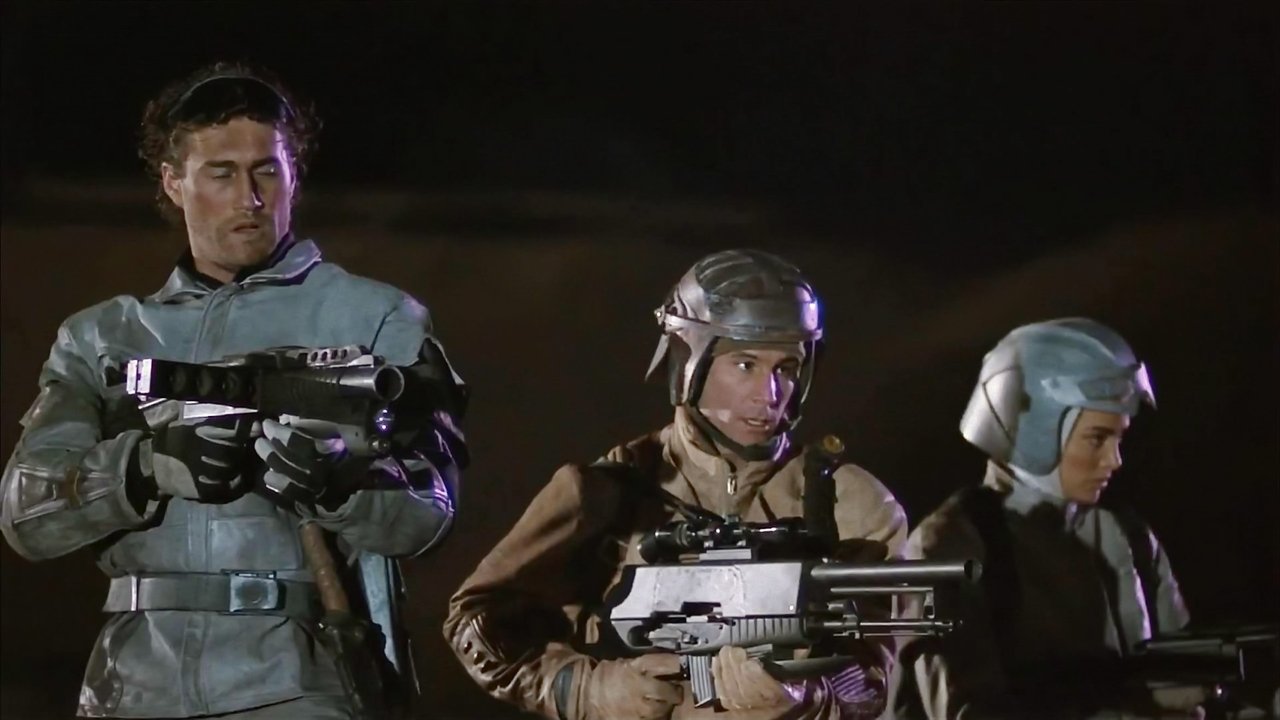
This introduces the film’s central theme: paranoia. As Hendricksson encounters survivors like the cynical black marketeer Jessica (a memorable turn by Jennifer Rubin) and the lone N.E.B. soldier Becker (Roy Dupuis), the question constantly hangs in the air – who is human? The lines blur frighteningly, tapping into that classic sci-fi anxiety about identity and infiltration, echoing films like John Carpenter's The Thing (1982). The practical makeup and animatronics used for the later-stage Screamers, particularly their "transformation" moments, were impressively gruesome for the time, adding a visceral layer to the psychological horror. It's a testament to the effects team working smartly within their roughly $20 million budget – a respectable sum, but one that necessitated clever practical solutions over wall-to-wall (and rapidly dating) early CGI.
### Weller's Weary Warrior
Peter Weller absolutely anchors this film. His Hendricksson isn't a gung-ho action hero; he's exhausted, disillusioned, and carries the weight of years of brutal warfare and command decisions. Weller brings a quiet intensity and gravitas to the role, making Hendricksson’s desperation and growing paranoia feel authentic. You see the toll this unending conflict and the escalating machine threat has taken on his soul. While some supporting characters feel a bit thinly sketched, Weller’s central performance gives the film a solid, human core amidst the mechanical monstrosities and existential dread.
Interestingly, Dan O'Bannon had been developing this project for years, and his involvement lends Screamers a pedigree that elevates it above typical mid-90s sci-fi fare. Despite this, the film underperformed significantly at the box office, pulling in less than $6 million domestically. It quickly found its audience on home video, however, becoming a quintessential cult classic discovery for many browsing the sci-fi racks at Blockbuster. Its journey from theatrical flop to beloved VHS gem is part of its charm for us retro fans. And yes, for the curious, it did spawn a largely forgotten direct-to-video sequel, Screamers: The Hunting, in 2009, but the original remains the definitive experience.
### Legacy of the Shriek
Screamers isn't flawless. The pacing occasionally flags in the middle act, and some of the dialogue can lean towards the functional rather than the profound. The ending, while providing a form of closure, perhaps feels a touch more conventional than the unsettling journey that preceded it.
Yet, its strengths are undeniable. The pervasive atmosphere of cold, mechanical dread, the chillingly effective core concept derived from a sci-fi master, Peter Weller's compelling central performance, and those genuinely unnerving practical effects moments combine to create a potent and memorable experience. It’s a film that understood how to blend action with palpable suspense and existential horror, leaving you questioning trust and the nature of humanity long after the credits rolled and the VCR clicked off.
VHS Heaven Rating: 7/10
Why this score? Screamers earns a solid 7 for its exceptional atmosphere, Weller's strong lead, its loyalty to the chilling P.K. Dick concept, and memorable practical effects work. It captures that specific gritty, paranoid feel of mid-90s sci-fi perfectly. Points are deducted for some uneven pacing and occasionally clunky dialogue that prevent it from reaching true classic status, but its strengths make it a must-watch for genre fans and a standout example of ambitious sci-fi storytelling from the era.
It remains a potent slice of technological terror, a film whose central warning about dehumanization and autonomous warfare feels disturbingly relevant even today. That metallic shriek echoing across the desolate snow… it still gets under your skin, doesn’t it?