There’s a particular weight to certain films watched on VHS back in the day, a gravity that settles in long after the tape has whirred to a stop. J. P. Dutta’s 1997 epic, Border, is undoubtedly one of those. It wasn’t just a movie; for many, it felt like an event, a collective experience that resonated deeply across India and among diaspora audiences who caught it on those chunky cassettes. Seeing it again now, the sheer scale of its ambition and the raw, earnest emotion it channels remain striking. It aimed not just to depict a battle, but to capture a sense of national spirit under fire.
Dust, Duty, and Desert Vistas
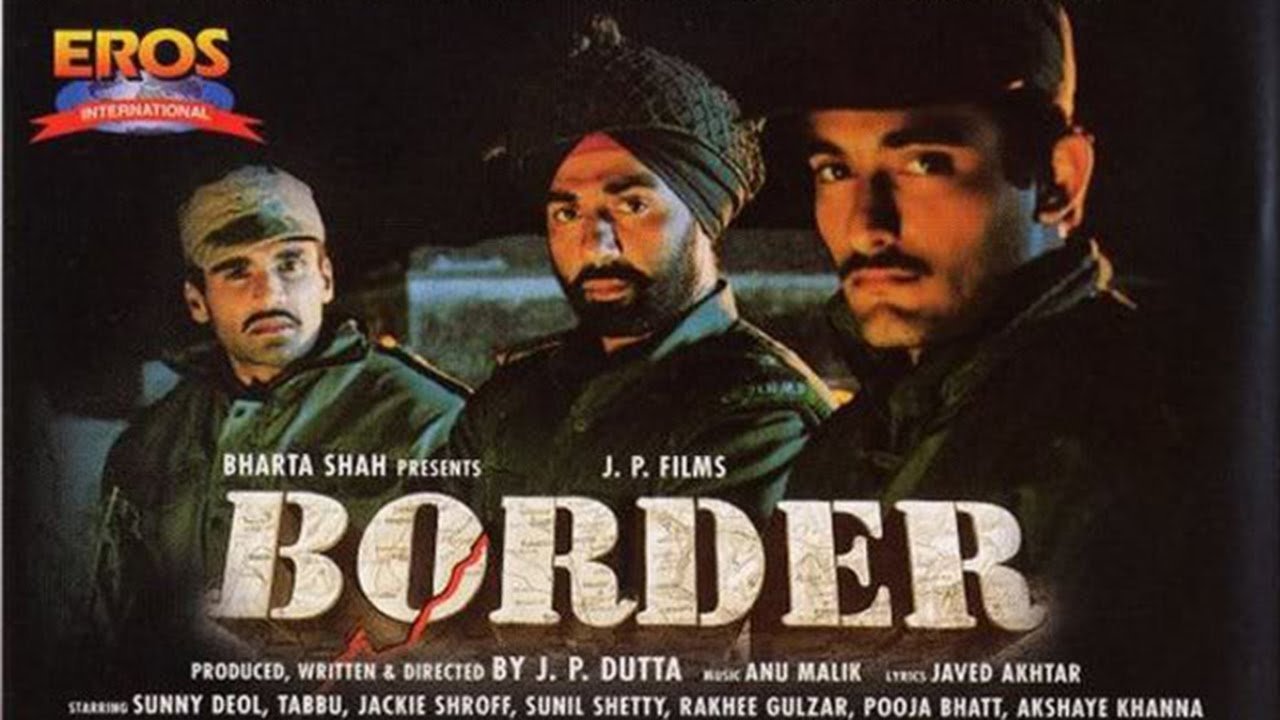
Based on the Battle of Longewala during the 1971 Indo-Pakistani War, Border throws us into the stark, sun-baked expanse of the Rajasthan desert. The premise is pure heroism against the odds: a small company of Indian soldiers, led by Major Kuldip Singh Chandpuri, must hold a vital post against a massive Pakistani tank assault until air support can arrive. J. P. Dutta, who also co-wrote the screenplay with his father, O. P. Dutta (who penned the film's powerful dialogues), doesn't shy away from the grandeur of war filmmaking. He uses the sprawling desert landscape to emphasize both the isolation of the soldiers and the terrifying scale of the impending conflict. There’s a palpable sense of tension built not just through military maneuvers, but through the quiet moments before the storm. I recall renting this tape, the cover art promising intense action, and being surprised by the significant time Dutta dedicates to the lives behind the uniforms.
Faces in the Trenches
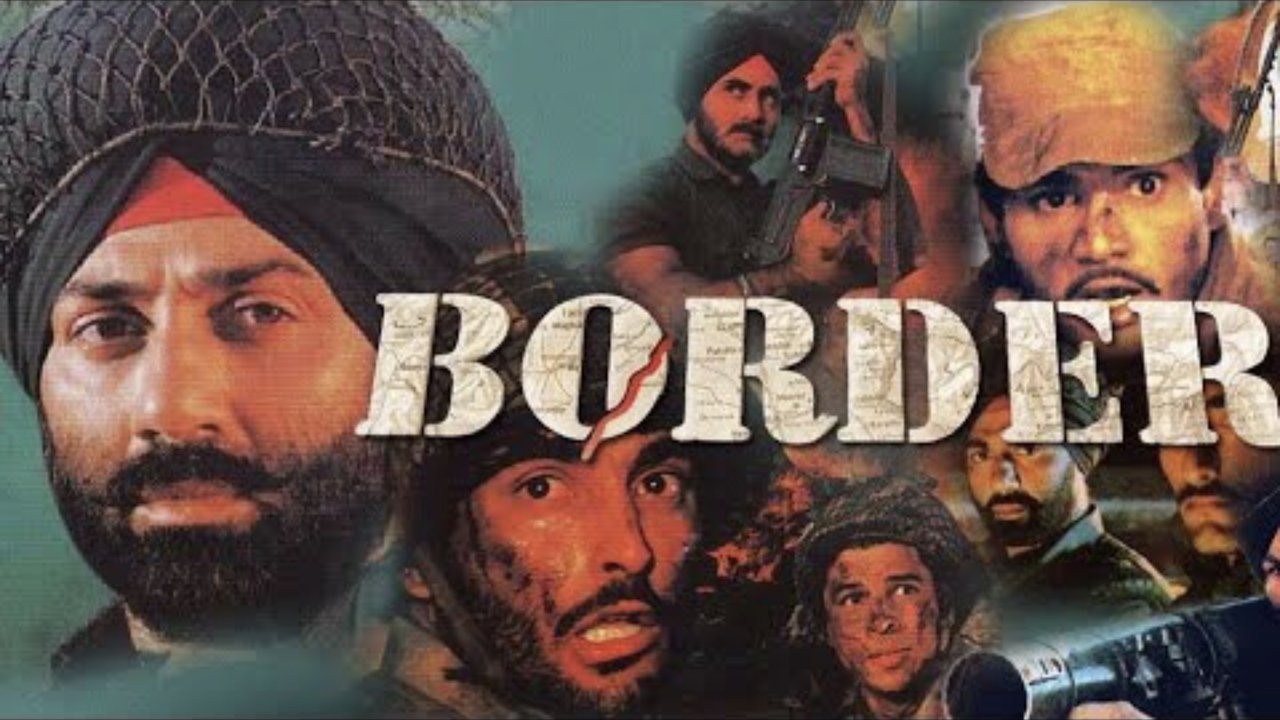
Where Border truly digs in is its ensemble cast, portraying the men thrust into this crucible. Sunny Deol embodies Major Chandpuri with a stoic, unwavering resolve that became instantly iconic. His performance is less about overt emoting and more about conveying leadership through sheer presence and clipped, decisive commands. It’s the kind of grounded portrayal that anchors the film’s more heightened patriotic moments.
Alongside him, Jackie Shroff brings a different energy as Wing Commander Andy Bajwa, projecting charisma and a touch of seasoned weariness. Suniel Shetty delivers a performance charged with intensity as Captain Bhairon Singh of the BSF, a man deeply connected to the land and fiercely protective of his duty. Perhaps most memorable for many was Akshaye Khanna’s debut as 2nd Lieutenant Dharamvir Bhan. Khanna captures the vulnerability and gradual hardening of a young officer facing his first taste of combat, grappling with fear, love, and the weight of expectation. It was a remarkably assured debut, hinting at the nuanced actor he would become. It's fascinating to know that Dutta considered many other established stars before assembling this specific cast – a choice that ultimately felt pitch-perfect.
The film wisely intersperses the military drama with glimpses into the soldiers' personal lives, featuring heartfelt performances from Pooja Bhatt, Tabu, and the ever-reliable Rakhee Gulzar as the worried mothers, wives, and fiancées left behind. These interludes, underscored by Anu Malik’s unforgettable score and Javed Akhtar’s poignant lyrics – particularly the anthem "Sandese Aate Hain" – provide the emotional counterpoint to the battlefield chaos. That song wasn't just a hit; it became woven into the cultural fabric, expressing the longing and sacrifice inherent in a soldier's life. It’s the human cost, Dutta reminds us, that gives the fight its meaning.
Crafting Authenticity Under the Sun
Dutta's commitment to realism, at least in terms of atmosphere and hardware, was notable for the time. Border was shot on location in the harsh conditions of Bikaner, Rajasthan, lending the visuals an undeniable authenticity. The production secured significant cooperation from the Indian Army and Air Force, allowing the use of genuine tanks (like the vintage Centurions and T-55s visually standing in), artillery, and aircraft. This wasn't CGI; the weight and menace of the machinery felt real, enhancing the David vs. Goliath narrative. You can almost feel the grit and heat radiating from the screen.
There are stories from the set detailing the challenges of filming such large-scale sequences in the desert heat, demanding immense effort from cast and crew. This dedication paid off, creating battle scenes that felt visceral and chaotic. While historical accounts note the absolutely decisive role of the Indian Air Force's Hawker Hunter aircraft in the actual Battle of Longewala (which arrived the morning after the initial night defence), Dutta's film consciously chooses to focus primarily on the ground soldiers' night-long stand, emphasizing their courage and resilience in the face of overwhelming odds. It’s a dramatic choice, shaping the narrative towards a specific kind of heroism.
A Blockbuster with Soul
Border wasn't just a film; it was a phenomenon. Made on a substantial budget for its time (around ₹10 crore, roughly $2.8 million USD then), its box office collection reportedly exceeded ₹65 crore (around $18 million USD), making it a colossal success and the highest-grossing Hindi film of 1997. Its blend of patriotism, action, and emotional drama clearly struck a chord with the audience, filling a space for large-scale, homegrown war stories. It cemented J. P. Dutta's reputation as a master of the war epic, a path he would revisit in later films like LOC Kargil (2003) and Paltan (2018).
Does it sometimes veer into overt nationalism? Perhaps. Do the characterizations occasionally rely on archetypes? Yes. But viewed through the lens of its time, and acknowledging its intent, Border remains a powerful piece of popular cinema. It successfully balanced spectacle with soul, reminding viewers of the human stakes behind the headlines of conflict. Watching it today, even with a more critical eye, it's hard not to be moved by its earnestness and the conviction of its performances.
Rating: 8/10
The rating reflects Border's immense impact, its technical ambition for 1997 Bollywood cinema, the strength of its ensemble cast, and its enduring emotional core, particularly through its music. While perhaps simplifying historical events for dramatic effect, it achieved precisely what it set out to do: create a stirring tribute to soldiers' sacrifice that resonated deeply with its audience and remains a benchmark in Indian war films.
What lingers most, perhaps even more than the explosive action, are the faces etched with determination, fear, and love, and the haunting melody asking when the letters will arrive from home. It’s a film that, for all its battlefield thunder, understood the power of a quiet moment of reflection.