It arrives like a warm gust of desert air, carrying the scent of expensive perfume mingled with the faintest trace of smoke – not just from cigarettes, but perhaps from bridges burned and belongings set alight. Waiting to Exhale (1995) wasn’t merely a movie; for many of us settling onto the sofa after sliding that chunky tape into the VCR, it felt like an event. It was a conversation starter, a mirror reflecting complex realities, and a cinematic gathering of friends we felt we knew, grappling with love, loss, and the often-frustrating quest for a partner who sees and values them fully.
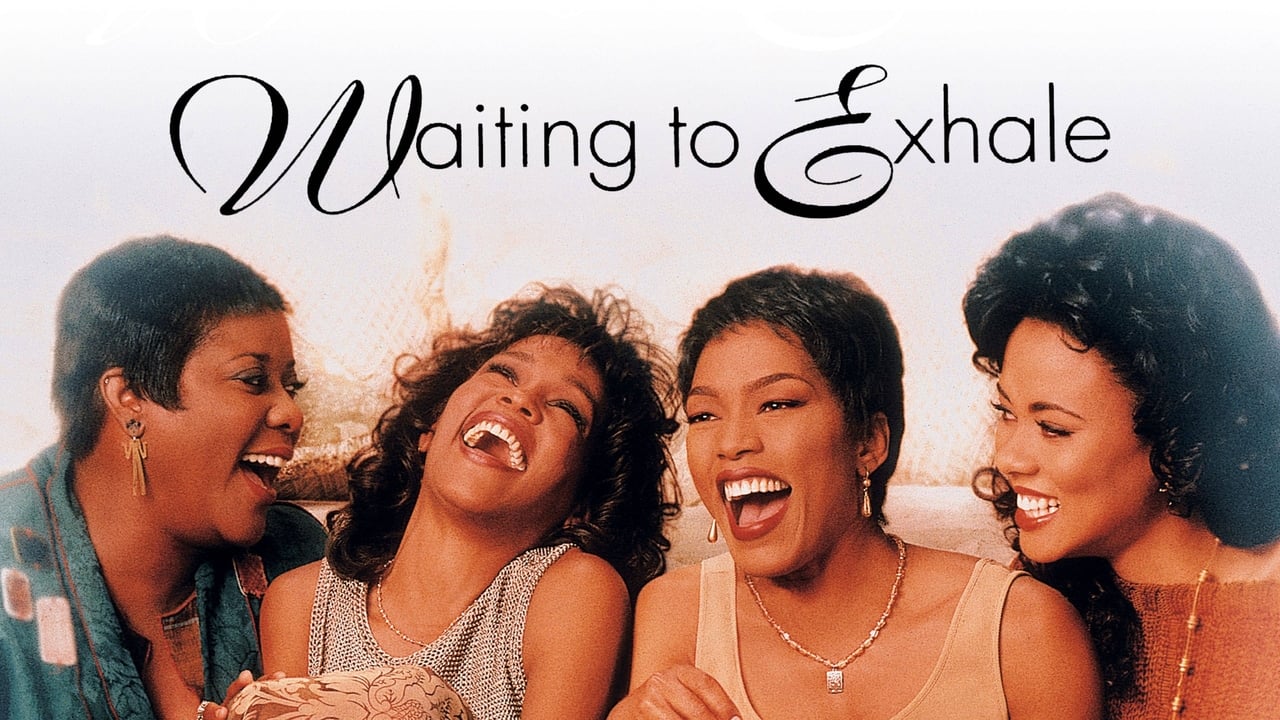
Four Hearts in the Arizona Sun
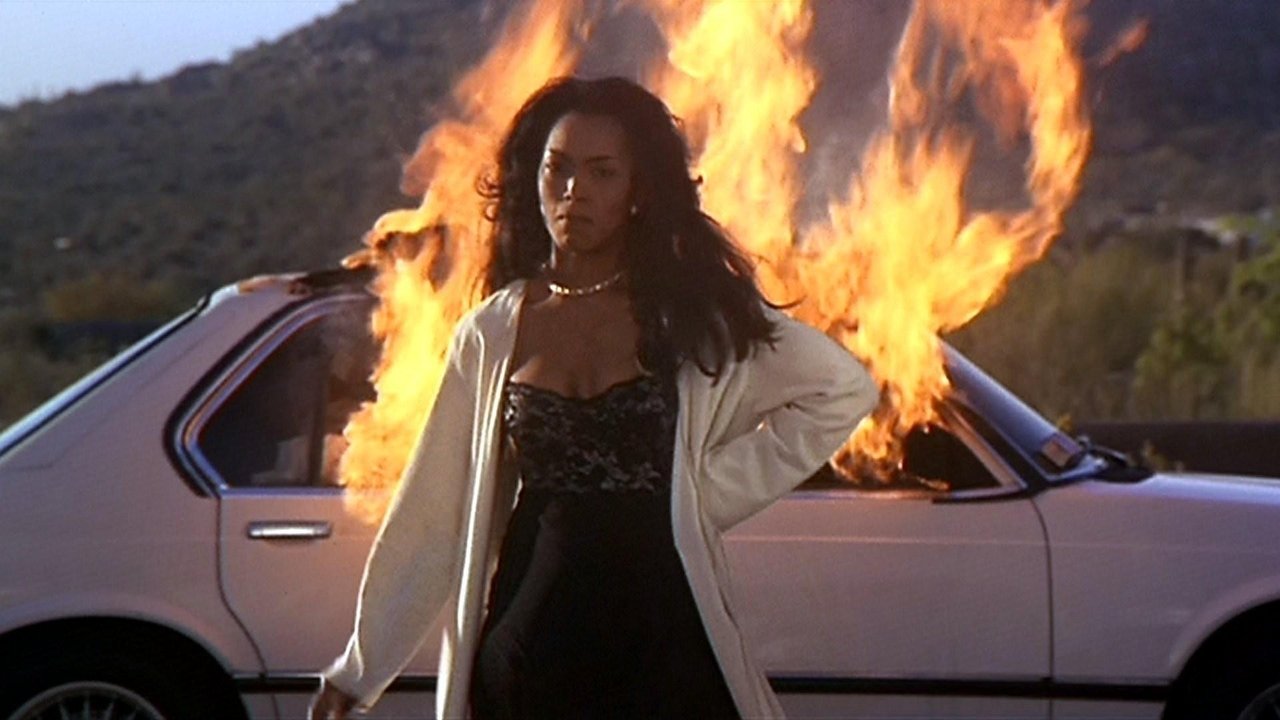
Set against the sun-drenched backdrop of Phoenix, the film invites us into the lives of four distinct, successful African-American women navigating the treacherous landscape of modern relationships. There’s Savannah Jackson (Whitney Houston, bringing a subtle vulnerability beneath a polished exterior, a notable turn after her powerhouse debut in The Bodyguard (1992)), a successful TV producer still waiting for her married lover (Dennis Haysbert) to commit. Bernadine Harris (Angela Bassett, in a performance that radiates power and pain), finds her seemingly perfect life implode when her husband abruptly leaves her for another woman – leading to that unforgettable scene of cathartic destruction. Gloria Matthews (Loretta Devine, embodying warmth and resilience), a salon owner raising her son alone, tentatively explores romance with a new neighbor (Gregory Hines). And Robin Stokes (Lela Rochon, capturing a captivating blend of confidence and naiveté), a high-powered executive, finds herself repeatedly drawn to unreliable men.
Based on Terry McMillan's best-selling novel (she also co-wrote the screenplay with Ronald Bass), the film doesn't shy away from the messy, often contradictory realities of their love lives. These aren't fairy tales. They are stories of disappointment, betrayal, compromise, and the enduring hope that maybe, just maybe, the next breath won't feel quite so held. What truly elevates the film beyond mere relationship drama, however, is the palpable bond between the four women. Their late-night talks, supportive interventions, and shared laughter form the movie's unwavering core. You believe in their friendship, in the way they show up for each other, offering solace, tough love, and unwavering solidarity. It’s this portrayal of sisterhood that resonates most profoundly, a testament to the strength found not just in romantic partnership, but in deep, abiding friendship.
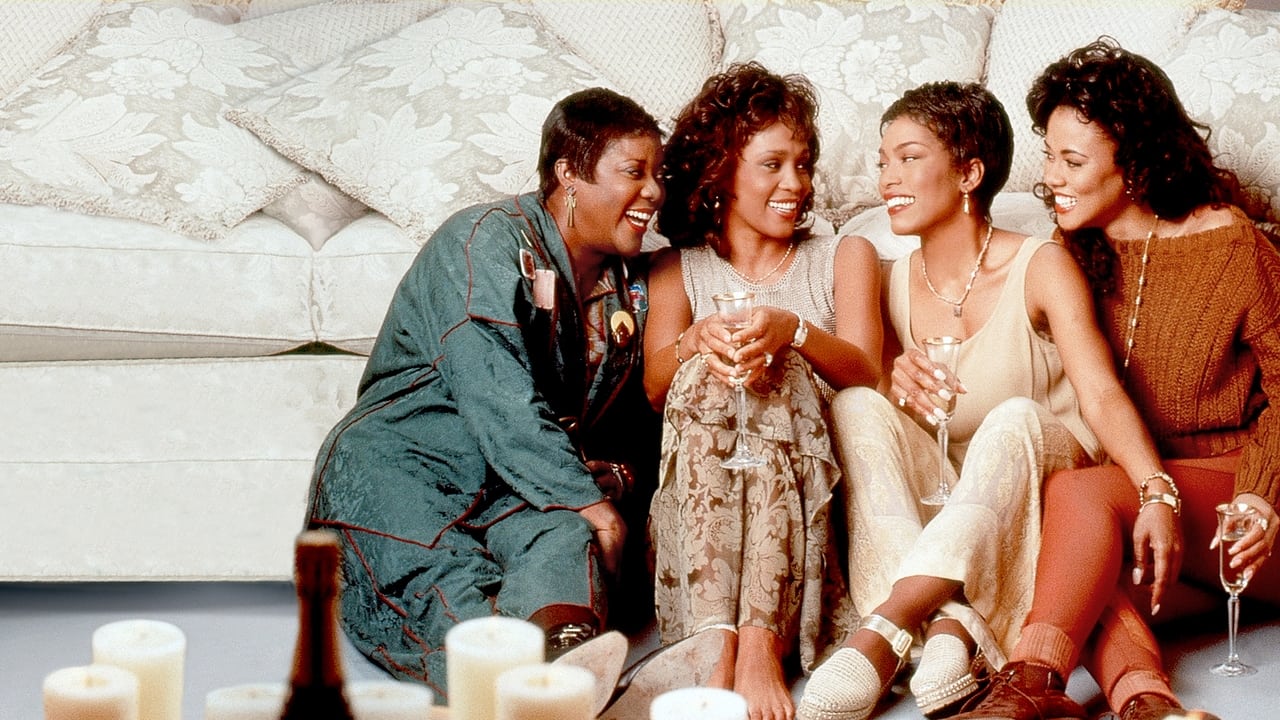
Behind the Exhale: Craft and Culture
Directing his first major feature film, actor Forest Whitaker (bolded as director here, known for his incredible acting range in films like Bird (1988) and later The Last King of Scotland (2006)) guides the narrative with a steady, empathetic hand. He allows the performances room to breathe, focusing on the intimate moments and emotional nuances. While primarily character-driven, the film doesn't skimp on visual appeal – the Phoenix setting provides a distinct sense of place, contrasting the wide-open spaces with the sometimes claustrophobic nature of the characters' emotional lives. Filming primarily on location in Phoenix and Scottsdale lends an authenticity often missing when cities merely serve as generic backdrops.
And then there’s the soundtrack. Oh, that soundtrack! Produced by Kenneth "Babyface" Edmonds, it wasn't just music; it was the film's heartbeat, a cultural phenomenon in its own right. Featuring an all-star lineup of female R&B artists including Whitney Houston, Mary J. Blige, Toni Braxton, Aretha Franklin, Patti LaBelle, Chaka Khan, and TLC, it generated multiple hit singles (including Houston's "Exhale (Shoop Shoop)", Braxton's "Let It Flow", and Brandy's "Sittin' Up in My Room") and became one of the best-selling movie soundtracks of all time. It perfectly captured the film's mood – soulful, yearning, defiant, and ultimately hopeful. I vividly remember that cassette tape being worn thin in car stereos everywhere; it was inescapable in the best possible way.
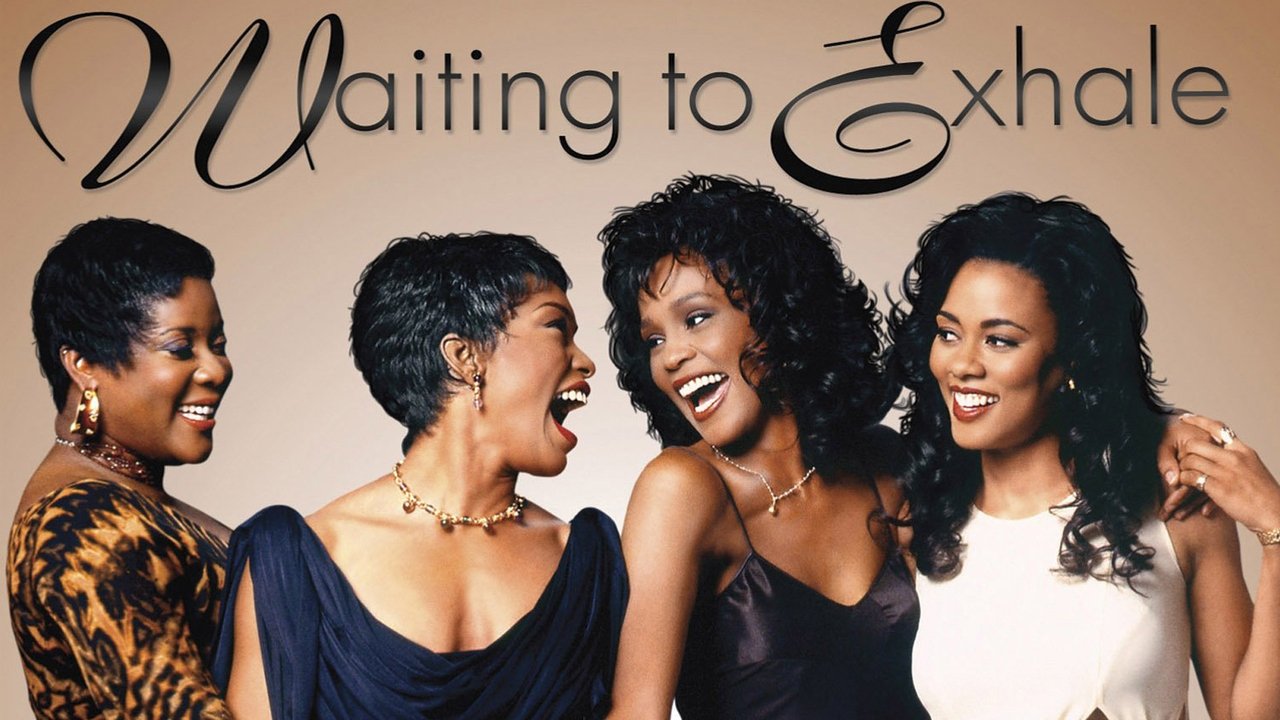
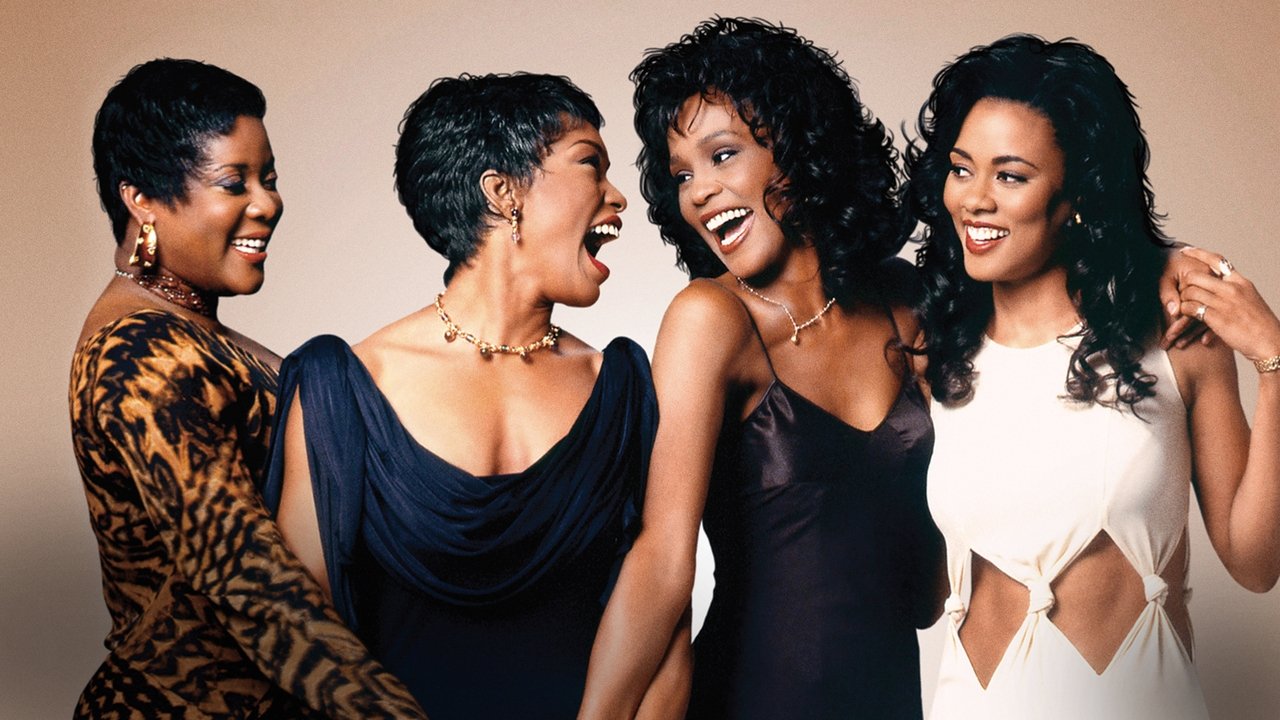
The film itself was a significant success story. Made on a relatively modest budget of around $16 million, it grossed over $81 million domestically (that's roughly $163 million today, adjusted for inflation!), proving there was a large, underserved audience eager for stories centered on Black women's experiences. It wasn't just a movie; it was a cultural moment, sparking countless discussions about relationships, identity, and representation on screen. It’s interesting to note that Terry McMillan initially envisioned Oprah Winfrey for the role of Savannah – while Whitney Houston brought her own unique star power and vulnerability, it's fascinating to imagine that alternate casting.
The Lingering Breath
Watching Waiting to Exhale today evokes a specific kind of nostalgia – not just for the fashion or the pre-cell phone world, but for a time when a film like this could dominate the cultural conversation. Does it feel dated in some respects? Perhaps some of the relationship dynamics or character choices might be viewed differently through a modern lens. Yet, the core themes – the search for self-worth, the complexities of love and desire, the irreplaceable value of female friendship – remain remarkably potent.
The performances are key to its endurance. Angela Bassett's righteous fury as Bernadine is iconic for a reason; it’s a masterclass in controlled rage erupting into liberating action (Bassett reportedly improvised some of her dialogue during the famous closet-clearing scene, adding to its raw authenticity). Loretta Devine brings such grounded warmth and relatability to Gloria, her journey towards self-acceptance and new love feels deeply earned. Lela Rochon perfectly captures Robin's charisma and vulnerability, making her sometimes questionable choices understandable, if frustrating. And Whitney Houston, often underestimated as an actress, delivers a restrained, thoughtful performance as Savannah, the anchor holding the group together.
What lingers after the credits roll isn't just the memory of specific scenes or hit songs, but the feeling of shared experience. It’s the understanding nods during those late-night talks, the empathy for heartbreak, the celebration of small victories, and the enduring power of women supporting women.
Rating: 8/10
This score reflects the film's cultural significance, the powerhouse ensemble performances (particularly Bassett's), the iconic soundtrack, and its authentic, resonant portrayal of female friendship. While some elements feel distinctly of their time, the emotional core remains strong and relevant. It captured a moment and gave voice to experiences often marginalized, doing so with style, heart, and unforgettable soul.
Waiting to Exhale remains more than just a 90s drama; it’s a testament to resilience, friendship, and the ongoing, often complicated, journey of finding your own breath.