There’s a particular kind of quiet devastation that permeates Forest Whitaker’s Hope Floats (1998), a film that arrived on VHS shelves looking for all the world like a standard romantic drama, yet carrying a surprising weight of raw, uncomfortable emotion. It begins not with gentle exposition, but with a televised gut punch – a moment of public humiliation so stark it feels almost invasive to watch, even now. Remember those daytime talk shows, the ones promising heartwarming reunions that sometimes curdled into catastrophe? Hope Floats weaponizes that format, shattering Birdee Pruitt’s seemingly perfect life in front of millions, forcing her retreat, tail between her legs, to the small Texas town she fled years ago.

Homecoming, Texas Style
The return to Smithville, Texas isn't a triumphant one for Birdee, played with aching vulnerability by Sandra Bullock. This isn't the plucky heroine we’d come to love in Speed (1994) or the charming singleton from While You Were Sleeping (1995). Here, Bullock dials down the effervescence to portray a woman hollowed out by betrayal, stripped of her confidence and forced to confront not only the wreckage of her marriage but also the judgmental eyes of a town that never forgot she left. She arrives with her daughter, Bernice (Mae Whitman, delivering a performance of remarkable, unvarnished childhood pain), both adrift in a sea of uncertainty. Their destination: the eccentric, taxidermy-filled home of Birdee's estranged mother, Ramona, portrayed by the legendary Gena Rowlands.
The screenplay, penned by Steven Rogers (who would later write I, Tonya), apparently drew from personal feelings of wanting to escape one's hometown, only to find complexities upon returning. It reportedly spent years in development before landing with Forest Whitaker directing and Bullock starring and producing. That gestation period perhaps contributes to the film's lived-in feel, the sense that these characters and their tangled histories existed long before the cameras rolled. Smithville itself becomes a character – a place of porch swings, gossip, and long memories, beautifully captured even as it represents Birdee's suffocating past. Filming on location in the actual Smithville, Texas, lends an undeniable authenticity; you can almost feel the humid air and hear the screen doors slam.
The Women of Smithville
At its heart, Hope Floats is a story about mothers and daughters, and the dynamic between Bullock and Rowlands is the film’s bruised, beating core. Rowlands, an icon thanks to searing roles like in A Woman Under the Influence (1974), doesn't play Ramona as a simple folksy matriarch. She’s quirky, yes, occasionally inappropriate, but possesses a deep well of pragmatism and tough love beneath the eccentricities. Her blunt pronouncements often land like stones, yet her unwavering, if unconventional, support for Birdee forms the bedrock upon which tentative rebuilding can begin. Their scenes together crackle with unspoken history, resentment giving way to grudging understanding. It’s a masterclass in conveying complex relationships with minimal fuss.
Equally compelling is the fractured bond between Birdee and Bernice. Whitman, just a child, embodies the anger and confusion of a daughter grappling with her father's abandonment and her mother's perceived weakness. Her lashing out, her desperate clinging to the memory of her dad – it’s heartbreakingly real. The film doesn't shy away from the ugliness of this dynamic, the ways pain can ricochet between parent and child.
Finding More Than Romance
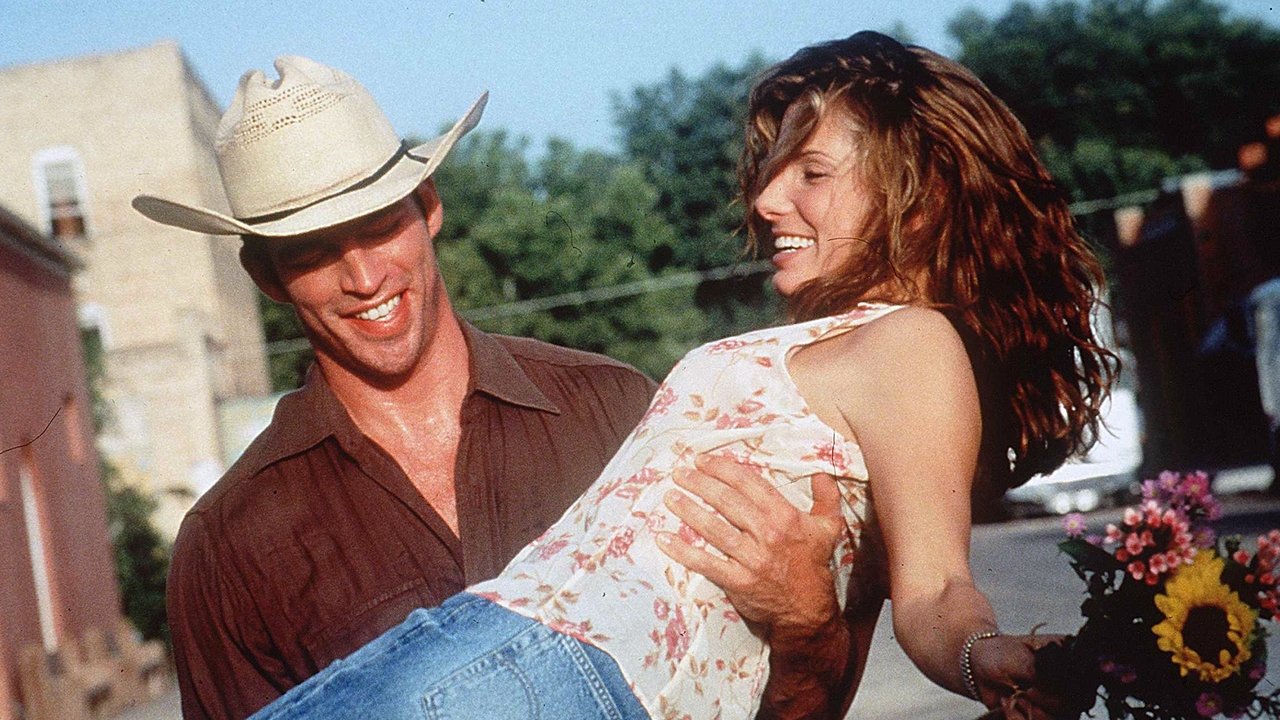
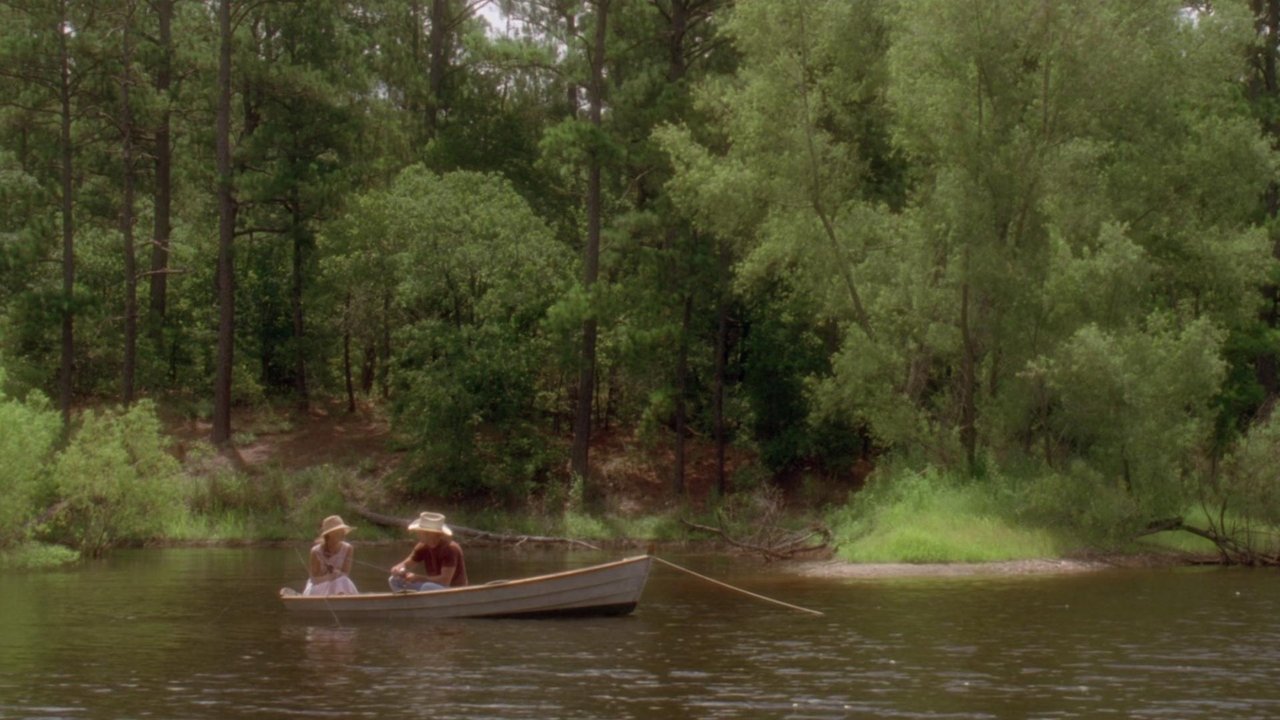
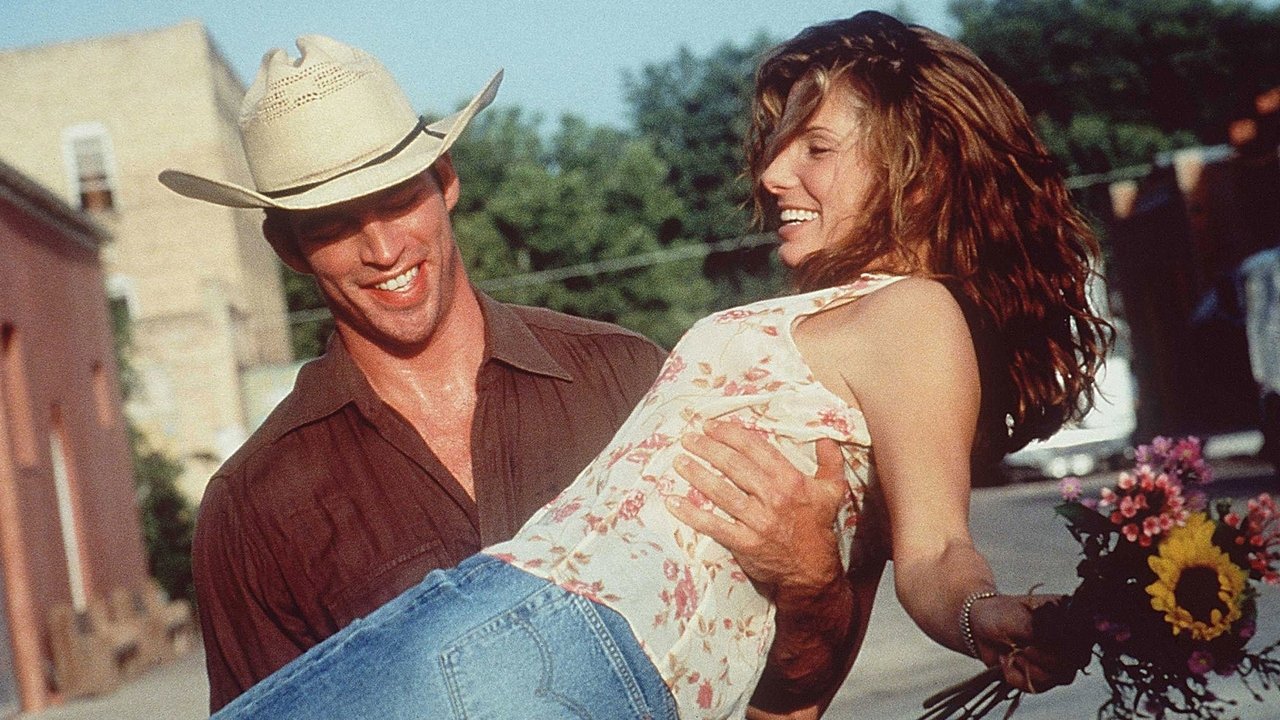
Into this delicate ecosystem steps Justin Matisse, played with laid-back charm by Harry Connick Jr. He represents a potential future for Birdee, a connection to the person she was before her life imploded. Their romance unfolds slowly, cautiously, feeling earned rather than predetermined. Connick Jr., fresh off films like Copycat (1995), provides a necessary warmth, a steady presence in Birdee's turbulent world. Yet, the film wisely keeps the focus primarily on Birdee’s internal journey and her familial relationships. The romance is part of her healing, not the sole solution.
It’s interesting to note Forest Whitaker as the director here. Known primarily for his powerful acting performances (Bird, The Last King of Scotland), his directorial hand is sensitive and patient. He allows moments to breathe, focusing on character expressions and the quiet beats between dialogue. There's a distinct lack of showiness, letting the emotional landscape of the story take center stage. Considering its $30 million budget and over $81 million worldwide gross, the film clearly struck a chord, perhaps offering a more grounded, emotionally resonant experience than typical late-90s fare often labeled (sometimes dismissively) as "chick flicks."
Does Hope Still Float?
Watching Hope Floats today, nestled amongst my well-worn tapes, it feels like a snapshot of a particular kind of late-90s filmmaking – earnest, character-driven, and unafraid of sentiment, though it occasionally dips a toe too far into melodrama, particularly towards the end. The pacing can feel deliberate, lingering perhaps a moment too long in the Texas heat. But its strengths endure: the powerhouse performances, especially from Bullock and Rowlands, the authentic sense of place, and its unflinching look at the messy, painful process of picking up the pieces. It asks us, implicitly, how we navigate betrayal and disappointment. Can we truly go home again? And what does it take to let hope, fragile as it may be, resurface?
Rating: 7/10
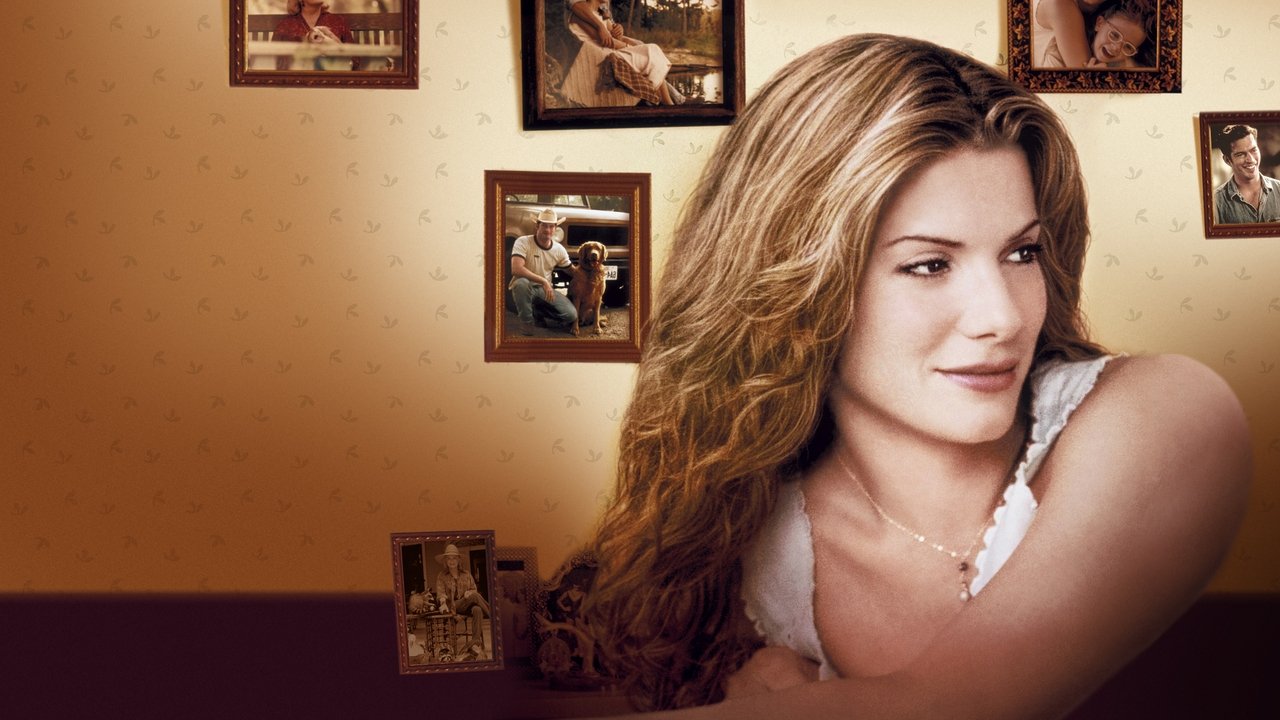
This rating reflects the film's powerful emotional core and outstanding performances, particularly from Sandra Bullock and Gena Rowlands, which anchor the sometimes-sentimental narrative. Forest Whitaker's sensitive direction and the authentic Texas atmosphere add significant weight. While the pacing occasionally drags and some plot points feel a touch predictable by today's standards, the film’s honest exploration of themes like forgiveness, mother-daughter bonds, and rebuilding one's life after devastation still resonates. It earns its emotional moments more often than not.
Hope Floats remains a poignant reminder that sometimes the hardest journey is the one back home, and finding hope isn't about grand gestures, but the quiet accumulation of small acts of resilience and love. It’s a film that stays with you, less for its plot twists and more for the raw feeling it evokes – a quiet ache, tinged with the enduring possibility of renewal.