It’s funny how cultural currents shift, isn’t it? The mid-1990s, a time we often remember for grunge, burgeoning internet culture, and maybe the last gasp of truly blockbuster action heroes, suddenly saw a resurgence of… Jane Austen? Following the delightful modern take Clueless (1995) and Ang Lee’s stately Sense and Sensibility (1995), along came another adaptation of Austen’s trickiest heroine. Douglas McGrath’s Emma (1996) arrived on VHS shelves not with gritty realism or high-concept thrills, but with sunshine, wit, and a disarmingly charming confidence. Renting it felt like a breath of fresh, albeit meticulously mannered, air.
### Highbury Bathed in Sunlight
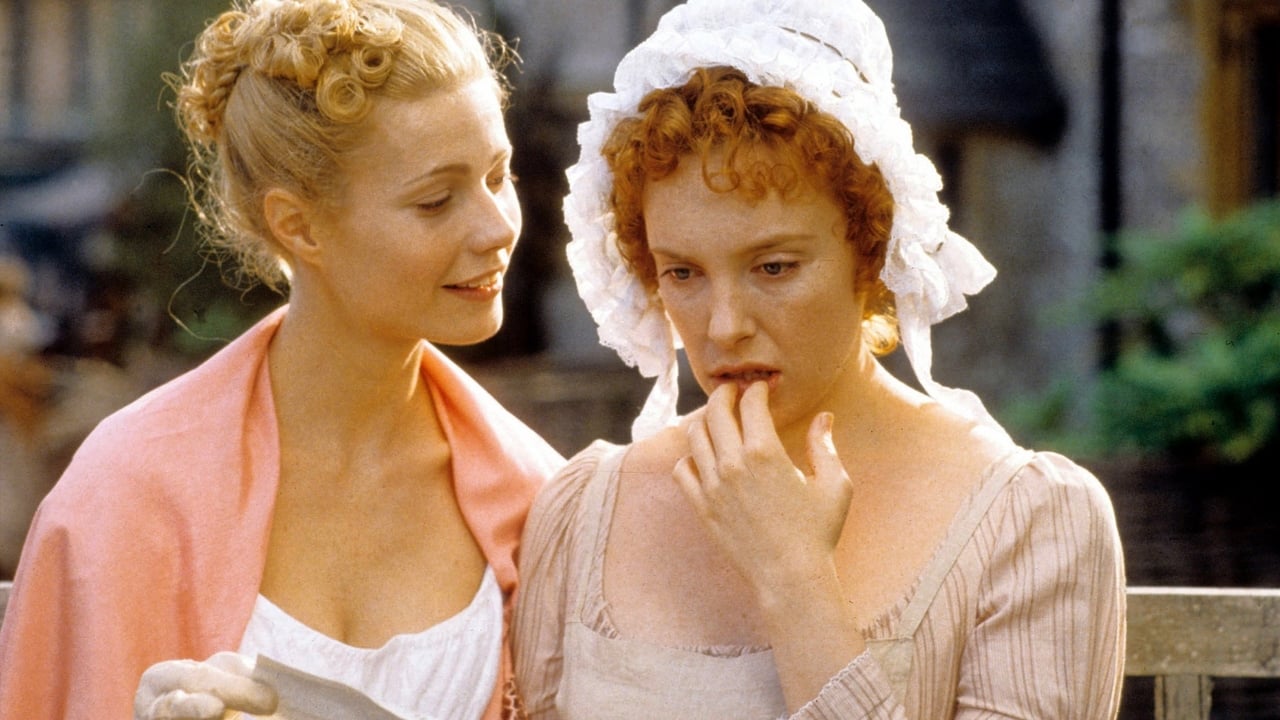
What strikes you immediately, even revisiting it now, is the film’s visual warmth. Director Douglas McGrath, making his feature debut here after co-writing Bullets Over Broadway (1994) with Woody Allen, paints the village of Highbury in hues of cream, gold, and gentle green. It’s less the imposing grandeur sometimes associated with period dramas and more like stepping into a watercolor illustration. This aesthetic perfectly mirrors the film's tone – light, bright, and focused on the intricate, often humorous, dance of social interaction. The story, of course, follows Emma Woodhouse – "handsome, clever, and rich," as Austen famously introduces her – a well-meaning but dangerously self-assured young woman who delights in matchmaking for everyone but herself, often with disastrously comedic results.
### A Perfectly Cast Drawing Room

The casting feels almost serendipitous. A young Gwyneth Paltrow, radiating confidence and poised charm, embodies Emma's essential nature. She captures the character's intelligence and surface elegance, but crucially, doesn't shy away from the underlying vanity and snobbery that make Emma so complex and, at times, infuriating. You believe her blindness to her own faults, making her eventual self-awareness all the more satisfying. It’s fascinating to see her here, just a couple of years before her Oscar win for Shakespeare in Love (1998), already commanding the screen with such assurance. Paltrow reportedly immersed herself in the role, mastering the accent and studying the period's etiquette, lending an authenticity that grounds her performance.
The supporting players are just as vital to the film's success. Toni Collette, fresh off her breakthrough in the quirky Australian hit Muriel's Wedding (1994), is utterly endearing as the naive and easily influenced Harriet Smith. Collette perfectly conveys Harriet's wide-eyed vulnerability, making her a believable object of Emma’s misguided social engineering. Alan Cumming steals every scene he’s in as the Reverend Elton, delivering his lines with a sublime mixture of obsequiousness and oily ambition. And then there's Jeremy Northam as Mr. Knightley, the moral center of the story and Emma’s patient, observant counterpoint. Northam brings a quiet authority and dry wit to the role, making the gradual blossoming of his relationship with Emma feel earned and genuinely romantic. Even Ewan McGregor, in the same year he exploded onto the scene with Trainspotting (1996), charms as the potentially roguish Frank Churchill.
### Wit, Wisdom, and a Winning Score
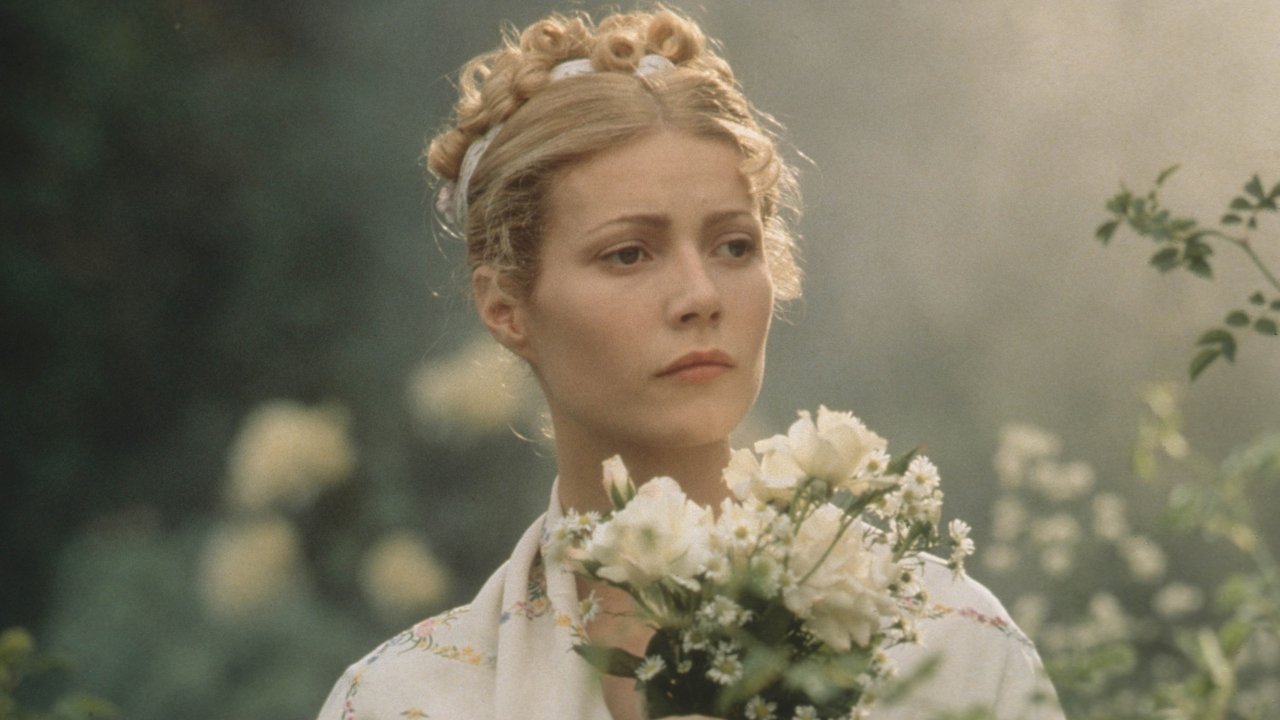
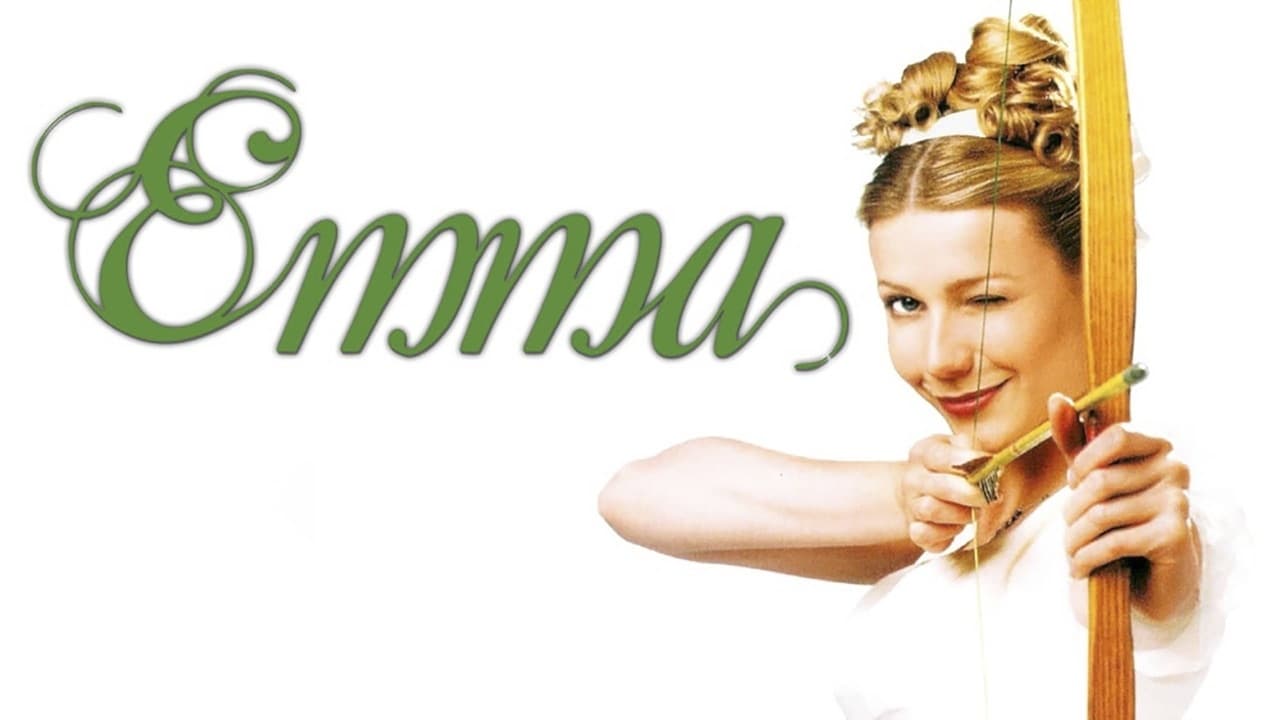
McGrath’s screenplay deftly condenses Austen’s novel while retaining its sparkling wit and social commentary. The humor arises naturally from the characters and their interactions – the awkward silences, the misinterpreted glances, the absurdity of rigid social codes. It never feels forced or overly broad. This light touch extends to the film's entire sensibility. It understands that while the stakes feel high to the characters within their confined world, there's an inherent comedy in their intricate maneuvering.
A significant part of the film's atmosphere comes from Rachel Portman’s score. Light, airy, and perfectly attuned to the emotional nuances of the story, it enhances the charm without ever becoming intrusive. It’s a lovely piece of work, and it earned Portman an Academy Award for Best Original Score – making her the first woman to win in that category. A little piece of movie history tucked into this delightful package.
### A Few Retro Reflections
Watching Emma again carries that specific mid-90s nostalgia. It emerged amidst a surprising cluster of Austen-related projects, proving the enduring appeal of her stories. It stood out then, and perhaps still does, for its sheer pleasantness. While Clueless offered a brilliant contemporary satire, McGrath’s Emma provided a more direct, yet still accessible, gateway to Austen’s world. Filmed on location in Dorset and Somerset, England, it truly transports you. Produced on a modest budget (reportedly around $6 million), its box office success (around $22 million domestically) proved there was a healthy appetite for well-crafted, intelligent period pieces. I remember the crisp feel of the Miramax clamshell VHS case, a contrast to the often darker, more action-packed tapes surrounding it at the rental store. It was a comforting choice, a guaranteed pleasant evening’s viewing.
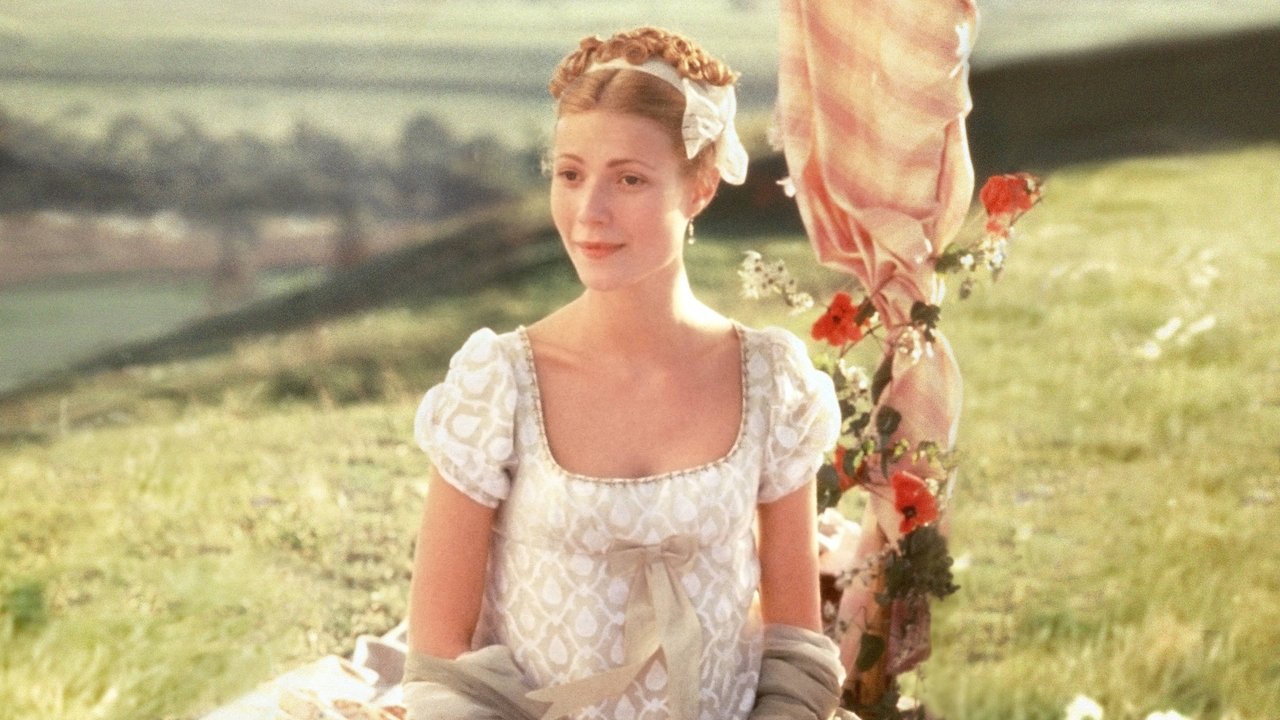
Does it capture every nuance of Austen’s novel? Perhaps not the sharpest edges of her social critique, favoring warmth over bite. But what it does, it does exceptionally well. It delivers a beautifully realized, wonderfully acted, and genuinely charming adaptation that respects its source while creating its own distinct, sunny identity.
Rating: 8.5/10
This rating reflects the film's undeniable charm, excellent performances, beautiful presentation, and skillful adaptation. It might soften Austen's satirical edge slightly, but it succeeds wonderfully as an inviting, witty, and visually lovely piece of filmmaking. It remains one of the most purely enjoyable Austen adaptations, a cinematic cup of tea best enjoyed on a sunny afternoon – or perhaps, fondly remembered from a cozy evening with the VCR whirring softly nearby.