Forget glass slippers and pumpkin coaches for a moment. Cast your mind back to 1998. Amidst the dial-up tones and burgeoning boy bands, a different kind of fairy tale flickered onto our screens, one dusted not with pixie dust, but with the patina of Renaissance France. Ever After: A Cinderella Story wasn't just another retelling; it felt like uncovering a historical document, a lost chapter where the damsel wasn't just in distress, she was delightfully, fiercely capable. For many of us renting this gem, perhaps expecting a standard princess flick, it was a revelation – a story that breathed new life into old bones.
A Breath of Fresh French Air
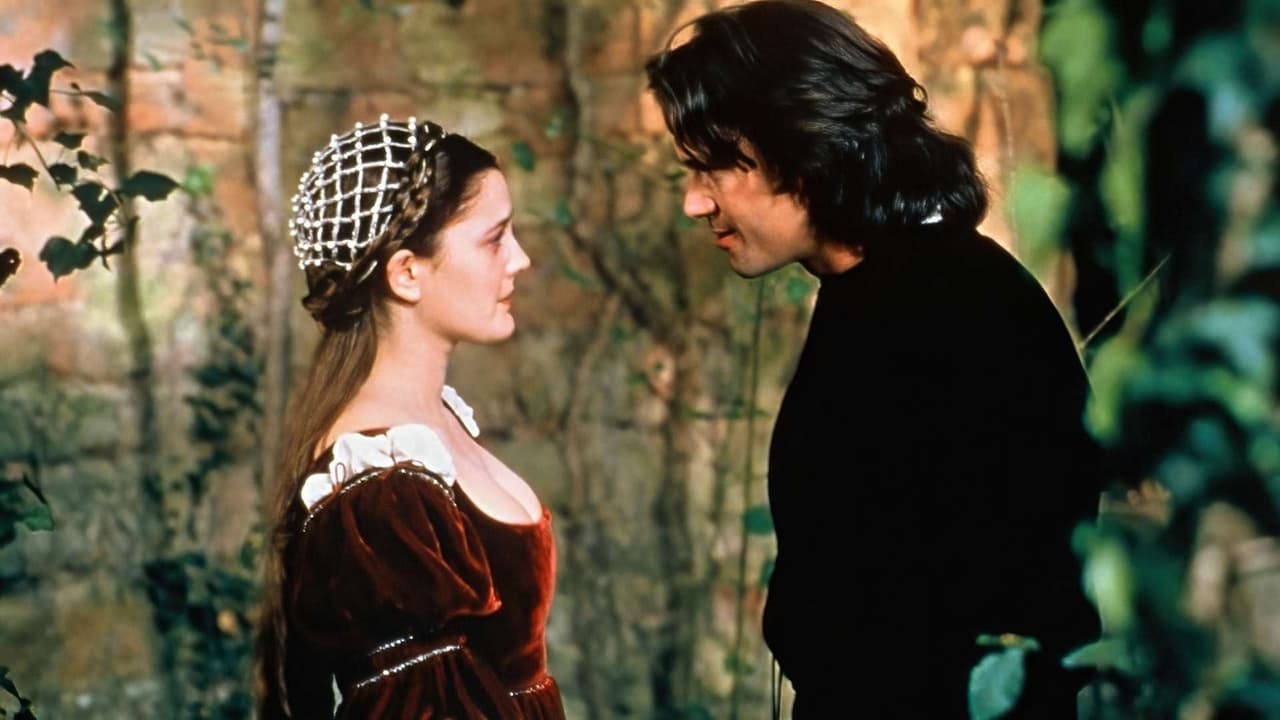
Directed by Andy Tennant (who would later bring us charming rom-coms like Hitch), Ever After wisely ditches the overt magic. Instead, it grounds the Cinderella narrative in a tangible 16th-century France, presenting the tale as a "true" story recounted to the Brothers Grimm. Our heroine isn't Cinderella, but Danielle de Barbarac, portrayed with radiant spirit by Drew Barrymore. Orphaned and left to the none-too-tender mercies of her stepmother, the Baroness Rodmilla de Ghent, Danielle is less passive servant and more resourceful survivor. She reads Thomas More's Utopia, quotes philosophy, and isn't afraid to lob an apple (or some pointed words) at a prince who needs taking down a peg.
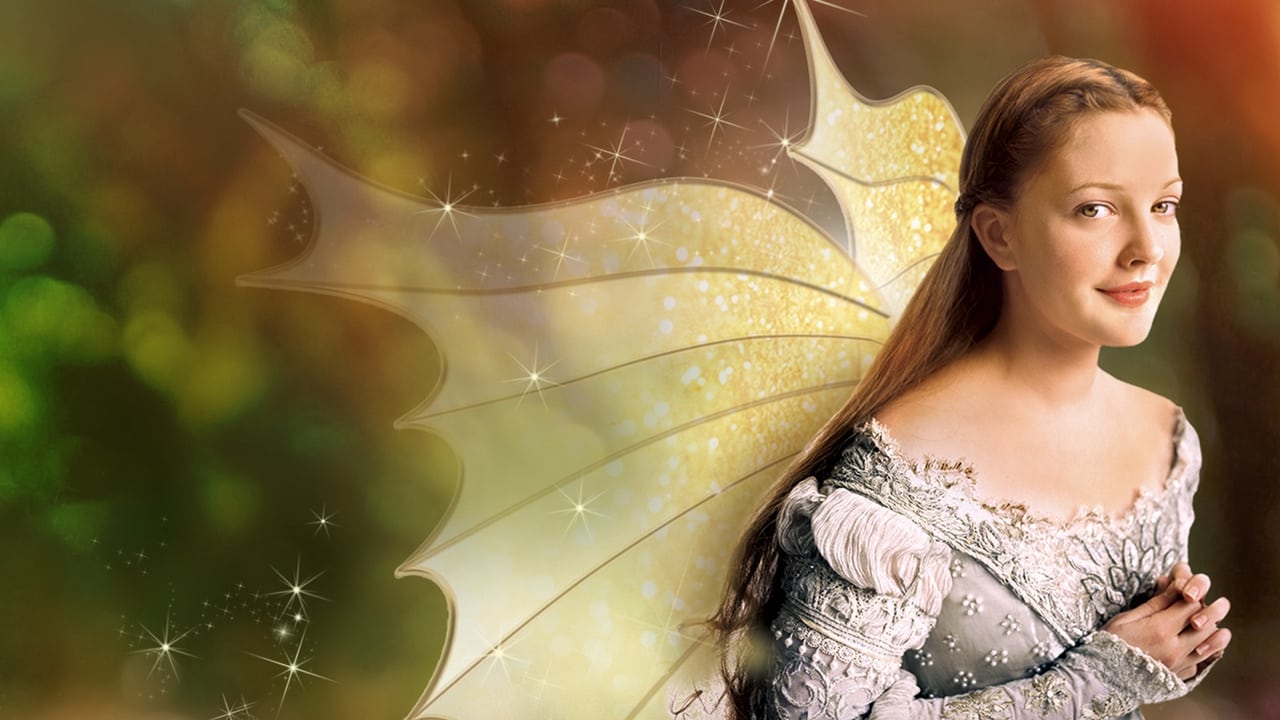
This grounded approach is the film's masterstroke. The fairy godmother is replaced by none other than Leonardo da Vinci (Patrick Godfrey), portrayed as a kindly, eccentric patron who sees Danielle's spark. The magnificent ball gown isn't conjured from thin air but is a reclaimed treasure of her mother's, complete with stunning, Da Vinci-inspired wings. This shift makes Danielle's journey feel earned, her triumphs rooted in her own intelligence and courage, not supernatural intervention. It was a narrative choice, penned by Tennant, Susannah Grant (who later wrote the Oscar-winning screenplay for Erin Brockovich), and Rick Parks, that resonated deeply in the late 90s, offering a more proactive, feminist slant on the classic tale.
Villainy Most Delicious, Royalty Reimagined
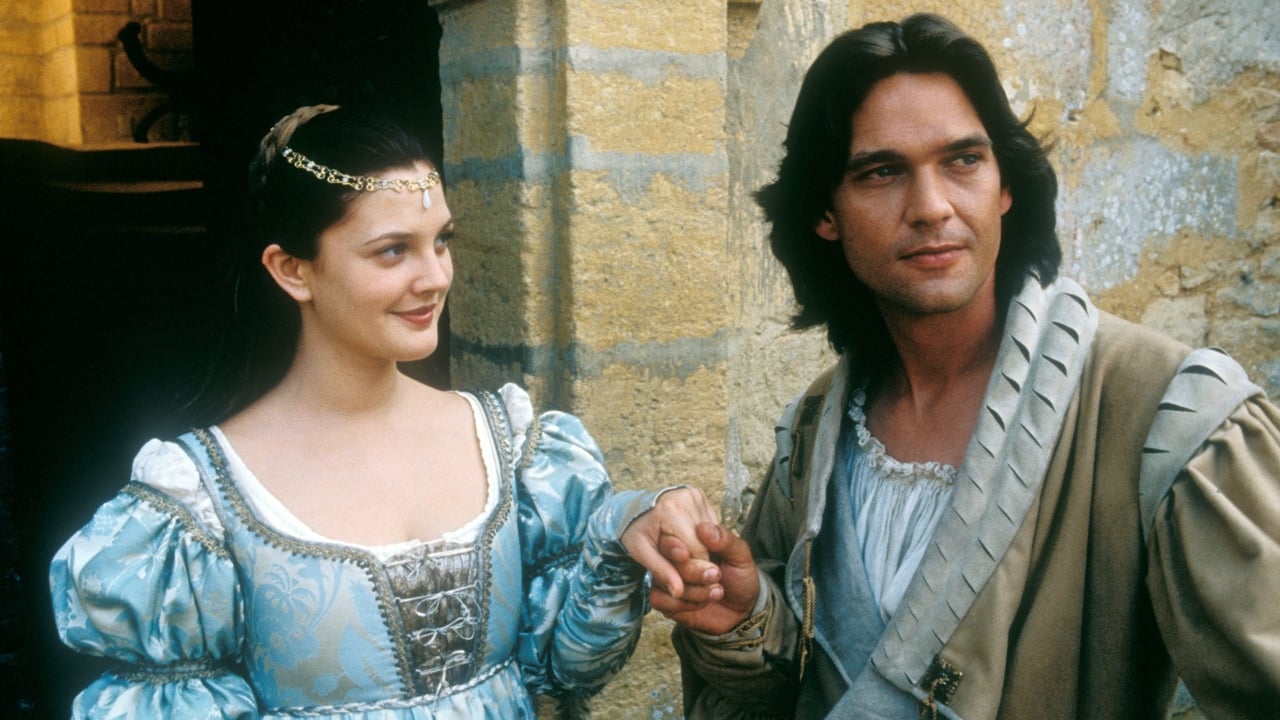
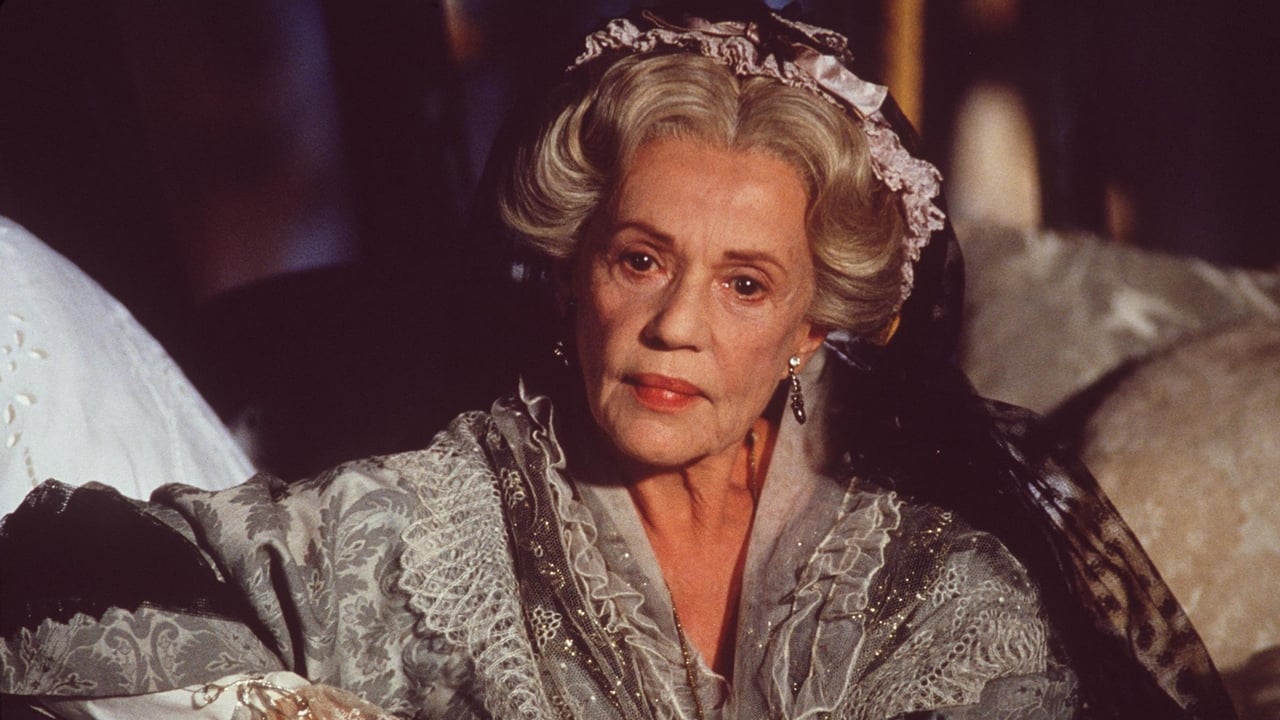
Of course, what's a Cinderella story without a truly hissable villain? Anjelica Huston sinks her teeth into the role of Baroness Rodmilla with unparalleled relish. Cold, calculating, and utterly devoted to advancing her own daughters (Melanie Lynskey as the surprisingly sympathetic Jacqueline and Megan Dodds as the vapid Marguerite), Huston delivers a masterclass in refined cruelty. She doesn't need magic wands; her sharp tongue and devastating glares are weapons enough. Watching her schemes unravel is pure cinematic satisfaction. You might remember Huston for bringing similar iconic gravity to Morticia Addams in The Addams Family films earlier in the decade, and she channels that same commanding presence here, albeit with a sharper, more malicious edge.
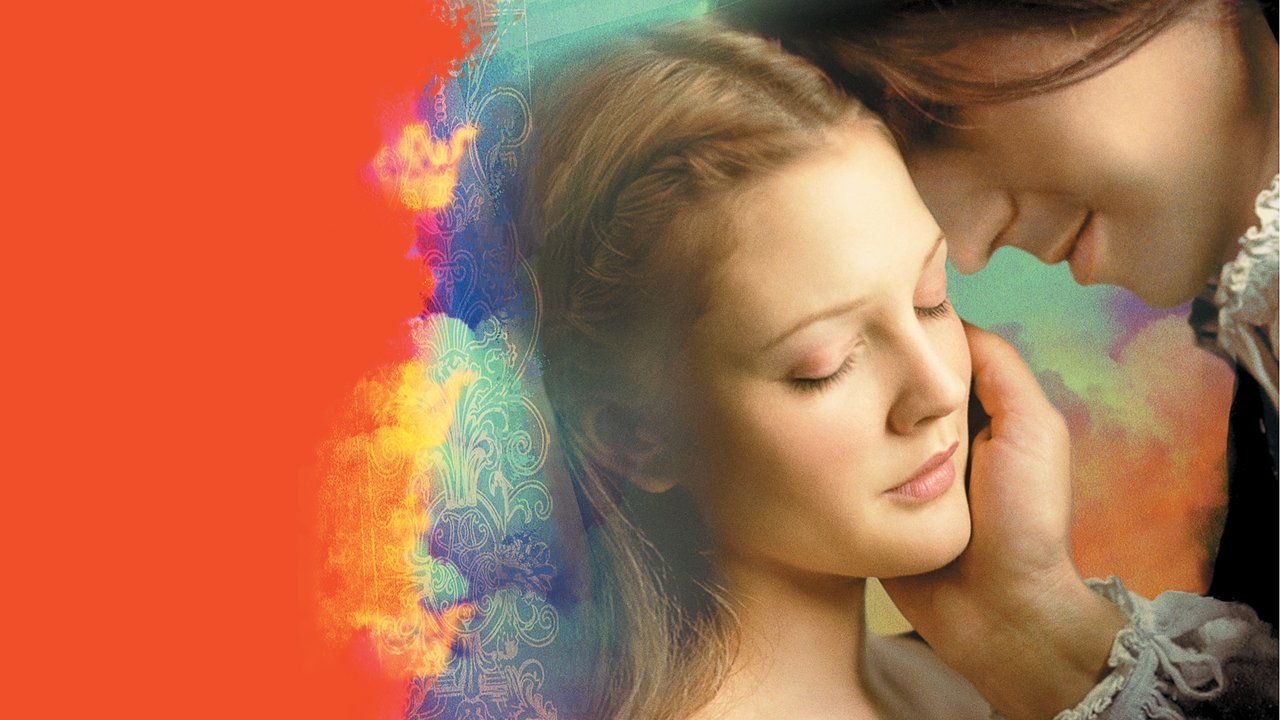
Opposite Barrymore's fiery Danielle is Dougray Scott as Prince Henry. Thankfully, he's more than just Prince Charming™. He's flawed, initially arrogant, and burdened by duty, making his eventual transformation and genuine affection for Danielle feel more meaningful. Their chemistry crackles – the verbal sparring, the stolen moments, the gradual realization that they connect on a level far deeper than courtly manners. It's a romance built on intellect and mutual respect, not just love at first sight across a crowded ballroom.
Behind the Tapestry
Part of Ever After's enduring magic lies in its gorgeous production. Filmed on location at actual French châteaux like Château de Hautefort, the movie boasts an authenticity that immerses you completely. You can almost smell the damp stone and ancient wood. The costume design by Jenny Beavan (a legend who would go on to win Oscars for films like Mad Max: Fury Road and Cruella) is exquisite, perfectly capturing the period while giving Danielle's attire, especially that winged ballgown, an iconic, almost ethereal quality.
Interestingly, Drew Barrymore wasn't just the star; she was a driving force behind the project as one of its producers through her company, Flower Films. Her passion for this reimagined fairy tale is evident in every frame. The film was made for a modest $26 million but charmed audiences worldwide, grossing over $98 million – a testament to its broad appeal. Critics at the time largely agreed, and it still holds a remarkable 91% on Rotten Tomatoes, proving its story and execution have stood the test of time. It wasn't just another video store rental; it felt like a discovery, a keeper.
More Than Just Once Upon a Time
What makes Ever After stick with you, long after the credits roll and the VCR whirs to a stop? It’s the way it respects the source material while bravely forging its own path. It tackles themes of class prejudice, the power of kindness, intellectual freedom for women, and the idea that nobility lies in character, not birthright. Danielle isn't waiting for rescue; she frees herself (quite literally, in one memorable scene) and even rescues the Prince on occasion. Remember that moment she carries him after the Romani encounter? It flipped the script in a way that felt both satisfying and necessary.
The film manages a delicate balance – it’s romantic without being saccharine, historical without being dry, and empowering without being preachy. It has adventure, wit, and genuine heart. It’s the kind of movie that made you believe, just for a couple of hours, that maybe, just maybe, fairy tales could be real, rooted in the courage and spirit of ordinary people (albeit exceptionally resourceful and well-read ones).
VHS Heaven Rating: 8.5/10
Ever After earns this high score for its intelligent script, beautiful production, standout performances (especially from Barrymore and Huston), and its refreshing, grounded take on a timeless story. It deftly blends romance, history, and adventure, creating a film that felt both classic and modern upon its release. While perhaps a touch predictable in its broad strokes (it is Cinderella, after all), the execution is so charming and heartfelt that it hardly matters. It elevates the fairy tale genre, proving that magic can be found in resilience, intelligence, and a well-aimed apple.
This wasn't just a Cinderella story; it was Danielle's story, and pulling that tape from its sleeve always felt like opening a beloved, beautifully illustrated history book – one where the princess saved herself, thank you very much.