Sometimes, a film doesn't arrive with a thunderclap but with a quiet sigh, settling into your thoughts long after the VCR whirs to a stop. "Marvin's Room" (1996) is precisely that kind of movie. It bypasses the usual 90s bombast for something far more intimate and, frankly, more resonant: the messy, complicated, often painful reality of family ties stretched to their breaking point. There's no CGI spectacle here, no car chases – just the raw, unfiltered landscape of human connection, or the lack thereof.
A Reluctant Reunion
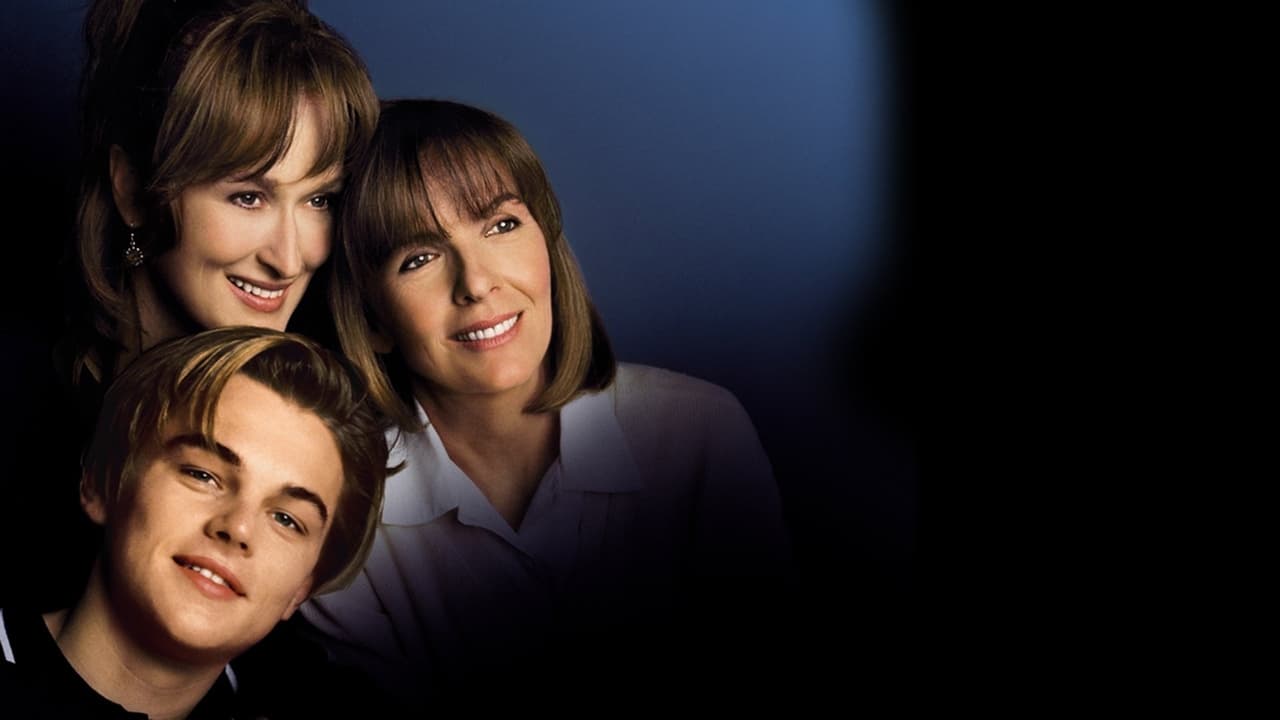
The premise, adapted by Scott McPherson from his own acclaimed play shortly before his untimely death, feels grounded in a truth many of us recognize. Bessie (Diane Keaton) has spent two decades in Florida selflessly caring for her chronically ill father, Marvin (whose unseen presence looms large), and her eccentric Aunt Ruth (Gwen Verdon, utterly charming in her dottiness). Her life is one of quiet routine and immense sacrifice. This fragile world is shattered when Bessie receives her own devastating diagnosis: leukemia. The only hope lies in a bone marrow transplant, forcing her to reconnect with the sister she hasn't seen in years, the fiercely independent and emotionally walled-off Lee (Meryl Streep).
Lee arrives from Ohio, dragging along her two sons – the eldest, Hank (Leonardo DiCaprio), recently released from a mental institution after burning down their house. Right away, the air crackles with unspoken resentments and decades of divergent paths. This isn't a feel-good reunion; it's awkward, tense, and deeply uncomfortable, which is precisely where the film finds its power. Director Jerry Zaks, primarily known for his stage work, brings a theatrical sensitivity to the screen, focusing intently on the actors and the charged spaces between them.
Portraits in Pain and Grace
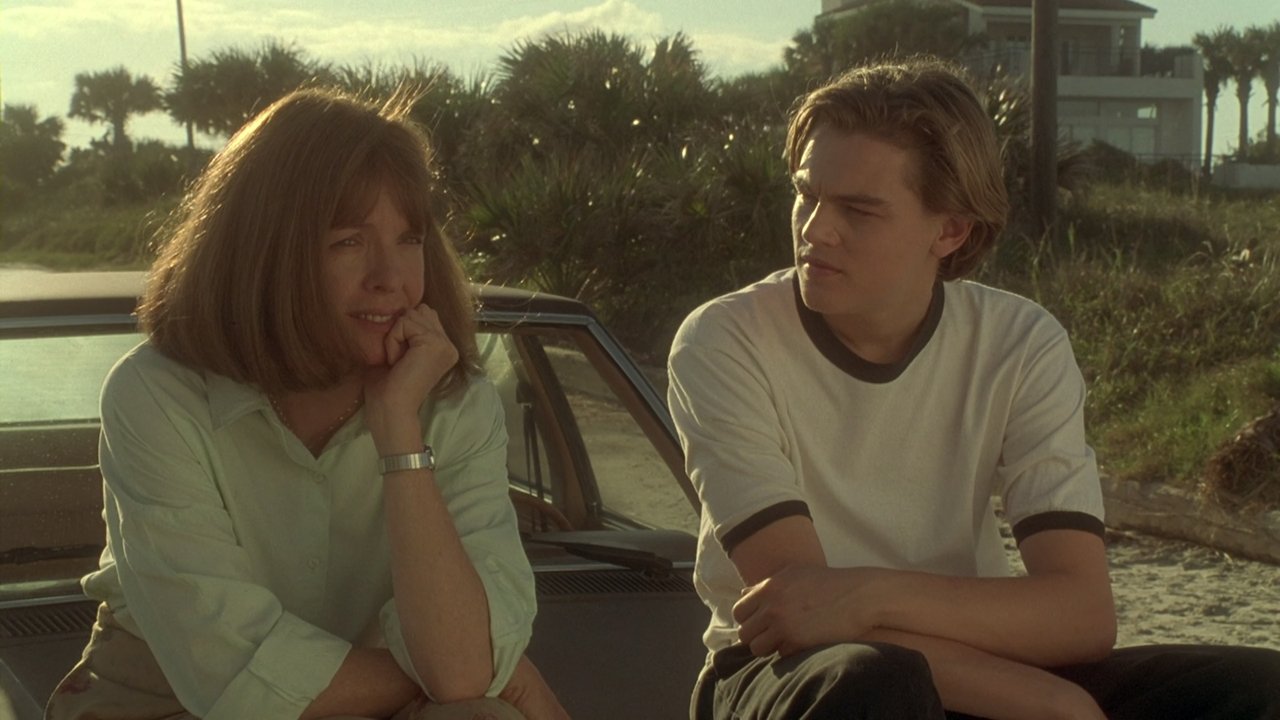
What elevates "Marvin's Room" beyond a potentially maudlin 'disease-of-the-week' movie is the sheer calibre of the performances. Diane Keaton is simply luminous as Bessie. She embodies a kind of weary grace, finding flickers of joy in small moments – a wig try-on, a trip to Disney World – even as her world contracts. There's no saintly affectation; her goodness feels earned, rooted in choice rather than naive simplicity. You see the toll the years of caregiving have taken, but also the quiet strength that defines her. It's a performance of subtle heartbreak and resilience that earned her a much-deserved Oscar nomination.
Counterbalancing Keaton's warmth is Meryl Streep as Lee. It’s a testament to Streep’s genius how she makes Lee, a character who could easily be unlikeable with her defensiveness and simmering anger, entirely understandable. Her hardness is clearly armour, forged from past hurts and a fierce desire to protect herself and her sons from perceived abandonment. The friction between Keaton and Streep feels utterly authentic – the clipped exchanges, the forced pleasantries, the sudden eruptions of long-buried pain. It's a masterclass in portraying the complex tapestry of sisterhood. Apparently, Streep initially considered playing Bessie but felt Keaton was the perfect fit, choosing the more abrasive role of Lee instead – a decision that pays dividends in their on-screen chemistry.

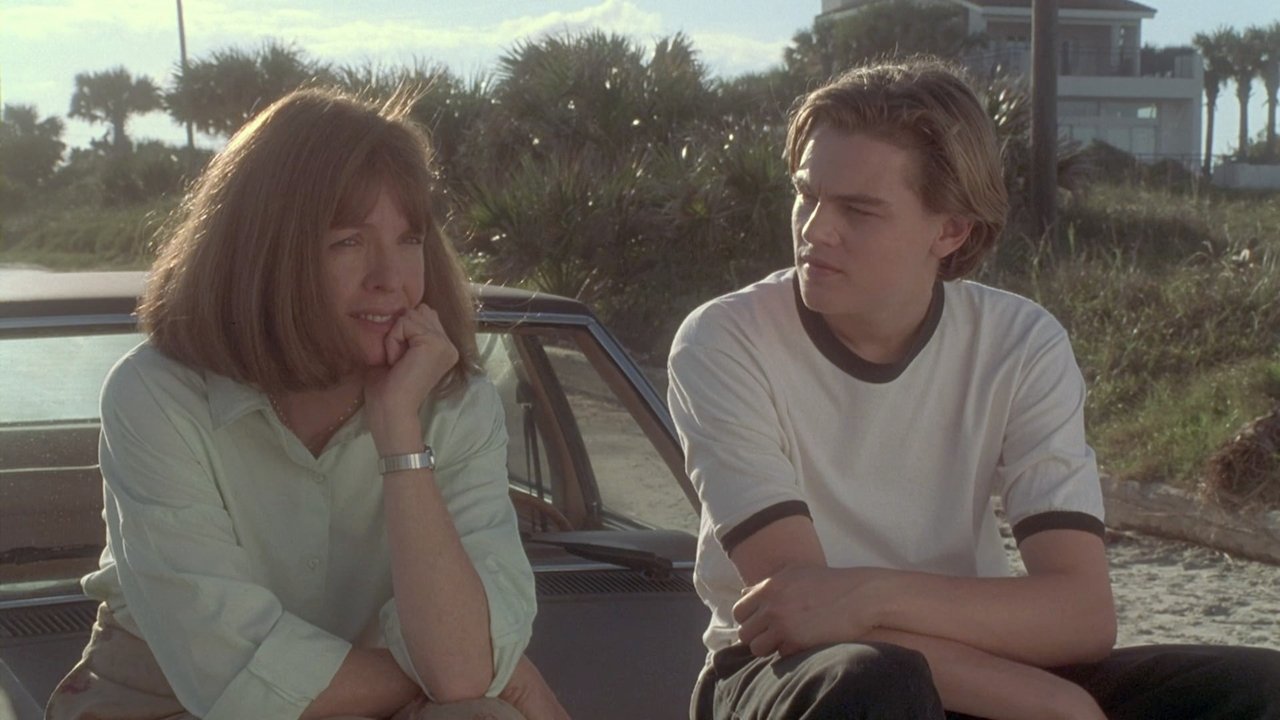
And then there's Leonardo DiCaprio. On the cusp of global superstardom with Titanic (1997) looming, he delivers a raw, volatile performance as Hank. He’s more than just a troubled teen; he’s a powder keg of confusion, anger, and a desperate, unspoken need for connection. His interactions, particularly with Keaton's Bessie, provide some of the film's most unexpectedly moving moments. He sees past the illness to the person, forming a bond that feels tentative yet genuine. It's a crucial early glimpse of the dramatic depth DiCaprio possessed.
Finding Light in the Shadows
The film doesn't shy away from the weight of its themes – mortality, regret, the burdens of family obligation, the struggle to forgive. Yet, it's never overwhelmingly bleak. McPherson's script, adapted faithfully by him for the screen (a poignant final act before his passing from AIDS-related complications), finds humour and humanity in the darkest corners. Aunt Ruth's cheerful obliviousness, the wonderfully understated performance by Robert De Niro (also a producer) as the slightly inept Dr. Wally, the absurdity of trying to navigate theme parks amidst a family crisis – these moments provide necessary breaths of air.
One fascinating tidbit is that the film was something of a passion project for producers Scott Rudin and De Niro, taking years to bring from stage to screen after McPherson’s play received acclaim. It wasn't designed as a blockbuster – with a budget around $23 million, its modest US box office take of about $12.8 million perhaps reflected its quieter, more challenging nature compared to the era's flashier fare. But critical response was strong, particularly praising the acting ensemble. Filming in the specific, sun-bleached landscape of Florida adds another layer, contrasting the external brightness with the internal struggles of the characters.
The Enduring Echo
Does "Marvin's Room" feel like a film from 1996? Yes, in its pacing and its focus on character over spectacle. But its core concerns – how we care for one another, how we bridge emotional divides, how we find meaning in the face of loss – are timeless. It’s a film that requires patience, inviting you to sit with uncomfortable emotions rather than offering easy resolutions. What lingers isn't necessarily the plot, but the faces of Keaton, Streep, and DiCaprio, etched with the complex, contradictory feelings that define family. It's a reminder that sometimes the most profound stories are the ones whispered, not shouted. I remember renting this one, perhaps expecting something more straightforwardly sentimental, and being struck by its quiet honesty – a feeling that remains potent decades later.
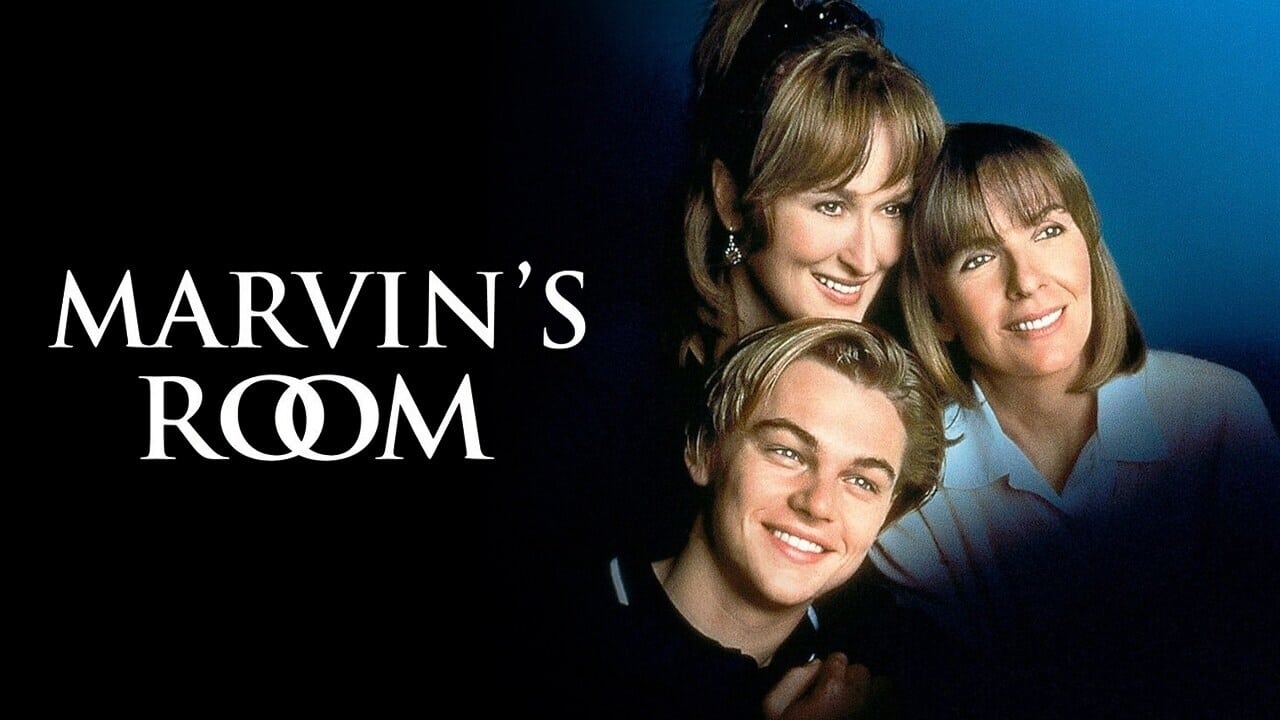
Rating: 8.5/10
This rating reflects the powerhouse performances, particularly from Keaton and Streep, the film's sensitive handling of difficult themes, and its enduring emotional resonance. While perhaps occasionally betraying its stage origins in its containment, the acting and the script's raw humanity make it a standout drama of the 90s.
"Marvin's Room" is a film that stays with you, a quiet testament to the enduring, if often difficult, power of love and forgiveness within the tangled web of family.