Paradise Lost: The Child Murders at Robin Hood Hills
It arrives not with a bang, but with a slow, creeping dread. There's a particular weight to certain documentaries discovered on the dusty shelves of a video store, films that promise truth but deliver a disquieting ambiguity that lingers long after the tape clicks off. Joe Berlinger and Bruce Sinofsky's Paradise Lost: The Child Murders at Robin Hood Hills (1996) is precisely that kind of film – a raw, devastating plunge into a small-town nightmare that forces you to question everything you think you know about justice, community, and the slippery nature of truth itself. I remember renting this, perhaps expecting something sensationalist, but finding instead a profound and troubling human story captured with unflinching honesty.
A Shadow Over West Memphis
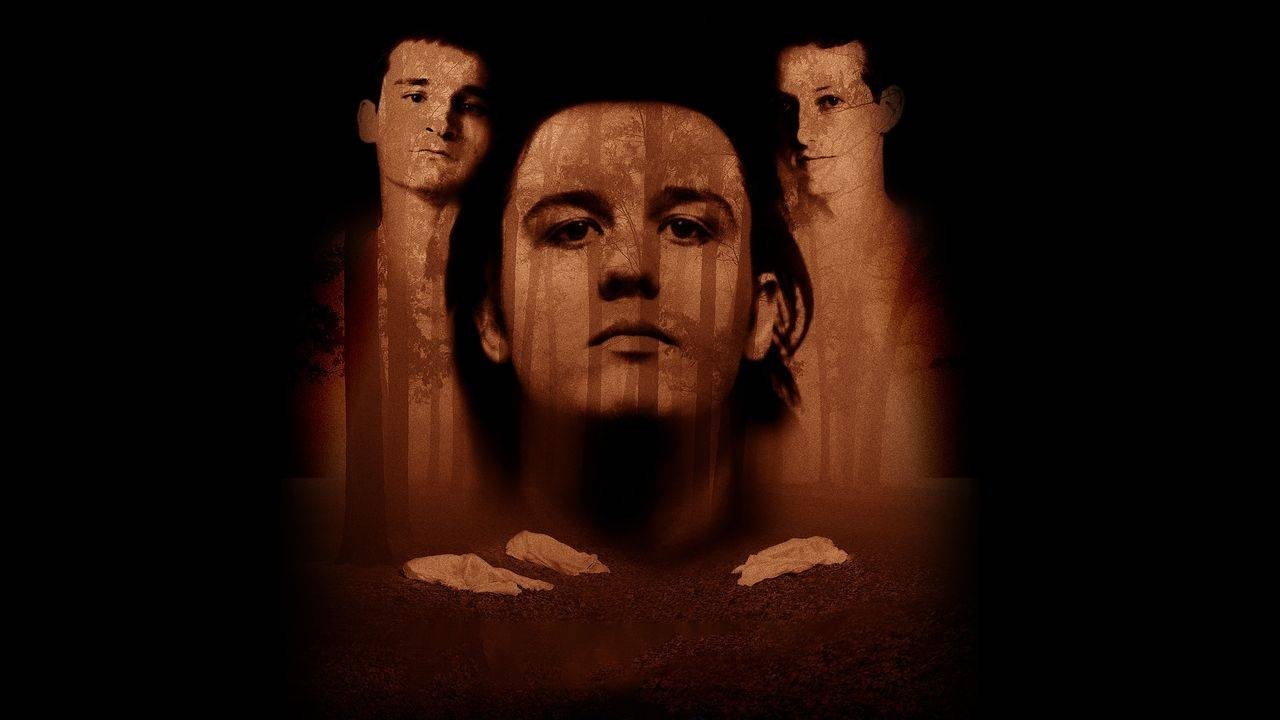
The setup is tragically simple, yet endlessly complex. In 1993, in the small, working-class town of West Memphis, Arkansas, three eight-year-old boys go missing. Their bodies are later found, brutally murdered, in a wooded area known locally as Robin Hood Hills. In the ensuing panic and grief, suspicion quickly falls on three local teenagers: the outspoken, metal-listening Damien Echols, the quiet Jason Baldwin, and the intellectually limited Jessie Misskelley Jr. They are different, outsiders in a deeply conservative Bible Belt community, and soon they stand accused of committing the horrific crimes as part of a Satanic ritual. What unfolds is not just a courtroom drama, but a portrait of a town tearing itself apart, captured with astonishing, often uncomfortable intimacy.
Faces in the Firelight

Berlinger and Sinofsky, who initially secured access believing they were documenting the guilt of three young killers, employ a direct cinema approach that puts the viewer right in the middle of the storm. There are no slick narration voiceovers telling you what to think. Instead, we witness the events through extended interviews, raw courtroom footage, and fly-on-the-wall observations. The power lies in the unvarnished presentation of the individuals involved. We see the bewildering confession of Jessie Misskelley Jr., the defiant, almost gothic persona of Damien Echols that plays directly into the prosecution's narrative, and the quiet fear of Jason Baldwin.
Equally compelling, and often deeply unsettling, are the portrayals of the victims' families and the wider community. Mark Byers, stepfather of one of the murdered boys, is a volatile, unpredictable figure whose grief manifests in ways that are both heart-wrenching and disturbing. His infamous moment with the knife, a piece of trivia often shared, wasn't staged; it was a spontaneous, bizarre event captured by the ever-present cameras, highlighting the unpredictable nature of the reality they were documenting. The filmmakers’ access feels almost unprecedented, capturing private moments of grief, anger, and bewildered speculation that paint a complex picture far removed from easy answers.
Echoes of the Satanic Panic
Watching Paradise Lost today, it serves as a chilling reminder of the 'Satanic Panic' that gripped parts of America in the 80s and early 90s. The prosecution's case leans heavily on flimsy evidence, coerced confessions, and the teenagers' interest in heavy metal music (famously, Metallica allowed their music to be used, a crucial element adding to the film's atmosphere, reportedly after seeing early footage) and dark clothing as proof of demonic influence. Doesn't this rush to judgment, fueled by fear and prejudice against non-conformity, feel disturbingly familiar even now? The film masterfully exposes how easily fear can curdle into injustice, how a community desperate for answers can latch onto the most convenient scapegoats. It's a theme that resonates far beyond the specific details of this single case.
The Weight of the Watch
Experiencing Paradise Lost on VHS back in the day felt different. The grainy resolution, the slightly muffled sound piped through a CRT television – it somehow amplified the film's raw, unpolished feel. It felt less like a polished product and more like found footage from a troubled place, enhancing the sense of unease and uncertainty. This wasn't just entertainment; it felt like bearing witness. Berlinger and Sinofsky, known for their later impactful documentaries like Brother's Keeper (1992) and the subsequent Paradise Lost sequels, demonstrate a remarkable ability here to build a narrative through observation, letting the contradictions and ambiguities speak for themselves. It’s worth noting that HBO's backing was crucial, providing the resources and freedom for such an in-depth, long-form investigation at a time when true crime wasn't the ubiquitous genre it is today. Their initial belief in the teenagers' guilt shifted dramatically during filming, a change reflected in the documentary's increasingly skeptical tone towards the official narrative.
Beyond the Verdict
Of course, the story didn't end in 1996. Paradise Lost had a seismic impact, galvanizing support for the West Memphis Three and playing a significant role in eventually leading to their release in 2011 via an Alford plea (a complex legal maneuver allowing them to maintain innocence while acknowledging sufficient evidence for conviction). The film spawned two equally essential sequels, Paradise Lost 2: Revelations (2000) and Paradise Lost 3: Purgatory (2011), which continued to document the case's labyrinthine twists and turns. Yet, the original remains a landmark achievement. It's not just a documentation of a specific crime; it's a profound exploration of justice, social prejudice, the power of documentary film itself, and the haunting question of what truly happened in Robin Hood Hills – a question that, for many, still lacks a definitive answer.
Rating: 9/10
This rating reflects the film's undeniable power, its historical significance in both documentary filmmaking and the specific case it covers, and its unflinching, deeply human approach. While harrowing and difficult to watch, its craft is exceptional, allowing viewers to confront complex truths without easy resolutions. The slight deduction acknowledges that the sheer rawness and length might test some viewers, but its impact is undeniable and justifies its place as essential viewing.
Paradise Lost isn't a comfortable watch, nor should it be. It's a film that burrows under your skin, a stark reminder from the VHS vaults that the most terrifying monsters are sometimes not supernatural, but tragically, terrifyingly human. What lingers most isn't just the crime, but the chilling ease with which a narrative of guilt could be constructed, and the courage it took to question it.