There's a certain kind of madness that builds empires, isn't there? A terrifying, magnetic pull towards an idea so grand it borders on the absurd, fueled by charisma and underscored by brutality. That's the feeling that clings long after the credits roll on Barry Levinson's ambitious 1991 biographical drama, Bugsy. Watching it again recently, pulling that well-worn tape from its sleeve, felt less like revisiting a simple movie and more like cracking open a meticulously crafted, yet tragically flawed, snow globe containing the nascent dream of Las Vegas.
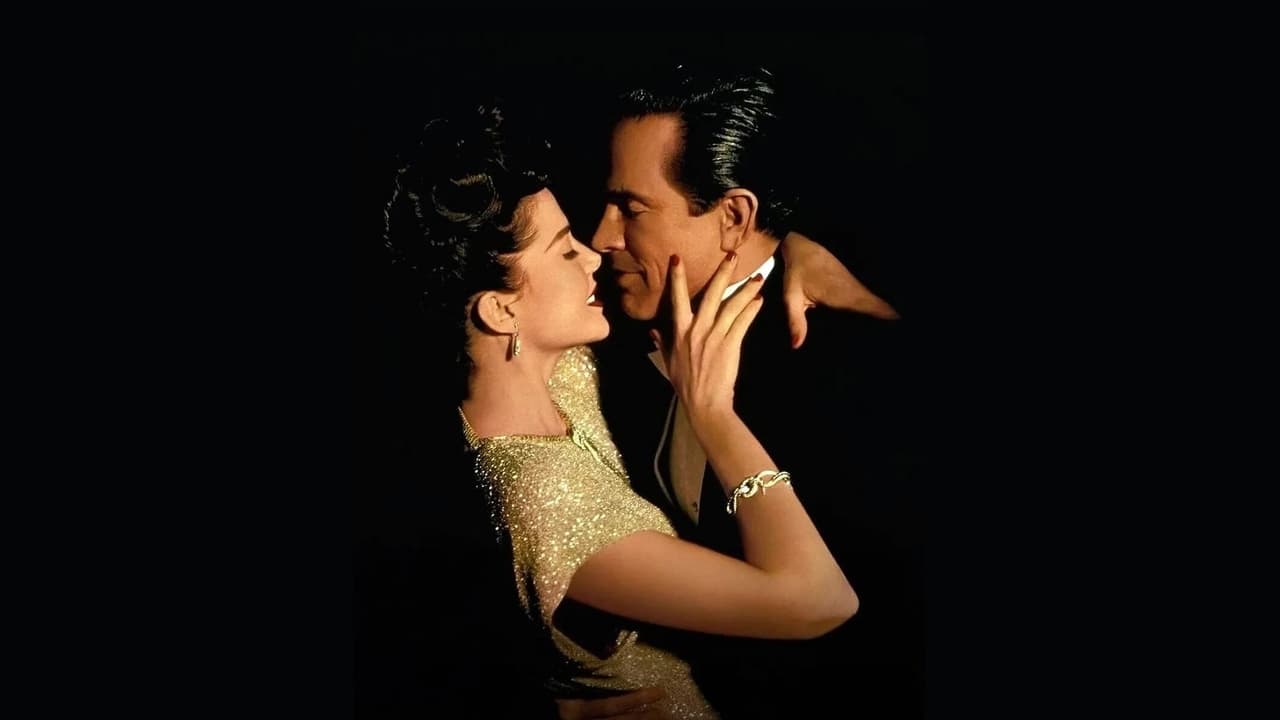
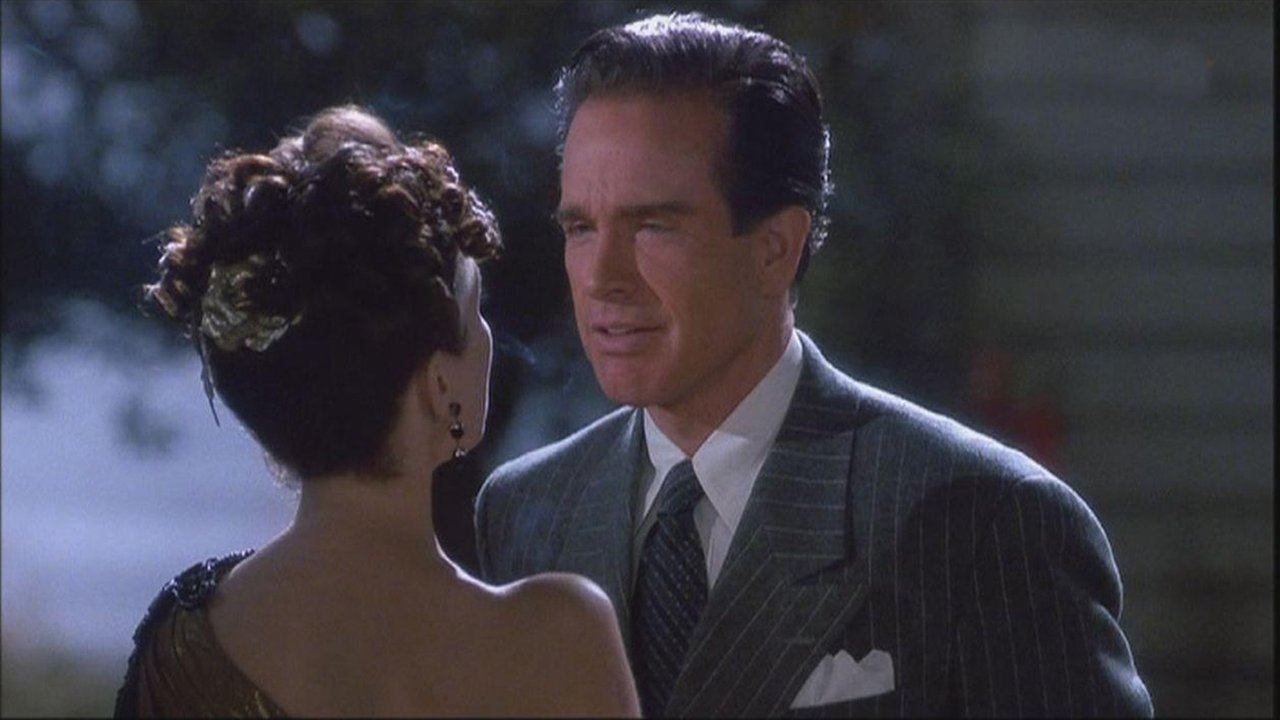
This isn't just another gangster flick; it's a character study wrapped in period glamour, anchored by a performance from Warren Beatty that feels less like acting and more like possession. Beatty is Benjamin "Bugsy" Siegel – charming, volatile, impeccably dressed, and utterly consumed by his vision of a desert oasis for high rollers. It's a role Beatty reportedly pursued for years, and that dedication shines through. He captures Siegel's contradictions: the smooth Hollywood operator charming starlets one minute, the ruthless mob enforcer terrifying associates the next. Remember that scene where he practices lines from a movie, trying to perfect his diction, only to explode in rage moments later? It’s that tightrope walk between aspiration and inherent violence that Beatty navigates so compellingly.
A Desert Mirage Takes Shape
Levinson, who already gave us complex characters in films like Rain Man (1988), doesn't shy away from Siegel's darkness, but he frames it within the context of this almost childlike obsession. Bugsy sees the arid Nevada landscape not as emptiness, but as a blank canvas for the Flamingo Hotel, a palace that will rise from the dust. The film luxuriates in the details of this era – the sharp suits, the smoky backrooms, the burgeoning glitz of post-war California. Dante Spinotti's cinematography bathes everything in a golden, almost dreamlike haze, contrasting sharply with the sudden, brutal bursts of violence that punctuate Siegel's life.
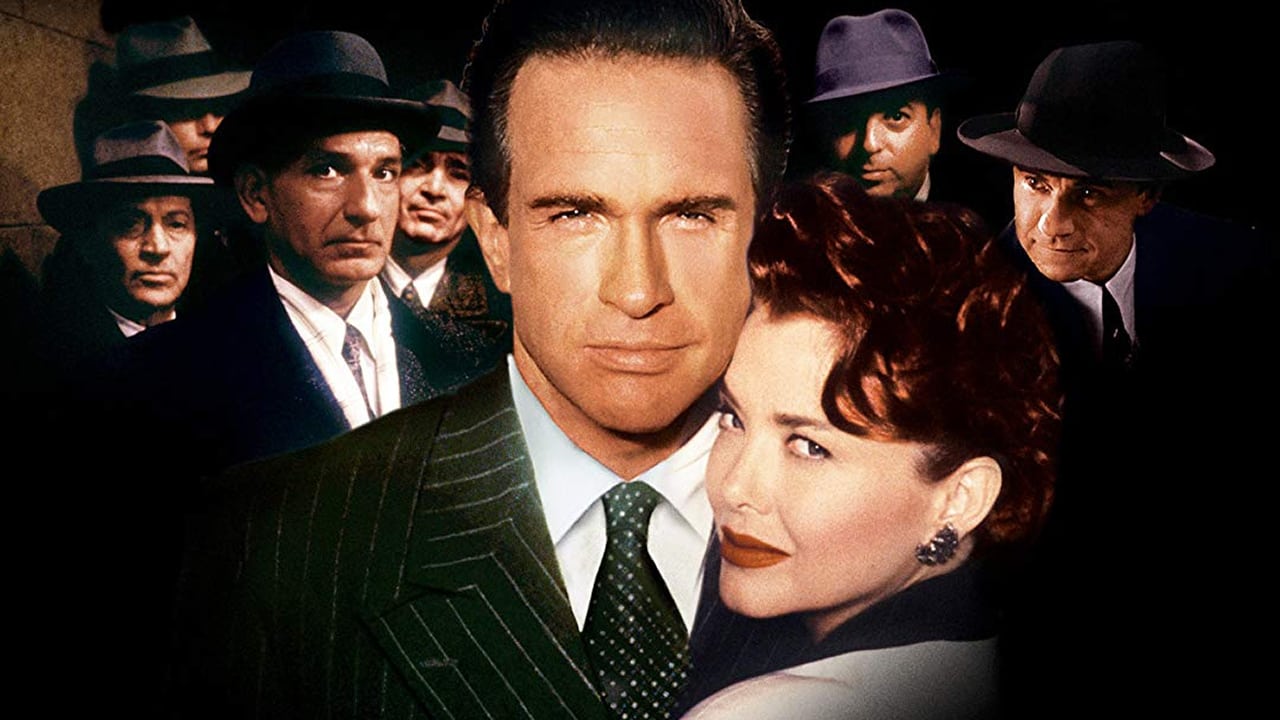
Crucial to the film's heat is Annette Bening as Virginia Hill, the tough-talking, independent moll who becomes Siegel's obsession and, arguably, his equal. Their chemistry crackles; it’s electric, argumentative, and deeply felt. Knowing that Beatty and Bening met and began their real-life relationship during this production adds a layer of undeniable authenticity to their on-screen dynamic. Bening holds her own against Beatty’s force-of-nature performance, creating a character who is far more than just a gangster's girlfriend. She’s sharp, resourceful, and ultimately, tragically entangled in Bugsy's fate. Was she just using him, or did she truly love the dreamer beneath the killer? The film leaves that tantalizingly ambiguous.
The Price of a Dream
Supporting players enrich the tapestry. Harvey Keitel, never one to disappoint, brings his signature intensity to the role of Mickey Cohen, providing a grounded, dangerous counterpoint to Bugsy’s flights of fancy. Ben Kingsley is icily effective as Meyer Lansky, the calculating mob financier watching Siegel’s dream hemorrhage money with growing impatience. It's Lansky who perhaps best represents the cold reality closing in on Bugsy's incandescent fantasy.
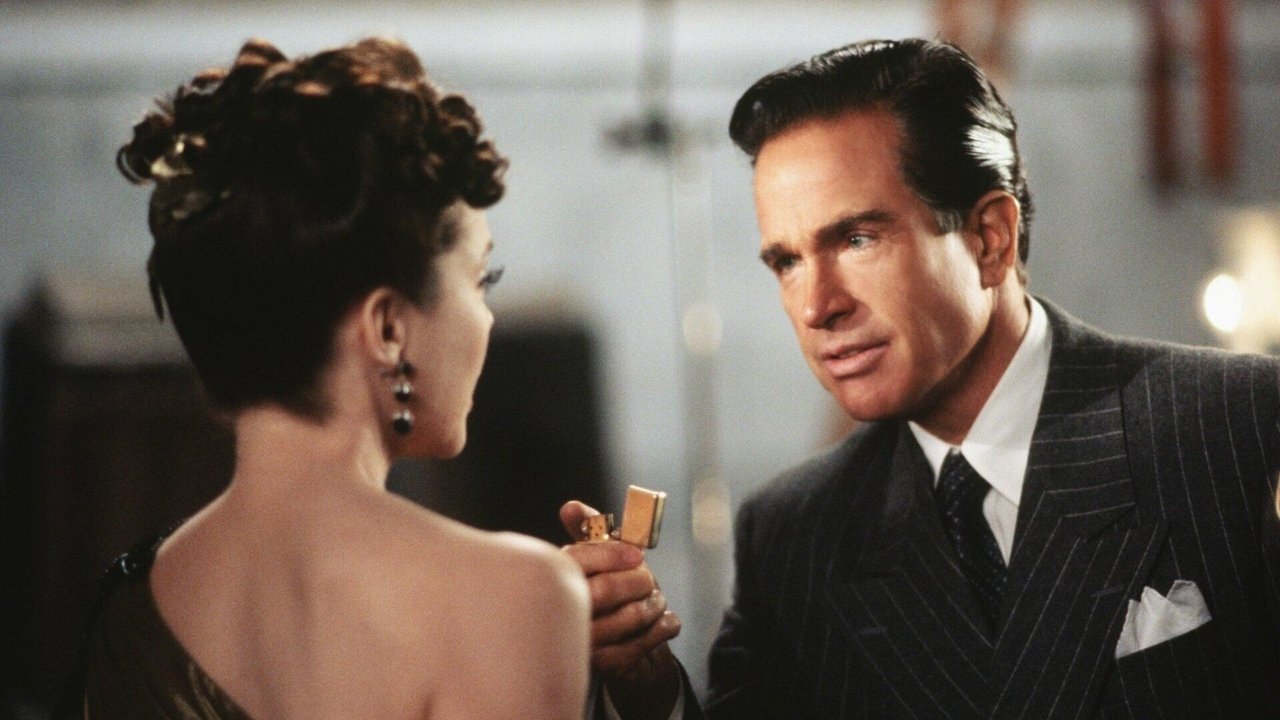
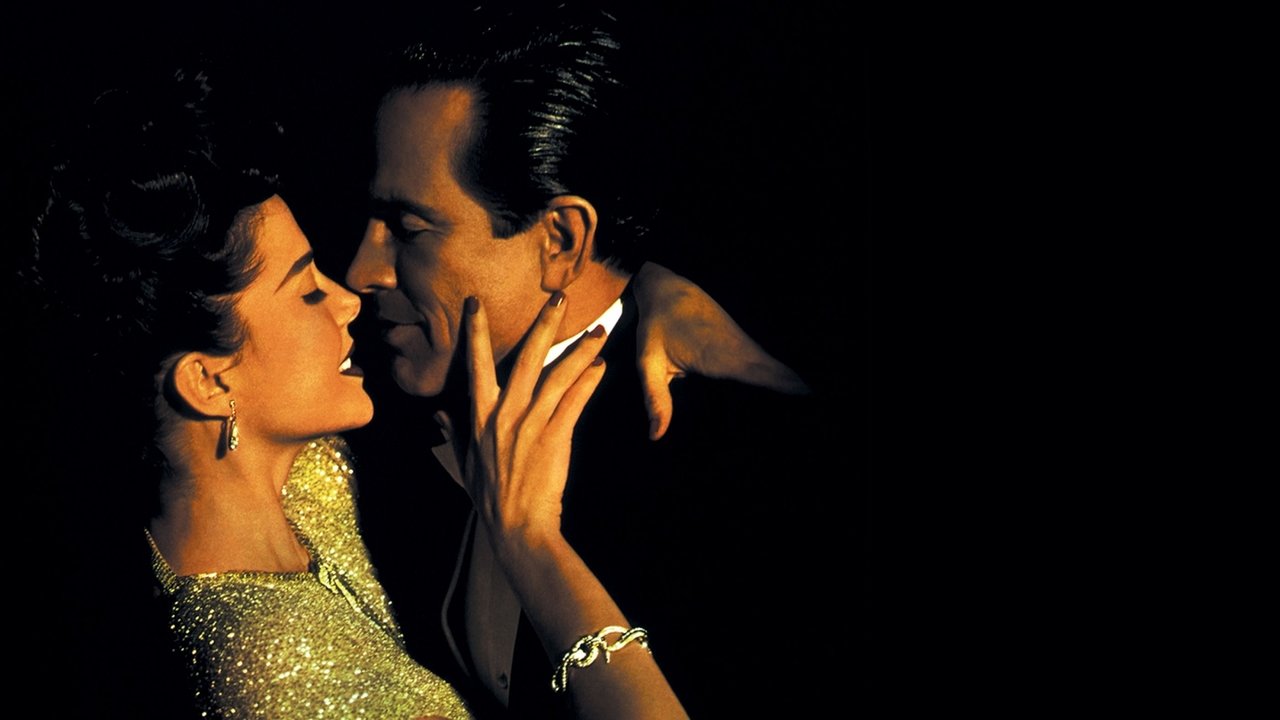
Interestingly, the script by James Toback – known for his intense character pieces like Fingers (1978) – apparently went through considerable evolution. Toback and Beatty worked closely, honing the dialogue that swings from sharp wisecracks to chilling threats. While the film streamlines Siegel’s complex life, it captures the essence of his ambition and fatal flaws. It wasn't a cheap endeavor either; Bugsy cost a reported $30 million back in '91 (that's easily over $65 million today), a significant sum for a period drama, much of which clearly went into recreating the look and feel of the 1940s, including convincing depictions of the Flamingo's construction. It wasn't a runaway box office success, earning around $49 million domestically, but its critical reception was strong, netting ten Academy Award nominations, including Best Picture, Director, Actor (Beatty), and Supporting Actor (Keitel, Kingsley), ultimately winning for Art Direction and Costume Design – deserved wins that acknowledge the film's stunning visual world.
Echoes in the Sand
What makes Bugsy endure, especially viewed through the lens of time and countless subsequent gangster portrayals, is its focus on the why. It's less concerned with the mechanics of organized crime and more fascinated by the psychology of a man who believed he could build paradise with mob money, somehow keeping the violence and the vision separate. Of course, he couldn't. The very brutality that funded his dream ultimately consumed him. Doesn't that feel like a timeless American paradox? The relentless pursuit of something beautiful, built on foundations that might be rotten to the core?
The film isn't flawless. Some might find Beatty's portrayal occasionally veering into mannerism, and the pacing is deliberate, demanding patience. But these are minor quibbles in a film that achieves so much. It offers glamour, danger, a tragic romance, and a compelling portrait of obsessive ambition. Renting Bugsy back in the day felt like an event – a serious, adult movie night pick from the New Releases wall.
Rating: 9/10
This score reflects the film's exceptional craft, powerful performances (especially from Beatty and Bening), resonant themes, and masterful direction. It's a near-perfect execution of a challenging biographical subject, capturing both the allure and the rot at the heart of Siegel's American dream. Bugsy remains a potent reminder that sometimes the most dazzling visions are built on the most dangerous fault lines.