### Mid-Life in Seven-Year Cycles
There's a unique weight that settles in around the midpoint of a life, isn't there? A sense of paths taken, doors closed, and the road ahead looking perhaps less infinite than it once did. Watching Michael Apted's 35 Up, released in 1991, feels like sitting down with that very weight, not just for one life, but for over a dozen, refracted through the unblinking lens of a camera that had already been watching them for 28 years. This isn't your typical Friday night rental, the kind of explosive action or goofy comedy we often sought out down the aisles of the video store. No, the Up series offered something far rarer on those flickering CRT screens: a profound, patient, and utterly captivating look at real lives unfolding in real time.
### The Grand Experiment Continues
For anyone unfamiliar, the premise born from the original Seven Up! (1964) – itself a segment of Granada Television's World in Action initially directed by Paul Almond with Apted assisting – was deceptively simple yet revolutionary: track a diverse group of British children from different social classes every seven years. The Jesuit maxim, "Give me the child until he is seven and I will give you the man," served as its provocative starting point. By 35 Up, the fifth instalment, we weren't just meeting children or young adults anymore. We were encountering people deeply embedded in their careers, marriages, parenthood, and the complex tapestry of mid-adulthood. The questions hanging in the air felt heavier now. Had the predictions of class destiny held true? What defined happiness, success, or regret at this stage?
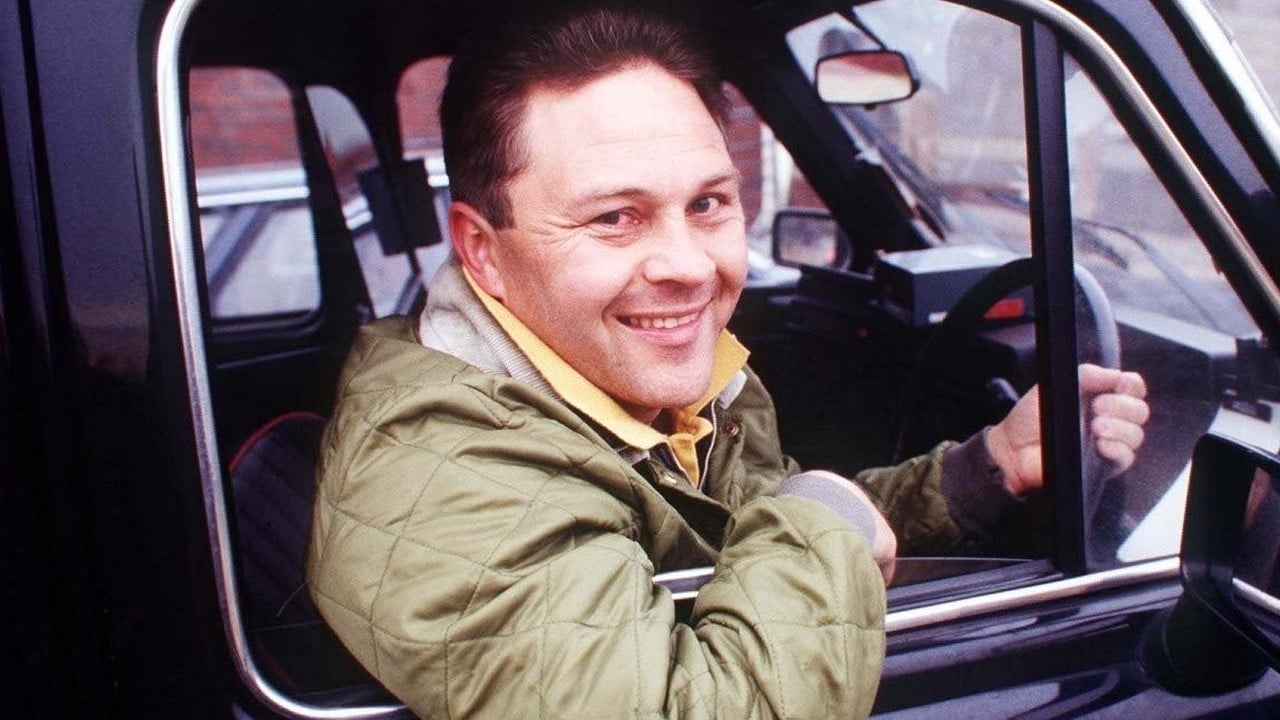
What makes 35 Up particularly resonant is seeing the participants grapple with these questions themselves. The boundless energy of 7 Up and the searching aspirations of 21 Up have matured into something more reflective, sometimes tinged with weariness, sometimes illuminated by hard-won contentment. We see Tony Walker, the irrepressible East End optimist, navigating the complexities of family life and career shifts, his core personality remarkably consistent yet shaped by experience. We witness Bruce Balden, the sensitive boarding school boy who dreamt of missionary work, finding his path in teaching, his quiet dedication a powerful counterpoint to some of the louder lives.
### Honesty Under the Lens
The "performances" here aren't crafted by actors, but offered with startling honesty by the participants. Their willingness to share their triumphs, struggles, and doubts directly with Apted (and by extension, us) is the heart of the series. Think of Neil Hughes, whose journey takes perhaps the most unexpected and deeply affecting turns. His vulnerability in earlier films deepens here, forcing us to confront the fragility of circumstance and mental health. Or consider the differing paths of Jacqueline Bassett, Lynn Johnson, and Susan Sullivan – their reflections on marriage, motherhood, work, and personal fulfillment offer a powerful snapshot of women's lives bridging the societal shifts from the 60s into the 90s.
It's fascinating to consider the unique relationship Apted fostered. He wasn't just a director swooping in every seven years; he became a recurring figure in their lives, a confidante, perhaps even a catalyst for self-reflection. This long-term commitment is, frankly, staggering. Imagine the logistical and emotional undertaking! It's known that not every participant welcomed the filming process equally over the decades; some grew more cautious, others participated with reservations. That tension, the awareness of being observed and defined by this project, adds another layer to their interactions. Apted himself acknowledged the burden the series placed on them, a "Faustian bargain" of sorts, trading privacy for a unique form of immortality on film.
### More Than Just a Documentary
Finding 35 Up on a video store shelf back in the day might have felt like discovering a hidden passage. Surrounded by brightly colored boxes promising aliens, explosions, or high school hijinks, the unassuming cover of an Up film hinted at something different. Renting it, taking it home, feeding it into the VCR... it was an invitation to connect, not escape. It felt important, substantial. Watching these real people, roughly contemporaries to many of our parents then, felt like glimpsing unfiltered truth. The specific details – the slightly grainy 16mm film look transferring to VHS, the very Britishness of it all – grounded it in a tangible reality. You didn't just watch 35 Up; you felt like you were checking in on acquaintances you'd known for years.
The production wasn't without its challenges, naturally. Coordinating schedules across continents (like with Nick Hitchon, who moved to America) and maintaining trust required immense dedication. Apted, who also gave us narrative films like Coal Miner's Daughter (1980) and later the Bond film The World Is Not Enough (1999), clearly poured a unique passion into this longitudinal project. It stands as a monumental achievement, less a single film and more a living, breathing chronicle.
### The Enduring Questions
What lingers after watching 35 Up? It’s the profound sense of shared humanity. Despite the different backgrounds dictated by the British class system – the very system the series initially sought to interrogate – the core concerns resonate universally. Love, loss, ambition, disappointment, the search for meaning... it's all there. Does social class predetermine destiny? The series offers complex, nuanced answers, suggesting that while opportunity is undeniably shaped by background, individual resilience, choices, and sheer chance play undeniable roles. Seeing these individuals navigate their 35th year, are we not prompted to reflect on our own journeys at similar milestones?
Rating: 9.5/10
This rating reflects the film's unique power and importance within the grander scope of the Up series. While perhaps lacking the shock of youthful revelation or the poignancy of later-life reflection found in other installments, 35 Up is a crucial, deeply moving midpoint. It captures the complexities of established adulthood with unparalleled honesty and empathy. Its "flaws" are merely the untidiness of real life itself.
35 Up isn't just a documentary; it's a mirror held up to the human condition, compelling, essential viewing that reminds us of the extraordinary stories contained within ordinary lives, captured forever on tape.